
Breastfeeding is a highly rewarding journey, but it is also one of the most physically demanding tasks a new mother faces. Sitting for hours in a fixed position while cradling a newborn can quickly lead to fatigue, muscle strain, and soreness. Finding the right nursing pillow for mommy can transform this daily routine, turning a potentially uncomfortable chore into a relaxed, physically sustainable bonding experience.
At its core, a dedicated nursing support cushion is designed to raise your baby to the level of your breast. When you do not have to hunch forward or lift the baby’s weight with your arms, you protect your neck, shoulders, and lower back from chronic strain. This ergonomic alignment allows your body to relax, which is essential for a smooth milk let-down reflex.
In addition to maternal comfort, a stable feeding surface plays a critical role in your baby’s development. By supporting the baby’s head and neck at the correct height, the pillow helps secure a deeper, more comfortable latch. This guide explores the essential factors—including shape, size, fill material, and cover fabric—to help you select the ideal support for your body type and feeding setup.
Products mentioned in this guide


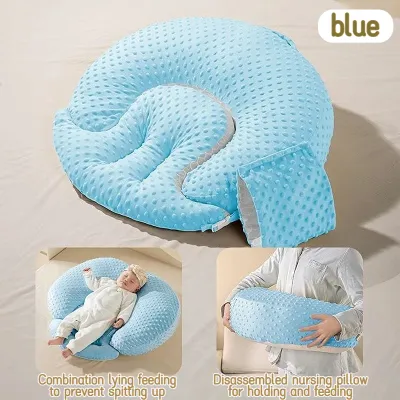
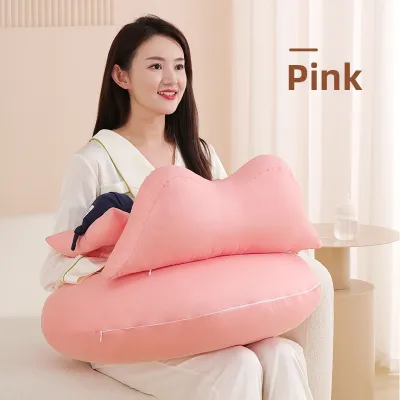

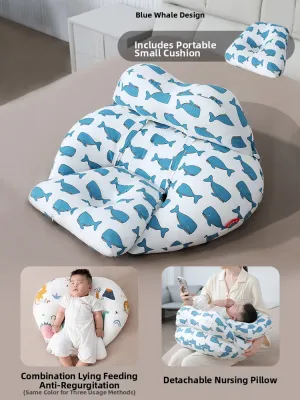
Prices are valid at publication and may change. Please refer to the product page for the latest price.
Why the Right Nursing Pillow for Mommy Matters for Posture and Latch
Many new mothers underestimate the physical toll of feeding a newborn up to twelve times a day. Without proper structural support, you are likely to lean forward, curving your spine and putting excessive pressure on your lumbar region. A high-quality nursing pillow acts as a firm shelf that bridges the gap between your lap and your breast, maintaining your neutral sitting posture.
When your infant is positioned at the correct height, they do not have to stretch or twist their neck to reach the nipple. A straight, neutral alignment of the baby’s head and neck makes swallowing easier and reduces the intake of excess air, which can cause colic or gas. A stable, secure surface also prevents the baby from rolling away mid-feed, ensuring the latch remains deep and painless.
Every mother’s body shape, height, and preferred feeding position are unique, meaning there is no single pillow that fits everyone. Choosing the right support requires balancing several practical dimensions, from how the cushion wraps around your waist to how its inner materials hold up under daily use. By understanding these technical features, you can make an informed choice that supports your long-term breastfeeding goals.
Step 1: Match the Pillow Shape to Your Feeding Style
The physical footprint of a nursing cushion determines how well it sits on your lap and how much arm support it provides. Different shapes are engineered to accommodate specific body types, recovery needs, and feeding positions. Selecting the right shape is your first step toward finding a comfortable, daily-use solution.

C-Shape and Crescent Pillows
The classic C-shape, or crescent design, is the most common style available on the market. This pillow features a semi-circular opening that slides around the front of your waist, resting directly on your thighs to support your forearms.
These pillows are highly effective for traditional feeding positions, such as the cradle and cross-cradle holds. Because they are lightweight and easy to reposition, they are highly convenient for quick feeding sessions in different rooms of the house.
However, standard crescent designs do not offer built-in back support and can leave a gap behind you. If you choose this shape, you will need to sit in a chair that provides reliable lower back support, or use additional bed pillows to fill the space behind your lumbar spine.
U-Shape and Full-Wrap Pillows
U-shape or full-wrap designs feature a complete horseshoe shape that wraps entirely around your torso. Many of these models include an adjustable strap, buckle, or clasp to secure the pillow tightly against your body.
This design is highly recommended for mothers recovering from a Caesarean section. The secure wrap prevents the baby from shifting or kicking against sensitive abdominal incisions, providing a protective barrier during feeding.
Full-wrap pillows are also excellent for nursing twins, as they provide a wide, flat surface on both sides of your waist for the football hold. The integrated backrest helps prevent the cushion from sliding forward, keeping your support stable throughout long feeding sessions.
Adjustable and Multi-Purpose Designs
Adjustable nursing pillows feature modular layers or shifting fabric folds that allow you to customize the elevation angle. These designs are ideal for homes where multiple caregivers use the same pillow for bottle-feeding, or for mothers whose bodies are changing rapidly during the postpartum period.
Some multi-purpose pillows are designed to transition into baby loungers or tummy-time props as your child grows. When using these products for developmental play, you must strictly follow the manufacturer’s age guidelines and ensure constant, active adult supervision to keep your baby safe.
Step 2: Determine the Right Size and Firmness for Your Body
A nursing pillow must match your physical height and waist measurements to work effectively. If the dimensions are incorrect, you may still find yourself leaning forward or struggling to keep the baby balanced.
- Height and Thickness: The primary goal is to align your baby's nose with your nipple. Taller mothers or those with a longer torso typically require a thicker pillow to avoid slouching. Conversely, petite mothers may find that a very thick pillow raises the baby too high, forcing them to shrug their shoulders to feed.
- Firmness Levels: A supportive feeding cushion should feel firm and resilient, rather than soft and pillowy. A firm surface keeps the baby's body level and prevents them from sinking down, which can compromise their airway and latch. Soft pillows are comfortable for resting, but they do not provide the structural elevation needed for active nursing.
- Width and Waist Fit: Check the inner curve diameter of the pillow before purchasing. The opening should fit snugly against your midsection without squeezing your ribs or leaving a wide gap. If the fit is too tight, the pillow will push away from your body; if it is too loose, the baby may slip into the gap between you and the cushion.
Step 3: Compare Fill Materials for Lasting Support
The interior fill material of your pillow determines its weight, heat retention, and how well it maintains its shape over months of continuous use. Understanding the characteristics of each fill type will help you choose a product that offers the right balance of comfort and longevity.
Polyester Fiberfill
Polyester fiberfill is the most widely available and budget-friendly option. It is exceptionally lightweight and offers a soft, familiar feel that many mothers find comfortable.
While highly accessible, fiberfill tends to compress over time. With multiple daily uses, the fibers can clump or flatten, reducing the height of the pillow and requiring you to manually fluff it back into shape.
Memory Foam
Memory foam provides a dense, highly supportive surface that contours to your baby’s body weight. It maintains a consistent height and does not sag, making it an excellent choice for mothers who prioritize structural stability.
However, solid memory foam is relatively heavy and tends to retain body heat. In warm environments, this material can feel hot against your skin, and it cannot be submerged in a washing machine, requiring careful spot cleaning instead.
Microbeads
Microbead fills consist of tiny polystyrene beads that shift and mold easily to your baby’s shape. This flexibility allows you to customize the support by pushing the beads to one side of the pillow to create a custom incline.
While highly adjustable, microbead pillows offer less rigid structural support than foam. Over time, the beads can compress or leak if the inner lining is damaged, which poses a safety hazard if left unattended.
Safety and Care of Fills
Always review the manufacturer’s care label before cleaning your pillow’s interior fill. While some polyester fiber fills can be machine washed on a gentle cycle, solid memory foam and microbeads must never be placed in a washing machine, as water can degrade the materials or cause mold growth inside the cushion.
Step 4: Select a Breathable, Easy-to-Clean Cover
In the tropical climate of the Philippines, humidity and high temperatures can make feeding sessions uncomfortably warm for both you and your baby. The material of your pillow cover plays a major role in keeping these sessions cool and hygienic.
Fabric Choices for Humid Weather
Look for covers made from natural, breathable fibers such as 100% cotton or bamboo-derived blends. These fabrics offer excellent moisture-wicking properties and allow air to circulate, preventing sweat buildup and skin irritation on your baby’s sensitive face.
Synthetic fabrics like polyester plush or minky are soft to the touch but tend to trap heat. In a warm room, these materials can cause your baby to overheat quickly, leading to fussiness during feeds.
Washability
Milk spills, spit-ups, and diaper leaks are inevitable during the early months of parenting. A removable cover with a high-quality zipper is essential for maintaining daily hygiene.
Ensure that you can easily slip the cover off and wash it in a standard home washing machine. Having at least two interchangeable covers is highly recommended, allowing you to use one while the other is in the laundry.
Closures and Safety
Examine the construction of the cover’s closures to protect your baby’s delicate skin. Zippers should be completely concealed under a protective fabric flap to prevent scratches or snags.
Avoid covers with loose buttons, long decorative ribbons, or detachable plastic parts. These elements can easily become choking hazards or cause discomfort if your baby rests against them.
How to Test if Your Nursing Pillow Fits Correctly
Once you have selected a pillow, it is important to test its fit in your home environment before committing to daily use. A proper fit ensures safety, comfort, and a successful feeding posture.
To conduct a posture check, sit completely back in your nursing chair with the pillow positioned on your lap. Relax your shoulders and place your arms on the cushion; you should not feel the need to hunch forward, shrug your shoulders, or lean to one side to bring your baby to your breast.
Next, perform a gap check by looking down at the space between your abdomen and the edge of the pillow. The cushion should sit flush against your body, leaving no dangerous gaps where your baby’s limbs or torso could slip down or become wedged.
If you experience persistent nipple pain, back spasms, or notice your baby sliding off the side of the cushion, stop using the pillow and adjust your setup. If latch issues or physical discomfort continue, consult a certified lactation consultant or your pediatrician for professional guidance.
Frequently Asked Questions (FAQ)
Can I use a regular bed pillow instead of a nursing pillow?
While stacked bed pillows can provide temporary height in a pinch, they generally lack the structural firmness and specialized contouring of a dedicated nursing pillow. Standard bed pillows tend to slide apart, compress easily under the baby’s weight, and do not wrap around your waist, which can lead to arm fatigue and poor latch alignment.
How long can my baby use a nursing pillow?
Nursing pillows are primarily designed for the newborn and early infant stages, typically from birth up to six months of age. Once your baby develops strong neck control and can sit up independently, you will naturally rely less on the pillow for support. Always refer to your specific product manual for exact weight and developmental limits.
Are nursing pillows safe for baby sleep?
No, nursing pillows are designed exclusively for supervised feeding and are not safe for infant sleep. Leaving a baby unattended on a nursing cushion, or placing the cushion inside a crib, bassinet, or playpen, poses a serious risk of suffocation or positional asphyxiation. Always place your baby on a flat, firm, dedicated sleep surface for all naps and bedtime.
Community discussion
Share your experience or ask a question. Comments are reviewed before publication.