
Choosing the right nasal suction device for your child involves matching the device’s suction mechanism to your child’s age, comfort level, and your own ease of use, while prioritizing soft, medical-grade materials and easily sanitizable parts. In warm, humid environments like the Philippines, nasal congestion from seasonal changes, air conditioning, or common dust can frequently disrupt a baby’s sleep and feeding. Since infants breathe almost exclusively through their noses during their first few months, keeping their nasal passages clear is essential for their comfort and well-being. Caregivers must evaluate safety features, cleaning requirements, and operational noise before purchasing. This guide outlines how to compare the primary types of aspirators, verify critical safety labels, and establish a safe, hygienic routine for your little one.
When a child is congested, it affects the entire household, making feeding times difficult and sleep elusive. Because young children cannot blow their own noses, they rely entirely on caregivers to clear their airways. Navigating the wide array of nasal suction devices available on the market can feel overwhelming, especially with varying designs, power sources, and price points. By understanding the mechanical differences and safety considerations of each option, you can make an informed decision that ensures your child’s comfort without causing accidental injury to their delicate nasal passages.
Understanding the Main Types of Nasal Aspirators
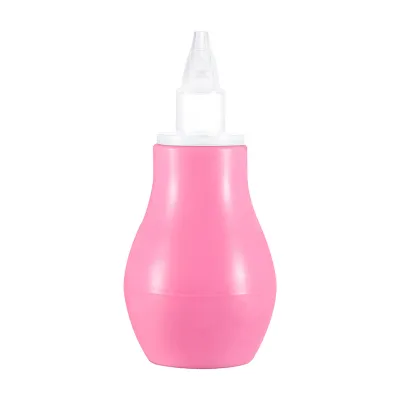
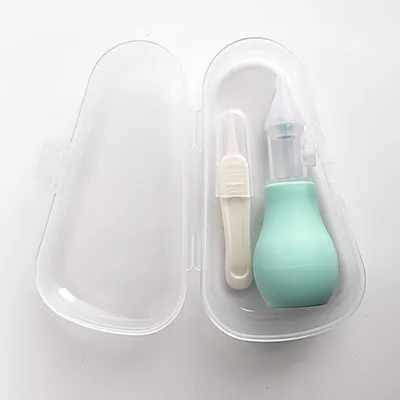
To narrow down your options, understand the mechanical differences and operational trade-offs of the primary nasal suction devices available today. The traditional bulb syringe is a simple, low-cost tool often provided in newborn care kits. You squeeze the bulb to expel air, gently insert the tip, and release it to draw out mucus. While highly accessible, bulb syringes have notable drawbacks. Their opaque design makes it impossible to see inside, raising concerns about hidden mold growth. Additionally, controlling the suction pressure is entirely manual and can be inconsistent, potentially causing discomfort if squeezed too forcefully.
Products mentioned in this guide
Prices are valid at publication and may change. Please refer to the product page for the latest price.
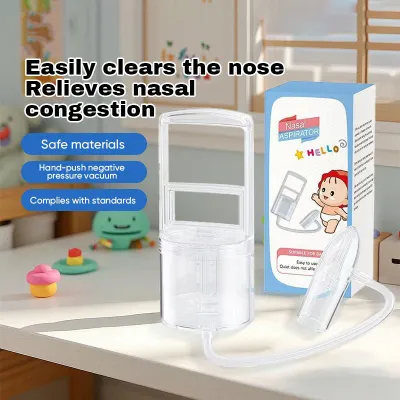
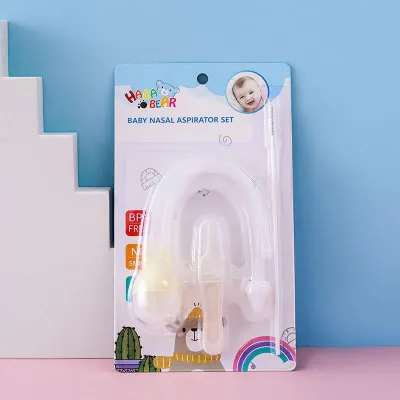
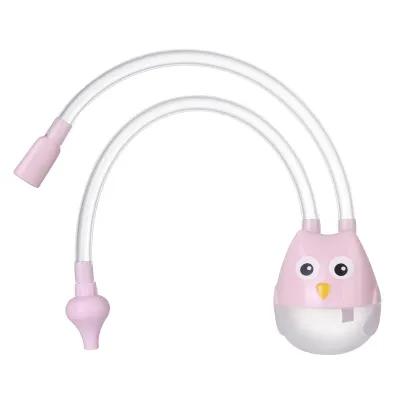
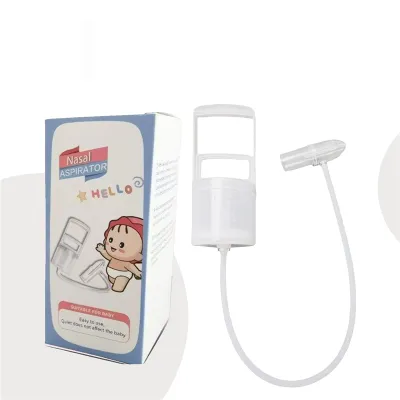
Mouth-suction, or siphon, tubes offer a highly effective alternative that gives caregivers precise control over the suction force. These devices consist of a flexible tube with a mouthpiece on one end and a soft silicone tip on the other, separated by a collection chamber. When you gently suck on the mouthpiece, you create a vacuum that draws mucus into the chamber. A physical filter barrier prevents mucus or bacteria from traveling up the tube into your mouth. This design is highly favored because you can instantly adjust the suction strength based on your child’s comfort. However, it does require close physical contact, which some caregivers may find challenging.
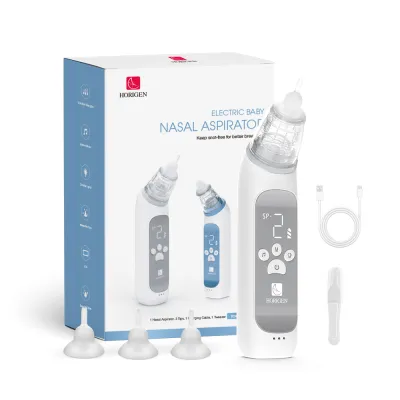
Battery-powered or electric aspirators provide consistent, motorized suction at the press of a button, offering a hands-free approach to clearing nasal passages. These devices use a small motor to generate continuous vacuum pressure, allowing you to use one hand to stabilize your child’s head while the other guides the device. When evaluating electric models, check the noise levels, as some motors produce a humming sound that can startle a sensitive infant. Additionally, electric models introduce battery dependencies, requiring regular replacements or recharging. Suction strength can vary, so verify the manufacturer’s specifications to ensure the device offers adjustable settings suitable for your child’s age.
Key Safety and Design Features to Evaluate
When browsing online marketplaces or local baby stores, evaluating specific design elements on the product packaging is essential to prevent tissue injury and ensure effective mucus removal. The tip design is the most critical safety feature, as it is the only part that directly contacts your child’s delicate nasal lining. Look for nozzles made from soft, flexible, medical-grade silicone rather than rigid plastic. It is highly beneficial to verify if the package includes multiple tip sizes and shapes. Narrow, tapered tips are designed to fit gently inside a newborn’s tiny nostrils, while wider, blunt tips are ideal for older toddlers because they prevent the nozzle from being inserted too deeply into the nasal cavity.

Suction control is another vital safety feature to inspect before making a purchase. Excessive vacuum pressure can easily irritate or damage fragile nasal membranes, leading to swelling or minor bleeding. For electric aspirators, look for models that feature adjustable suction settings, allowing you to start at the lowest level and increase pressure only as needed. For manual devices, such as mouth-suction tubes, ensure there is a physical limit or a safety valve designed to prevent sudden pressure spikes. Checking the product manual or packaging for clear indications of suction limits can help you avoid accidental over-suctioning.
Hygiene barriers are a non-negotiable feature for manual siphon aspirators to prevent cross-contamination between caregiver and child. Ensure the device utilizes replaceable foam filters or a secure, built-in physical barrier that blocks airflow from carrying microscopic particles. When evaluating these models, check the availability and cost of replacement filters, as using a compromised or saturated filter can expose you to pathogens. A reliable hygiene barrier ensures that the process remains sanitary for both you and your child, especially during peak cold and flu seasons.
Material safety certifications must be verified on the product label to protect your child from harmful chemicals. Look for explicit labels indicating that all plastic and silicone components are BPA-free, phthalate-free, and latex-free. Because these devices are frequently washed, sterilized, and placed in direct contact with mucous membranes, high-quality, non-toxic materials are essential. Avoid products that lack clear material disclosures or those made from cheap, rigid plastics that can crack easily, creating sharp edges or hard-to-clean crevices where bacteria can multiply.
Matching the Device to Your Child's Age and Comfort
Selecting the right nasal suction device requires matching the category to your child’s developmental stage and their unique sensitivity to noise or physical restraint. Newborns and young infants have incredibly narrow nasal passages and highly sensitive nervous systems. For this age group, prioritize devices that offer ultra-soft, small-diameter tips and exceptionally gentle suction. If you are considering an electric model for a newborn, verify that it operates quietly, as loud motor vibrations can easily startle or distress a sleeping baby. Many parents find that manual siphon tubes are ideal for newborns because they allow for the gentlest, most controlled pull, minimizing irritation to the infant’s delicate airways.
As children transition into older babies and toddlers, they become more physically active and are highly likely to resist nasal suctioning. At this stage, speed and efficiency are paramount. Electric aspirators are often highly effective for toddlers because they can clear mucus in a matter of seconds, reducing the time you need to hold a wiggling child still. Some toddler-friendly electric models even feature built-in light displays or play gentle melodies to distract the child during the process. When choosing a device for an older child, look for durable designs that can withstand being dropped or handled roughly during a challenging cleaning session.
Caregiver ergonomics and ease of use should also play a significant role in your decision. Congestion episodes often peak in the middle of the night, when you are tired and operating in low light. A device that requires complex assembly, precise finger placement, or two hands to operate can be incredibly frustrating to manage while trying to soothe a crying baby. Evaluate the physical effort required for each device—such as the hand strength needed to squeeze a stiff bulb repeatedly or the lung capacity required for a siphon tube. Choosing a device that feels comfortable and intuitive in your hands will make these stressful moments much more manageable.
Cleaning, Maintenance, and Replacement Criteria
Maintaining strict hygiene is critical when using nasal suction devices, as residual mucus can quickly become a breeding ground for bacteria and mold, particularly in the warm, humid climate of the Philippines. When evaluating a device, ensure that it can be fully disassembled into individual, open components. Avoid models with sealed chambers, narrow internal bends, or long, non-detachable tubes that cannot be reached with a small cleaning brush. The ability to separate every part that comes into contact with mucus is the first line of defense against contamination.
Before purchasing, check the manufacturer’s labels to verify the approved sterilization methods for each component. High-quality silicone tips and plastic collection chambers should ideally be compatible with boiling water, steam sterilizers, or top-rack dishwasher cycles. Some electric components, however, cannot be submerged in water and must be wiped down with a damp cloth or sanitized using specific disinfectant wipes. Understanding these requirements beforehand ensures you do not accidentally damage the device during cleaning or expose your child to chemical residues from improper washing.
Ongoing maintenance costs are an important factor to consider when browsing online marketplaces or local pharmacies. Look up the availability and price of replacement parts, such as hygiene filters or extra silicone tips, in Philippine Pesos (₱). For example, verify if a pack of replacement filters fits your budget, as these typically need to be replaced after every few uses to maintain sanitary airflow. Choosing a device with widely available and affordable replacement parts prevents the temptation to reuse dirty filters, which can compromise both the device’s performance and your child’s health.
Regularly inspect all parts of the aspirator under bright light for signs of mold, wear, or physical degradation. Silicone tips can lose their flexibility, tear, or become cloudy after repeated sterilization cycles, while plastic parts may develop hairline cracks. In humid environments, black mold spots can quickly form inside damp tubing or bulb syringes if they are not dried completely after washing. If you observe any discoloration, persistent odors, or structural damage, stop using the device immediately and replace the worn parts or the entire unit to ensure your child’s safety.
Safe Usage Limits and When to Seek Medical Care
While nasal suctioning is an excellent way to relieve congestion, it must be practiced within safe limits to avoid irritating your child’s delicate nasal passages. Over-suctioning can cause the nasal lining to swell, which actually increases mucus production and worsens the congestion. Limit suctioning to a few times a day, ideally before feeding times and bedtime, to help your child eat and sleep more comfortably. Always consult your pediatrician or refer to professional pediatric guidelines to establish a safe daily limit tailored to your child’s age and health status.
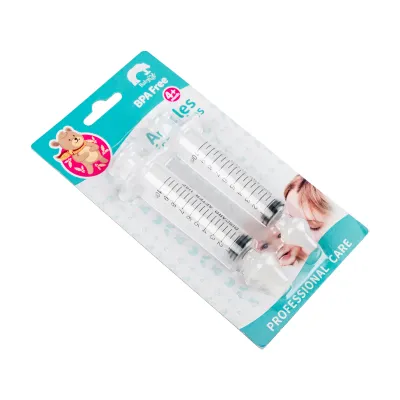
To make the process gentler and more effective, always use a sterile saline solution to loosen dry or thick mucus before suctioning. Administering a few drops of infant-safe saline spray or drops into each nostril helps lubricate the nasal passages and break down stubborn blockages, allowing the aspirator to draw out the mucus with minimal suction force. Always follow the product instructions or your pediatrician’s specific advice regarding the correct application, dosage, and waiting time before you begin suctioning.
It is vital to remember that home nasal suctioning is a temporary comfort measure and not a treatment for underlying medical conditions. You must stop using the device and seek immediate professional medical care if your child shows any warning signs of respiratory distress, such as rapid breathing, flaring nostrils, grunting, or chest retractions (where the skin pulls in around the ribs). Additionally, consult a doctor if your child experiences persistent nasal bleeding, a high or prolonged fever, extreme lethargy, or if the congestion does not improve after several days of careful home care.
Frequently Asked Questions (FAQ)
Can I use a nasal aspirator every day?
Yes, you can use a nasal aspirator daily during active congestion episodes, but you must limit the frequency to prevent irritating your child’s delicate nasal lining. Excessive suctioning can cause inflammation, swelling, and minor bleeding, which can ultimately make the congestion worse. It is best to use the device only when mucus actively interferes with your child’s ability to feed, breathe comfortably, or sleep. Always consult your pediatrician to establish a safe daily limit and to ensure you are using the correct technique for your child’s developmental stage.
Are electric nasal aspirators safe for newborns?
Electric nasal aspirators can be safe for newborns, but you must verify the manufacturer’s age, weight, and safety specifications on the product packaging before use. Because newborns have extremely narrow nasal passages and sensitive nervous systems, always select the lowest suction setting and use a soft silicone tip specifically sized for infants. Monitor your baby’s reaction closely during use, and stop immediately if they show signs of distress or if the motor’s noise and vibration startle them.
How do I know if the suction is too strong?
You can determine if the suction is too strong by observing your child’s physical reactions and inspecting their nasal passages. Signs of excessive vacuum pressure include intense crying, vigorous pulling away, redness around the nostrils, or minor bleeding. To ensure safety, always test the suction strength of the device on your own inner wrist before applying it to your child. Start with the lowest setting on electric models, and adjust the pressure gradually based on your child’s comfort and the thickness of the mucus.
Community discussion
Share your experience or ask a question. Comments are reviewed before publication.