
Selecting the right skincare product for your little one requires a careful understanding of their unique skin profile and the environmental factors surrounding them. A baby’s skin is significantly thinner and more delicate than adult skin, making it highly susceptible to moisture loss, irritation, and environmental triggers. When searching for the ideal mustella baby cream, parents often find themselves navigating a wide array of formulations designed for different skin conditions. Choosing the correct variant involves matching your baby’s current skin state—whether it is normal, dry, or highly sensitive and eczema-prone—with the specific properties of each cream. By focusing on observable skin characteristics and understanding how local climate conditions affect the skin barrier, you can make an informed decision that keeps your baby’s skin comfortable, hydrated, and well-protected.
Understanding Your Baby's Skin Needs
To select the most effective skincare product, you must first identify your baby’s specific skin type through careful observation. Normal baby skin typically appears smooth, even, and well-hydrated, with no obvious signs of flaking, redness, or rough patches. However, even normal skin requires regular maintenance to preserve its natural barrier function against external irritants. Dry baby skin, on the other hand, often presents with visible rough patches, fine flaking, or a slightly tight texture, especially after bathing. If your baby has highly sensitive or eczema-prone skin, you may notice persistent dry patches, intense redness, rough scaling, and signs of discomfort or itching, which often lead to scratching and further barrier damage.
Environmental factors play a significant role in how your baby’s skin behaves, particularly in tropical climates like the Philippines. The high outdoor humidity can cause babies to sweat frequently, which sometimes leads to heat rashes or localized irritation in skin folds. Conversely, spending extended periods in air-conditioned indoor spaces can rapidly strip moisture from the skin, accelerating dryness and making even normal skin feel rough or tight. Frequent transitions between hot, humid outdoor air and cool, dry indoor air can stress the infant skin barrier, making it crucial to adjust your hydration strategy based on your daily routine and environment.
Products mentioned in this guide
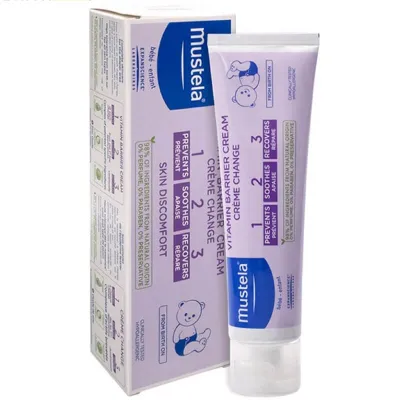
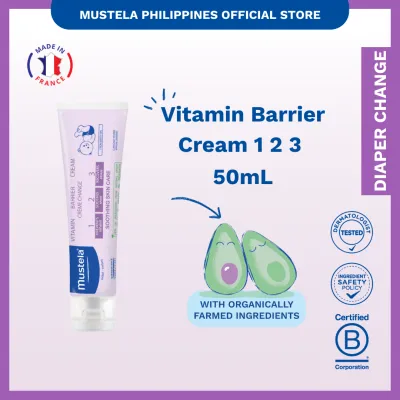
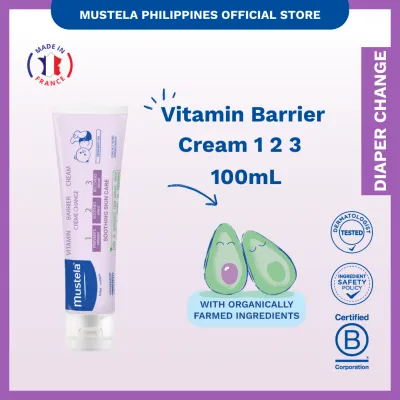
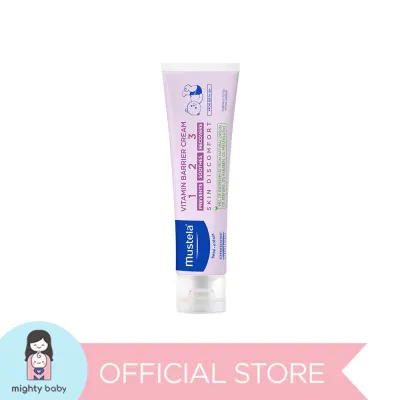
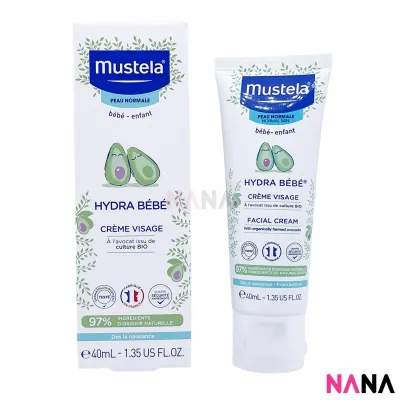
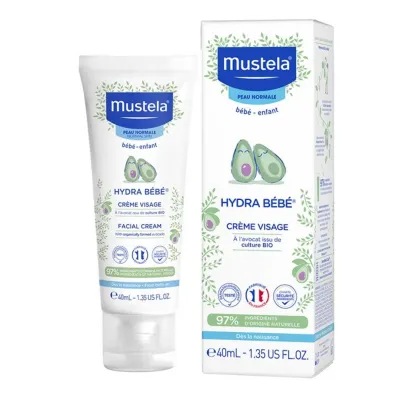
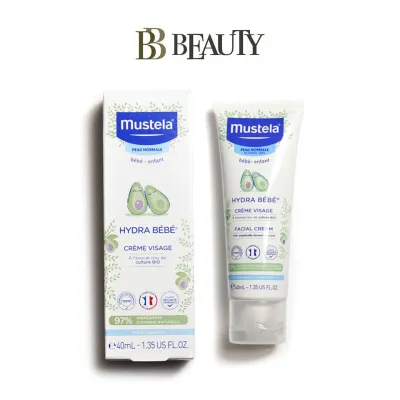
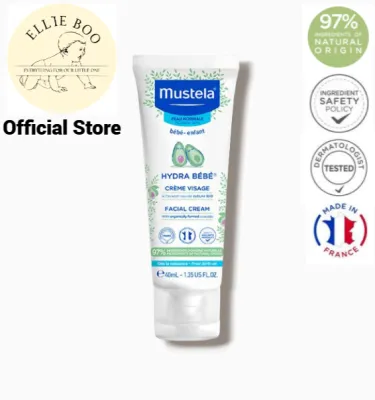
Prices are valid at publication and may change. Please refer to the product page for the latest price.
While a well-chosen baby cream can do wonders for daily maintenance and mild dryness, it is vital to recognize when a skincare routine is no longer sufficient. If your baby’s skin exhibits persistent redness, deep cracking, oozing, bleeding, or signs of localized warmth and swelling, these are clear indicators of a more serious condition or potential infection. In such cases, attempting to resolve the issue by simply switching commercial creams is insufficient. You should immediately stop applying any new products and seek a professional evaluation from a pediatrician or pediatric dermatologist to obtain an accurate diagnosis and appropriate medical treatment.
Matching Mustela Cream Variants to Skin Types
Mustela addresses infant skincare by segmenting its product lines according to specific skin needs rather than offering a single, universal formula. This targeted approach allows parents to choose a cream that directly addresses their baby’s current skin barrier condition, whether they require light daily hydration, deep nourishment, or intensive barrier repair. By categorizing their creams into distinct ranges, the brand helps simplify the selection process, ensuring that delicate skin receives the precise level of emollient and humectant support it needs without unnecessary exposure to heavy or irritating ingredients.

When selecting a variant, it is essential to verify the specific product names, packaging details, and local availability. Skincare brands frequently update their packaging designs, ingredient formulations, and product lines to align with updated safety standards or manufacturing processes. To ensure you are purchasing the correct and most current version of a cream, always check the labels carefully. You can find these products in authorized physical pharmacies, major retail chains, or official brand stores on reputable e-commerce platforms, which helps guarantee that you are receiving genuine formulations tailored to your baby’s specific skin category.
Formulas for Normal Skin
For babies with normal skin, the primary goal of a daily cream is to maintain the existing skin barrier and prevent moisture loss without overloading the skin. Daily hydration creams, such as those in Mustela’s standard baby line, are formulated with lightweight textures that absorb quickly into the skin. This rapid absorption is particularly beneficial in tropical climates, where heavy or greasy creams can trap sweat and heat, potentially leading to clogged pores, discomfort, or heat rash. A lightweight daily cream provides a comfortable, breathable layer of hydration that supports the skin’s natural resilience.
When reviewing a daily maintenance cream, always check the product label for specific usage instructions, daily frequency recommendations, and age appropriateness. Many daily formulas are designed to be safe for use from birth, but it is always wise to confirm this on the packaging, especially if you are caring for a newborn. The label will typically guide you on how many times a day the cream can be safely applied, helping you establish a consistent routine that keeps the skin soft and balanced throughout the day.
Monitoring your baby’s skin after application will help you determine if the daily cream is performing effectively. If the skin remains soft, smooth, and free of dry patches or irritation, the lightweight formula is successfully maintaining the skin barrier. However, if you begin to notice localized rough spots, flaking, or tightness—especially during cooler seasons or periods of frequent air-conditioner use—it may be an indication that your baby’s skin needs a richer, more emollient formula to cope with the increased moisture loss.
Formulas for Dry Skin
Babies with dry skin require a cream that offers deeper nourishment and stronger barrier support than standard daily lotions. Dry skin formulas, such as those containing cold cream, feature a significantly richer and thicker texture. These creams are specifically designed to address visible flaking, rough patches, and the tight sensation associated with lipid depletion. By providing a more substantial emollient layer, these formulas help restore the skin’s natural lipid balance and protect it from environmental drying agents.
When selecting a cream for dry skin, examine the ingredient label for key moisturizing compounds and occlusive agents. Look for ingredients known to lock in moisture, such as plant-based oils, beeswax, or ceramides, which work together to create a protective barrier on the skin’s surface. These ingredients help prevent transepidermal water loss by sealing in moisture while softening the rough, outer layers of the skin. Checking the label ensures you select a product rich in these protective lipids rather than a lighter, water-based lotion that may evaporate too quickly to benefit dry skin.
To maximize the benefits of a rich dry-skin cream, pay close attention to the timing of application. The optimal time to apply these formulas is immediately after a lukewarm bath, while the baby’s skin is still slightly damp. Gently pat the skin with a soft towel, leaving a hint of moisture on the surface, and immediately apply the cream. This practice helps trap the water from the bath within the skin layers, allowing the occlusive agents in the cream to seal in the hydration and provide long-lasting relief from dryness.
Formulas for Very Dry or Eczema-Prone Skin
For infants experiencing extreme dryness, persistent rough patches, or eczema-prone skin, standard moisturizing creams are often insufficient. Specialized emollient lines, such as Mustela’s Stelatopia range, are specifically formulated to soothe highly sensitive skin and support the repair of a compromised skin barrier. These products focus on replenishing essential lipids and calming the intense discomfort, redness, and itching that often accompany severe dryness, helping to break the itch-scratch cycle that can lead to further skin damage.
Before introducing a specialized emollient cream to your baby’s routine, it is critical to read all manufacturer warnings, ingredient lists, and age restrictions printed on the packaging. Some specialized formulas may have specific guidelines regarding application areas, frequency, or age limits. Carefully reviewing the ingredient list is also essential to ensure the product does not contain any specific components that your baby’s pediatrician has advised you to avoid, ensuring a safe and targeted approach to managing highly sensitive skin.
It is vital for caregivers to understand the clear boundary between daily barrier support and medical treatment. While specialized emollient creams are highly effective at managing daily symptoms, soothing dryness, and supporting skin barrier recovery, they are not medical treatments. They cannot cure or replace prescribed therapies for active eczema flare-ups, severe inflammation, or secondary skin infections. If your baby’s skin is highly inflamed, weeping, or showing signs of infection, you must consult a qualified healthcare professional for appropriate medical treatments, such as prescribed topical ointments, alongside your supportive skincare routine.
How to Verify Product Authenticity and Read Labels
Ensuring the safety of your baby’s skincare routine starts with verifying the authenticity of the products you purchase. Counterfeit or improperly stored skincare products can contain harmful contaminants, incorrect ingredient concentrations, or spoiled formulations that can cause severe skin irritation or allergic reactions. When purchasing a baby cream, always inspect the physical packaging for clear batch numbers, legible expiration dates, and intact safety seals. A missing seal, smudged print, or mismatched batch codes on the box and tube are immediate red flags that indicate the product may not be genuine or safe to use.
To minimize the risk of purchasing counterfeit goods, always source your baby products from authorized pharmacies, established physical retail chains, or official flagship stores on reputable e-commerce platforms. Authorized sellers maintain strict supply chain controls and proper storage conditions, ensuring that the products remain stable and effective from the manufacturer to your home. Avoid purchasing from unauthorized third-party sellers or unverified online listings, even if they offer significant discounts, as the safety and authenticity of these products cannot be guaranteed.
In addition to verifying authenticity, learning to read and interpret the ingredient list is crucial for protecting your baby’s skin. Do not rely solely on front-label marketing claims such as “hypoallergenic” or “natural,” as these terms can sometimes be broad. Instead, turn the package over and cross-reference the full ingredient list with any known allergens, fragrances, or specific irritants that your baby may be sensitive to. For babies with highly sensitive or eczema-prone skin, choosing fragrance-free formulas with minimal, clean ingredient lists is often the safest approach to preventing contact dermatitis and unexpected flare-ups.
Safe Application Practices and When to See a Doctor
Even when you have selected a cream formulated for your baby’s specific skin type, introducing a new product requires a cautious and systematic approach. Before applying any new cream to your baby’s entire body, you should always perform a localized patch test. Apply a small, pea-sized amount of the product to a clean, clear area of your baby’s skin, such as the inner forearm or behind the ear. Monitor this specific area closely for 24 hours, looking for any signs of redness, swelling, tiny bumps, or irritation. If the skin remains clear and calm after 24 hours, you can proceed with applying the product to larger areas of the body as directed.
Proper storage of your baby’s skincare products is essential for maintaining their stability and preventing bacterial contamination, especially in warm and humid tropical environments. Store all creams in a cool, dry place away from direct sunlight, excess heat, and high humidity. Avoid leaving product tubes in damp bathrooms or exposed to direct sun in vehicles. Always ensure the cap is tightly closed immediately after use, and avoid touching the opening of the tube directly with unwashed hands to prevent introducing bacteria into the formula, which could spoil the cream and irritate your baby’s skin.
As a caregiver, you must remain vigilant for any adverse reactions during the use of any skincare product. If you observe signs of an allergic reaction, contact dermatitis, or a sudden worsening of your baby’s skin condition—such as hives, spreading redness, swelling, intense itching, or a burning sensation—stop using the product immediately. Wash the area gently with lukewarm water to remove any remaining cream. If the reaction is severe, spreads rapidly, or does not improve after stopping the product, seek immediate medical attention from a pediatrician or qualified healthcare professional.
Frequently Asked Questions (FAQ)
Can I use Mustela baby cream on my newborn from day one?
You should always check the specific product label for age recommendations, as some formulations are specifically cleared for use from birth, while others may be intended for older infants. A newborn’s skin barrier is highly permeable and still developing, making it exceptionally sensitive to external substances. Before applying any commercial skincare product, including creams and lotions, to a newborn, it is highly recommended to consult your pediatrician. They can provide personalized guidance based on your newborn’s gestational age and immediate skin condition to ensure safe application.
How often should I apply the cream during the dry or highly air-conditioned seasons?
Air conditioning and dry seasonal weather can significantly accelerate transepidermal water loss, stripping essential moisture from your baby’s delicate skin. During these times, you should monitor your baby’s skin closely for signs of tightness, dryness, or rough patches. If you notice these changes, you can increase the frequency of application, provided you stay within the manufacturer’s maximum daily usage guidelines printed on the product label. Applying a thin layer of cream before bedtime or before entering air-conditioned spaces can help provide a protective barrier against dry air.
What is the practical difference between Mustela lotion and cream for daily use?
The primary difference between a baby lotion and a baby cream lies in their water-to-oil ratios and resulting textures. Lotions have a higher water content, making them lighter, more fluid, and quicker to absorb, which is ideal for daily hydration in hot, humid tropical weather where a heavy residue is undesirable. Creams have a higher oil-to-water ratio, resulting in a thicker, richer texture that provides a more substantial, long-lasting protective barrier. Choose a lotion for quick, lightweight daytime hydration, and opt for a cream when your baby needs deeper nourishment or prolonged protection in dry, air-conditioned environments.

Community discussion
Share your experience or ask a question. Comments are reviewed before publication.