
When you step out of the house with a baby, you are essentially carrying a miniature, mobile version of your home nursery. Whether you are navigating the bustling, humid streets of Manila, spending a weekend afternoon in a crowded shopping mall, or traveling to the provinces, having a reliable way to transport your baby’s essentials is absolutely critical. This is where a dedicated mommy bag—specifically designed to handle the unique demands of parenting—becomes an indispensable tool rather than a mere fashion accessory.
Choosing the right mommy bag requires looking beyond aesthetics to evaluate how well the bag performs under real-world parenting conditions. A functional mommy bag must strike a balance between ample storage capacity, intuitive organization, physical comfort, and durable, climate-appropriate materials. By prioritizing features that address your daily routine and the specific climate of your environment, you can find a bag that makes outings smoother, safer, and far less stressful.
Quick Answer: Must-Have Features in a Mommy Bag
When you are in a hurry to find the perfect mommy bag, focusing on a few non-negotiable features can help you narrow down your options quickly. A truly functional bag should offer:
Products mentioned in this guide
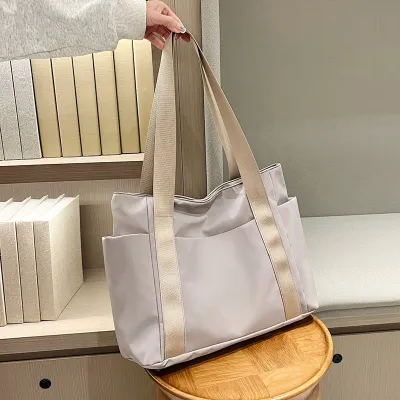
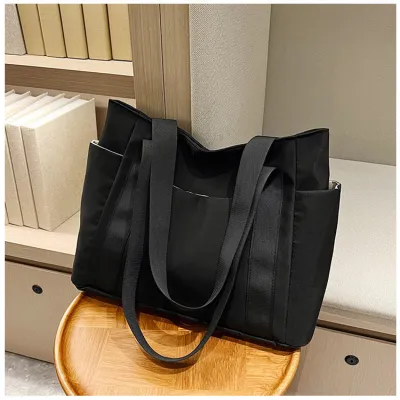
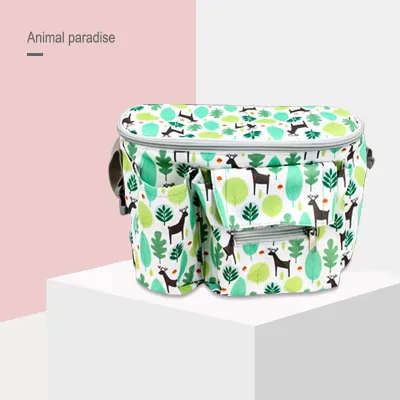
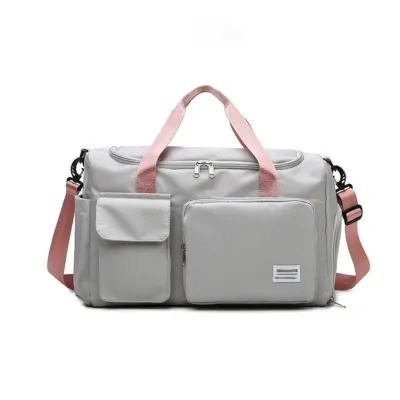
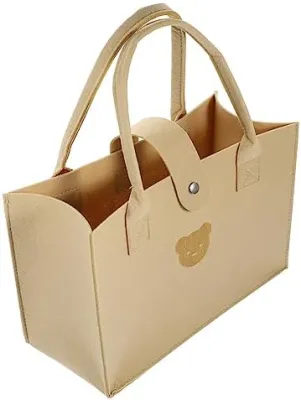
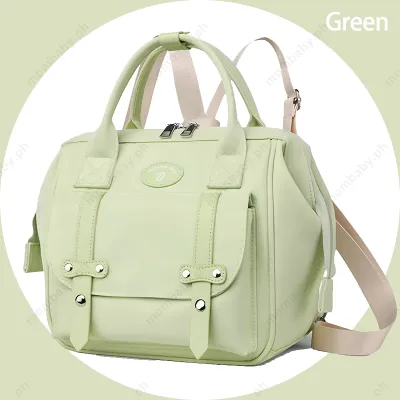
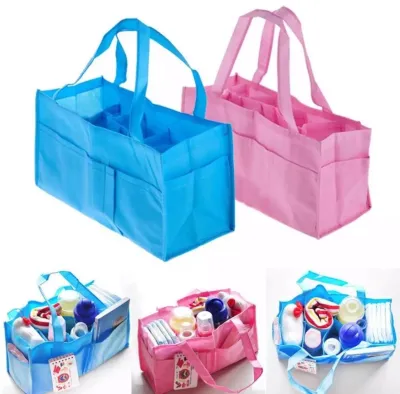
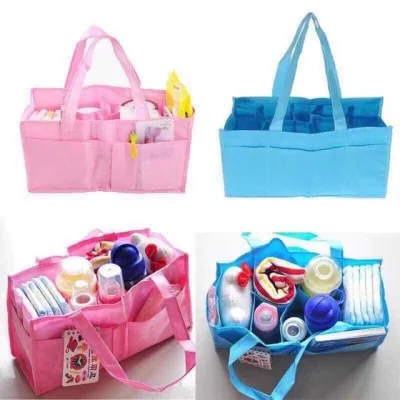
Prices are valid at publication and may change. Please refer to the product page for the latest price.
- Insulated Bottle Pockets: These help maintain the temperature of milk, formula, or water, which is especially important in warm, tropical climates where liquids can spoil quickly.
- Wipeable and Leak-Proof Interior Lining: This ensures that accidental spills, leaked formula, or damp clothes can be cleaned up quickly with a simple wipe, preventing stains and persistent odors.
- Dedicated Parent Compartments: Secure, easily accessible pockets for your personal items, such as your smartphone, keys, wallet, and hand sanitizer, keep your valuables separate from baby gear.
- Comfortable, Adjustable Straps: Wide, padded shoulder straps or ergonomic backpack harnesses help distribute the weight of a fully loaded bag, reducing physical strain during long outings.
- Stroller Compatibility: Integrated stroller clips or universal straps allow you to hang the bag securely from your stroller, freeing up your hands and shoulders.
- Lightweight Empty Weight: A bag that is lightweight before you even begin packing ensures that the overall load remains manageable once filled with heavy baby essentials.
Capacity and Organization: Designing the Perfect Layout
A large mommy bag with a single, open compartment often becomes a chaotic “black hole” where small items like pacifiers, diaper creams, and keys easily disappear. When your baby is crying and needs an immediate diaper change in a public restroom, scrambling to find a clean wipe or a fresh diaper can be incredibly stressful. This is why structured organization and intuitive pocket layouts are far more important than sheer volume alone.

A well-designed mommy bag should feature a variety of specialized pockets that allow you to assign a dedicated home to every item. Insulated bottle holders are critical; when evaluating these, always check the manufacturer’s specifications for temperature retention limits to ensure they can keep bottles cool or warm for the duration of your typical outings. Look for side pockets designed specifically for wet wipes, ideally featuring a zippered or magnetic slit that allows you to pull out a single wipe with one hand without opening the main compartment.
Secure parent pockets are another essential organizational element. These compartments should be located in an easy-to-reach but secure area, such as a zippered pocket on the back panel of a backpack or a high-set interior pocket. This keeps your personal items separate from baby gear, ensuring you do not accidentally pull out your wallet or keys while searching for a diaper.
Matching Capacity to Your Baby's Stage
Your storage needs will shift dramatically as your baby grows, and the ideal bag capacity should reflect these developmental changes. During the newborn stage, you will need to carry a heavy, comprehensive set of gear, including multiple changes of clothes, swaddling blankets, formula or breast milk supplies, nursing covers, numerous diapers, wipes, and a portable changing pad. A larger, highly structured bag is often necessary to accommodate these bulky essentials without becoming a disorganized mess.
As your baby transitions into the toddler stage, your packing list will naturally become lighter and more streamlined. You will likely swap out multiple bottles and heavy formula containers for small snack cups, a sippy cup, a single spare outfit, a few diapers, and a couple of small toys to keep them entertained. For this stage, a smaller, more compact bag or a lightweight backpack is often preferred to prevent you from carrying unnecessary bulk. Choosing a bag with adjustable compression straps or a flexible structure can help you adapt the same bag to these changing needs over time.
Comfort and Ergonomics: Carrying Heavy Loads Safely
A fully packed mommy bag can easily weigh several kilograms, making comfort and ergonomics primary considerations for any parent. Carrying a heavy, poorly designed bag for extended periods can lead to shoulder fatigue, neck strain, and lower back pain. When shopping for a bag, pay close attention to the design of the straps and the overall weight distribution.
For backpack-style bags, look for wide, contoured shoulder straps with thick padding that help distribute the weight evenly across both shoulders and your upper back. Breathable mesh back panels are also highly beneficial, particularly in hot and humid climates, as they promote airflow and reduce sweat buildup. If you prefer a tote or shoulder bag, ensure the straps are wide enough to prevent them from digging into your shoulder, and look for slip-resistant materials that keep the bag from sliding off while you are holding your baby.
The “empty weight” of the bag is another critical factor that is often overlooked. Heavy materials like thick canvas, heavy faux leather, and excessive metal hardware can make a bag weigh over 1.5 kilograms before you even place a single item inside. Opt for lightweight but durable materials like high-density nylon or polyester, which typically keep the empty weight of the bag under 1 kilogram, leaving more of your carrying capacity for actual baby essentials.
Stroller attachment systems offer an excellent way to relieve physical strain during long walks. Many mommy bags come with built-in stroller clips or separate universal stroller straps that allow you to hang the bag directly from the stroller’s handlebars. However, this convenience comes with important safety considerations.
Safety Boundary: Always check your stroller manufacturer’s guidelines regarding hanging bags on the handlebars. Lightweight strollers, in particular, can easily tip backward if a heavy bag is hung from the handles, posing a severe safety hazard to your baby. To prevent tipping, avoid overloading your mommy bag, and always remove the bag from the handlebars before lifting your baby out of the stroller. When possible, store heavier items in the lower storage basket of the stroller to maintain a low center of gravity and ensure stability.
Materials and Durability: Withstanding Spills and Humid Climates
The climate of the Philippines—characterized by high humidity, intense tropical heat, and sudden, heavy downpours—demands materials that are both durable and easy to maintain. A bag made from delicate or non-breathable fabrics can quickly become a breeding ground for mold, mildew, and unpleasant odors, especially when exposed to spilled milk or damp baby clothes.
Exterior Fabrics: Look for high-quality synthetic fabrics such as water-resistant nylon or polyester. These materials are lightweight, highly durable, and resistant to tearing. It is important to check the product labels for specific water-repellent or water-resistant claims rather than assuming all synthetic fabrics are waterproof. Treated canvas can also be a durable option, but it tends to be heavier and takes significantly longer to dry if it gets wet during a sudden tropical rainstorm.
Interior Linings: The interior lining of your mommy bag should be light-colored, such as light gray, beige, or pastel shades. A light lining reflects light, making it much easier to spot small items like pacifiers, safety pins, or small toys at the bottom of the bag. Ensure the lining is made from a leak-proof, wipe-clean material like polyester or TPU. Some manufacturers offer linings treated with antimicrobial coatings to help prevent the growth of odor-causing bacteria, which is a valuable feature to verify if you live in a highly humid environment.
Hardware and Stitching: High humidity and exposure to moisture can cause cheap metal zippers, snaps, and clasps to rust or corrode over time, leading to hardware failure. Look for rust-resistant hardware made from materials like brass, anodized aluminum, or high-quality molded plastic. Additionally, inspect the stitching at high-stress areas, such as where the shoulder straps and stroller clips attach to the main body of the bag. Reinforced double-stitching or metal rivets at these points are essential for ensuring the bag can handle heavy loads without tearing.
Always verify the care labels on the bag before purchasing or attempting to clean it. Some bags are machine washable, while others require spot cleaning with a damp cloth and mild detergent. Following the manufacturer’s specific care instructions is crucial for maintaining the bag’s structural integrity, water-resistant coatings, and overall hygiene.
Comparing Mommy Bag Styles: Backpack, Tote, or Messenger?
Mommy bags come in several distinct styles, each offering unique advantages and trade-offs depending on your lifestyle, physical comfort, and daily activities. Understanding how these styles compare can help you select the most practical option for your family.
| Style | Best Use Case | Weight Distribution | Accessibility | Capacity | Stroller Compatibility |
|---|---|---|---|---|---|
| Backpack | Long day trips, travel, and active outings | Excellent (distributed evenly across both shoulders) | Moderate (must remove bag to access main compartment) | High | Excellent (via stroller straps) |
| Tote Bag | Quick errands, car trips, and casual outings | Poor (concentrated on a single shoulder) | High (easy top-down access while carrying) | High to Moderate | Good (often requires separate straps) |
| Messenger / Crossbody | Minimalist outings, short walks, and toddler stages | Moderate (diagonal across the body) | High (easy to swing forward for quick access) | Low to Moderate | Moderate (can slide or swing if not secured) |
Mommy Bag Backpacks
Backpack-style mommy bags have become incredibly popular for good reason: they offer unmatched hands-free convenience. This allows you to push a stroller, hold your toddler’s hand, or carry your baby in a carrier without worrying about your bag sliding off your shoulder. The dual-strap design distributes the weight of your gear evenly across both shoulders and your back, significantly reducing physical fatigue during long day trips or travel. The primary drawback of a backpack is accessibility; you typically need to take the bag off your back to access the main compartment, though many modern designs include convenient side zippers or back panels for quick access.
Tote and Shoulder Bags
Tote and shoulder bags offer a classic, stylish look that often resembles a fashionable handbag, making them a popular choice for parents who want a bag that transitions easily from parenting duties to professional or social settings. These bags excel in accessibility, allowing you to reach in and grab items quickly from the top-down opening while the bag is still on your shoulder. They are highly convenient for quick errands, car trips, or short outings. However, carrying a heavily loaded tote bag on one shoulder for extended periods can cause muscle strain and posture imbalance, and the straps can easily slip off your shoulder when you are actively lifting or carrying your baby.
Messenger and Crossbody Bags
Messenger and crossbody bags are designed for minimalists and parents of older toddlers who no longer require a massive amount of gear. These bags feature a single strap worn diagonally across the body, keeping the bag secure and resting against your hip or back. They offer excellent accessibility, as you can easily swing the bag forward to unzip it and grab items on the go. While they are lightweight and highly mobile, their limited capacity makes them less suitable for full-day outings, newborn care, or families with multiple young children who require a larger volume of supplies.
Smart Extras and Safety Boundaries to Consider
Beyond the core features of capacity, comfort, and materials, many modern mommy bags offer smart extra features designed to enhance convenience during your daily outings. However, it is important to understand the practical limits and safety boundaries associated with these additions.
Tech Integration: Some mommy bags feature built-in USB charging ports on the exterior, allowing you to charge your smartphone or other devices on the go. It is crucial to understand that these are pass-through ports only; they do not contain built-in batteries or power sources. To use this feature, you must supply your own compatible power bank and charging cable, placing the power bank inside the bag and connecting it to the internal cable.
Travel and Security: If you travel frequently, look for a bag with a built-in luggage sleeve (or trolley sleeve) on the back panel, which allows you to slide the bag securely over the telescoping handle of your rolling suitcase. Hidden anti-theft pockets located on the back panel of backpacks are also excellent for keeping your passport, boarding passes, cash, and smartphone safe from pickpockets in crowded transit hubs. Integrated key leashes are another simple but highly effective feature, preventing you from having to dig through your bag to find your house or car keys.
Safety Boundaries: When selecting a mommy bag, always prioritize your baby’s safety. Avoid bags with small, easily detachable decorative charms, tassels, or loose plastic buttons that could pose a choking hazard if your baby pulls them off and puts them in their mouth. Additionally, always verify the manufacturer’s stated maximum weight capacity for both the bag and its straps. Overloading the bag beyond its recommended limit can cause the seams to tear, the straps to snap, or the hardware to fail, potentially dropping your belongings or damaging the bag.
Frequently Asked Questions (FAQ)
Can I use a regular backpack instead of a specific mommy bag?
Yes, you can certainly use a regular backpack to carry baby gear, but it may lack the specialized features that make outings with a baby much easier. Regular backpacks typically do not have insulated bottle pockets to keep milk at safe temperatures, nor do they feature wipe-clean, leak-proof interior linings to handle spills. They also tend to lack dedicated, easy-access pockets for baby wipes and diaper changing pads. If you choose to use a regular backpack, consider using separate packing cubes or organizer inserts to help keep your items structured and accessible, and ensure the fabric is easy to clean.
How do I clean and maintain a mommy bag to prevent mold in humid weather?
To prevent mold, mildew, and unpleasant odors in humid climates, it is essential to establish a regular cleaning routine. Empty the bag completely at least once a week, discarding any used wipes, snack crumbs, or damp items. Wipe down both the interior and exterior of the bag with a soft cloth dampened with a mild soap and warm water solution. Once wiped down, leave the bag fully unzipped and open to air-dry in a well-ventilated indoor area away from direct sunlight, which can fade or damage certain fabrics. Always check the manufacturer’s care label on your specific bag before using any cleaning products, disinfectants, or attempting to machine wash it.
What is the ideal weight for an empty mommy bag?
The ideal weight for an empty mommy bag is as lightweight as possible, typically under 1 kilogram (ideally between 0.5 and 0.8 kilograms). A lightweight empty bag ensures that you can pack all your necessary baby gear—such as diapers, wipes, bottles, changes of clothes, and toys—without the overall load becoming too heavy or physically straining to carry. When shopping, always check the product specifications for the exact empty weight, and consider how the bag feels when you hold it, keeping in mind that the final packed weight will be significantly heavier.

Community discussion
Share your experience or ask a question. Comments are reviewed before publication.