
Choosing the right milk storage container is one of the most critical decisions for a breastfeeding or pumping parent. In a warm, tropical climate like the Philippines, where ambient temperatures and high humidity can accelerate bacterial growth, safe and efficient milk preservation is paramount. The right storage setup protects your liquid gold, minimizes waste, and fits seamlessly into your daily routine. Whether you are searching for versatile solutions like a huppy buppy milk storage system, comparing reusable silicone bottles, or stocking up on single-use freezer bags, understanding how different materials and formats match your lifestyle is the first step toward stress-free feeding.
Selecting the ideal container requires balancing safety, convenience, and cost. Your choice will directly affect how quickly you can prepare a bottle during late-night feedings, how much space you have left in your freezer, and how easily you can transport milk during your daily commute. By evaluating your specific feeding patterns and understanding the physical properties of different materials, you can build a reliable system that keeps your baby’s milk safe and nutritious.
Identifying Your Baby's Daily Milk Storage Needs
To choose the right containers, you must first map out your baby’s daily feeding patterns and your pumping output. Breast milk or formula storage is not a one-size-fits-all system. Newborns typically consume smaller volumes, often between 2 to 3 ounces (60 to 90 mL) per feed, whereas older infants may take 4 to 8 ounces (120 to 240 mL) at a time. Storing milk in volumes that match your baby’s typical feed size prevents unnecessary waste, as thawed or partially consumed milk cannot be refrozen or kept indefinitely. If you pump more than your baby consumes in a single session, dividing the batch into smaller increments, such as 2-ounce portions, provides excellent flexibility for top-ups without thawing a massive container.
Products mentioned in this guide
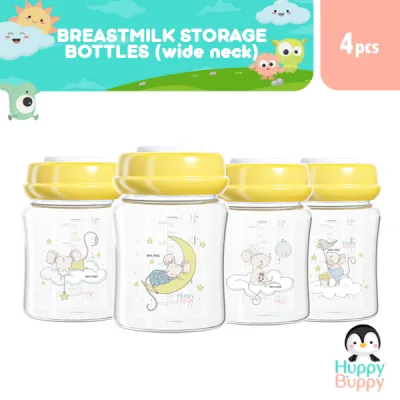
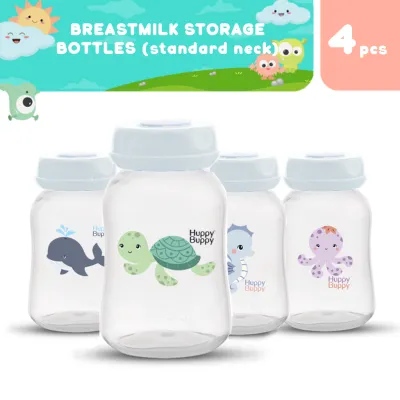
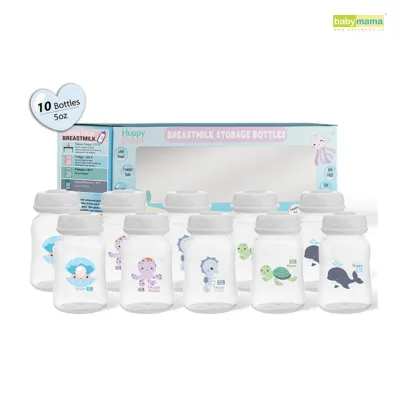
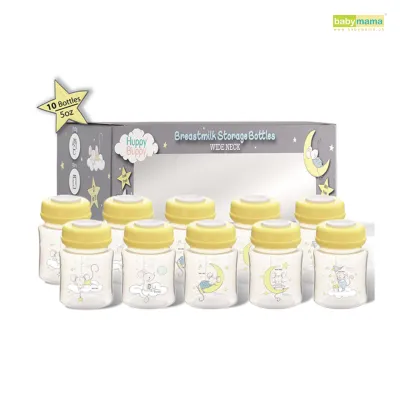
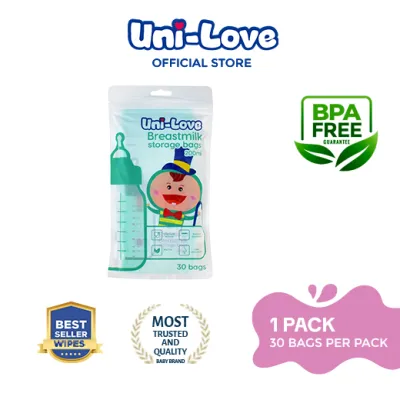
Prices are valid at publication and may change. Please refer to the product page for the latest price.
Your feeding routine also dictates your storage volume. Parents who exclusively breastfeed directly from the breast may only need a few small containers for occasional emergencies or date nights. Conversely, those who exclusively pump or prepare formula batches in advance require a robust inventory of containers to handle a continuous cycle of filling, freezing, thawing, and washing. If your baby is transitioning to solid foods, your storage needs will shift again. Reusable containers that can transition from holding breast milk to storing homemade baby purees offer excellent long-term utility, saving you from purchasing entirely new sets of jars later on.
Lifestyle factors play an equally critical role in your decision. For working parents in urban areas, commuting with expressed milk presents unique challenges. Long transit times in tropical heat mean your storage containers must fit securely inside insulated cooler bags alongside heavy-duty ice packs. If your child attends daycare, you must verify their specific storage requirements. Many childcare centers prefer clearly labeled, shatterproof plastic or silicone bottles over glass, and they often require containers that are compatible with standard commercial bottle warmers to ensure safe, even heating.
Comparing Milk Storage Container Types and Materials
Selecting the right container type requires a careful balance between convenience, long-term costs, and environmental impact. The market generally splits into single-use disposable storage bags and reusable bottles or cups made of glass, plastic, or silicone.

Storage Bags vs. Reusable Bottles
Disposable breast milk storage bags are highly favored for their space efficiency, particularly when building a freezer stash. When filled, these bags can be laid completely flat on a freezer shelf to freeze. Once solid, they can be stacked vertically or filed like documents in storage bins, maximizing every square inch of your freezer. This is especially advantageous for households with standard-sized refrigerators where freezer space is at a premium. However, single-use bags carry ongoing recurring costs, and their disposable nature contributes to household plastic waste. There is also an inherent risk of punctures, tears, or seam splits during transport or thawing, which can lead to heartbreaking spills of expressed milk.
Reusable bottles, on the other hand, represent a one-time investment that offers superior durability and physical protection. They are virtually immune to punctures, making them the safer choice for throwing into a diaper bag or commuting. Reusable bottles also eliminate the ongoing cost of buying disposable bags month after month. The primary trade-offs are space and labor. Reusable bottles are bulky, requiring significant freezer space because they cannot be flattened. They also require thorough washing and sterilization after every single use, adding to the daily chore load of busy caregivers.
Glass, Plastic (PP/PPSU), and Silicone Options
If you opt for reusable containers, you must choose between three primary materials: glass, plastic, and silicone.
Glass containers are highly durable, naturally scratch-resistant, and completely free of chemical leaching concerns. They do not retain odors or stains from milk fats and can withstand extreme sterilization temperatures. However, glass is heavy, making it less ideal for travel or transport. It also carries a risk of shattering if dropped, and is susceptible to thermal shock. Moving a glass bottle directly from a sub-zero freezer into a bowl of hot water can cause the glass to crack or shatter instantly, destroying your stored milk.
Plastic containers are lightweight, highly portable, and shatterproof. The most common plastics used are Polypropylene (PP) and Polyphenylene Sulfone (PPSU). PP bottles are budget-friendly and widely available, though they tend to degrade and become cloudy over time with repeated sterilization. PPSU is a medical-grade plastic that offers superior durability, high heat resistance, and a longer lifespan, though it comes at a higher price point. When choosing any plastic container, it is vital to verify that the manufacturer explicitly labels the product as BPA-free and BPS-free to ensure chemical safety.
Silicone containers represent a modern, flexible alternative. Made from food-grade silicone, these containers are soft, squeezy, and highly resistant to temperature extremes. They are easy to clean, do not shatter, and are often compatible with standard bottle nipples, allowing them to transform directly from a storage vessel into a feeding bottle. The primary drawback of silicone is its porous nature; it can sometimes absorb odors from dish soaps or strongly scented sterilizing agents if not washed carefully with fragrance-free, baby-safe detergents.
Evaluating Brands Like Huppy and Buppy: A Safety and Compatibility Checklist
When exploring popular market choices, such as a huppy buppy milk storage solution or other regional brands, parents must perform diligent quality checks. Not all storage products are created equal, and verifying specifications ensures your baby’s health and safety. Use this comprehensive checklist to evaluate any brand before purchasing:
- Verify Food-Grade and Chemical-Free Certifications: Check the packaging or manufacturer documentation to confirm that the containers are made of food-grade materials. Look for explicit labels stating the product is free from Bisphenol A (BPA), Bisphenol S (BPS), and phthalates. These endocrine-disrupting chemicals can leach into milk, especially during heating or long-term storage.
- Assess Thread and Adapter Compatibility: To minimize milk transfer and reduce the risk of spills, check if the container threads connect directly to your breast pump. Many brands offer adapters that allow you to pump directly into the storage bottle or bag. If you use a closed-system pump, check if the neck size (wide-neck versus narrow-neck) matches your pump's flange assembly.
- Check Manufacturer Temperature Limits: Always read the product manual to verify the safe temperature range for freezing, refrigeration, and sterilization. Ensure the material can handle your preferred sterilization method, whether that involves boiling water, steam sterilizers, or UV sterilizers. Some lower-grade plastics can warp or release microplastics when exposed to high-heat UV cycles or microwave steam bags.
- Evaluate Measurement Accuracy and Seals: Look for clear, embossed, or securely printed measurement markings in both ounces and milliliters. Some cheaply made bags or bottles have inaccurate volume lines, which can lead to incorrect formula mixing or difficulty tracking your baby's actual intake. Additionally, examine the closure mechanism—such as double-zipper seals on bags or leak-proof silicone O-rings in bottle caps—to ensure they can withstand travel without leaking.
- Read Real-World User Reviews: Search online marketplaces and parenting forums for feedback from other local parents. Pay close attention to reviews discussing how well the seals hold up during freezing and thawing, whether the measurements remain legible after multiple washes, and if the containers fit standard bottle warmers available in the Philippines.
Essential Safety Rules for Storing, Thawing, and Handling Milk
Proper handling of stored milk is critical to prevent contamination, preserve vital nutrients, and protect your baby’s developing immune system. In the hot and humid climate of the Philippines, strict adherence to storage timelines and hygiene practices is highly recommended.
- Adhere to Storage Timelines: Freshly expressed breast milk can be kept at room temperature (up to 25°C) for up to 4 hours. However, in non-air-conditioned spaces during warm afternoons, room temperatures often exceed 30°C; in these conditions, it is safest to refrigerate or chill the milk immediately. Breast milk can be stored in the back of a standard refrigerator (at 4°C or lower) for up to 4 days. In a standard home freezer (at -18°C or lower), breast milk can be safely stored for up to 6 months. Always place milk in the back of the fridge or freezer, never on the door shelves, to protect it from temperature fluctuations when the door is opened.
- Manage Power Outages Safely: In areas prone to seasonal brownouts or power fluctuations, your frozen milk stash requires extra protection. Keep your freezer door closed as much as possible during a power outage to maintain the internal temperature. If the power is out for an extended period, check the milk once electricity is restored. If the milk still contains ice crystals, it is safe to keep frozen. If it has completely thawed but remains cold, store it in the refrigerator and use it within 24 hours; do not refreeze completely deflated, liquid milk.
- Employ Safe Thawing Methods: The safest way to thaw frozen breast milk is to transfer it to the refrigerator overnight. For faster thawing, place the sealed container in a bowl of lukewarm water or hold it under cool running water, gradually increasing the temperature. Never use a microwave to thaw or heat breast milk; microwaves create uneven "hot spots" that can burn your baby's mouth and destroy the beneficial antibodies and proteins in the milk. Once breast milk is completely thawed to room temperature or warmed, use it within 2 hours. Never refreeze thawed breast milk.
- Maintain Strict Hygiene: Before pumping or handling milk, wash your hands thoroughly with soap and water. Ensure all reusable storage containers, pump parts, and feeding bottles are thoroughly washed in hot, soapy water, rinsed, and sterilized before their first use and daily thereafter. Because of high ambient humidity, ensure your sterilized items dry completely on a clean, dedicated rack, or use a sterilizer with a built-in drying function to prevent mold growth. When labeling containers, use a waterproof, non-toxic marker to write the date of expression and the exact volume on a dedicated label area.
- Discard Leftover Milk Properly: If your baby does not finish a bottle during a feeding session, the remaining milk must be discarded within 2 hours after the baby finishes feeding. Bacteria from your baby's saliva can enter the bottle during sucking, multiplying rapidly in the warm milk and posing a health risk if offered again later.
Frequently Asked Questions (FAQ)
Can I mix freshly pumped milk with already refrigerated milk?
Yes, but you must cool the freshly pumped milk first. Adding warm, freshly expressed milk directly to already chilled milk raises the temperature of the cold milk, which can accelerate bacterial growth and compromise its quality. To combine them safely, place the fresh milk in a separate container in the refrigerator until it reaches the same cold temperature as the previously stored milk. Once both containers are at the same temperature, you can safely mix them together in a single storage container.
How do I know if a plastic milk storage container is no longer safe to use?
You should inspect your plastic containers regularly for signs of wear and tear. If a plastic bottle or cup becomes cloudy, develops deep scratches, or has cracks, it is time to replace it. Bacteria can easily hide and multiply inside scratches and cracks, even after thorough cleaning and sterilization. Additionally, if the container becomes warped from heat, has a lingering sour odor that does not go away after washing, or if the measurements have faded completely, discard it and transition to a fresh container to maintain strict hygiene standards.
Community discussion
Share your experience or ask a question. Comments are reviewed before publication.