
Choosing the right maternity bag style depends on your daily mobility, physical comfort, and how you navigate your routine. In the tropical climate of the Philippines, where high humidity and sudden downpours are common, selecting between a backpack, tote, or crossbody bag requires looking beyond aesthetics to evaluate weight distribution, ease of cleaning, and hands-free convenience. By matching a bag’s structural design to your typical transit methods—whether commuting, driving, or walking—you can find a functional companion that supports your postpartum recovery and keeps baby essentials organized.
Rather than searching for a single universal standard, the ideal choice is one that fits your physical needs and daily habits. Postpartum recovery demands careful attention to physical strain, making ergonomics a primary consideration. By diagnosing your specific requirements first, you can easily narrow down the main styles to build a practical shortlist.
Assess Your Daily Routine and Carrying Needs
Before browsing specific designs, take a close look at how you move through your typical day. If your routine involves navigating public transportation, walking through warm outdoor spaces, or lifting a stroller in and out of a vehicle, your physical demands will differ significantly from someone who primarily travels by private car. High humidity and heat also mean that carrying a heavy, poorly ventilated bag can quickly lead to discomfort and fatigue.
Products mentioned in this guide
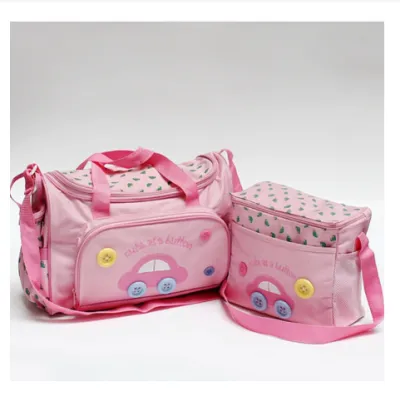
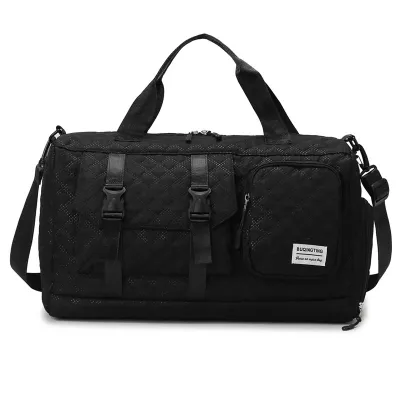
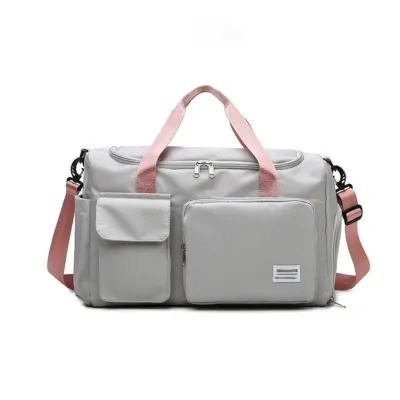
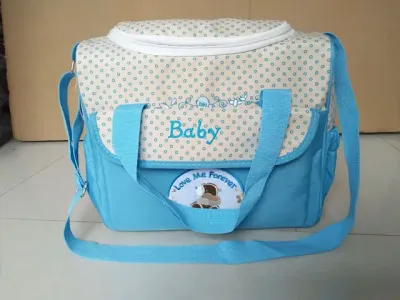
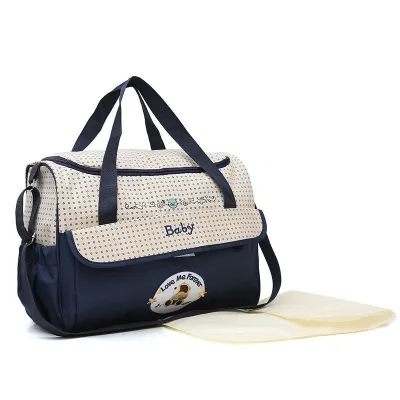
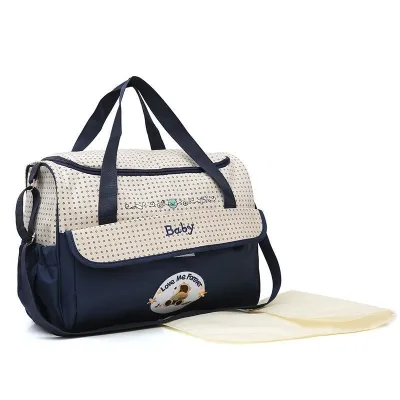
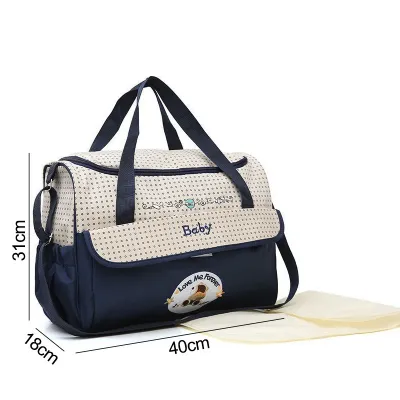
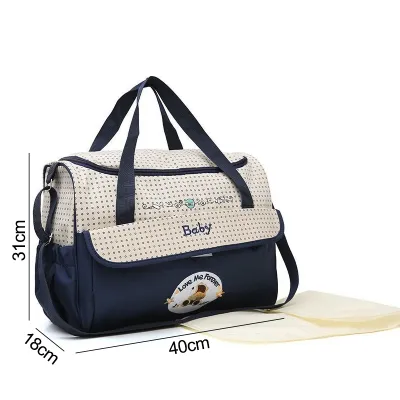
Prices are valid at publication and may change. Please refer to the product page for the latest price.
Postpartum recovery requires careful attention to physical strain. Whether you are recovering from a cesarean section or managing general postpartum joint laxity, carrying an unevenly distributed load can worsen back, shoulder, or pelvic pain. You must assess how much weight your body can comfortably tolerate during long outings and choose a style that supports your physical recovery.
Next, estimate your typical daily load by listing your essential gear. A newborn’s outing kit usually includes multiple changes of clothes, diapers, travel wipes, feeding bottles, thermos flasks for warm water, and personal items like your wallet and phone. If you plan to be out for several hours, this volume increases, requiring a bag that can accommodate bulk without becoming misshapen or overly heavy.
Finally, consider how quickly you need to access these items under pressure. When holding a crying baby in a busy public space, you cannot afford to spend minutes rummaging through a deep, dark main compartment. Your ideal bag must allow you to retrieve a wipe or a pacifier quickly, preferably with one hand while keeping your other arm securely around your child.
Compare Maternity Bag Styles: Backpack, Tote, and Crossbody
Each maternity bag style offers distinct advantages depending on how you balance storage capacity, physical comfort, and accessibility. Choosing the right one involves weighing these practical trade-offs against your daily physical activities and personal style preferences.

Backpack Maternity Bags
Backpack maternity bags are highly favored for their superior weight distribution. By spreading the load evenly across both shoulders, a backpack minimizes the risk of muscle strain and helps you maintain a balanced posture, which is especially beneficial during postpartum recovery. This symmetrical support makes backpacks ideal for long walks, extended shopping trips, or travel.
The primary benefit of a backpack is complete hands-free utility. With both hands free, you can easily push a stroller, carry your baby in a carrier, navigate stairs, or handle transactions at a store counter without your bag sliding forward. This makes it an excellent option for active parents who frequently travel alone with their child.
However, accessing items in a backpack usually requires taking the bag off at least one shoulder. To counter this, look for models with side-access zippers, dedicated external wipe pockets, or rear security compartments that let you reach your phone or keys without opening the main section.
Tote Maternity Bags
Tote maternity bags offer a classic, professional aesthetic that transitions easily from family outings to work environments. They feature a wide-open top design that provides immediate visibility and rapid access to all your gear at a glance. This open structure is highly convenient when you need to grab a bottle or diaper quickly without unzipping multiple compartments.
The main drawback of a tote is the potential for uneven shoulder strain. Carrying a heavy load on one side of your body can lead to neck, shoulder, and back discomfort over time, particularly during long walks. Totes are best suited for shorter trips, car-based travel, or situations where the bag will spend most of its time resting on a stroller or car seat.
To prevent a tote from becoming a chaotic clutter zone, prioritize designs with robust internal organization systems. Look for models with built-in dividers, elasticized pockets, and zippered compartments to keep small items secure and prevent them from shifting to the bottom of the bag.
Crossbody and Messenger Maternity Bags
Crossbody and messenger-style maternity bags offer a highly versatile middle ground, keeping your essentials secure and easily accessible right at your hip. Because the bag rests in front of or beside your body, you can slide it forward to retrieve items instantly without removing the strap. This makes it a highly efficient option for quick errands or short trips.
While they offer hands-free convenience, crossbody bags generally have a more limited capacity compared to large backpacks or totes. They are best utilized as secondary bags for quick outings or for older babies who require fewer supplies. Overpacking a crossbody bag can cause the single strap to dig into your neck or shoulder, leading to discomfort.
When evaluating a crossbody style, carefully inspect the strap design. Look for wide, adjustable straps with thick, slideable padding to help distribute the weight across your shoulder and chest. This adjustability ensures you can position the bag comfortably over different types of clothing and adjust it as your body changes postpartum.
Essential Features and Organization to Verify
Regardless of the style you choose, verifying specific structural features on the product label or during a physical inspection is crucial for long-term satisfaction. Start by examining the internal compartment layout. Look for dedicated insulated pockets to keep milk bottles at a stable temperature, waterproof or wipe-clean linings to handle accidental spills, and secure zippered closures to keep your belongings safe.
Next, verify stroller attachment compatibility by checking the manufacturer’s specifications. Do not assume a bag will fit your specific stroller model; instead, look for dedicated stroller straps or integrated clips that allow the bag to hang securely without tipping the stroller over. Always follow safety guidelines regarding weight limits on stroller handlebars to prevent tipping hazards.
Given the tropical climate and frequent rain in the Philippines, material care is a vital consideration. Check the product label for water-resistant or water-repellent fabric ratings, and ensure the material can be easily wiped down with a damp cloth or sanitized. Materials like treated nylon or polyester are often easier to maintain in humid conditions than heavy canvas or untreated cotton.
Finally, evaluate the external pocket configuration. A practical maternity bag should feature easily accessible exterior pockets for your personal items, such as your smartphone, keys, and wallet. Having these items separated from the baby’s gear prevents cross-contamination and saves you from searching through diapers and wipes to find your personal belongings.
Build Your Shortlist and Make the Final Choice
To make your final decision, start by defining a realistic budget in Philippine Pesos (₱) based on your required features and how long you expect to use the bag. While high-end designer options exist, many durable, highly functional maternity bags are available at mid-range price points. Consider the bag’s potential lifespan; a neutral, durable design can transition into a work bag or travel carry-on once your child outgrows diapering needs.
Cross-reference your daily routine assessment with the style comparisons to eliminate options that do not fit your lifestyle. For example, if you rely on public transit daily, eliminate heavy totes in favor of a lightweight, water-resistant backpack. If you primarily travel by car and value quick access, a structured tote may rise to the top of your list.
If purchasing in-store, test the bag’s comfort by placing a few items inside to simulate a realistic load. Check how the straps feel on your shoulders, test the smoothness of the zippers with one hand, and verify how easily you can open the main compartments. If shopping online, carefully review the seller’s return policy and check detailed customer feedback regarding zipper durability and seam strength.
Lastly, review the manufacturer’s warranty and care instructions. A reliable manufacturer often provides clear guidelines on washing and maintenance, which helps protect your investment. Choosing a bag with a straightforward care routine ensures it remains hygienic and functional throughout your parenting journey.
Frequently Asked Questions (FAQ)
Can I use a regular backpack or tote instead of a dedicated maternity bag?
Yes, you can use a standard backpack or tote, but you may miss out on specialized features designed for baby care. Standard bags often lack insulated bottle pockets, wipe-clean compartments for wet clothes, and integrated stroller attachments. If you choose to use a regular bag, consider purchasing a removable diaper bag organizer insert to keep baby essentials structured, hygienic, and easy to access.
When is the best time to buy a maternity bag during pregnancy?
The ideal time to select and purchase your maternity bag is during the second trimester or early in the third trimester. This timing gives you ample opportunity to clean the bag, organize its compartments, and pack it as your hospital go-bag well before your due date. Purchasing early also allows you to test the bag’s comfort and verify return policies while you are still physically comfortable enough to manage the process.
Community discussion
Share your experience or ask a question. Comments are reviewed before publication.