
Selecting the right maternity bag is a highly practical decision that directly impacts your daily comfort and organization during pregnancy and postpartum. The ideal bag does not just carry baby essentials; it supports your physical recovery, adapts to your transit routine, and matches your lifestyle. Whether you are navigating busy streets, commuting, or transitioning back to work, your choice of bag can make leaving the house with your baby a smooth, stress-free experience.
To find your perfect match, you must balance carrying capacity with physical comfort. Backpacks offer hands-free convenience and excellent weight distribution, making them a favorite for active parents. Totes provide quick, top-down access and a professional aesthetic suitable for working mothers, while crossbody bags serve as lightweight options for quick trips. By evaluating your daily routine and physical needs, you can easily select a style that fits your lifestyle.
Assess Your Daily Routine and Carrying Needs
Before browsing materials and designs, take a moment to analyze how you plan to use your maternity bag. Your daily environment, transportation methods, and parenting setup will dictate the level of utility you require. A bag that works perfectly for a parent who drives may prove cumbersome for someone navigating public transportation or walking long distances in warm, humid weather.
Products mentioned in this guide
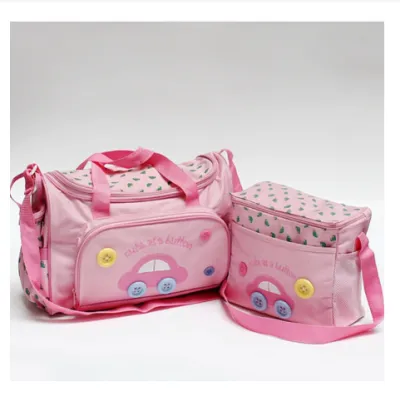
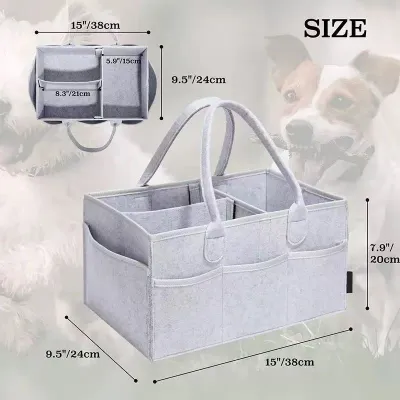
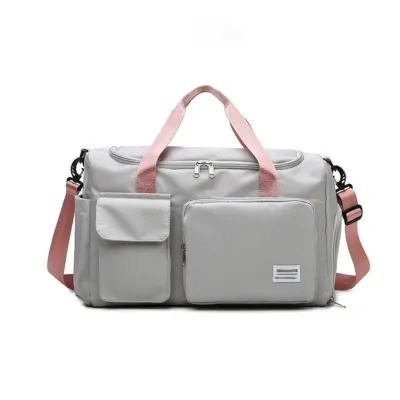
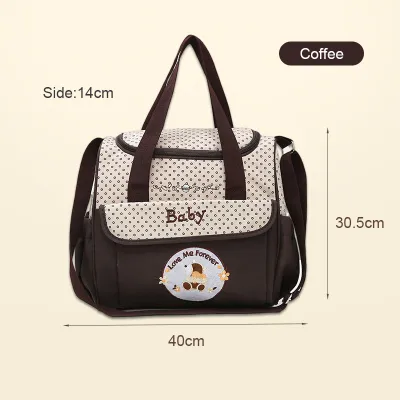
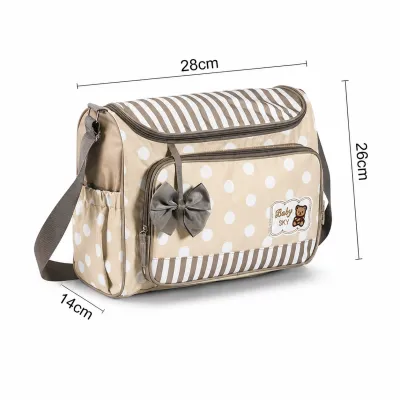
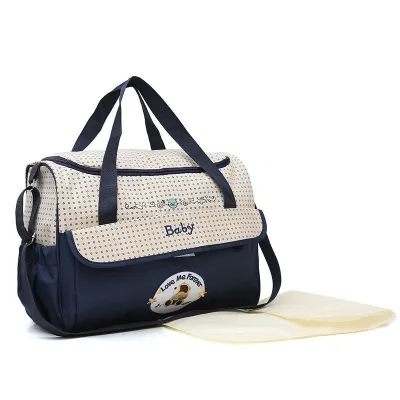
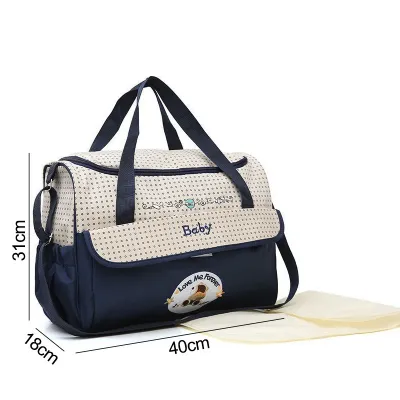
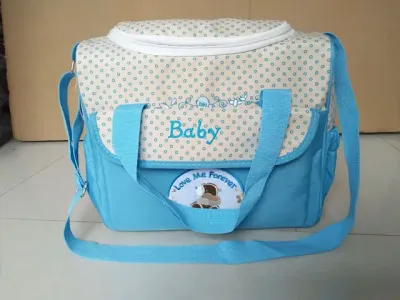
Prices are valid at publication and may change. Please refer to the product page for the latest price.
To narrow down your choices, evaluate your daily routine using this self-assessment checklist:
- Daily Commute: Do you primarily drive, walk, or use public transit like jeepneys, buses, or trains? Navigating crowded public spaces in tropical heat requires a secure, sweat-resistant bag that stays close to your body.
- Caregiver Setup: Are you solo parenting for long stretches, or do you share carrying duties with a partner or nanny? A neutral design with easily adjustable straps ensures anyone can carry the bag comfortably.
- Daily Duration: Are you typically away from home for short, one-hour errands, or do you spend entire afternoons out at shopping malls or family gatherings?
Next, estimate your typical carrying volume. Think about the duration of your outings and what you must pack. A minimal load for a short trip might only require two diapers, a travel pack of wipes, a changing mat, and a single bottle. However, a full-day outing or a trip to the pediatrician demands a heavy load, including a breast pump, milk storage bags, multiple bottles, spare outfits for both baby and parent, swaddles, and toys.
Finally, do not overlook your physical comfort and health. Postpartum recovery requires gentle care, especially if you are healing from a C-section or experiencing pelvic girdle pain. Carrying a heavy, poorly balanced bag on one shoulder can worsen back and shoulder strain. Additionally, in hot climates, heavy bags can trap heat against your body, making breathable materials and ergonomic designs essential for keeping you cool and comfortable.
Backpack Maternity Bags: Best for Hands-Free and Heavy Loads
Backpack maternity bags are the ultimate utility option for parents who need to carry substantial gear while keeping both hands completely free. If your daily life involves high mobility, active outings, or managing multiple children, a backpack is often the most practical choice.

This style is ideal for parents who walk frequently, use public transport, or need to navigate busy shopping malls. It is also the go-to choice for pumping mothers who must transport a breast pump, laptop, and personal items to and from work. If you have an active toddler who requires constant supervision or hand-holding, a backpack ensures you can move quickly without a bag slipping off your shoulder.
The primary benefit of a backpack is its superior weight distribution. By distributing the load evenly across both shoulders, it minimizes strain on your lower back and neck, which is crucial during postpartum recovery. Backpacks also offer the highest storage capacity among all maternity bag styles, featuring numerous specialized compartments to organize everything from diapers to electronics.
However, backpacks do have a few limitations. The most notable drawback is accessibility; you cannot easily reach your items without taking the bag off or swinging it around to your front. This can be inconvenient when you need to grab a pacifier or a wipe instantly. Additionally, a fully packed backpack can feel bulky and heavy, making it difficult to maneuver in crowded aisles or narrow spaces.
When shopping for a backpack maternity bag, pay close attention to the shoulder straps. Look for wide, heavily padded straps made of breathable, moisture-wicking mesh to prevent discomfort in warm weather. Ensure the bag includes dedicated, sturdy stroller straps to relieve your back when walking. A wide-opening main compartment, preferably with a structured frame that stays open on its own, will make packing and finding items much easier.
Tote Maternity Bags: Best for Quick Access and Office Transitions
Tote maternity bags offer a classic, stylish silhouette that closely resembles a traditional handbag. They are designed for parents who prioritize rapid access to their baby gear or need a sophisticated bag that transitions smoothly from professional environments to family outings.
The ideal user for a tote is a working mother who needs to carry a mix of office essentials, such as a laptop or tablet, alongside baby items. Totes are also highly suited for parents who primarily travel by car, as the bag can sit open on the passenger seat for easy reaching. If you prefer a bag that does not look like a typical diaper bag and complements a polished wardrobe, a structured tote is an excellent option.
The greatest advantage of a tote is its effortless, top-down accessibility. Because the main compartment is wide and open, you can quickly scan the contents and grab a burp cloth, snack, or toy with one hand. Many high-end totes feature elegant designs made of durable canvas or premium faux leather, allowing you to maintain your personal style without sacrificing functionality.
On the downside, totes offer poor weight distribution. Carrying a heavy tote on one shoulder for extended periods can cause muscle strain and aggravate postpartum back issues. Totes also tend to have a slightly lower capacity than backpacks, and if they lack structure, they can quickly become disorganized, turning into a cluttered space where small items get lost at the bottom.
To find a high-quality tote, look for reinforced, comfortable handles that will not dig into your shoulder when the bag is full. A secure, heavy-duty top zipper is essential to keep your belongings safe and prevent spills if the bag tips over. Opt for a model with plenty of built-in interior pockets, including insulated bottle slots and zippered compartments, to keep your essentials organized and easily reachable.
Crossbody and Sling Bags: Best for Light Travel and Toddler Chasing
Crossbody and sling maternity bags are designed for minimalist parents who prefer to travel light. These compact bags are perfect for quick trips where you only need the absolute essentials, or as a secondary bag when your child is older and requires less gear.
This style is perfect for running quick errands, such as a fast trip to the local pharmacy or supermarket. It is also highly useful for parents chasing active toddlers at the park, where you do not want to carry a bulky bag but still need a few diapers and wipes on hand. Many parents also use a crossbody bag as a personal “parent bag” to keep their own keys, phone, and wallet secure while leaving the heavy baby gear in a larger bag attached to the stroller.
The main benefit of a crossbody bag is that it keeps your belongings secure and snug against your body, providing peace of mind in crowded public areas. It is incredibly lightweight and allows for rapid, one-handed access to your items simply by sliding the bag to your chest. This hands-free convenience makes it easy to tend to your child without any distractions.
However, the obvious limitation is capacity. You will not be able to fit a breast pump, multiple changes of clothes, or large toys in a compact crossbody bag. Additionally, because the strap crosses over one shoulder, carrying a heavily loaded sling bag for long periods can cause neck and shoulder discomfort.
When selecting a crossbody maternity bag, look for a wide, adjustable, and padded strap to help distribute weight comfortably across your shoulder and chest. A water-resistant exterior is highly recommended to protect your items from sudden tropical showers. Even in a smaller bag, look for smart organization, such as a dedicated, insulated pocket that can hold a single baby bottle or sippy cup securely.
Essential Features to Verify Across All Styles
Regardless of the style you choose, certain functional features are non-negotiable for a high-quality maternity bag. Verifying these details before making your purchase ensures your bag will withstand daily wear and tear while keeping your baby’s essentials safe and hygienic.
First, inspect the materials and cleaning instructions on the manufacturer’s label. Given the warm and humid climate, look for water-resistant exterior fabrics that can handle spills and light rain. The interior lining must be completely wipeable so you can easily clean up leaked milk or juice. If the bag includes a changing pad, check if it is machine-washable or easy to sanitize with baby-safe disinfectant wipes.
Next, evaluate the internal organization of the bag. A good maternity bag should feature a dedicated wet/dry compartment to keep soiled clothes separate from clean items. Insulated bottle pockets are crucial for keeping milk, water, or formula at a safe temperature during outings. Additionally, look for a secure, easily accessible “parent pocket” to keep your personal items, like keys, phone, and wallet, separate from baby gear.
Stroller compatibility is another critical safety feature. Check if the bag includes integrated stroller straps or clips. When hanging a bag on your stroller, always consult your stroller’s manufacturer manual to verify the maximum handle weight limit. Overloading the handlebar with a heavy maternity bag can cause the stroller to tip backward, creating a serious safety hazard for your baby.
Finally, check if a padded, wipeable changing mat is included with the bag. A high-quality changing pad provides a clean, comfortable surface for diaper changes when you are away from home. Verify the dimensions of the pad to ensure it fits standard public changing tables, offering adequate protection and hygiene for your baby during diaper changes in public restrooms.
Frequently Asked Questions (FAQ)
Can I just use my regular handbag instead of a dedicated maternity bag?
While you can use a standard handbag, it lacks specialized features like insulated bottle holders, wipeable linings, and stroller attachments. Regular bags can quickly become disorganized. If you prefer your own handbag, consider purchasing a removable diaper bag organizer insert to keep essentials structured and protect the interior from spills.
When is the best time to buy a maternity bag during pregnancy?
The ideal time to select and purchase your maternity bag is during the late second or early third trimester (around weeks 24 to 28). This timing gives you ample opportunity to inspect the bag, test its weight, and use it to pack your hospital essentials well before your due date.
Do I need a separate hospital bag and everyday diaper bag?
Not necessarily, but it is highly practical. Hospital stays require bulky items like adult toiletries, postpartum wear, and multiple changes of clothes, which fit best in a dedicated duffel bag or small suitcase. Keeping your everyday maternity bag separate ensures it remains clean, organized, and ready for daily postpartum outings without unnecessary clutter.
Community discussion
Share your experience or ask a question. Comments are reviewed before publication.