
Preparing for childbirth in the Philippines requires careful planning, especially when packing your maternity bag for the hospital. The ideal bag must accommodate not only your personal essentials but also the specific items required for your newborn in a tropical climate. With high humidity, varying hospital room temperatures, and the need to keep documents organized, choosing the right bag is a critical step in your third-trimester preparations. A well-chosen bag ensures that everything from receiving blankets to admission papers is easily accessible when labor begins.
Key Features to Look for in a Hospital Maternity Bag
A hospital stay in the Philippines typically lasts between two to four days, depending on whether you have a vaginal delivery or a cesarean section. Your bag needs a capacity of at least 30 to 40 liters to hold clothing, postpartum sanitary supplies, and baby essentials. It is wise to check if your chosen hospital has specific storage limits, as private rooms offer more space than shared wards.
Multiple pockets are essential for keeping your items organized. Look for bags with dedicated wet and dry compartments to separate soiled baby clothes or damp toiletries from clean items. Insulated pockets are also beneficial for keeping water bottles cool during transit in warm weather. Having a designated, easily accessible exterior pocket for your medical records and identification cards will save you stress during admission.
Products mentioned in this guide
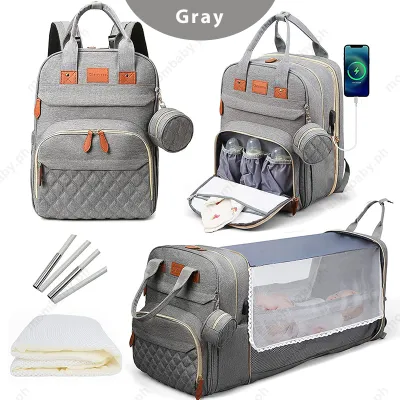
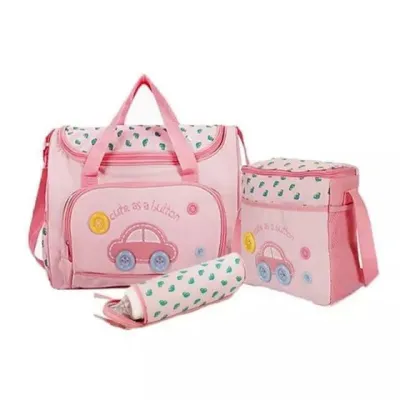
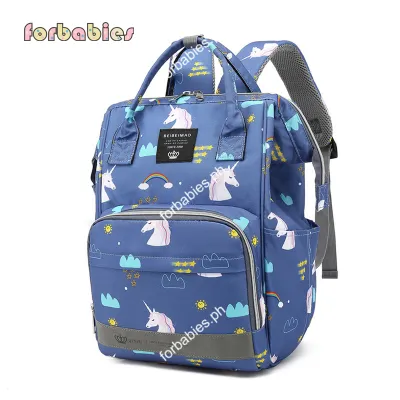
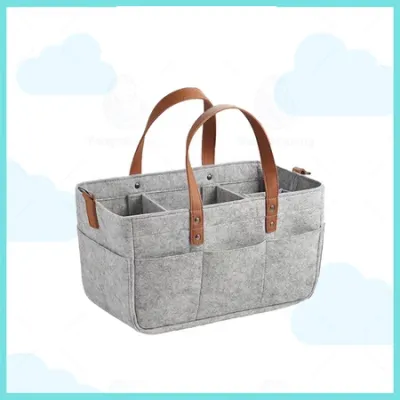
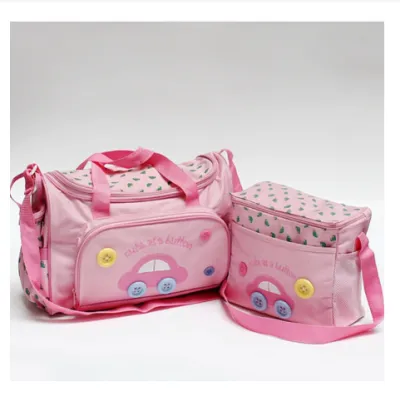
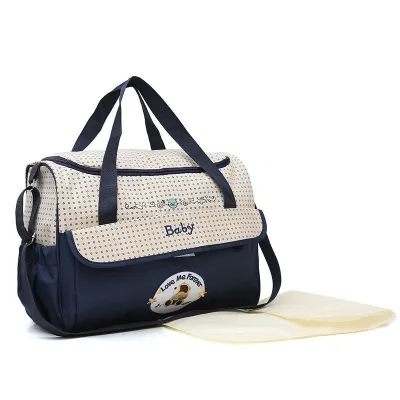
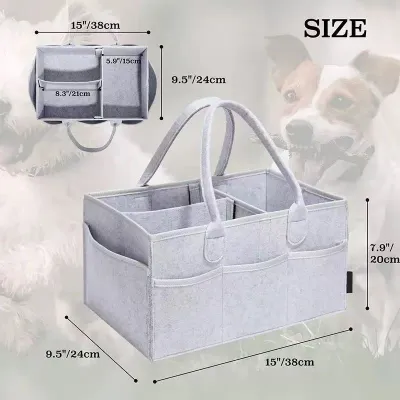
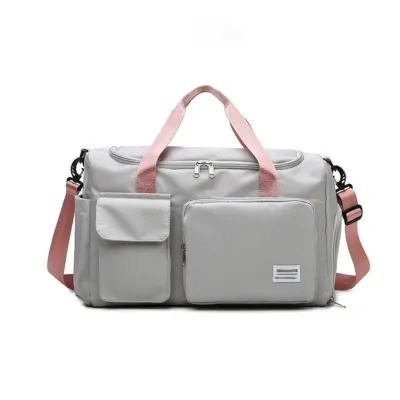
Prices are valid at publication and may change. Please refer to the product page for the latest price.
Given the tropical climate and high humidity, water-resistant materials like nylon or high-density polyester are highly recommended. These fabrics protect your belongings from sudden downpours during transit and are easy to wipe clean if liquid spills occur. Pay close attention to the quality of the zippers and seams, as a broken zipper on a packed bag can cause significant inconvenience at the hospital.
When fully packed, a maternity bag can be surprisingly heavy. Look for wide, padded shoulder straps that distribute weight evenly to prevent strain. If you plan to use a backpack or duffle bag, reinforced top handles are crucial for quick lifting in and out of vehicles.
Comparing Maternity Bag Styles for Delivery
Selecting the right style of maternity bag depends on your personal mobility, how you plan to travel to the hospital, and who will be carrying the bag. Different designs offer distinct advantages in terms of accessibility, capacity, and ease of transport. Understanding these differences helps you match the bag to your specific delivery scenario and postpartum needs.

Duffle Bags and Weekenders
Duffle bags and weekender bags are classic choices for hospital stays due to their spacious, open-cavity design. They allow you to pack bulky items like thick towels, nursing pillows, and multiple changes of clothes without struggling for space. The soft-sided nature of these bags means they can flex and expand to accommodate last-minute additions.
However, the lack of rigid structure in a duffle bag can make it easy for smaller items to get lost at the bottom. To mitigate this, look for models with interior mesh pockets or use packing cubes to maintain order. Duffle bags are ideal for parents traveling by car, where the bag can be easily tossed into the trunk and carried a short distance to the maternity ward.
Tote Bags and Carry-Alls
Tote bags and carry-all bags offer unmatched accessibility, featuring wide top openings that let you grab items quickly. This is particularly useful in the delivery room when a nurse or partner needs to locate a receiving blanket or a change of clothes immediately. Many modern totes feature zippered closures to keep your belongings secure during transit.
The primary drawback of a large tote bag is the potential for shoulder strain, as they are typically carried on one side of the body. Overloading a tote can make it uncomfortable to carry through long hospital corridors. For this reason, totes are best utilized as secondary bags for immediate essentials, or for mothers who prefer a minimalist packing approach for short hospital stays.
Backpacks and Tactical Bags
Backpacks and tactical-style diaper bags have grown in popularity because they offer completely hands-free carrying. This is a major advantage for parents navigating busy hospital lobbies, elevators, or public transportation while holding documents or guiding a partner. The ergonomic design of a backpack distributes weight across both shoulders, reducing physical fatigue.
Tactical bags and specialized diaper backpacks often feature an abundance of dedicated compartments, including insulated bottle holders and quick-access wipe pockets. The main challenge with deep backpacks is retrieving items packed at the very bottom. Choosing a backpack with a panel-loading design or a bottom zipper can solve this issue by allowing access to the entire main compartment.
Rolling Luggage and Spinners
Rolling luggage or small spinner suitcases provide the ultimate relief from physical carrying strain. With multi-directional wheels, you can effortlessly glide your belongings through flat hospital corridors and spacious lobbies. This style is highly recommended for mothers expecting multiples or those anticipating a longer stay due to a scheduled cesarean delivery.
While suitcases offer excellent protection and organization, they do have some limitations in a hospital setting. They require more floor space to open fully, which can be challenging in smaller, shared hospital rooms. Additionally, lifting a heavy suitcase over curbs or up stairs during transit requires physical effort, so ensure your partner or a companion is available to assist.
How to Evaluate and Buy Maternity Bags in the Philippines
When shopping for a maternity bag in the Philippines, it is important to verify product dimensions and specifications rather than relying solely on promotional photos. Many online listings use angles that make bags appear larger than they actually are. Measure your existing travel bags or use a tape measure to visualize the dimensions of a prospective purchase to ensure it meets your packing needs.
If you are purchasing from online marketplaces or e-commerce platforms, take time to read customer reviews thoroughly. Look for feedback specifically mentioning zipper durability, strap strength, and how the material handles moisture. Checking the seller’s return policy is also essential, as this allows you to inspect the bag’s quality firsthand and return it if it does not meet your expectations.
Establish a realistic budget before you begin shopping. High-quality, durable maternity bags in the local market generally range from ₱1,000 to ₱3,500. While it may be tempting to opt for the cheapest option, investing slightly more in a bag with reinforced stitching and robust zippers can prevent a stressful failure during your hospital stay. Remember that a good maternity bag can transition into a daily diaper bag later, offering long-term value.
Whenever possible, consider visiting a physical baby boutique or department store to test different styles. This allows you to feel the weight of the bag, test the smoothness of the zippers, and assess the comfort of the shoulder straps. If you prefer the convenience and wider selection of online shopping, use your physical store observations to guide your online search and make an informed decision.
Organizing Your Maternity Bag for the Hospital Stay
An organized maternity bag can significantly reduce stress during labor and the immediate postpartum period. Using packing cubes is one of the most effective ways to categorize your items. You can dedicate one cube to the mother’s labor wear, another to postpartum clothing, and a separate, clearly labeled cube for the baby’s first outfits. This system allows your partner or hospital staff to find exactly what is needed without rummaging through the entire bag.
Document management is another critical aspect of hospital preparation. Keep all necessary paperwork, including your health insurance forms, marriage certificate, doctor’s referrals, and government-issued IDs, in a waterproof plastic envelope or a dedicated document sleeve. Place this sleeve in an exterior pocket of your bag so you can present it immediately upon arrival at the admissions desk.
Given the tropical climate, packing toiletries and personal care items requires careful attention to leak prevention. Store shampoos, body washes, and liquid soaps in travel-sized containers inside a secure, waterproof toiletry pouch. It is also wise to pack a few empty plastic bags or wet bags to store damp towels, soiled baby clothes, or used nursing pads, keeping them separate from your clean belongings until you return home.
Frequently Asked Questions (FAQ)
Can I use a regular diaper bag as my main maternity bag for the hospital?
While a regular diaper bag is excellent for daily outings, it may not have enough capacity to serve as your primary hospital bag. A hospital stay requires packing bulkier items for both mother and baby, such as adult diapers, nursing wear, receiving blankets, and multiple changes of clothes. A standard diaper bag typically holds around 15 to 20 liters, which is often insufficient for a multi-day stay. However, you can certainly use a regular diaper bag as a secondary bag dedicated solely to the baby’s immediate needs, while using a larger duffle or suitcase for your own items.
Do hospitals in the Philippines have strict size limits for maternity bags?
Most hospitals in the Philippines do not enforce rigid, airline-style size limits for maternity bags, but practical space constraints exist. Private rooms generally offer ample space for larger suitcases or multiple bags, whereas shared semi-private rooms or charity wards have limited storage areas around the bed. To ensure a comfortable stay, it is best to contact your specific hospital’s maternity ward ahead of time to ask about their storage policies. Keeping your packing limited to one main bag and one small personal bag is a safe approach that fits almost any hospital room layout.

Community discussion
Share your experience or ask a question. Comments are reviewed before publication.