
Selecting the ideal refrigerator lock magnet depends on your appliance’s door configuration, your household’s daily habits, and the physical layout of your kitchen. A secure lock prevents curious toddlers from accessing heavy doors, glass jars, or spoiled food, while still allowing adults to open the fridge without constant frustration. To find the right fit, you must evaluate how your refrigerator doors open, the texture of your appliance’s exterior, and how environmental factors like tropical humidity might affect adhesive performance.
While many baby-proofing products look similar on an online marketplace, their effectiveness varies wildly based on whether you have a single-door, side-by-side, or French-door model. By focusing on physical measurements, surface preparation, and mechanism checks, you can secure your kitchen safely without damaging your expensive appliances.
Assess Your Baby-Proofing Needs and Fridge Configuration
Before purchasing any baby-proofing hardware, observe your child’s behavior around the kitchen. Toddlers are naturally curious and often use their body weight to pull on handles, which can lead to pinched fingers, access to raw ingredients, or doors left ajar that cause food spoilage. If your child is highly persistent, you will need a locking system with a robust physical catch rather than a simple flexible strap.
Products mentioned in this guide
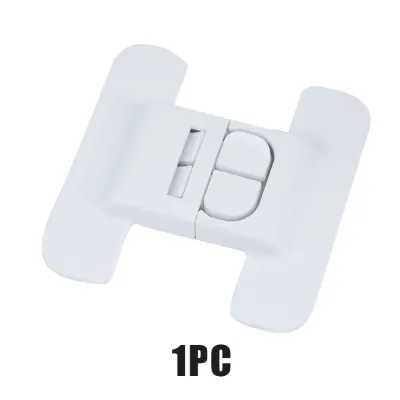
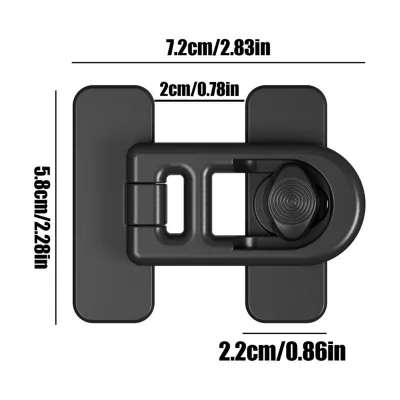
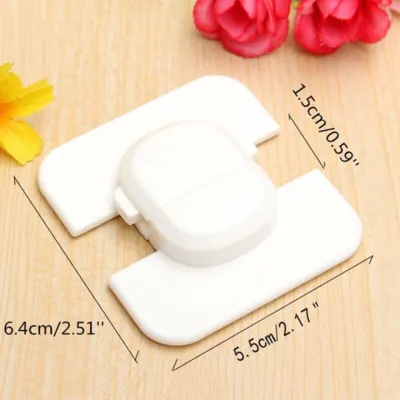
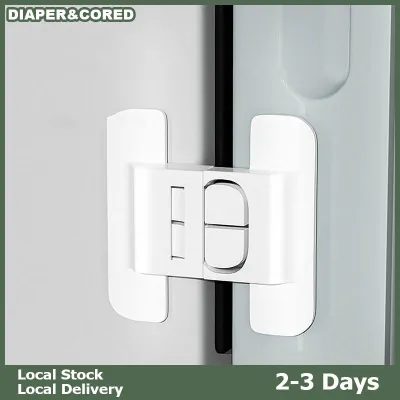
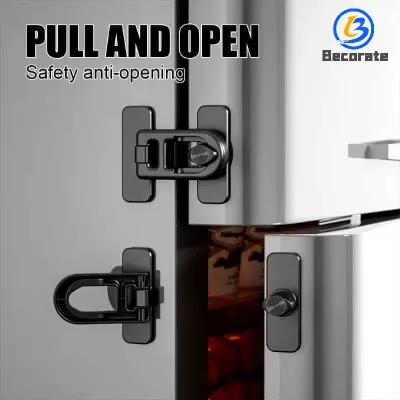
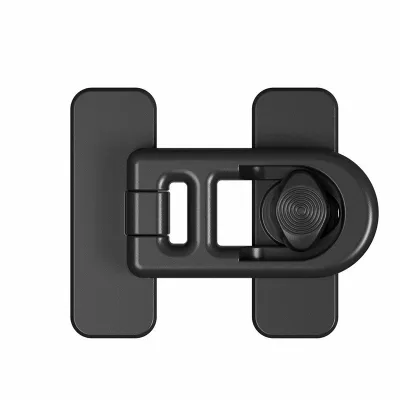
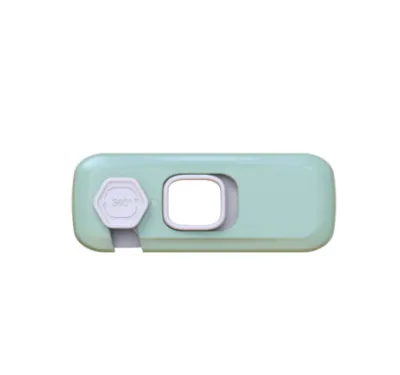
Prices are valid at publication and may change. Please refer to the product page for the latest price.
Next, take precise measurements of your refrigerator’s exterior. Note the width of the gap between double doors, the distance from the door edge to the side panel, and the design of the handles. Some refrigerators feature recessed handles that leave the front surface completely flat, while others have thick, protruding handles that can block the path of a sliding lock.
The surface material of your refrigerator also dictates your choice of lock. Stainless steel, matte finishes, glass panels, and textured plastics all react differently to adhesives. If you live in a rental property, you must prioritize temporary adhesive solutions that can be removed without stripping the appliance’s finish or violating your lease agreement.
In tropical climates like the Philippines, high indoor humidity and ambient heat can compromise standard adhesives over time. When assessing your kitchen, check if the area near the refrigerator is prone to moisture buildup from cooking steam, as this will require extra care during the installation phase to ensure a long-lasting bond.
Match the Lock Mechanism to Your Refrigerator Door Style
Different refrigerator door styles dictate where a lock can be mounted and how the magnetic catch interacts with the striker. A lock designed for a standard single door will rarely work on a French-door model without modification, so matching the mechanism to your specific door configuration is essential.

Always check the manufacturer’s specifications for door gap clearance and handle compatibility before buying. A lock that is too thick may prevent the refrigerator doors from sealing properly, which can overwork the compressor and increase your electricity bill.
Single Door and Top/Bottom Freezer Fridges
Standard single-door refrigerators and models with separate top or bottom freezers require a lock that bridges the gap between the swinging door and the stationary main frame. Look for flat surface areas near the hinge side or the handle side where adhesive pads can be securely mounted.
Verify that the magnetic catch can bridge this gap without obstructing the rubber gasket seal. The lock must hold the door tightly against the frame so that a child cannot pull the door open even slightly, as even a small gap can break the temperature seal and allow cold air to escape.
Side-by-Side and French Door Refrigerators
Double-door configurations, such as side-by-side and French-door models, present unique baby-proofing challenges because both doors swing outward. For these models, you must identify locking points where the two doors meet in the center or where a door meets a fixed center divider, known as a mullion.
Ensure the chosen lock accommodates uneven gaps or flexible gaskets common in French-door designs. Some double-door locks use a central magnetic hub that anchors both doors together, while others require separate latches on each side; verify that your doors sit flush with each other before choosing a center-mounting lock.
Evaluate Magnetic Lock Features for Safety and Convenience
When comparing different refrigerator lock magnet options, look closely at the unlocking mechanism. Most magnetic locks use a specialized magnetic key to disengage the internal catch, which is highly effective because toddlers cannot bypass it without the key. However, you must consider where you will store the key out of your child’s reach while keeping it convenient for adult use.
Review the product packaging for adhesive strength ratings and surface compatibility warnings. Heavy-duty acrylic adhesives designed to withstand consistent pulling forces, but these adhesives must be rated for the specific material of your fridge, whether it is brushed stainless steel or powder-coated metal.
Another highly convenient feature to look for is a manual disengage switch. This allows you to temporarily disable the locking mechanism when your children are asleep or out of the house, giving you unrestricted access to the fridge during meal preparation without needing to use the magnetic key every time.
Keep in mind that no baby-proofing device is completely indestructible. Regularly check the manufacturer’s age and weight recommendations, and stop using the lock once your child is old enough to understand how the mechanism works or strong enough to pull the adhesive pads off the appliance.
Installation Checks and Maintenance for Reliable Use
Proper installation is the most critical factor in determining whether a magnetic refrigerator lock will hold up against a determined toddler. Begin by thoroughly cleaning the application surface with rubbing alcohol to remove grease, dust, and kitchen oils, then allow it to dry completely before applying the adhesive.
Before peeling off the adhesive backing, perform a dry run to test the magnetic key’s range and alignment through the door material. Mark the exact placement with a pencil or painter’s tape to ensure that the magnetic catch and striker align perfectly when permanently attached.
Once the adhesive pads are applied, press them firmly against the surface for at least thirty seconds, and allow the adhesive to cure according to the manufacturer’s instructions—usually 24 hours—before subjecting the lock to any pulling force. This curing period is especially important in humid environments where moisture can slow down the bonding process.
Inspect the adhesive pads and plastic components periodically for signs of wear, such as peeling edges, hairline cracks, or a loss of magnetic grip. If you notice any degradation, replace the adhesive pads immediately using high-bond replacement tape recommended by the manufacturer to maintain a secure barrier.
Frequently Asked Questions (FAQ)
Will magnetic locks damage my stainless steel or glass refrigerator finish?
Most modern magnetic locks use non-damaging adhesives designed for clean removal, but you should always check the lock manufacturer’s surface compatibility list and your refrigerator’s care manual first. To minimize the risk of residue or surface damage during removal, test a small, hidden area of the appliance finish before full installation. When it is time to remove the lock, use a hairdryer on a low-heat setting to gently warm and soften the adhesive, then slowly peel it away and clean any remaining residue with a mild adhesive remover or soapy water.
Can I use a standard magnetic cabinet lock on my refrigerator?
It is generally not recommended to use standard cabinet locks on a refrigerator because appliance doors are significantly heavier, have thick rubber gaskets, and experience constant temperature fluctuations. Standard cabinet adhesives may not be formulated to withstand the cold exterior surface of a refrigerator or the high pulling force required to break a magnetic door seal. Before attempting to repurpose a cabinet lock, verify the product’s weight capacity and temperature tolerance specifications on the packaging to ensure it can handle the unique demands of a kitchen appliance.
Community discussion
Share your experience or ask a question. Comments are reviewed before publication.