
Establishing a healthy oral care routine starts long before your baby’s first tooth emerges. Choosing the right toothbrush for your child is a developmental decision that must align with their physical milestones, motor skills, and safety needs. In the Philippines, where the tropical climate and high humidity can encourage rapid bacterial growth on damp surfaces, selecting and maintaining the correct oral care tools is especially vital for your child’s health.
To find the right Kleenfant toothbrush for your baby, you must look beyond age labels and evaluate your child’s current oral stage—whether they are still soothing bare gums, practicing biting on their first incisors, or learning to grip a handle for independent brushing. Each developmental milestone requires a specific brush design, bristle material, and safety feature to protect delicate oral tissues. By matching these physical changes to the appropriate tool, you can build a safe, comfortable, and positive brushing routine from infancy through the toddler years.
Understanding Your Baby's Oral Milestones
A child’s oral development is a dynamic process that begins in the womb and unfolds rapidly during the first three years of life. Long before any teeth are visible, your infant’s gums require gentle attention to clear away milk residue and prepare the oral cavity for teething. Around six months of age, the first primary teeth—typically the lower central incisors—begin to erupt, introducing a phase characterized by intense gum discomfort and an instinctual urge to bite. By the time your child reaches their third birthday, they will generally have a complete set of twenty primary teeth, requiring a transition from simple gum stimulation to active plaque removal.
Products mentioned in this guide
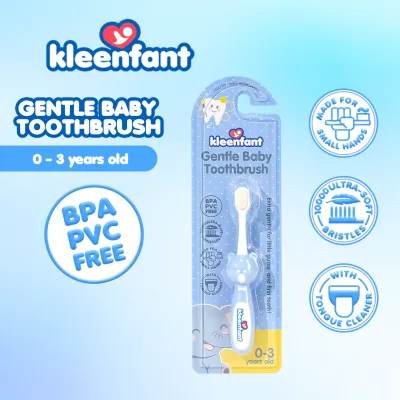
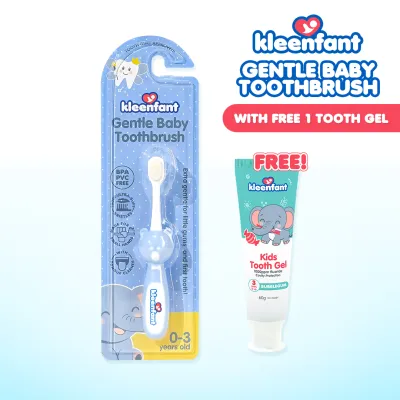
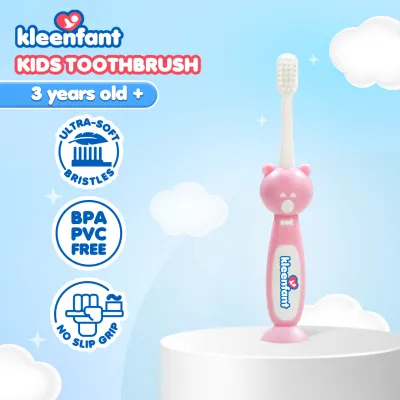
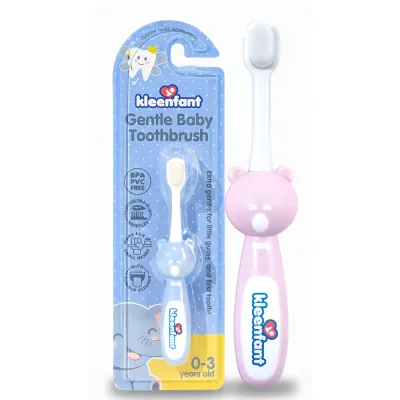
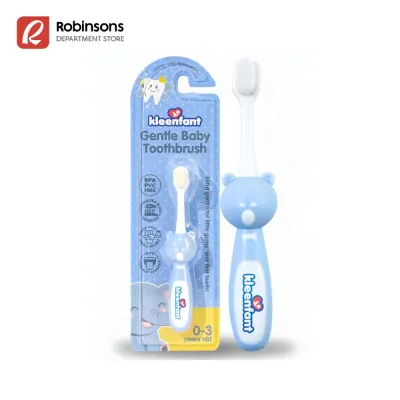
Prices are valid at publication and may change. Please refer to the product page for the latest price.
As these physical changes occur, your baby’s motor skills undergo a parallel evolution that directly affects how they interact with oral care tools. Infants initially rely on the palmar grasp, using their entire hand to clutch objects, combined with a strong biting reflex that causes them to clamp down on anything placed in their mouth. As hand-eye coordination improves, toddlers develop the fine motor control needed to guide a brush toward their teeth, though they still lack the dexterity for thorough cleaning. Understanding these physical limitations helps caregivers select a toothbrush handle that accommodates a child’s grip while ensuring the brush head cannot be pushed too far into the mouth.
While manufacturers provide general age brackets on their packaging, these ranges are merely starting points. Every child develops at their own pace, meaning you must observe individual physical cues to determine when it is time to upgrade their toothbrush. If your baby is constantly chewing on toys, drooling excessively, or watching you with intense curiosity when you brush your own teeth, they are demonstrating readiness for a new stage of oral care. Conversely, if teething is significantly delayed or if you notice unusual gum discoloration, it is best to consult a pediatric dentist for personalized guidance rather than relying solely on standard age guidelines.
Choosing the Right Kleenfant Toothbrush for Each Stage
Baby toothbrushes are not one-size-fits-all items; they are specialized training tools designed to evolve alongside your child’s growing mouth and developing motor skills. What works perfectly for a four-month-old infant will be entirely inadequate, and potentially unsafe, for a two-year-old toddler who has a mouth full of molars. As you navigate the Kleenfant product range, your goal is to match the brush head size, bristle material, and handle shape to your child’s immediate physical needs and safety requirements.

While Kleenfant offers a variety of baby-friendly oral care products, you must always check the official packaging of the specific variant you are purchasing to verify its age grading and intended use. Manufacturers periodically update their designs, materials, and safety recommendations, meaning that the details printed on the physical box are always the most reliable source of truth. By combining your observation of your child’s developmental milestones with the manufacturer’s official instructions, you can confidently select a tool that supports safe and effective oral hygiene.
Stage 1: Gum Care and Early Teething (0 to 6 Months)
During the first six months of life, oral care focuses entirely on maintaining a clean environment for future teeth and soothing the early discomfort of teething. Stage 1 tools are typically designed as silicone finger brushes or soft gum massagers that fit snugly over a caregiver’s finger. These tools feature extremely soft, flexible silicone nubs rather than traditional bristles, allowing you to gently sweep away milk deposits from the tongue and gums without irritating sensitive tissues.
Using a finger brush during this early stage serves a dual purpose: it cleanses the mouth and desensitizes your baby to the sensation of having an object placed inside their oral cavity. Gently massaging the gums can provide significant relief from the pressure of emerging teeth, turning what could be a stressful experience into a soothing routine. This early introduction helps prevent future resistance to brushing, establishing oral care as a normal, comforting part of their daily schedule.
Before purchasing any Stage 1 tool, inspect the product packaging to ensure the material is made from food-grade silicone and is certified free from BPA and other harmful chemicals. Before every use, wash your hands thoroughly and perform a physical inspection of the finger brush, stretching the silicone slightly to check for any tiny tears, punctures, or signs of wear. If you detect any damage, discard the brush immediately to prevent any material from tearing off during use.
It is critical to remember that Stage 1 finger brushes are designed exclusively for caregiver operation. Never hand a finger brush to your baby to play with or chew on independently, as they do not have the motor control to use it safely, and the small size of the tool poses a severe choking hazard. Always store the finger brush completely out of your baby’s reach immediately after you finish cleaning their gums.
Stage 2: First Teeth and Biting Practice (6 to 12 Months)
The eruption of the first teeth, usually occurring between six and twelve months, marks the transition to Stage 2 training brushes. These brushes are specifically engineered to bridge the gap between passive gum care and active brushing, featuring short, chunky handles that are easy for tiny hands to grasp. The brush heads at this stage typically utilize soft silicone bristles or rounded rubber nubs that can clean the surfaces of newly emerged teeth while continuing to massage the surrounding gums.
A defining safety feature of a high-quality Stage 2 training brush is the inclusion of a built-in safety guard or choke shield. This wide, circular collar attaches to the neck of the brush, physically preventing your baby from inserting the brush too far into their throat as they explore the tool with their mouth. When evaluating Kleenfant Stage 2 variants, always verify that this safety guard is securely attached and cannot be easily pulled off by a curious child.
While Stage 2 brushes are designed to let your baby practice holding the handle and biting the bristles, your child does not yet possess the coordination to clean their own teeth. At this stage, independent use is purely for sensory exploration and habit formation. You must still perform the actual cleaning of their new teeth, either by using a soft, damp cloth to wipe away food particles or by taking control of a separate, caregiver-operated brush to clean all tooth surfaces thoroughly.
Because babies at this stage have a powerful biting reflex and sharp new incisors, Stage 2 brushes are subjected to intense wear and tear. You must inspect the silicone bristles and the safety guard before and after every single brushing session. If you notice any loose silicone nubs, bite marks that have partially severed the material, or cracks in the safety guard, discard the toothbrush immediately and replace it with a new one to prevent choking risks.
Stage 3: Toddler Brushing and Skill Building (1 to 3 Years)
As your child enters their toddler years, typically between one and three years of age, their oral care needs become more aligned with traditional brushing practices. Stage 3 toothbrushes are designed to look like miniature versions of adult toothbrushes, featuring small, tapered brush heads that can easily reach the back molars. These brushes transition from silicone nubs to ultra-soft nylon bristles, which are far more effective at sweeping away plaque and food debris from the crevices of fully erupted teeth.
The handle of a Stage 3 brush is specifically contoured for a toddler’s developing grip, often featuring a thicker, ergonomic shape with non-slip rubber inserts. This design helps your child practice the back-and-forth and circular motions of brushing without the tool constantly slipping from their hand. When choosing a Kleenfant Stage 3 variant, look for rounded bristle tips on the packaging, as these are designed to protect your toddler’s delicate gum line from accidental scratches during enthusiastic brushing sessions.
At this stage, the primary goal is to foster independence while maintaining strict quality control over the cleaning process. Encourage your toddler to brush their own teeth first to build confidence and motor skills, but always follow up with a thorough “cleanup” brush yourself. Toddlers lack the wrist flexibility and attention span to clean the inner and back surfaces of their teeth, making active caregiver participation essential until they are much older.
Caregiver supervision remains mandatory during every single brushing session in Stage 3. Toddlers can easily trip or fall while holding a toothbrush, which can cause severe oral trauma if they run with the brush in their mouth. Additionally, close supervision ensures that your child does not swallow excessive amounts of toothpaste or bite down hard enough on the plastic brush head to damage their teeth or gums.
What to Verify on the Product Label and Packaging
Because product lines and manufacturing specifications can change over time, you should never rely solely on a product’s name or online marketing descriptions when purchasing a toothbrush. Instead, develop the habit of carefully reading the physical packaging or the official product specifications listed on authorized online storefronts. This verification step is your most reliable defense against purchasing an unsuitable or unsafe tool for your child’s specific developmental stage.
When examining a Kleenfant toothbrush package, use the following checklist to verify its safety and suitability:
- Age Grading: Look for an explicit age recommendation (such as 0-6 months, 6-12 months, or 12-36 months) printed clearly on the front or back of the box, and ensure it matches your child's current oral milestones.
- Material Safety: Check for explicit declarations stating that the product is made from food-grade silicone, is 100% BPA-free, and contains no phthalates or toxic dyes.
- Bristle Softness: Verify that the packaging explicitly labels the bristles as "extra soft," "ultra-soft," or "super soft" to ensure they will not damage your baby's delicate enamel and gums.
- Safety Certifications: Look for official quality control marks or safety standard certifications relevant to the local market, ensuring the product has undergone rigorous safety testing.
Be highly cautious of where you purchase your child’s oral care products. The rise of unauthorized third-party sellers on digital platforms has increased the risk of counterfeit goods, which may look identical to genuine Kleenfant products but lack essential safety features, use toxic plastics, or have poorly secured bristles that pose a choking hazard. Always buy directly from official brand stores or authorized retail partners in the Philippines to ensure you are receiving a genuine, safe product.
Ultimately, marketing claims on the front of a box are secondary to the technical specifications and warning labels printed on the back. Take the time to read the fine print, including instructions for cleaning, sterilization limits, and warnings regarding caregiver supervision. If the packaging appears tampered with, lacks clear manufacturer contact information, or does not feature safety warnings, do not use the product and choose an alternative that provides complete transparency.
Safe Brushing Habits and Toothbrush Maintenance
Introducing a toothbrush to your baby should be a gradual, positive process free from pressure or stress. To build a welcoming routine, start by letting your baby hold and explore their Stage 2 training brush during play, always under your direct supervision. You can also model healthy behavior by letting your baby watch you brush your own teeth, as infants learn rapidly through imitation and are more likely to accept a toothbrush if they see their parents using one happily.
When it is time to brush, using the correct physical positioning can make the process safer and much easier for both of you. For infants, try laying your baby gently on your lap with their head close to your knees, giving you a clear, unobstructed view of their mouth. For toddlers, standing or sitting directly behind them in front of a mirror allows you to gently cradle their chin with one hand while using your other hand to guide the toothbrush across their teeth.
Proper cleaning and storage of the toothbrush are critical, especially in the warm, humid climate of the Philippines, where moisture can quickly turn a damp brush into a breeding ground for bacteria and mold. After every brushing session, rinse the toothbrush thoroughly under clean, running tap water, using your thumb to gently rub the bristles to ensure all food particles and toothpaste residues are completely removed. Shake off any excess water vigorously, and store the toothbrush upright in a clean, dry, and well-ventilated holder. Never store a wet toothbrush in a closed drawer, travel case, or near the toilet, as these environments trap moisture and expose the brush to airborne contaminants.
Knowing when to replace your baby’s toothbrush is just as important as keeping it clean. You should replace your child’s toothbrush according to the following guidelines:
- Every 2 to 3 Months: Replace the brush on a regular schedule, or sooner if you notice the bristles are beginning to splay, fray, or lose their original shape, as worn bristles cannot clean effectively and can scratch sensitive gums.
- After Illness: Discard the toothbrush immediately and replace it with a new one if your child has recovered from an illness, such as oral thrush, a cold, or a viral infection, to prevent reinfection.
- Signs of Material Damage: For silicone brushes, inspect the tool daily and replace it immediately if you spot any bite marks, tears, or structural degradation, as compromised silicone can easily break off and become a choking hazard.
Finally, establish a clear safety boundary regarding resistance: if your child resists brushing violently, do not force the toothbrush into their mouth. Forcing a hard object against a struggling child’s gums can cause painful oral trauma, bleeding, and a lasting fear of oral hygiene. Instead, pause the session, comfort your child, and try again later using a gentler approach, or consult a pediatric dentist to discuss alternative behavioral strategies and ensure your child’s oral development is on track.
Frequently Asked Questions (FAQ)
Do I need to use toothpaste with a Kleenfant silicone training brush?
For early gum massage and the initial stages of teething (typically Stage 1 and early Stage 2), toothpaste is not necessary. Cleaning your baby’s gums and newly erupted teeth with clean water or a soft, damp cloth is highly effective and eliminates the risk of swallowing excess product. As more teeth emerge, usually around the age of one, you should consult your pediatric dentist to determine the best time to introduce toothpaste. When you do begin using toothpaste, select an age-appropriate formula and use only a tiny, rice-grain-sized smear for infants and toddlers under three years old to minimize the risk of mild fluorosis if swallowed.
What should I do if my baby chews and damages the silicone bristles?
If your baby bites through, tears, or damages any part of the silicone bristles or the brush handle, you must discard the toothbrush immediately. Damaged silicone is highly unstable and can easily break off into small pieces, posing a severe choking or aspiration hazard to an infant. Inspect the brush thoroughly before every single use, particularly during the heavy teething phase when babies have a strong urge to bite down on hard objects. Never attempt to trim, glue, or repair a damaged toothbrush, as no home repair can guarantee the structural integrity of a baby’s oral care tool.
How can I clean the Kleenfant toothbrush if I don't have a dedicated sterilizer?
The most effective and safest daily cleaning method is to rinse the toothbrush thoroughly under clean, running tap water immediately after use. Unless the specific Kleenfant packaging explicitly states that the product is dishwasher-safe or can withstand boiling temperatures, avoid exposing the toothbrush to high-heat sterilization methods. Excessive heat can warp plastic handles, degrade silicone bristles, and compromise the safety guards. Instead, rely on thorough rinsing, shake off the excess water, and allow the brush to air-dry completely in an upright position in a well-ventilated area away from damp surfaces.
Community discussion
Share your experience or ask a question. Comments are reviewed before publication.