
Establishing a consistent oral care routine early in life is vital for protecting your child’s developing teeth and gums. In the Philippines, where sweet snacks, tropical fruits, and sugary drinks are readily enjoyed, early childhood cavities are a common concern for parents. Choosing the right toothbrush brush for kids is not a one-size-fits-all decision; a child’s mouth undergoes rapid anatomical and developmental changes from infancy through the school-age years. Utilizing a brush that is poorly matched to your child’s age can lead to ineffective plaque removal, gum irritation, or a growing resistance to brushing altogether.
By understanding the specific physical attributes required at each stage of your child’s growth, you can transform dental hygiene from a daily struggle into an engaging, comfortable habit. The ideal toothbrush must adapt to their changing jaw size, the eruption of primary and permanent teeth, and their developing motor skills. Taking the time to evaluate these details will ensure your child’s teeth remain clean, strong, and healthy.
Key Features to Look for in a Toothbrush Brush for Kids
When evaluating a toothbrush brush for kids, parents must look beyond colorful designs and marketing claims to assess the physical characteristics of the brush. The primary goal is to find a tool that safely removes plaque without causing micro-trauma to the delicate tissues of a young mouth. Understanding these core features will help you make an informed decision when browsing the baby care aisle.
Products mentioned in this guide
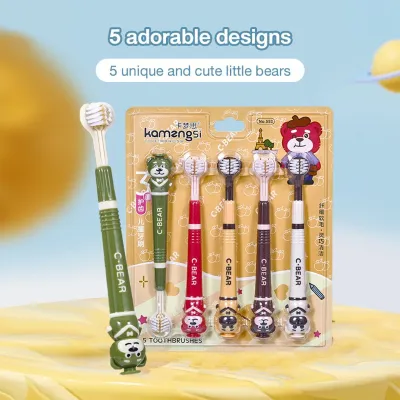
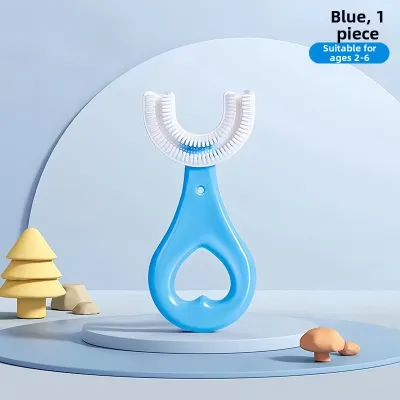
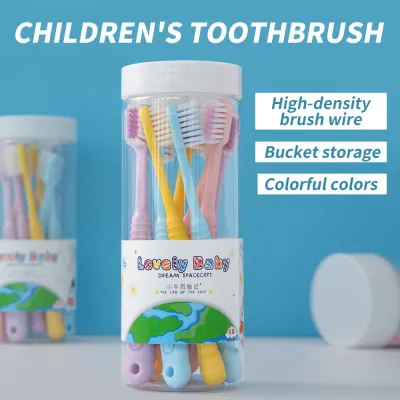
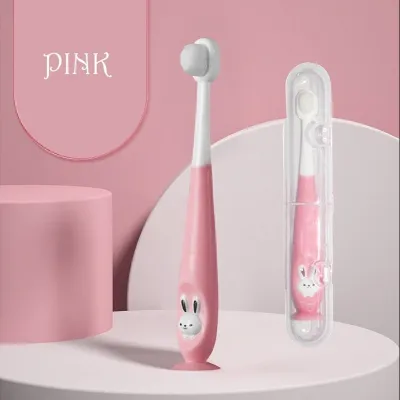
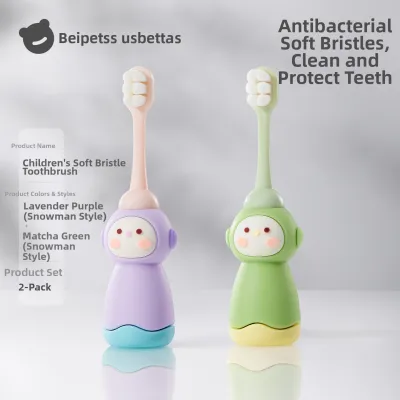
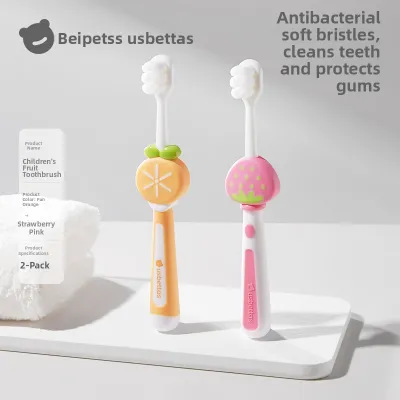
Prices are valid at publication and may change. Please refer to the product page for the latest price.
Bristle Softness
The enamel on primary (baby) teeth is significantly thinner and less mineralized than the enamel on permanent adult teeth, making it highly susceptible to wear and decay. Furthermore, young gums are delicate and easily irritated by aggressive brushing or stiff materials. Parents should always select brushes labeled as “extra-soft” or “soft” to ensure gentle cleaning. Avoid medium or hard bristles entirely, as these can scrape away thin enamel, cause micro-abrasions on the gums, and eventually lead to painful gum recession.
Head Size
A child’s oral cavity is remarkably compact, requiring a brush head that can easily maneuver within tight spaces. The brush head should be small enough to comfortably fit between the cheeks and the teeth, allowing the bristles to clean one or two teeth at a time. If the brush head is too large, it will be virtually impossible to reach the back molars where food particles and plaque easily accumulate. Additionally, an oversized brush head is highly likely to touch the back of the throat and trigger a gag reflex, which can create a negative sensory association with brushing.
Handle Design
The shape and size of the toothbrush handle must match your child’s current level of manual dexterity. Infants and toddlers rely on a palmar grasp, holding objects tightly with their entire fist rather than their fingers. For these younger age groups, look for thick, chunky handles with rubberized, non-slip grips that prevent the brush from slipping out of wet hands. As children transition into preschool and school-age years, their fine motor skills improve, allowing them to use slimmer, longer handles that mimic adult brushes but are scaled down for smaller hands.
How to Choose a Toothbrush by Age and Development Stage
Children’s mouths change rapidly, meaning a toothbrush that was perfect six months ago may no longer be suitable today. To ensure your child is using the safest and most effective tool, it is helpful to break down toothbrush selection by key developmental milestones.

Infants and First Teeth (0 to 12 Months)
Oral hygiene should begin long before the first tooth cuts through the gums. Even before teething starts, milk sugars from breast milk or formula can cling to the tongue and gums, creating an environment where bacteria can thrive. During the first few months, caregivers should use a soft, textured gum wipe or a clean, damp washcloth wrapped around a finger to gently clean the baby’s gums after feedings.
Once the first tooth erupts—typically around six months of age—it is time to transition to a physical cleaning tool. Food-grade silicone finger brushes are excellent for this stage, featuring tiny, flexible silicone bumps that gently sweep away plaque while massaging tender, teething gums. Because infants have no control over their oral care, caregivers must perform 100% of the cleaning. When purchasing these early oral care tools, parents should verify that the materials are certified BPA-free and non-toxic, checking the manufacturer’s packaging for safety compliance.
Toddlers (1 to 3 Years)
Between the ages of one and three, toddlers experience a rapid eruption of primary teeth, including their first set of molars. This stage requires a transition to a traditional toothbrush featuring a very small, rounded head and extra-soft nylon bristles. The rounded head prevents accidental scraping of the inner cheeks and gums, while the soft bristles safely clean the deep grooves of the newly erupted molars.
Toddlers are highly active and often enter a developmental phase of wanting to assert their independence. To encourage this interest, look for toddler-specific brushes with thick, easy-to-grip handles that accommodate their limited coordination. While it is highly beneficial to let your toddler hold the brush and practice moving it around their mouth, they lack the fine motor skills to clean their teeth effectively. Caregivers must always perform the actual brushing or follow up thoroughly after the toddler has finished playing with the brush.
Preschoolers (3 to 5 Years)
By the age of three, most children have a complete set of 20 primary teeth, and their jaws have grown slightly larger. To accommodate this growth and the increased surface area of their teeth, transition to a brush with a slightly larger head, though it must still feature soft bristles. The handle can be slightly slimmer than a toddler’s brush, but it should still incorporate textured rubber grips to prevent slipping.
Preschoolers can be notoriously stubborn when it comes to daily routines, making toothbrushing a common battleground. To reduce resistance, select brushes with engaging designs, bright colors, or popular cartoon characters. Allowing your child to choose their own toothbrush from a pre-selected group of safe options can foster a sense of ownership and excitement. Despite their growing autonomy, children in this age group still require active parental assistance and constant supervision to ensure all tooth surfaces are cleaned properly.
School-Age Children (6 Years and Older)
The transition to school-age marks the beginning of the mixed dentition stage, where primary teeth begin to loosen and fall out, making way for permanent teeth. Around age six, the first permanent molars erupt at the very back of the mouth, behind the existing baby teeth. Because these molars emerge without replacing any baby teeth, parents often do not realize they are present, leaving them vulnerable to early decay.
For children aged six and older, look for junior-sized toothbrushes designed specifically for mixed dentition. These brushes feature tapered heads that can reach the deep recesses of the jaw and varying bristle heights to clean teeth of different sizes. The handles are slimmer and longer to help children maneuver the brush at proper angles. While school-aged children can often brush independently, parents should periodically inspect their technique and check the back teeth for signs of missed plaque or food debris.
Manual vs. Electric: Which is Better for Your Child?
Many parents wonder whether they should invest in an electric toothbrush or stick with a traditional manual option. Both choices can be highly effective at maintaining oral hygiene, but they offer different advantages depending on your child’s age, sensory preferences, and brushing habits.
Age Appropriateness
Electric toothbrushes are generally introduced around age three, once a child is old enough to understand how to hold the device and tolerate the sound and vibration. Before purchasing, parents should check the manufacturer’s age recommendations and warnings on the product packaging. Introducing an electric brush too early can frighten a child, potentially causing them to reject oral hygiene routines altogether.
Benefits of Electric
For children who struggle with the manual coordination required to brush effectively, electric toothbrushes can provide a significant advantage. The rapid oscillation or vibration of the brush head does much of the physical work of breaking up plaque. Many kids’ electric models also include built-in two-minute timers, which use fun sounds or flashing lights to teach children how long they need to brush. Some high-end models even feature pressure sensors that stop the vibration if the child presses too hard, protecting delicate gums from damage.
Safety and Compatibility
If you choose an electric toothbrush, it is critical to purchase replacement heads that are explicitly designed for children. Adult electric toothbrush heads are too large, have stiffer bristles, and vibrate with a force that is too intense for a child’s delicate oral structures. Using an adult head on a child’s electric brush can lead to gum recession, enamel wear, and painful mouth sores. Always verify compatibility and safety standards listed by the manufacturer before use.
Sensory Considerations
Every child has unique sensory preferences. While some children find the buzzing vibration of an electric toothbrush exciting and ticklish, others—especially those with sensory processing sensitivities—may find the noise and movement overwhelming or physically uncomfortable. If your child shows extreme distress or anxiety when using an electric brush, do not force the issue. A high-quality manual toothbrush with extra-soft bristles, used with proper technique, is perfectly capable of keeping your child’s teeth clean and healthy.
Cost Considerations
In the Philippine market, manual toothbrushes are highly accessible and affordable, typically ranging from ₱50 to ₱150, making frequent replacements highly economical. Electric toothbrushes represent a larger upfront investment, usually costing between ₱500 and ₱2,500, with replacement heads also commanding a higher price. Parents should weigh these costs against their child’s willingness to brush and their overall oral health needs.
When to Replace Your Child's Toothbrush
A toothbrush is only effective if its bristles are in optimal condition. Over time, physical wear and environmental factors can compromise the hygiene and performance of your child’s toothbrush, making regular replacement essential.
Visual Cues
Parents should inspect their child’s toothbrush weekly for signs of physical wear. Look closely at the bristles; if they appear frayed, splayed, or bent outward, the brush must be replaced immediately. Splayed bristles lose their ability to reach into the tight crevices between teeth and along the gumline, leaving plaque behind. Furthermore, worn bristles can become sharp and abrasive, which can irritate and damage your child’s sensitive gums.
General Timeframes
As a general guideline, a child’s toothbrush should be replaced every three to four months. However, children’s brushes often wear out much faster than those of adults. Toddlers and young children frequently bite or chew on the brush head while brushing, which can destroy the bristle structure in a matter of weeks. In the warm, highly humid climate of the Philippines, wet toothbrushes are also more susceptible to harboring bacteria and mold. To prevent this, always store the toothbrush upright in an open holder where it can air-dry completely, and discard it immediately if you notice any discoloration or unusual odors.
Illness Protocol
If your child has recently recovered from a contagious illness, such as a cold, flu, viral infection, or strep throat, replace their toothbrush immediately. Pathogens can linger on the moist bristles of a toothbrush for days, posing a risk of reinfection or spreading the illness to other family members if brushes are stored close together. Keeping a spare, unopened toothbrush in your bathroom cabinet ensures you can make this quick switch without disrupting your child’s daily routine.
Frequently Asked Questions (FAQ)
Can my child use a regular adult toothbrush if it has soft bristles?
No, children should not use adult toothbrushes, even if the bristles are labeled as soft. The brush head of an adult toothbrush is far too large to navigate the small spaces of a child’s mouth, making it nearly impossible to clean the back molars effectively and increasing the risk of triggering the gag reflex. Additionally, adult toothbrush handles are designed for mature hands and do not provide the thick, non-slip, ergonomic grip that children need to control the brush properly, often resulting in poor brushing angles and missed spots.
At what age can my child brush their teeth without supervision?
Most children do not develop the fine motor skills and manual dexterity required to brush thoroughly and independently until around age seven or eight. A reliable developmental milestone to look for is the ability to tie their own shoelaces or write clearly in cursive; if they can manage these complex tasks, they likely have the coordination needed to brush effectively. Even after your child begins brushing independently, parents should continue to supervise periodically, inspect their technique, and check the back teeth to ensure no plaque is left behind along the gumline.
Community discussion
Share your experience or ask a question. Comments are reviewed before publication.