
Choosing the right breast pump is one of the most significant decisions you will make during your breastfeeding journey. To select the ideal Horigen breast pump for your daily routine, you must balance your personal pumping frequency, your typical environment, and your need for portability. Because every mother’s daily schedule is unique—whether you are returning to an office, managing a household, or exclusively pumping at home—the right choice depends on matching specific pump features to your lifestyle.
In tropical climates like the Philippines, practical factors such as high humidity, daily commutes, and occasional power fluctuations also play a critical role in your decision. A pump that works perfectly for a stay-at-home mother might not suit a working mother who commutes daily. By evaluating how, where, and how often you plan to express milk, you can identify the specific category and features of a Horigen pump that will support your breastfeeding goals comfortably and efficiently.
Assess Your Daily Pumping Needs and Lifestyle
Before looking at specific models, you need to establish your pumping frequency. If you are an exclusive pumping mother, you will rely on your machine multiple times a day, requiring a heavy-duty motor designed for frequent use. On the other hand, if you primarily direct-feed your baby and only pump occasionally to relieve engorgement or build a small freezer stash, a lighter, more compact option will serve you well without unnecessary complexity.
Products mentioned in this guide
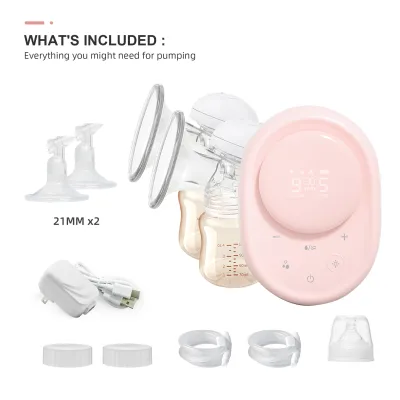
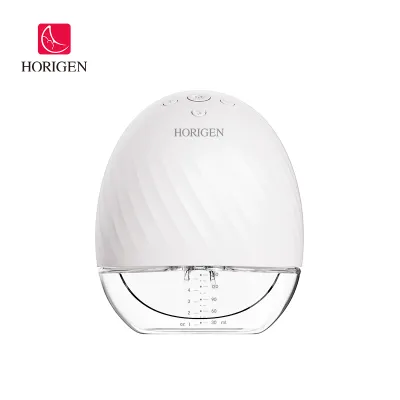
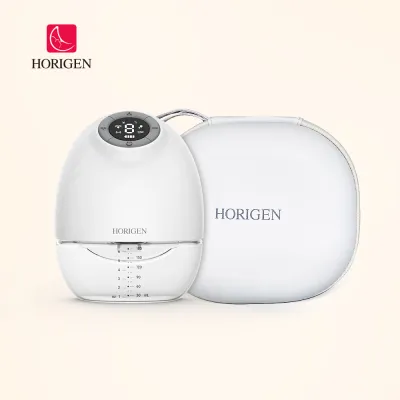
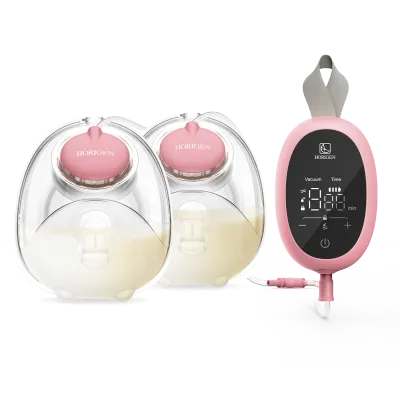
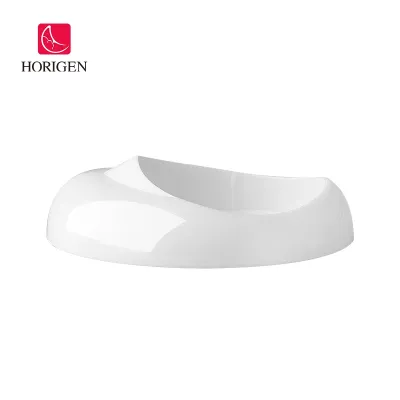
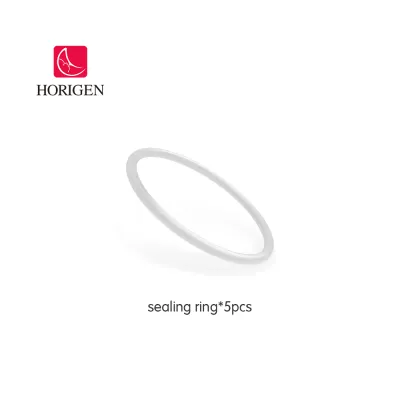
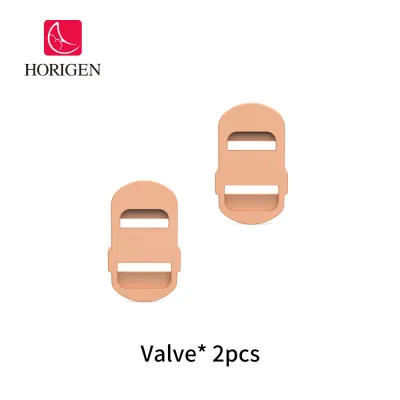
Prices are valid at publication and may change. Please refer to the product page for the latest price.
Your typical pumping environment dictates the level of privacy and portability you require. Pumping at home allows you to use larger, plug-in double electric pumps that can sit on a bedside table or desk. However, if you are returning to a workplace, especially one with shared spaces or limited private lactation rooms, you will need a highly discreet pump that operates quietly and fits easily into a standard tote bag.
Mobility and daily transit are crucial considerations, particularly when navigating long commutes or active schedules. If you spend significant time traveling or commuting, a heavy, corded pump becomes a burden. You must consider how easily you can transport the pump motor, bottles, and shields without straining your shoulders or requiring multiple bulky bags.
Power accessibility is another vital factor that varies by location. In areas prone to power interruptions or during long transit periods where wall outlets are unavailable, relying solely on a plug-in pump is risky. A pump with a robust, built-in rechargeable battery ensures you can maintain your pumping schedule regardless of local power stability. Assess how many hours you typically spend away from an electrical outlet each day to determine the minimum battery capacity you need.
Key Features to Compare Across Horigen Options
When comparing different models within the Horigen lineup, suction strength and cycle customization should be your first points of comparison. Look closely at the product specifications for adjustable vacuum levels and expression modes. A quality pump should offer a stimulation mode with fast, shallow cycles to trigger your let-down reflex, followed by an expression mode with slower, deeper suctions to mimic a baby’s natural feeding pattern. Ensure the model allows you to adjust these settings independently so you can find the exact combination that maximizes your milk yield without causing physical discomfort. Always start on the lowest setting and gradually increase it; if you experience persistent pain, stop pumping immediately and consult a lactation professional.

Flange sizing and material compatibility are critical for both comfort and milk flow. A flange that is too small or too large can cause friction, pain, and clogged milk ducts. Check the product packaging or official listings to see what flange sizes are included in the box and whether the brand offers smaller inserts or larger replacement shields. Additionally, look for soft silicone flanges or cushions, which conform more naturally to the breast shape and provide a gentler seal compared to rigid plastic alternatives.
Motor noise is a key specification to verify, especially if you plan to pump in an office cubicle, a quiet nursery, or during late-night sessions while your baby sleeps. While manufacturers often describe their motors as quiet, you should look for specific decibel ratings in the user manual or product descriptions. A lower decibel level ensures you can express milk discreetly without drawing unwanted attention or waking a sleeping household.
The ease of cleaning and assembly directly impacts your daily stress levels. Examine the design of the pump’s expression collection kit to count the number of individual parts, such as valves, membranes, connectors, and bottles. In warm, humid environments, milk residue can quickly lead to bacterial growth if parts are difficult to wash and dry. Choosing a model with fewer, easily accessible parts simplifies your sterilization routine and saves valuable time after every session.
Matching Horigen Pump Categories to Your Routine
Manual breast pumps represent the simplest and most portable option available. These pumps require no electricity or batteries, relying entirely on hand coordination to create suction. They are exceptionally quiet, lightweight, and compact enough to fit into a small handbag. A manual pump is highly suitable as a backup during unexpected power outages, for quick relief while traveling, or for occasional use when you do not want to set up a complex electric system. However, they are not practical for exclusive pumping due to the physical effort required.
Standard double electric breast pumps are the workhorses of milk expression. These models feature a larger, more powerful motor unit that connects to two collection bottles via silicone tubing. They provide consistent, strong suction and allow you to pump both breasts simultaneously, which can significantly reduce your pumping time and help stimulate overall milk production. This category is ideal for mothers who pump frequently at a dedicated desk or at home, where portability is secondary to power and efficiency.
Portable and wearable breast pumps are designed specifically for active, multitasking lifestyles. Wearable models fit entirely inside your standard nursing bra, eliminating external tubes, wires, and hanging bottles. This design allows you to pump hands-free while working at your computer, managing household chores, or even during your daily commute. While portable pumps offer unmatched freedom, they may have slightly smaller milk collection capacities and require more frequent charging compared to standard desktop models. Evaluate whether the convenience of hands-free movement outweighs the need for larger bottle capacities.
What to Verify Before You Buy
To ensure you receive a genuine product that is safe for both you and your baby, purchase your pump only from official brand stores or authorized e-commerce platforms. Counterfeit baby products may use sub-standard plastics containing harmful chemicals like BPA, and their motors may lack proper suction regulation, risking physical injury. Verifying the seller’s official authorization badge on your chosen online marketplace is a simple step that protects your health and investment.
Reviewing the manufacturer’s warranty terms is essential for long-term peace of mind. A reliable warranty ensures that if the pump motor experiences a technical failure, you can access prompt repairs or replacements without paying out of pocket. Check the specific duration of the warranty within the Philippines and confirm how to contact local customer support or service centers should you encounter any operational issues.
Finally, calculate the ongoing cost of ownership by checking the availability and prices of replacement accessories in ₱. Over months of regular use, consumable parts such as silicone valves, diaphragms, and tubing will naturally wear out and require replacement to maintain optimal suction. Ensure these specific spare parts are readily available for purchase locally so you do not face long shipping delays or high import fees when you need a replacement urgently.
Frequently Asked Questions (FAQ)
How often should I replace the silicone parts of my breast pump?
Silicone parts, such as duckbill valves, diaphragms, and sealing rings, are highly flexible components that stretch and contract with every suction cycle. Over time, this constant movement causes the silicone to lose its elasticity, micro-tears to develop, and suction efficiency to drop. Generally, if you pump multiple times a day, you should inspect and replace these parts every one to three months, or as specified in your user manual. If you notice a sudden decrease in suction power, visible warping, or small tears during cleaning, replace the affected parts immediately to restore proper performance.
Can I use third-party flanges with my Horigen breast pump?
Using third-party flanges or aftermarket breast shields requires careful consideration of compatibility and safety. For a breast pump to extract milk effectively, there must be a completely airtight seal between the flange, the connector, and the motor tubing. Mixing brands can lead to loose connections, air leaks, and reduced suction, which can strain the pump motor and potentially void your manufacturer’s warranty. Before attempting to connect non-original accessories, consult your official user manual to check the connection specifications, or contact customer support to verify if specific adapters are approved for use.

Community discussion
Share your experience or ask a question. Comments are reviewed before publication.