
Choosing the right Heger baby bath and skincare products for your newborn requires prioritizing minimal intervention, verifying age-suitability labels, and selecting fragrance-free, mild formulations that support the natural development of the infant skin barrier. In a warm, humid tropical climate like the Philippines, managing sweat and moisture without over-cleansing or clogging delicate pores is the key to keeping newborn skin healthy. Parents must focus on essential hygiene and targeted moisture rather than multi-step routines that can overwhelm sensitive skin.
Navigating the vast array of baby care products can feel overwhelming for new parents. While marketing campaigns often suggest that a newborn needs a complex regimen of lotions, oils, washes, and powders, pediatric dermatologists emphasize simplicity. By understanding the unique physiology of your baby’s skin and learning how to evaluate product labels systematically, you can make informed, safe choices that protect your infant’s health.
Understanding Your Newborn's Skin Care Needs
A newborn baby’s skin is structurally and functionally different from adult skin. It is approximately thirty percent thinner, which means it loses moisture much faster and is far more susceptible to environmental irritants. The outermost layer of the skin, the stratum corneum, is still developing its barrier function during the first few months of life, making it highly permeable to topical substances.
Products mentioned in this guide
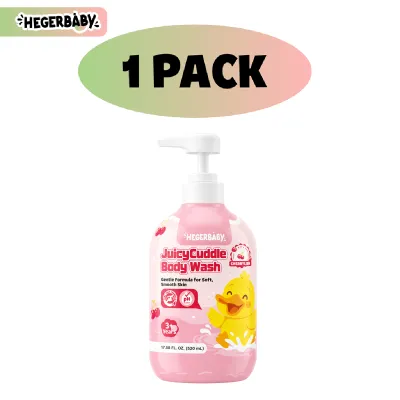
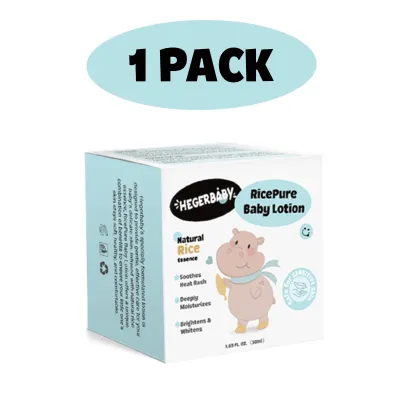
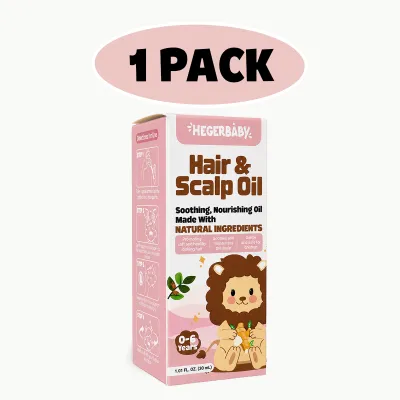
Prices are valid at publication and may change. Please refer to the product page for the latest price.
Because of this structural immaturity, a newborn’s skin has a heightened sensitivity to harsh chemicals, synthetic fragrances, and strong preservatives. The natural protective acid mantle, which helps defend against harmful bacteria and fungi, takes time to establish after birth. Introducing complex formulations or heavily fragranced products too early can disrupt this delicate balance, leading to dryness, irritation, or contact dermatitis.
The fundamental principle of newborn skincare is minimal intervention. During the first few weeks, a baby’s skin requires very little external assistance to maintain its health. Over-cleansing or applying unnecessary creams can strip away the natural lipids that keep the skin hydrated and protected. Routine care should focus on keeping the diaper area clean and dry, gently wiping away milk residue, and providing targeted moisture only when visible dryness occurs.
Parents must learn to differentiate between actual dermatological needs and persuasive marketing claims. Terms like “hypoallergenic,” “natural,” or “organic” on a product label are often used loosely and do not guarantee that a product is completely safe for every infant. Instead of relying on broad marketing buzzwords, caregivers should focus on reading the actual ingredient list and verifying the manufacturer’s age recommendations.
In a tropical climate characterized by high heat and humidity, newborn skin faces unique challenges. Sweat retention can easily lead to heat rash, commonly known as bungang-araw, particularly in the skin folds of the neck, armpits, and groin. Heavy, highly occlusive creams and thick oils can trap sweat and heat against the skin, exacerbating these conditions. Therefore, selecting lightweight, breathable formulations and using them sparingly is essential for maintaining skin comfort in warm environments.
Evaluating Heger Baby Bath Wash for Newborns
When considering a Heger baby bath wash for your newborn, the first and most critical step is to check the manufacturer’s explicitly stated minimum age on the product label. Many baby washes are formulated for older infants or toddlers and may contain cleansing agents that are too strong for a newborn. Look for clear indicators on the packaging, such as “suitable from birth,” “0+ months,” or “newborn safe,” to ensure the formulation is designed for the most delicate skin.

Reading the ingredient list is the most reliable way to evaluate the safety of a bath wash. Avoid products that contain harsh surfactants like sodium lauryl sulfate (SLS) or sodium laureth sulfate (SLES), which are known to strip the skin of its natural oils and cause significant dryness. Instead, look for mild, non-ionic, or amphoteric surfactants derived from natural sources, such as coco-glucoside or decyl glucoside, which cleanse gently without disrupting the skin barrier.
Fragrance is another major consideration when selecting a bath wash for a newborn. Even fragrances derived from natural essential oils can contain volatile compounds that trigger allergic reactions or sensitize highly reactive skin. Opt for fragrance-free formulations rather than those labeled “scented” or “mildly fragranced.” Additionally, ensure the product is free from parabens, formaldehyde-releasing preservatives, and artificial colorants.
When introducing a Heger bath wash to your newborn’s routine for the first time, observe the skin closely after the first few uses. Wash a small, localized area first rather than bathing the entire body with the product. Look for any immediate or delayed signs of irritation, such as redness, dry patches, flaking, or tiny raised bumps. If the baby’s skin remains clear and smooth, you can gradually integrate the wash into their regular bathing routine.
It is vital to establish clear conditions for when to stop using a product and seek professional medical advice. If you observe persistent redness, scaling, swelling, or if your baby shows signs of discomfort or itching during or after a bath, discontinue the use of the bath wash immediately. Wash the skin with plain, lukewarm water to remove any remaining residue, and consult a pediatrician or a pediatric dermatologist to evaluate the reaction and receive appropriate guidance.
Assessing Heger Skincare Oil for Infant Massage and Moisture
Infant massage is a wonderful way to bond with your newborn, but choosing the right oil requires careful evaluation of the product’s ingredients. Skincare oils generally fall into two categories: mineral-based and plant-based. Mineral oil is highly stable, does not oxidize easily, and acts as an effective occlusive barrier to lock in moisture, making it a safe choice for very dry skin. High-quality plant-based oils, such as sunflower seed oil, can also support the skin barrier, but they must be pure and free from irritating additives.
Before purchasing a Heger skincare oil, read the ingredient disclosure carefully to check for added fragrances, essential oils, or synthetic preservatives. Many massage oils are marketed with soothing scents like lavender or chamomile to promote sleep, but these aromatic compounds can be highly irritating to a newborn’s sensitive skin and respiratory system. A truly safe massage oil for a newborn should be completely fragrance-free and contain minimal, high-purity ingredients.
Performing a localized patch test is an essential safety measure before applying any new oil to your baby’s body. To conduct a patch test, apply a single drop of the Heger skincare oil to a small, clear area of the baby’s skin, such as the inner forearm or the upper thigh. Leave the oil on the skin and monitor the area closely for 24 hours, looking for any signs of redness, swelling, warmth, or tiny bumps. If no reaction occurs, the oil is generally safe to use on larger areas of the body.
In a warm and humid tropical climate, the application of skincare oils must be managed with extra caution. Applying thick layers of oil over the entire body can clog the baby’s developing sweat glands, leading to heat rash or milia. To prevent this, use the oil sparingly, focusing primarily on areas of localized dryness, such as the ankles or wrists, and avoid applying it to the face, chest, or deep skin folds where sweat tends to accumulate.
Always ensure that the baby’s skin is clean and slightly damp before applying skincare oil, as this helps lock in moisture more effectively without requiring a large amount of product. If your baby has been diagnosed with infantile eczema or has broken skin, consult a healthcare professional before using any massage oils, as certain oils can penetrate the compromised skin barrier and potentially trigger allergic sensitization.
Sunscreen for Newborns: What You Need to Know Before Buying
There is a clear and unanimous medical consensus regarding the use of sunscreen on very young infants. Pediatricians and dermatologists worldwide advise against applying topical sunscreen to babies under six months of age. A newborn’s skin is exceptionally thin and has a high surface-area-to-body-weight ratio, which significantly increases the risk of systemic absorption of active sunscreen chemicals, potentially leading to adverse reactions.
For newborns and infants under six months, physical sun protection is the primary and safest method of defense against harmful ultraviolet (UV) radiation. Keep your baby out of direct sunlight entirely, especially during peak hours when the sun’s rays are most intense. When outdoors, rely on physical shade from trees or umbrellas, dress your baby in lightweight, breathable, long-sleeved clothing, use wide-brimmed hats, and utilize UV-protective covers or canopies on strollers.
If you are considering purchasing a Heger sunscreen for future use, always check the product label for the minimum age requirement. Most baby sunscreens are formulated and tested specifically for infants aged six months and older. Introducing sunscreen before this age should only be done under the direct guidance of a pediatrician in exceptional circumstances where adequate shade and clothing are absolutely unavailable.
When evaluating sunscreens for older infants, inspect the active ingredients list to ensure the product uses physical mineral blockers rather than chemical filters. Physical sunscreens containing zinc oxide or titanium dioxide sit on top of the skin’s surface and reflect UV rays away, making them much less likely to cause skin irritation or allergic reactions compared to chemical filters like oxybenzone or avobenzone.
Additionally, look for water-resistant, fragrance-free, and broad-spectrum formulations that protect against both UVA and UVB rays. Even when using a safe mineral sunscreen on an older infant, physical shade and protective clothing should remain your first line of defense against sun exposure, with sunscreen applied only to small, exposed areas such as the face and the backs of the hands.
Purchasing Safely and Reading Product Labels
To ensure the safety and health of your newborn, it is crucial to purchase genuine Heger baby products from authorized brand stores, official pharmacies, or reputable e-commerce platforms. Counterfeit baby skincare products are a significant hazard, as they may be manufactured in unregulated facilities and contain harmful contaminants, banned preservatives, or incorrect ingredient concentrations that can cause severe skin reactions.
When you receive a Heger product, take a few moments to carefully inspect the physical packaging and locate key safety information. Look for the expiration date, which is often represented by an open jar icon with a number indicating the product’s shelf life after opening, or a clearly stamped date code. Check for a batch or lot number, which is essential for tracking the product in the event of a manufacturer inquiry or safety recall.
Ensure that the safety seal on the bottle or box is completely intact before using the product on your baby. A broken or missing seal indicates that the product may have been tampered with, diluted, or exposed to contaminants during transit or storage. If you suspect that a product is not genuine or has been compromised, do not use it on your newborn and contact the retailer or manufacturer immediately.
If your newborn has pre-existing skin conditions, such as neonatal acne, cradle cap, or a family history of atopic eczema, it is highly recommended to consult a pediatrician before introducing any new commercial skincare products. A healthcare professional can help you identify potential triggers, recommend specific ingredient profiles, and provide a safe, customized skincare plan tailored to your baby’s unique dermatological needs.
By adopting a cautious, systematic approach to purchasing and evaluating baby skincare products, you can protect your newborn’s delicate skin from unnecessary irritation. Remember that when it comes to newborn skincare, less is almost always more. Focus on high-quality, fragrance-free essentials, verify every label, and prioritize physical protection and gentle hygiene to keep your baby’s skin healthy and comfortable.
Frequently Asked Questions (FAQ)
Can I use Heger baby wash on my newborn's face?
Before using any Heger baby wash on your newborn’s face, check the product packaging to ensure it is explicitly labeled as safe for facial use and certified as tear-free. The skin on a newborn’s face, particularly around the eyes and mouth, is exceptionally thin, sensitive, and highly prone to irritation from cleansing agents.
For routine daily cleaning, plain lukewarm water and a soft, damp cotton ball or clean washcloth are the safest and most recommended options. Gently wiping the face with water is sufficient to remove milk residue, drool, and sweat without stripping the skin’s natural moisture or risking eye irritation from soapy washes.
How often should I bathe my newborn with Heger bath wash?
Newborns do not require daily baths with soap or bath wash. Standard pediatric guidelines recommend bathing a newborn two to three times a week, as excessive bathing can dry out their delicate skin and disrupt the natural development of the skin barrier.
You can adjust this frequency based on your baby’s skin condition and the local climate. In hot, humid tropical environments, a quick daily rinse with plain lukewarm water can help clear sweat and prevent heat rash, while reserving the Heger bath wash for the diaper area and skin folds every few days or as advised by your pediatrician.
Community discussion
Share your experience or ask a question. Comments are reviewed before publication.