
Choosing the ideal feeding bottle organizer for on-the-go feeding requires balancing trip duration, your baby’s feeding method, and your preferred style of travel. For short errands, a compact insulated pouch or a stroller caddy keeps essentials within arm’s reach. For full-day outings or long commutes, a structured, multi-bottle tote with separate compartments for clean and used items is indispensable.
In warm, tropical climates like the Philippines, keeping baby bottles shielded from intense humidity, dust, and heat is a constant priority. A reliable organizer must do more than just hold items; it must protect sterilized supplies from environmental contaminants and help maintain safe milk temperatures. By selecting an organizer that fits your specific bottle brands and daily routine, you can ensure your baby’s feeds remain safe, clean, and highly accessible wherever you go.
Essential Features for a Travel-Ready Bottle Organizer
Protection and Cleanliness
When navigating busy urban spaces, public transportation, or outdoor parks, baby bottles are exposed to airborne dust, vehicle exhaust, and high humidity. An enclosed design with durable, dust-proof zippers serves as your first line of defense against these environmental contaminants. Look for organizers that seal completely without leaving open gaps at the corners where dust can easily seep in.
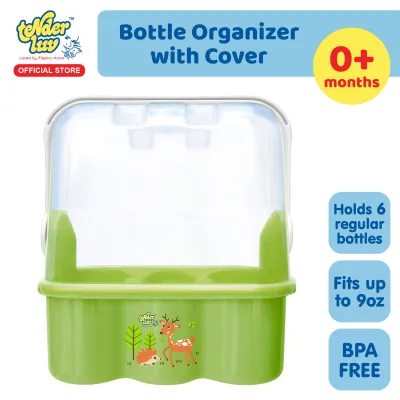
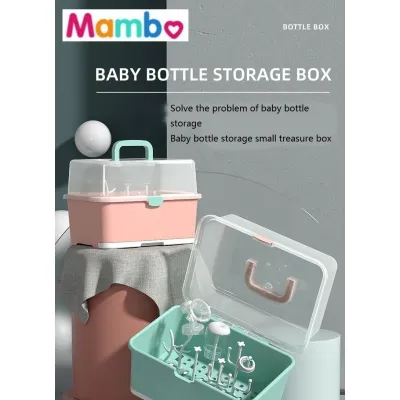
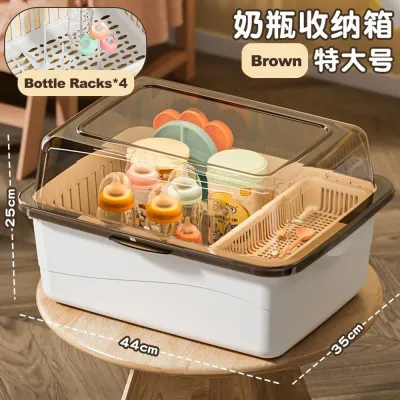
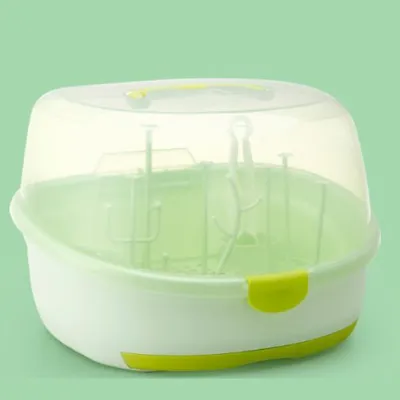
Products mentioned in this guide
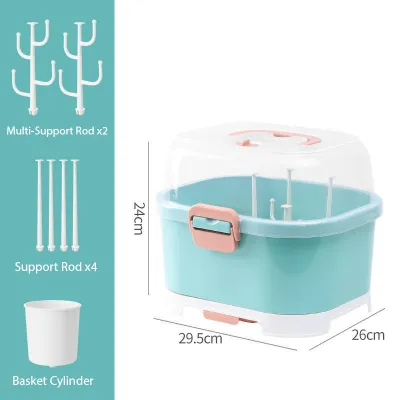
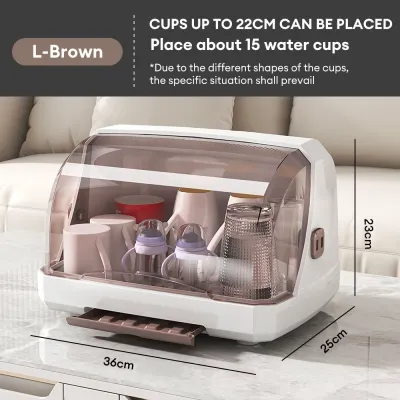
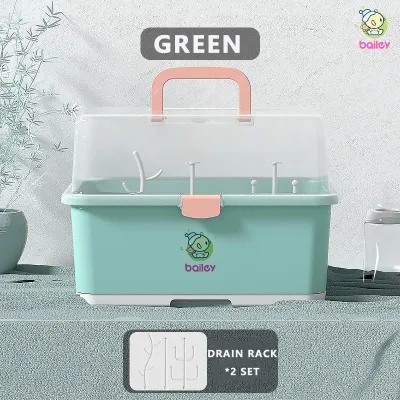
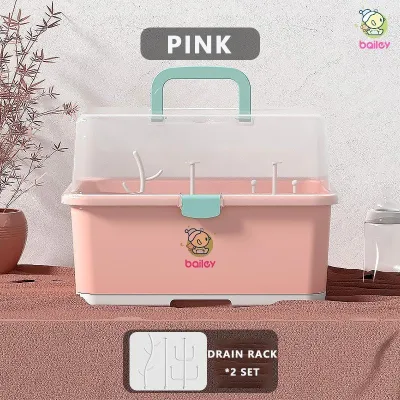
Prices are valid at publication and may change. Please refer to the product page for the latest price.
The interior lining should consist of water-resistant, food-safe, and easy-to-wipe materials such as PEVA or heavy-duty TPU. In humid conditions, condensation can easily form on the outside of cold bottles, making a waterproof barrier between compartments crucial to prevent dry items—like bibs, extra clothes, or formula powder—from getting damp. This allows you to quickly wipe away accidental spills or condensation with a baby wipe, preventing mold and bacteria from thriving in warm conditions. Always verify on the product packaging that the materials used are certified BPA-free and phthalate-free to ensure maximum safety for your baby.
Portability and Carrying Options
A practical travel organizer must adapt to how you move. If you frequently navigate malls or outdoor paths with a stroller, integrated stroller straps or clips are vital for hands-free convenience. However, caregiver safety is paramount: always check your stroller’s manufacturer manual for maximum weight limits on the handlebar, as hanging an excessively heavy bottle organizer can cause the stroller to tip backward and risk injuring your child.
For parents who prefer carrying the organizer independently, look for padded, ergonomic top handles or a detachable, adjustable shoulder strap that distributes weight comfortably across your body. If you plan to pack the organizer inside a larger diaper backpack, choose a streamlined, compact shape without bulky exterior hardware that might snag on other items. This flexibility ensures you can carry your baby safely while keeping feeding supplies within easy reach.
Capacity and Compatibility
Before choosing any organizer, measure your preferred baby bottle brands. Wide-neck bottles, which are popular for mimicking breastfeeding, have a much wider diameter than standard-neck bottles and may not fit into narrow, pre-sewn elastic loops. Ensure the organizer’s interior height can comfortably accommodate taller, high-capacity bottles along with their protective caps.
Additionally, look for flexible layouts or removable dividers that let you customize the space, leaving room for essential accessories like formula dispensers, pacifier cases, or extra nipples. Because elastic bands can stretch and lose their grip over time, organizers with adjustable velcro dividers or solid mesh pockets often provide better long-term durability. Always verify the manufacturer’s specified dimensions and compartment sizes to ensure compatibility with your specific gear before making a purchase.
Choosing the Right Organizer Style for Your Trip
Selecting the ideal organizer style depends heavily on how long you will be away from home and how you plan to feed your baby during the journey. Different travel scenarios demand distinct balances of thermal insulation, capacity, and accessibility.

Insulated Holders for Temperature Control
For parents carrying expressed breast milk or pre-mixed formula, temperature control is a critical safety consideration. Insulated bottle holders utilize specialized thermal linings—often consisting of multiple layers of foil, foam, and water-resistant barriers—to slow down heat transfer. In tropical climates, these linings are essential to prevent milk from spoiling rapidly when exposed to outdoor heat.
To maximize their efficiency, you must use compatible, food-safe ice packs placed directly adjacent to the bottles. Gel packs or contoured hard ice blocks work best to maintain a cold environment inside the bag. Always verify the safe temperature duration specified by the manufacturer, as insulation performance varies widely based on ambient conditions. Before feeding your baby, always perform a manual temperature check by dropping a small amount of milk onto your inner wrist to ensure it is safe and comfortable. If you have questions about safe milk storage limits under specific local conditions, consult a pediatrician or a lactation professional.
Multi-Bottle Totes for Full-Day Outings
When planning a full-day trip, a weekend getaway, or a long family visit, a single-bottle holder is rarely sufficient. A multi-bottle tote provides the structural support needed to carry three to six bottles safely. Look for totes with sturdy, built-in dividers that prevent glass or plastic bottles from clinking against each other, tipping over, or leaking during transit.
A high-quality multi-bottle tote should also feature distinct compartments. Keeping clean, sterilized bottles and feeding accessories physically separated from used, empty bottles or dirty nipples is a fundamental hygiene practice. This structural separation minimizes the risk of cross-contamination while you are away from your home sterilization setup. Some advanced totes even feature a removable insulated sleeve, giving you the flexibility to carry a single bottle for quick side trips.
Stroller Attachments and Bag Inserts for Quick Access
For quick errands, neighborhood walks, or brief trips to a local cafe, immediate accessibility often supersedes the need for heavy insulation. Stroller caddies and attachments secure directly to the handlebar using heavy-duty velcro or adjustable buckles, keeping bottles upright and within arm’s reach of the caregiver. This setup is ideal for storing water bottles or freshly prepared formula that will be consumed immediately.
Alternatively, modular bag inserts turn any standard backpack or tote into an organized diaper bag. These inserts feature structured, elasticized pockets that prevent bottles from rolling around at the bottom of your bag. Utilizing these attachments and inserts helps maintain optimal weight distribution across your stroller or back, reducing physical strain and keeping your hands free to attend to your baby. Always ensure that the organizer is securely fastened and does not interfere with the stroller’s brake mechanisms or folding functions.
Matching the Organizer to Your Baby's Feeding Method
Your baby’s specific feeding routine dictates what accessories you need to carry, which directly influences the type of organizer layout that will work best for your daily life.
Formula Feeding
If you formula-feed, you are not just carrying bottles; you also need to transport clean water, measured formula powder, and preparation tools. Look for a feeding bottle organizer with dedicated, easy-to-reach pockets designed specifically for multi-compartment formula dispensers and measuring scoops. Keeping these items separated from the wet or insulated bottle compartments ensures the formula powder remains completely dry and free-flowing until the moment of preparation.
Many parents prefer to carry warm water in a vacuum-insulated thermos to mix fresh formula on the go. If you use this method, ensure the organizer has a sturdy, reinforced side pocket or an interior sleeve that can support the weight of a heavy metal flask without tipping. Keeping the water thermos secure prevents accidental spills that could damage other baby gear or create a slipping hazard.
Breastfeeding and Pumping
For mothers who pump on the go or transition between direct breastfeeding and bottle-feeding, high-quality insulation is paramount. The organizer should feature deep, secure insulated sections that can hold breast milk storage bags flat or keep pump-compatible bottles upright alongside slim ice packs. Because breast milk storage bags are fragile and can puncture easily, a dedicated, soft-lined compartment is vital to protect them from rubbing against sharp objects like keys, loose zippers, or pen tips.
If you are a working parent returning to an office environment, look for discreet, professional-looking designs that resemble standard lunch totes or sleek backpacks. This allows you to transport expressed milk and pump parts securely and privately. Ensure the bag’s exterior material is easy to clean, as milk residue can dry quickly and cause unpleasant odors if not addressed promptly.
Mixed Feeding and Weaning
As your baby grows and enters the weaning stage, their nutritional needs expand to include solid foods, water, and juices. The ideal organizer for this transition phase features a highly flexible, adjustable interior layout with removable dividers. This adaptability allows you to transition from carrying tall baby bottles to accommodating wider sippy cups, reusable puree pouches, small snack containers, and baby spoons, extending the practical lifespan of your purchase well into toddlerhood.
When packing weaning accessories, look for organizers with dedicated utensil slots or mesh pockets to keep baby spoons clean and isolated from dirty containers. Always supervise your child during feeding and verify that any transition cups, silicone squeeze spoons, or food containers match their current developmental stage and motor skills. If you are unsure about introducing new feeding tools, consult a pediatric occupational therapist or your pediatrician.
Packing and Hygiene Best Practices for Outdoor Feeding
Maintaining strict hygiene while feeding outdoors is essential to protect your baby’s developing immune system from harmful bacteria.
Pre-packing Preparation
Before placing any bottle or accessory into your organizer, ensure it has been thoroughly washed, sterilized, and allowed to air dry completely. Packing damp bottles or accessories into an enclosed, warm organizer creates a highly humid microclimate that encourages rapid mold and bacterial growth. Always wash your hands thoroughly with soap and clean water before handling sterilized items and packing the bag.
If you use a UV sterilizer or steam sterilizer at home, let the bottles cool down to room temperature before packing them. Placing hot bottles directly into an insulated bag can create excess condensation, which pools at the bottom of the compartments and compromises the clean environment. Keep a clean, dry muslin cloth inside the organizer to wipe down any external moisture before assembling the bottles.
Temperature Safety
When feeding on the go, strictly adhere to pediatric health guidelines regarding milk storage. Prepared infant formula should generally be consumed within two hours of preparation or discarded if left at room temperature. Expressed breast milk must be kept cold using reliable ice packs if it is not consumed quickly. If you are traveling in extreme heat, the safety window for milk left at room temperature shrinks dramatically, so always prioritize keeping feeds chilled until the moment of use.
Never attempt to reheat milk multiple times, and discard any unfinished milk left in the bottle after a feed, as bacteria from the baby’s saliva can multiply rapidly. If you notice any unusual odor, color, or separation in the milk, stop use immediately and discard it. For detailed guidelines on milk storage safety, consult a certified lactation consultant or your local health department.
On-the-Go Cleaning
Always pack a compact, travel-sized bottle brush, a small leak-proof container of mild, baby-safe dish soap, and a pack of food-grade, baby-safe sanitizing wipes. If you must clean a bottle while away from home, seek out a clean, potable water source, wash the bottle thoroughly, and wipe down the interior lining of your organizer immediately if any spills occur.
If you are staying at a hotel or a relative’s house, utilize a portable, folding drying rack to let washed bottles air dry in a well-ventilated area. Avoid placing wet, freshly washed bottles directly back into the dark compartments of your organizer, as this will trap moisture and cause unpleasant odors. Let the organizer air out with the zippers open whenever possible to keep the interior fresh and hygienic.
Frequently Asked Questions (FAQ)
Can I use a regular cooler bag instead of a specific bottle organizer?
While a standard household cooler bag can maintain cold temperatures, it lacks the specialized features required for safe baby care. Dedicated feeding bottle organizers are designed with specific upright dividers to prevent bottles from tipping and leaking, dedicated pockets for formula dispensers, and food-safe, ultra-easy-to-wipe interior linings. They also feature convenient attachment systems, such as stroller clips, designed to integrate seamlessly with your existing baby gear and distribute weight safely.
How do I clean a bottle organizer while traveling?
To maintain hygiene on the go, wipe the interior lining daily with a damp cloth and mild, baby-safe soap, or use baby-safe antibacterial wipes to sanitize the surfaces. If a spill occurs, wipe it up immediately to prevent odors and bacterial buildup. Crucially, always leave the organizer open in a well-ventilated area to air dry completely before zipping it closed or packing it away, as lingering moisture in warm climates can quickly lead to mold and mildew.
Community discussion
Share your experience or ask a question. Comments are reviewed before publication.