
Finding the right Ergobaby carrier for your baby’s age and your lifestyle requires balancing your child’s physical development with your daily routines and local climate. The ideal choice is not a single universal model, but rather the specific design that safely supports your baby’s current weight and fits comfortably into your everyday activities. By assessing your child’s developmental milestones, evaluating your typical environments, and understanding the core carrier categories, you can select a model that ensures ergonomic comfort for both you and your little one.
Assess Your Baby's Age, Size, and Carrying Needs
Your baby’s physical development is the primary factor in determining which carrier features are necessary. Newborns require specialized support for their delicate necks and spines, meaning any carrier used in the first few months must offer structured head support and keep the baby in a secure, inward-facing position. Some models require a separate infant insert to safely cradle a newborn, while others are designed to adjust down to a newborn’s size without extra accessories. Always check the manufacturer’s packaging to verify the minimum weight requirement before placing a newborn in any carrier.
As your baby grows and gains head control, their curiosity and physical capabilities change. Older babies and toddlers often benefit from carriers that allow multiple carrying positions, such as outward-facing, hip, or back carry options. To ensure safety during these transitions, caregivers must regularly check the manufacturer’s maximum weight and height limits printed on the product label, as exceeding these limits can compromise the carrier’s structural integrity.
Products mentioned in this guide

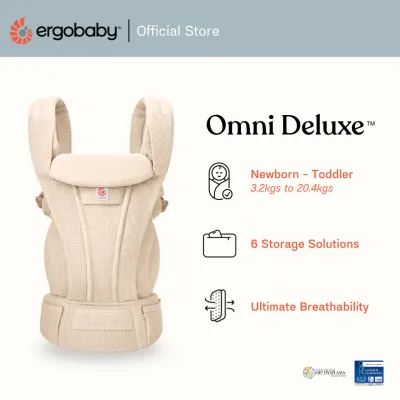
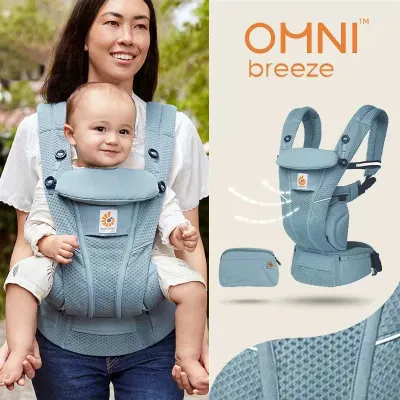
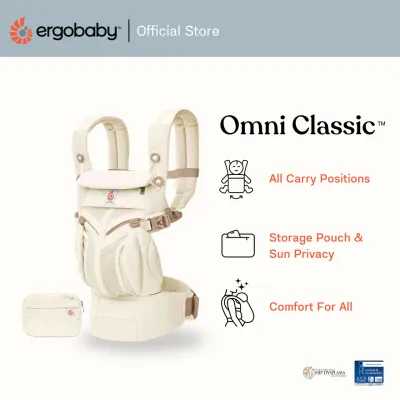
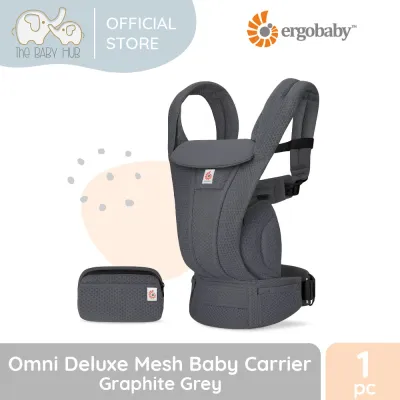
![[Ready stock] Ergo baby Carrier Ergonomics Kangaroo Infant Omni Breeze All-In-One Breathable Air Mesh 0-48 Months 3-20kg](https://img.lazcdn.com/g/p/d6948befeffb2fca708dbf5ed12936a6.jpg_400x400q80.jpg_.webp)
Prices are valid at publication and may change. Please refer to the product page for the latest price.
Adjustability is crucial for accommodating rapid growth spurts. Look for carriers with adjustable seat widths and panel heights that allow you to customize the fit as your baby’s legs grow longer. This adjustability ensures that your child’s hips remain properly supported in an ergonomic “M” shape at every stage of development, promoting healthy joint alignment.
Match the Carrier to Your Daily Lifestyle and Climate
Your daily routine and local environment dictate which carrier features will provide the most practical utility. For quick errands, grocery runs, or solo parenting tasks around the home, a carrier with an intuitive buckle system and simple adjustment straps is highly beneficial. Lightweight designs that you can put on and take off independently without assistance make short trips much more manageable.

If your lifestyle involves long walks, outdoor travel, or extended periods of babywearing, physical comfort and weight distribution become top priorities. Carriers equipped with padded lumbar support, wide shoulder straps, and options for crossable straps help distribute your baby’s weight evenly across your hips and shoulders. This ergonomic support reduces physical strain on the caregiver, allowing you to carry your growing child comfortably for longer durations.
In the tropical climate of the Philippines, managing heat and humidity is essential for both caregiver and baby. Selecting a carrier made with breathable mesh fabrics or moisture-wicking materials helps maximize airflow and prevent overheating during outdoor activities. Keeping your baby cool not only improves their comfort but also reduces the risk of heat rash and fussiness during warm-weather outings.
Compare Core Ergobaby Carrier Categories
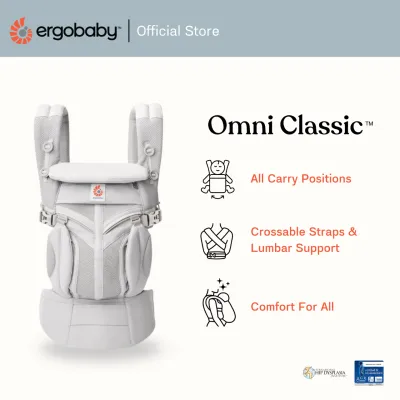
Ergobaby offers several distinct product categories designed to meet different parenting preferences and developmental stages. All-in-one multi-position carriers, such as the Omni series, are engineered for maximum versatility, allowing caregivers to use every carrying position—including inward, outward, hip, and back carry—from infancy through toddlerhood without the need for a separate infant insert. This category is ideal for parents who want a single, highly adaptable gear investment that grows fully with their child.
For those who prefer a more streamlined design and do not prioritize outward-facing options, all-in-one adjustable carriers like the Adapt series offer an excellent alternative. These models focus on providing ergonomic inward-facing, hip, and back carry positions with an adjustable seat that accommodates newborns without extra accessories. This category appeals to parents who value simplicity and structured support without the added complexity of outward-facing configurations.
Newborn-specific wraps and hybrid soft carriers, such as the Embrace series, focus entirely on the unique needs of the fourth trimester. These options combine the cozy, close physical contact of a traditional wrap with the easy buckling system of a structured carrier, making them highly suitable for the early months of life. Because designs and specifications can vary, always verify the exact features, fabric compositions, and weight capacities on the specific product’s official label and packaging before making your final purchase.
Verify Fit, Safety, and Comfort Before Use
Before placing your baby in any carrier, you must verify that the fit supports safe babywearing practices to protect your child’s physical development. Ensure your baby’s hips are positioned in an ergonomic “M” shape, where their knees are slightly higher than their bottom, and their spine is supported in a natural “C” curve. Most importantly, always check that your baby’s face is visible, their chin is off their chest, and their airway remains completely clear and unobstructed at all times.
Achieving a proper fit for the caregiver is equally important to prevent muscle strain or injury. Position the supportive waistband securely around your waist or hips rather than letting it sag, and tighten the shoulder straps so the baby’s weight is held close to your center of gravity. A well-adjusted carrier should distribute the weight evenly across your back and shoulders, making the baby feel relatively light and secure against your torso.
Performing routine safety checks before every use is a critical habit for all caregivers. Inspect all buckles, fasteners, adjustment straps, and seams to ensure they are intact and functioning correctly. If you detect any fraying fabric, cracked plastic buckles, torn stitching, or other signs of structural weakness, stop using the carrier immediately and consult the manufacturer or a qualified professional for guidance.
Frequently Asked Questions (FAQ)
Can I use a standard Ergobaby carrier for a newborn without an insert?
Whether you can use a standard Ergobaby carrier for a newborn without an insert depends entirely on the specific model’s design and your baby’s current weight. Some models are engineered with adjustable seats that are naturally newborn-ready, while older or more traditional models require a dedicated infant insert to support a newborn safely. Always check the manufacturer’s minimum weight requirements and newborn-ready labeling on the product tag before attempting to carry a newborn.
How should I clean my baby carrier to maintain its safety and fabric?
To maintain the safety and structural integrity of your baby carrier, always follow the specific care label instructions attached to the product. Generally, manufacturers recommend spot cleaning minor spills with a damp cloth and mild detergent to preserve the technical fabrics. For a deeper clean, machine wash the carrier on a gentle cycle inside a closed pillowcase or mesh laundry bag, use mild detergent without bleach, and always air dry the carrier completely in a shaded area to protect the buckles and webbing from heat damage.

Community discussion
Share your experience or ask a question. Comments are reviewed before publication.