
Choosing the right duyang for your baby requires balancing comfort with strict safety standards. To make an informed decision, you must evaluate the structural integrity of the frame or suspension system, verify the breathability and strength of the fabric, and ensure the dimensions align with your baby’s current developmental stage. Because a baby’s safety is paramount, every feature—from the locking mechanisms on a freestanding frame to the weave of the cloth—must be carefully inspected before use.
Understanding the Baby Duyang and Its Role in the Nursery
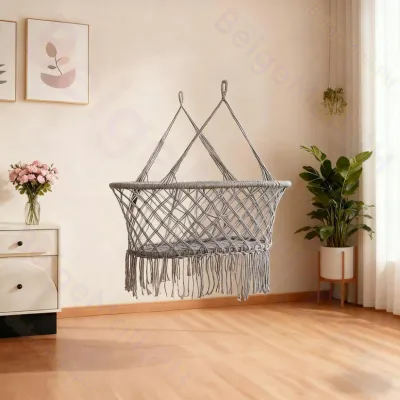
A baby duyang is a traditional suspended cloth hammock or a modern freestanding cradle designed to soothe infants through a gentle, rhythmic rocking motion. In many households, particularly in warm, tropical climates, this item is a beloved nursery staple passed down through generations. The familiar swaying motion mimics the environment of the womb, helping to calm fussy infants and ease them into a state of relaxation.
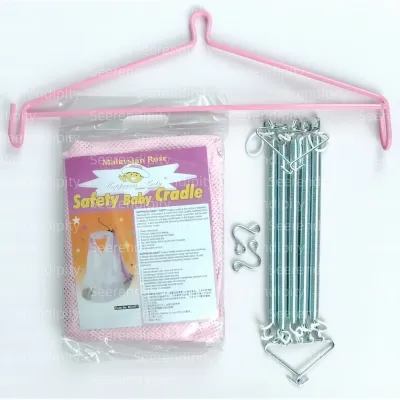
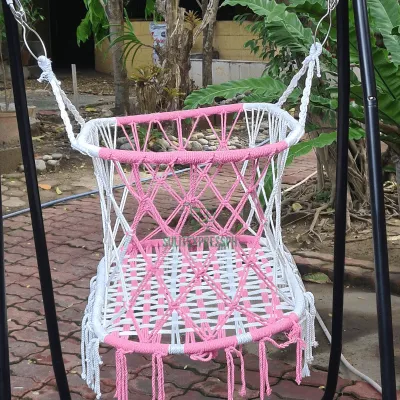
While traditional models rely on a spring and a long piece of cloth suspended from a ceiling beam, modern variations often feature self-supporting metal frames. These freestanding units offer greater portability, allowing you to move the cradle from the nursery to the living room as needed. Understanding these structural differences is the first step in determining which style best suits your home layout and lifestyle.
Products mentioned in this guide



Prices are valid at publication and may change. Please refer to the product page for the latest price.
It is crucial to distinguish between using a duyang for supervised daytime soothing and using it for unsupervised overnight sleep. While the gentle motion is excellent for calming a crying baby or helping them wind down during the day, suspended hammocks and inclined cradles are not intended for prolonged, unattended sleep. Safe sleep guidelines generally emphasize that infants should sleep on a flat, firm surface to minimize safety risks.
Before introducing any suspended or inclined sleep surface into your baby’s routine, consult your pediatrician. A qualified medical professional can provide personalized guidance based on your baby’s health, age, and developmental milestones. Always prioritize these professional recommendations over traditional practices or product marketing claims to ensure your nursery remains a secure environment.
Essential Safety Features to Check Before Buying
When shopping for a duyang, structural safety must be your primary concern. If you opt for a freestanding model, pay close attention to the stability of the frame. Look for a unit with a wide, low-profile base that distributes weight evenly across the floor. Non-slip rubber or silicone feet are essential to prevent the frame from sliding or shifting on smooth tile or wooden floors during rocking. Additionally, inspect the locking mechanisms on the frame joints to ensure they click securely into place and cannot be accidentally disengaged.

For hanging or suspended models, the suspension hardware requires rigorous inspection. High-quality setups utilize reinforced steel carabiners, heavy-duty chains, or industrial-grade ropes that are rated for loads far exceeding a baby’s weight. Avoid any models that use thin cords, plastic connectors, or open hooks that could allow the suspension loop to slip off during motion. Every connection point must be closed and locked securely.
Fall prevention is another critical design element to evaluate. The fabric pocket of the duyang should be deep enough to keep your baby securely centered, preventing them from rolling or leaning over the sides. Some modern designs incorporate integrated safety harness systems, such as a three-point or five-point belt, to keep the infant positioned safely on their back. If a harness is present, verify that the straps are adjustable, securely anchored to the frame or fabric, and easy for a caregiver to operate.
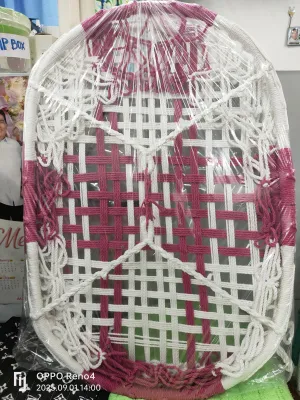
Given the warm and humid conditions typical of tropical climates, fabric breathability is a vital safety feature. The material surrounding your baby must allow for continuous airflow to prevent overheating and reduce suffocation risks. Look for models that feature mesh ventilation panels along the sides or are constructed entirely from loosely woven, breathable natural fibers. If you place your hand inside the fabric pocket and blow through it, you should easily feel the air passing through to the other side.
Matching Size and Weight Capacity to Your Baby
Every duyang comes with specific manufacturer guidelines regarding age, weight, and developmental limits. Before purchasing, locate the product label or instruction manual to verify these specifications. Never rely on a product’s name or visual appearance to estimate its capacity. Keep in mind that weight limits are absolute maximums, not targets; if your baby is approaching the upper limit, it is time to transition them to a standard crib or playpen.
The physical dimensions of the fabric bed must support your baby’s entire body comfortably. When placed inside, your baby should lie in a natural position without their chin being pressed against their chest, which can restrict their airway. The fabric should not sag so deeply that it folds inward around the baby’s face, nor should it be so tight that it creates an unstable, shallow surface. Ensure there is ample room for your baby’s head and feet to rest without touching the hard structural ends of the cradle.
You must also measure the physical footprint of the duyang frame in relation to your living space. A freestanding frame requires a clear, flat area of floor space with sufficient clearance on all sides to allow for safe swaying. It should never be crammed into a tight corner or placed near furniture where the frame could bump into hard edges. Ensure that walkways remain clear so that caregivers do not accidentally trip over the wide legs of the frame while carrying the baby.
As babies grow, their physical capabilities change rapidly, which directly affects the safety of using a duyang. You must stop using the hammock as soon as your baby shows signs of rolling over, pushing up on their hands and knees, or sitting up independently. These developmental milestones increase the risk of the baby shifting their weight, tipping the hammock, or climbing out. Regularly assess your baby’s physical progress and be prepared to transition them to a flat crib immediately when these signs appear.
Comparing Materials for Comfort and Easy Cleaning
The materials used in a duyang affect not only its durability but also your baby’s comfort and skin health. Natural cotton is highly recommended for the fabric bed because it is soft, hypoallergenic, and exceptionally breathable. In humid environments, cotton helps absorb moisture and sweat, keeping your baby cool and dry. Mesh fabrics are also excellent for maximizing airflow, especially during warm afternoons. Avoid rough, synthetic materials like polyester blends that trap heat and can irritate sensitive baby skin.
Because diaper leaks, spit-up, and sweat are inevitable, ease of cleaning is a major practical consideration. Check the product specifications to ensure the fabric portion of the duyang is fully removable and machine-washable. Models that require complex disassembly or hand-washing can quickly become a burden for busy parents. Look for sturdy zippers, heavy-duty snaps, or simple sleeve designs that allow you to slide the fabric off the frame quickly for routine washing.
When evaluating the frame, compare the characteristics of different materials based on your household needs. Lightweight aluminum frames are highly portable and resistant to rust, making them ideal if you plan to move the setup between different rooms or take it on family trips. On the other hand, heavier steel frames offer superior stationary stability and are less likely to shift during use, though they may be more difficult to move. If you prefer a wooden frame, ensure the wood is treated with non-toxic finishes and is completely smooth to prevent splinters.
Take the time to inspect the overall build quality of the duyang before its first use. Examine the stitching along the seams of the fabric bed; it should be tight, even, and reinforced with double or triple rows of thread at high-stress points. Check for any loose threads, frayed edges, or small decorative parts that could detach and pose a choking hazard. The metal or wooden components should have rounded edges and smooth surfaces, with no exposed screws or pinch points that could catch on clothing or skin.
Guidelines for Safe Setup and Supervised Use
Proper installation and assembly are just as important as choosing the right product. When setting up your duyang, follow the manufacturer’s printed assembly instructions exactly. Do not attempt to modify the design, skip steps, or substitute the provided hardware with items from a local hardware store unless explicitly authorized by the manufacturer. Every bolt, screw, and pin must be tightened securely and checked regularly, as the repetitive rocking motion can cause hardware to loosen over time.
If you are installing a traditional hanging duyang from a ceiling, you must ensure the structural integrity of the mounting point. The suspension hook must be anchored directly into a solid wooden ceiling joist or a concrete support beam. Never hang a baby hammock from drywall, plaster, or decorative ceiling boards, as these materials cannot support the dynamic weight of a swaying baby. If you are unsure about the location or strength of your ceiling joists, stop immediately and consult a qualified professional contractor to perform the installation.
Creating a safe clearance zone around the duyang is essential to prevent accidents. Position the unit well away from windows, where dangling blind cords or curtain strings could pose a strangulation hazard. Keep it clear of electrical outlets, power strips, heaters, and low shelves containing items that a baby could reach or that could fall into the cradle. There should be a generous buffer zone on all sides of the duyang so that even at its maximum sway, it cannot make contact with walls or furniture.
Finally, commit to a strict rule of constant adult supervision whenever your baby is in the duyang. Never leave your baby unattended in the hammock, even for a few minutes to run to another room. A caregiver must always be within arm’s reach and have a clear line of sight to monitor the baby’s positioning and breathing. If you need to leave the room or sleep yourself, safely transfer your baby to a flat, firm crib or bassinet where they can sleep securely without supervision.
Frequently Asked Questions (FAQ)
Can a newborn sleep overnight in a duyang?
No, pediatric safe sleep guidelines do not recommend overnight or unsupervised sleep in a duyang or any suspended, inclined hammock. For safe sleep, newborns should always be placed on their back on a flat, firm, and separate sleep surface, such as a crib or bassinet, free of loose blankets, pillows, or soft toys. The curved position created by a suspended hammock can cause a newborn’s head to tilt forward, potentially chin-to-chest, which can restrict their sensitive airway. Always refer to your product’s instruction manual and consult your pediatrician to establish a safe sleep routine for your infant.
How do I clean a traditional cloth duyang?
To clean a traditional cloth duyang, first locate and read the care label attached to the fabric. Most natural cotton hammocks can be washed in a standard washing machine using a gentle cycle, cold water, and a mild, baby-safe detergent to protect sensitive skin. Avoid using bleach or harsh fabric softeners, which can degrade the fabric fibers over time. After washing, it is highly recommended to air-dry the cloth thoroughly in a well-ventilated area out of direct, intense sunlight to prevent shrinkage and preserve the strength of the weave. Ensure the fabric is completely dry before reassembling to prevent mold or mildew growth.
Is it safe to hang a duyang from a standard ceiling?
Hanging a duyang from a standard ceiling is only safe if you anchor the mounting hardware directly into a solid structural element, such as a wooden ceiling joist or a concrete beam. It is extremely dangerous to mount a suspension hook into drywall, plaster, or thin ceiling panels, as these materials will fail under the weight and movement of the baby, leading to a severe fall hazard. Before drilling, use a reliable stud finder to locate the center of a solid joist, or consult a qualified contractor or hardware professional to ensure a secure, load-bearing installation. If a secure structural anchor is not available, opt for a freestanding frame model instead.
Community discussion
Share your experience or ask a question. Comments are reviewed before publication.