
Choosing the right dry wipes for your baby’s sensitive skin in the Philippines requires a careful balance of material safety, moisture control, and practical daily habits. In a tropical climate where heat and humidity frequently contribute to diaper rash and prickly heat, selecting the gentlest cleansing method is essential for maintaining your infant’s skin barrier. Dry wipes have emerged as a highly recommended alternative to traditional wet wipes because they allow parents to completely eliminate exposure to industrial preservatives, alcohol, and artificial fragrances.
By transitioning to dry wipes, you gain full control over the liquid component used to moisten the fabric, which significantly reduces the risk of contact dermatitis. This approach is particularly beneficial for newborns and infants with highly reactive skin, eczema, or recurrent diaper discomfort. Understanding how to evaluate materials, verify local sources, and implement safe usage practices will help you protect your baby’s skin while managing household costs effectively.
Understanding Dry Wipes vs. Wet Wipes for Sensitive Skin
To understand why dry wipes are highly beneficial for sensitive skin, it is helpful to examine how pre-moistened wet wipes are manufactured. Because wet wipes contain water and are stored in sealed plastic packaging, they require chemical preservatives to prevent the growth of bacteria, mold, and yeast. In warm, humid environments, these preservatives can easily sensitize a baby’s delicate skin barrier, leading to persistent redness, itching, or painful rashes.
Products mentioned in this guide
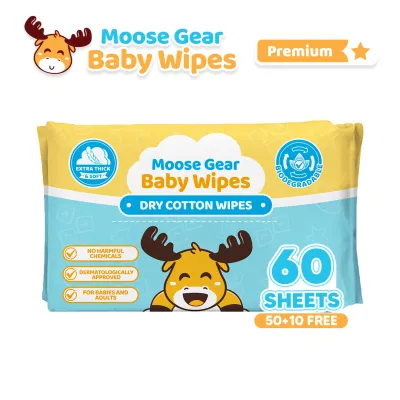
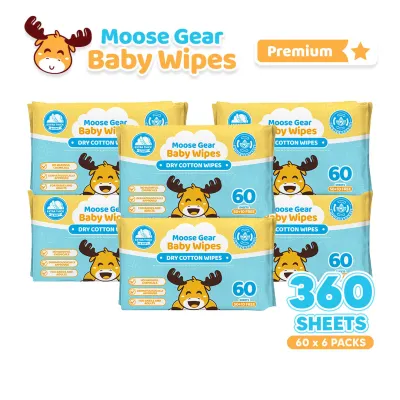
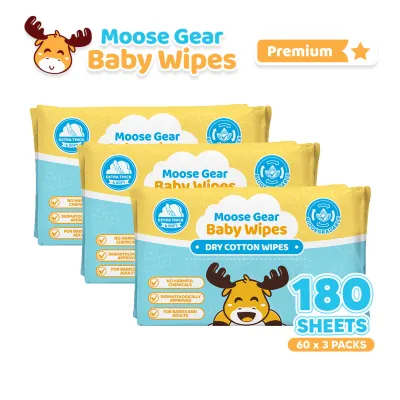
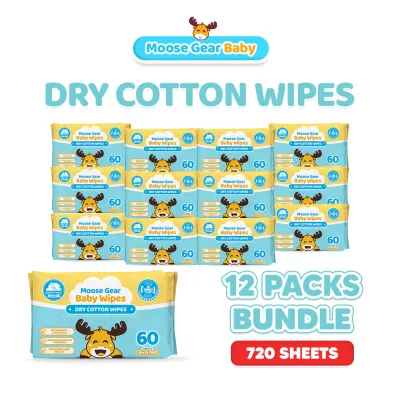
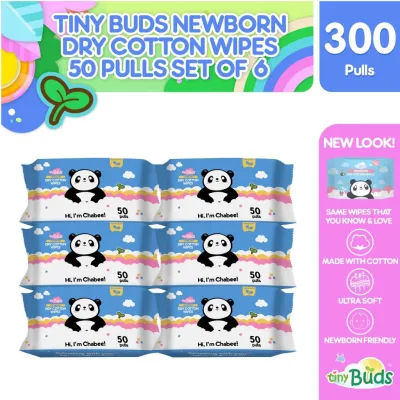
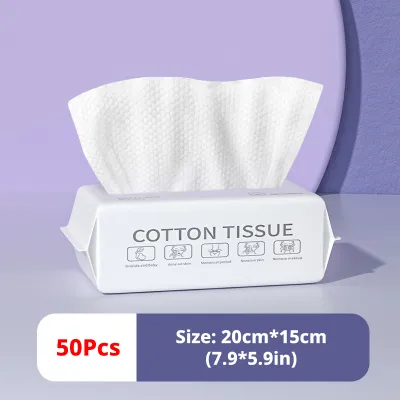
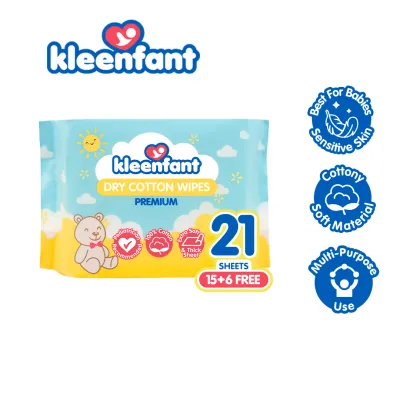
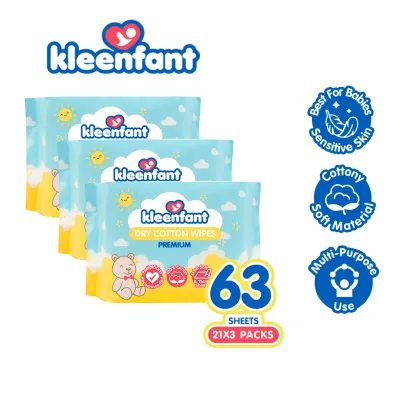
Prices are valid at publication and may change. Please refer to the product page for the latest price.
Dry wipes, by contrast, are packaged completely dry and do not require any chemical stabilizers or preservatives to remain shelf-stable. This lack of chemical additives makes them an excellent option for babies who experience immediate irritation from standard commercial wet wipes. By using a dry wipe, you eliminate the risk of exposing compromised skin to potential allergens during daily diaper changes and face cleanups.
Another major advantage of dry wipes is the ability to customize the cleansing solution based on your baby’s current skin condition. For daily cleaning, you can moisten the wipe with plain, lukewarm water, which is the gentlest possible medium for infant skin. During active eczema flare-ups or severe diaper rash, you can use pediatrician-approved soothing solutions or sterile water, ensuring that nothing irritates the inflamed area.
Despite these benefits, dry wipes do have certain limitations that caregivers must consider before making the switch. They require access to a clean water source whenever you need to use them, which can make diaper changes on the go slightly more complex. Additionally, because they lack the synthetic slip agents often added to wet wipes, caregivers must use a gentle patting motion rather than a wiping or rubbing motion to avoid mechanical friction.
If your baby develops a persistent, bright red rash that does not improve after several days of using dry wipes and plain water, it is important to seek professional medical advice. Rashes that exhibit peeling, small pustules, or extreme tenderness may indicate a yeast infection or a more severe dermatological condition. A pediatrician can provide an accurate diagnosis and prescribe targeted treatments that go beyond basic hygiene adjustments.
Essential Material and Label Checks for Sensitive Skin
When shopping for baby dry wipes, the first step is to carefully evaluate the fiber composition listed on the manufacturer’s label. Look for products that explicitly state they are made from 100% cotton or 100% plant-based fibers, such as wood pulp or bamboo rayon. These natural materials are inherently softer and more absorbent than synthetic alternatives, making them much gentler on sensitive skin.

Avoid dry wipes that contain synthetic polyester or plastic blends, even if they are marketed as extra strong or durable. Synthetic fibers do not absorb water as effectively as natural fibers, which often results in the liquid pooling on the surface rather than soaking into the wipe. This lack of absorption forces caregivers to apply more pressure during cleaning, increasing friction and skin irritation.
It is equally important to verify the explicit absence of added chemical binders, fragrances, lotions, or optical brighteners on the product packaging. Some dry wipes are treated with subtle scents or softening agents during manufacturing, which can trigger allergic reactions on highly sensitive skin. Reading the full ingredient list or material safety declarations on the manufacturer’s official website can help you confirm that the product is truly chemical-free.
Thickness and texture play a critical role in how a dry wipe performs during a diaper change. Look for wipes with a high basis weight, often measured in grams per square meter (GSM), which indicates a thicker, more cushioned fabric. Thicker wipes provide a reliable barrier that protects your hands while preventing the wipe from tearing or folding over during use.
Pay close attention to the embossing pattern on the surface of the dry wipe, such as a 3D pearl or honeycomb texture. These raised patterns are designed to lift stool and moisture away from the skin with minimal passes, reducing the need for repetitive wiping. A soft, textured surface allows you to clean your baby thoroughly using a gentle patting motion, preserving the integrity of their delicate skin barrier.
How to Safely Test and Introduce a New Dry Wipe
Introducing any new product to a baby with sensitive skin requires a cautious, systematic approach to prevent widespread allergic reactions. Even when a dry wipe is labeled as organic, natural, or hypoallergenic, individual skin sensitivities can still cause unexpected irritation. Implementing a simple patch test protocol is the safest way to evaluate a new brand before incorporating it into your daily routine.
To perform a localized patch test, select a single dry wipe from the new package and moisten it with the exact water source you plan to use regularly. Gently pat a small, healthy area of your baby’s skin, such as the inner forearm or the upper thigh, where the skin is relatively thin but not currently irritated. Avoid testing on areas that already have active rashes, scratches, or dry patches, as this can skew the results.
After applying the moistened wipe to the test area, observe the skin closely over a 24 to 48-hour window. Because some contact allergies present as delayed hypersensitivity, an immediate lack of reaction does not guarantee long-term compatibility. Check the test spot periodically for any signs of localized redness, swelling, tiny raised bumps, or unusual dryness.
If you notice any adverse reactions during this observation period, discontinue use of that specific brand immediately. Wash the affected area gently with cool water to remove any potential fiber residues, and keep the skin dry. If the irritation spreads, causes visible discomfort, or does not subside within 48 hours, consult a pediatrician or a pediatric dermatologist for guidance.
Once the patch test is completed successfully without any signs of irritation, you can begin introducing the dry wipes into your baby’s regular routine. Start by using them for face and hand cleanups before transitioning to full-body diaper changes. This gradual introduction allows you to monitor how the baby’s skin responds to repeated daily contact with the new material under different environmental conditions.
Sourcing and Verifying Baby Dry Wipes in the Philippines
Finding authentic, high-quality baby dry wipes in the local market requires careful selection of retail channels. With the rise of online marketplaces and independent sellers, counterfeit or poorly stored baby products have become more common. To ensure you are purchasing genuine items, prioritize official flagship stores, authorized distributors, or well-known local baby boutiques on major ecommerce platforms.
When your order arrives, take a few moments to inspect the physical condition of the packaging before opening it. Verify that the plastic outer seal is completely intact, with no punctures, tears, or signs of water exposure during transit. Because dry wipes are highly absorbent, any compromise in the packaging can allow dust, humidity, or environmental contaminants to compromise the hygiene of the wipes inside.
Check the manufacturing and expiration dates printed on the package to ensure the stock is fresh. Although dry wipes do not spoil in the same manner as wet wipes, prolonged storage in hot, humid warehouses can degrade the packaging materials or expose the fibers to ambient moisture. Choosing products with clear batch codes and recent manufacturing dates provides an extra layer of safety for your infant.
Managing household expenses is a key consideration for families in the Philippines, making it useful to compare pricing structures. While small trial packs are ideal for testing material compatibility, purchasing bulk boxes or multi-packs generally offers a much lower cost per sheet. Calculate the price per wipe in ₱ to determine the most cost-effective option that fits your monthly budget without compromising on quality.
Keep in mind that the cheapest option is not always the safest if it lacks clear material disclosures or manufacturer contact information. Investing in a slightly higher-priced, fully transparent brand can save money in the long run by reducing the frequency of diaper rash treatments and medical consultations. Balancing cost with strict material standards ensures a sustainable and safe hygiene routine for your household.
Best Practices for Using and Storing Dry Wipes
To maximize the benefits of dry wipes, it is essential to pair them with safe, clean liquids. For newborns, infants under six months, or babies with compromised skin barriers, always use water that has been boiled and allowed to cool to room temperature. Alternatively, commercially bottled distilled water is an excellent, highly accessible option that minimizes exposure to chlorine and mineral deposits.
Avoid mixing homemade cleansing solutions containing essential oils, herbal teas, or liquid soaps unless specifically recommended by your pediatrician. In the warm Philippine climate, homemade mixtures lack the preservatives needed to prevent rapid bacterial growth, turning a well-intentioned natural solution into a hygiene hazard. Stick to pure water for daily cleaning, and apply separate, pediatrician-approved barrier creams if necessary.
Proper storage is critical to preventing mold and bacterial contamination in high-humidity environments. Keep the main supply of dry wipes in their original, tightly sealed packaging inside a cool, dry cupboard away from direct sunlight. Never pre-moisten a large batch of dry wipes to store in a travel container for several days, as standing water in a warm room will quickly breed harmful microorganisms.
For outings, carry a small stack of dry wipes in a clean, dry zip-top bag alongside a separate thermos of clean water. When a diaper change is required, simply pour a small amount of water over the individual wipes you need immediately before use. This simple habit ensures that your baby always receives a fresh, hygienic, and chemical-free cleanup, no matter where you are.
Finally, consider the environmental impact and proper disposal of your used dry wipes. Even if a product is labeled as biodegradable or made from 100% natural fibers, dry wipes should never be flushed down the toilet, as they can easily clog local plumbing and municipal sewage systems. Dispose of used wipes in a designated diaper bin, and check your local community guidelines for waste management recommendations.
Frequently Asked Questions (FAQ)
Can I use regular tap water with dry wipes for my baby?
While tap water is convenient, its safety for moistening dry wipes depends heavily on your local water quality. In many areas, municipal tap water contains chlorine, minerals, or trace contaminants that can irritate highly sensitive infant skin or open diaper rashes. For newborns or babies with active skin irritation, it is highly recommended to use water that has been boiled and cooled, or bottled distilled water, to ensure a sterile and non-irritating cleansing experience.
Are bamboo dry wipes better than cotton for sensitive skin?
Neither material is universally superior, as both cotton and bamboo can be excellent choices depending on how they are processed. Cotton is highly valued for its natural softness, reliable absorbency, and minimal processing, making it a classic choice for sensitive skin. Bamboo-derived wipes are often praised for their durability and silky texture, but parents must verify that the manufacturer has not used harsh chemical solvents during the fiber extraction process. Always check the product label to ensure the wipes are free from synthetic binders, regardless of the raw material used.

Community discussion
Share your experience or ask a question. Comments are reviewed before publication.