
Choosing the right DOOD nipple cover—commonly referred to as a breast shield or flange—is the most critical step to achieving a pain-free and highly productive pumping journey. In the warm and humid climate of the Philippines, proper flange fit is especially vital to prevent skin chafing, heat rashes, and localized friction that can turn a routine pumping session into an uncomfortable ordeal. To find your ideal DOOD size, you must measure the exact diameter of your nipple base while at rest, add a small clearance margin of one to three millimeters, and match this final calculation to the brand’s available sizing options.
Many mothers mistakenly assume that a standard breast pump setup is one-size-fits-all, only to experience low milk output, soreness, or physical damage over time. Understanding how your body interacts with your wearable pump equipment allows you to take control of your milk expression. By learning how to measure accurately and recognizing the early physical warning signs of a poor fit, you can optimize your daily pumping routine for maximum comfort and efficiency.
Why the Right Nipple Cover (Flange) Size Matters
The term “nipple cover” in the context of DOOD wearable breast pumps refers directly to the silicone or plastic breast shield, also known as a flange. This component serves as the primary interface between your breast tissue and the mechanical suction of the pump motor. Its main function is to isolate the nipple, draw it gently into the center tunnel, and create a secure vacuum seal that stimulates the natural let-down reflex.
Products mentioned in this guide
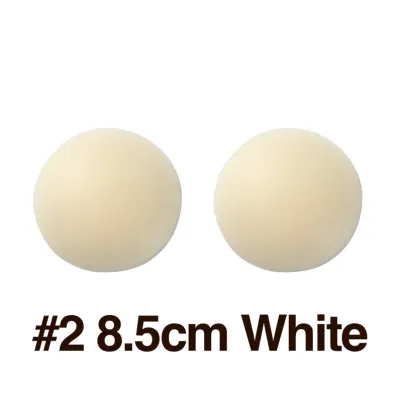
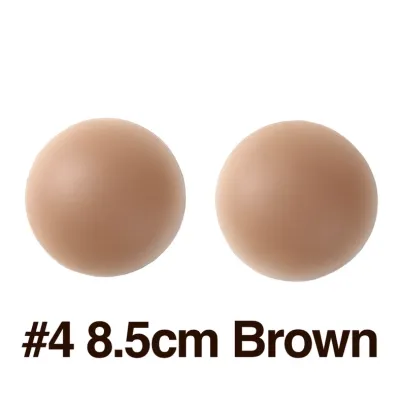
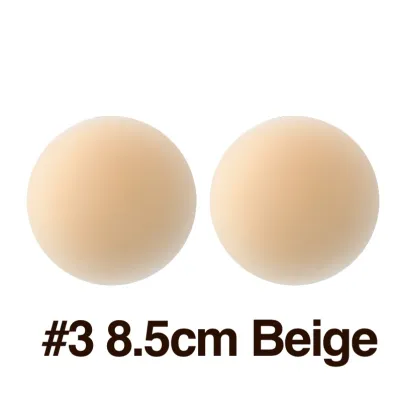
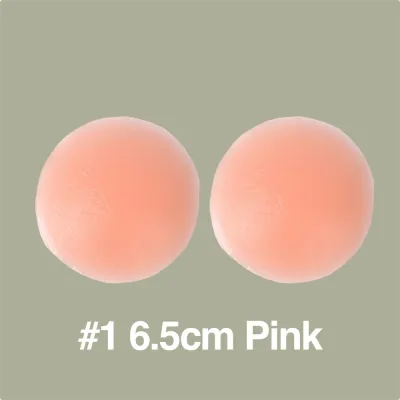
Prices are valid at publication and may change. Please refer to the product page for the latest price.
When a breast shield does not fit your unique anatomy, the mechanical vacuum forces your delicate breast tissue to endure unnecessary stress. An incorrect flange size can cause continuous friction against the sensitive skin of your nipple and areola, leading to painful abrasions, tissue swelling, and clogged milk ducts. Over time, the persistent discomfort and physical trauma can trigger an adrenaline response that actively inhibits your milk ejection reflex, resulting in a noticeable decrease in your overall milk supply.
Achieving a proper fit is the absolute foundation for efficient and comfortable milk expression. When the flange tunnel accommodates your nipple with just enough clearance, the pump can empty your breasts thoroughly and painlessly. This efficient milk removal signals your body to continue producing milk consistently, supporting your long-term breastfeeding goals while protecting your skin integrity.
How to Measure for Your DOOD Nipple Cover Size
Determining your baseline flange size requires a straightforward physical measurement that you should perform before purchasing your pump or whenever you suspect your current fit is incorrect. Because nipple size is independent of breast size, you cannot rely on your bra size to estimate your flange requirements.

To measure your nipple accurately at home, follow these step-by-step instructions:
- Prepare your tools: Find a standard ruler with millimeter markings, a flexible sewing tape measure, or a printable circular sizing tool specifically designed for breast pump flanges.
- Identify the base: Locate the exact point where your nipple meets the surrounding darker skin of the areola. This transition area is the base of your nipple.
- Measure at rest: Place the ruler or measuring tool directly across the center of your nipple while your breast is at rest and not stimulated. Measure the horizontal diameter of the nipple base in millimeters, making sure to exclude the areola entirely from your measurement.
- Calculate your target size: Add approximately 1 to 3 millimeters to your baseline measurement to allow for natural expansion during pumping. For example, if your nipple base measures 17 millimeters at rest, your target flange size will typically be 19 to 20 millimeters.
- Verify with manufacturer guidelines: Always cross-reference your calculated size with the official DOOD size chart and product documentation. Different wearable pump models may have specific offsets or material behaviors that require you to adjust your final selection.
Once you have your final measurement, check the product packaging or official online product listings available in the Philippines to choose the correct DOOD replacement covers or silicone inserts. If your calculated size falls between two standard options, it is often best to test both sizes or consult the manufacturer’s specific fit recommendations to avoid purchasing an incompatible accessory.
Signs Your Current Nipple Cover Size Is Incorrect
Monitoring how your body responds during and after each pumping session is the most reliable way to diagnose sizing issues. If you are already using a DOOD breast pump, pay close attention to the visual cues and physical sensations that occur while the motor is active.
Signs the Cover Is Too Small
When a breast shield tunnel is too narrow for your anatomy, your nipple cannot move freely back and forth to stimulate milk flow.
- Physical sensations: You will likely experience a persistent scraping, rubbing, or pinching sensation inside the tunnel during the suction phase. Pumping may feel sharp and painful, even when you set the pump to its lowest vacuum level.
- Visual cues: Upon removing the pump, you may notice that your nipple looks pale or completely white—a condition known as blanching, which is caused by restricted blood flow. You might also see red, irritated rings around the nipple base or notice that the nipple rubs constantly against the plastic or silicone walls of the tunnel.
- Performance issues: Your milk flow may seem unusually slow or stop entirely after a few minutes, leaving your breasts feeling heavy, hard, and uncomfortably full even after a long session.
Signs the Cover Is Too Large
An overly wide breast shield tunnel fails to isolate the nipple, allowing excess breast tissue to be drawn into the vacuum space.
- Physical sensations: You might feel a weak, ineffective tugging sensation rather than a firm, comfortable pull. You may also find yourself constantly adjusting the pump or pressing it hard against your breast to maintain a secure seal.
- Visual cues: Watch the movement inside the clear tunnel while the pump is running. If a large portion of your darker areola is being pulled deeply into the tunnel alongside your nipple, the cover is too large. After pumping, your nipple may appear swollen, distorted, or take on an elongated "lipstick" shape, and you may notice milk leaking from the outer edges of the shield.
- Performance issues: The loss of a concentrated vacuum seal prevents the pump from triggering an effective let-down. You may find that you have to pump for much longer to express the same volume of milk, or you may experience frequent suction drops during your session.
Next Steps: Adjusting Your Equipment and Routine
If your measurements or physical symptoms indicate that your current setup is incorrect, taking prompt corrective action will protect your breast health and improve your pumping efficiency.
Equipment Replacement
Do not attempt to force an ill-fitting flange to work by using home remedies or unauthorized modifications. If your current DOOD cover is the wrong size, browse authorized local distributors or official online marketplaces in the Philippines to purchase the correct DOOD replacement covers or compatible silicone sizing inserts. Sizing inserts are particularly useful as they slide directly into your existing breast shields to reduce the tunnel diameter safely without requiring you to replace the entire collection cup assembly.
Pumping Adjustments
Always remember that increasing the suction level on your DOOD breast pump cannot compensate for a poorly sized flange. Turning up the vacuum on a cover that is too small or too large will only accelerate tissue damage, cause micro-tears in the skin, and increase the risk of developing painful mastitis. Always set your pump’s suction to a level that feels comfortable and productive, and let the correct physical fit do the work of extracting the milk.
Professional Consultation
If you continue to experience persistent pain, localized swelling, bleeding, or a sudden drop in milk supply despite adjusting your DOOD flange size, stop using the pump and consult a qualified professional. Reach out to an International Board Certified Lactation Consultant (IBCLC) or your healthcare provider in the Philippines. A professional can evaluate your pumping technique, check for physiological issues like nipple elasticity, and provide personalized guidance to ensure you feed your baby safely and comfortably.
Frequently Asked Questions (FAQ)
Can my nipple cover size change over time?
Yes, it is entirely normal for your nipple and breast dimensions to change throughout your postpartum journey. Immediately after birth, your breast tissue may experience significant swelling or edema due to IV fluids, hormonal shifts, and the initial rush of milk engorgement. As this initial swelling subsides over the first few weeks, your nipples may naturally shrink, requiring a smaller DOOD cover size than what you used during your first week postpartum. Conversely, regular mechanical pumping can sometimes cause nipples to expand or become more elastic over several months of use. To maintain optimal comfort, make it a habit to remeasure your nipples every few weeks or immediately if you begin to experience new discomfort during your routine sessions.
Do I need different sizes for my left and right breasts?
Yes, breast and nipple asymmetry is highly common and perfectly normal for many breastfeeding mothers. Your left and right nipples may differ in diameter by several millimeters, or one side may be significantly more elastic than the other. To ensure maximum comfort and efficient milk expression, you must measure each nipple independently. If your measurements reveal a difference, do not hesitate to use two different DOOD cover or insert sizes simultaneously. Tailoring the equipment to each individual breast will prevent unilateral pain, balance your milk output, and ensure that both breasts are emptied thoroughly during every double-pumping session.
Community discussion
Share your experience or ask a question. Comments are reviewed before publication.