
Choosing the right corner guard edging is a vital step in transforming your home into a secure environment for your growing child. The ideal choice depends on matching the physical properties of the guard material—such as silicone, rubber, foam, or rigid plastic—to your child’s current developmental stage and the specific furniture surfaces in your home. By evaluating these factors together, you can establish a reliable barrier against sharp edges without unnecessarily damaging your household items.
Assess Your Baby's Development Stage and Impact Risks
A child’s physical development directly dictates the type of impact protection required throughout the home. For crawling infants, the primary risks are located close to the floor, where low-lying hazards like baseboards, bottom shelves, and low cabinet corners present immediate obstacles. At this stage, infants are moving at relatively low speeds, meaning lightweight cushioning is often sufficient to prevent minor bumps and bruises.
As infants transition into walking toddlers, their center of gravity rises, and their speed increases significantly. Walking toddlers are prone to sudden, high-impact falls from a standing position, which concentrates greater force onto higher surfaces such as dining table corners, kitchen countertops, and low coffee tables. Identifying these high-impact zones is essential for determining where dense, highly shock-absorbent materials are required to prevent more severe injuries.
Products mentioned in this guide
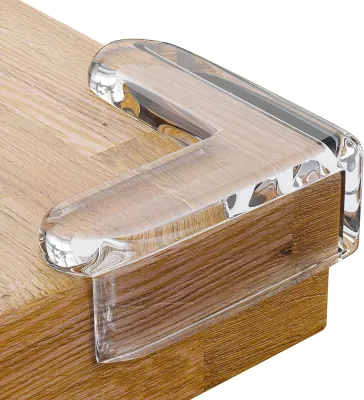
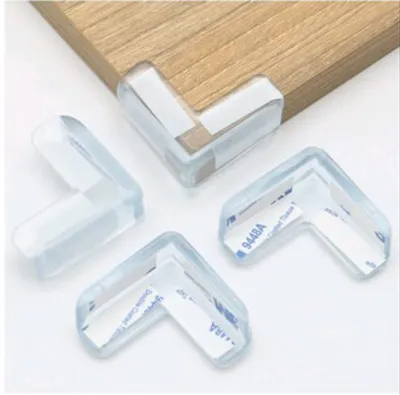
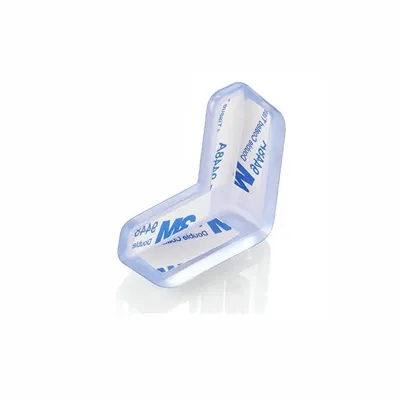
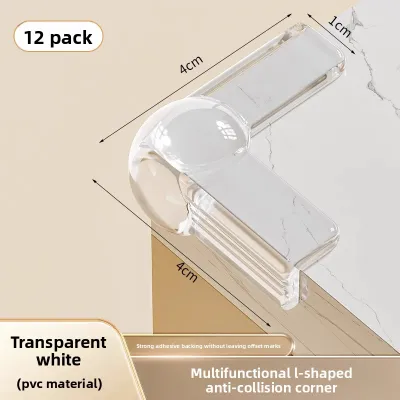
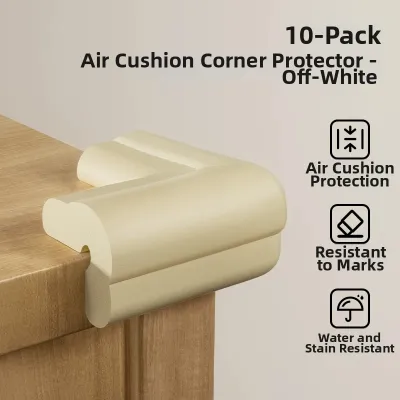
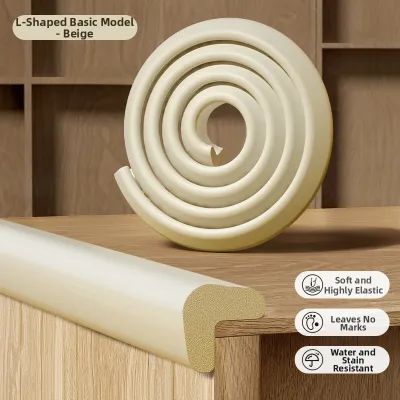
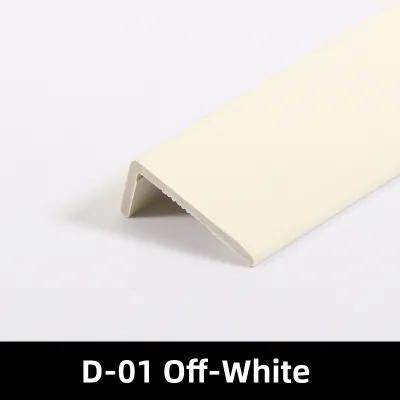
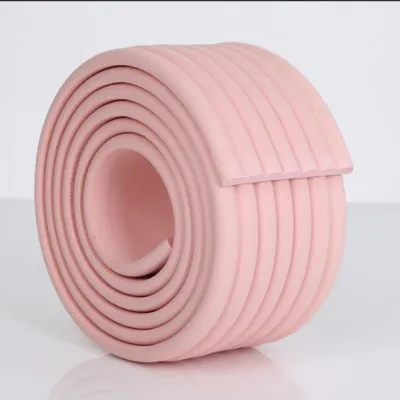
Prices are valid at publication and may change. Please refer to the product page for the latest price.
Over time, children develop better spatial awareness, balance, and coordination, gradually reducing the frequency of accidental collisions. Parents can typically recognize when a child has outgrown the need for corner guards when the child consistently navigates around furniture without stumbling or bumping into edges. Once this developmental milestone is reached, guards can be systematically removed, though it is wise to keep them on high-risk sharp corners until the child fully masters household navigation.
Compare Corner Guard Materials for Specific Protection Needs
Selecting the right corner guard edging requires a clear understanding of how different materials perform under pressure and environmental conditions. Each material offers distinct trade-offs in terms of durability, impact absorption, and aesthetic integration.

Silicone and Rubber for High-Impact Absorption
Dense materials like silicone and rubber are highly effective for absorbing heavy impacts on sharp, hard corners. These materials possess excellent structural memory, allowing them to compress under sudden force and quickly return to their original shape. This makes them highly suitable for heavy wooden, stone, or metal furniture where a high-velocity impact could otherwise cause significant harm.
When selecting silicone or rubber guards, it is important to check for high tear resistance. Toddlers frequently explore their environment with their mouths, and low-quality materials can easily be bitten or torn apart, creating small pieces that pose a serious choking hazard. Opting for thick, food-grade silicone or heavy-duty vulcanized rubber minimizes this risk.
Additionally, these materials offer versatile aesthetic options for visible household surfaces. Many rubber and silicone guards are available in various wood-tone colors or completely transparent profiles, allowing them to blend seamlessly with your furniture finish without disrupting your home’s interior design.
Foam for Lightweight and Temporary Cushioning
Soft foam guards, typically made from expanded polyethylene or similar materials, provide excellent lightweight cushioning for low-impact areas. These guards are highly flexible and soft to the touch, making them comfortable for areas where children frequently brush past rather than collide at high speeds. They are often used for temporary setups or on furniture that is rarely used.
However, soft foam has notable limitations, particularly regarding durability and child interaction. Toddlers are often drawn to the squishy texture of foam and may attempt to peel, pick, or bite at the material. If a child manages to bite off a piece of foam, it immediately becomes a choking hazard, requiring constant caregiver supervision.
Furthermore, foam tends to degrade much faster than silicone or rubber, especially in warm, humid environments. High humidity can weaken the cellular structure of the foam and degrade the adhesive backing, leading to peeling and requiring more frequent replacement.
Rigid Plastic for Long Edges and Durability
Rigid plastic corner guard edging is designed primarily for protecting long, continuous edges rather than isolated sharp corners. This type of edging is highly effective for long desks, low countertops, and extended shelving units where children might bump their heads or bodies along the entire length of the surface.
When choosing rigid plastic, consider the flexibility of the profile. While rigid plastic is excellent for straight lines, it cannot easily conform to curved edges or irregular furniture shapes. For curved surfaces, a semi-rigid or flexible plastic profile must be selected to ensure a flush fit.
It is also critical to verify that the plastic profile matches the exact thickness of the furniture edge. An improper fit can leave gaps where dust and moisture accumulate, or create a lip that a child can easily grab and pull off, compromising both the protection and the furniture surface.
Match Guard Materials to Common Furniture Types
Pairing the right guard material with the specific type of furniture ensures both effective protection and the preservation of your home’s aesthetics. Glass and metal tables, for example, present unique challenges due to their hard, unforgiving surfaces and highly visible profiles. For these items, clear silicone guards are highly recommended because they provide robust impact absorption while remaining visually unobtrusive, preserving the clean lines of the glass or metal.
For wooden desks, dressers, and dining tables, rubber or color-matched foam options are generally the most practical choices. Selecting a guard that closely matches the wood stain—whether dark mahogany, warm oak, or light pine—helps the safety gear blend into the furniture. Before applying any adhesive to wooden surfaces, always check the furniture manufacturer’s warranty or care instructions, as some strong adhesives can strip away delicate varnishes, veneers, or antique finishes upon removal.
The height of the furniture also dictates the size and adhesive strength of the guard. Low coffee tables are often struck from above or from the side at a downward angle, requiring wrap-around guards that cover both the top and side edges securely. High countertops, on the other hand, are typically struck from below or directly from the side by standing toddlers, meaning the guard must be positioned to absorb lateral impacts. Because these high-traffic areas are subject to frequent bumps from adults as well, they require heavy-duty adhesives to prevent accidental detachment.
Verify Adhesive Safety and Surface Compatibility
The adhesive used to secure your corner guard edging is just as important as the guard material itself. Before purchasing, carefully read product labels to verify that the adhesive is non-toxic, lead-free, and certified safe for household use around children. Since children may put their mouths near or on the guards, ensuring the adhesive contains no harmful chemical off-gassing is a critical safety step.
Before committing to a full installation, always test the adhesive on a small, hidden area of the furniture. This simple check allows you to observe how the adhesive interacts with the specific finish, helping you avoid costly damage to your household items. Leave the test strip on for a few days, then gently remove it to check for any peeling paint, varnish damage, or stubborn residue.
Depending on the value and material of your furniture, you must decide between removable mounting tape and stronger, semi-permanent glues. Removable tapes are ideal for rental homes or high-value furniture where preserving the original surface is a priority, though they may require more frequent reapplication. If the furniture surface is already peeling, veneered, or exceptionally fragile, stop the installation immediately and consult the furniture manufacturer for alternative child-proofing recommendations.
Install, Inspect, and Maintain Your Corner Guards
Proper installation is key to ensuring your corner guard edging remains securely in place when an impact occurs. Begin by thoroughly cleaning the furniture surface with a mild soap and water solution or rubbing alcohol, depending on what is safe for the specific finish, to remove all dust, oils, and wax. In tropical climates with high humidity, ensure the surface is completely dry before applying the adhesive, as trapped moisture will severely compromise the chemical bond.
Once the guard is positioned, apply firm, even pressure across the entire surface for at least thirty seconds to activate the adhesive. It is crucial to allow the manufacturer’s recommended curing time—often up to 24 hours—before allowing your child near the area or subjecting the guard to any physical stress. Allowing the bond to fully mature prevents premature peeling and extends the lifespan of the installation.
Ongoing maintenance is essential for continuous safety. Perform weekly pull-tests on all installed guards to check for any loosening, lifting edges, or adhesive failure. If you observe any tearing, bite marks, or detachment, replace the guard immediately, as loose pieces or exposed sharp corners pose immediate physical and choking hazards to your child.
Frequently Asked Questions (FAQ)
Are clear silicone corner guards completely invisible on glass tables?
Clear silicone corner guards are highly translucent, but they are not completely invisible. Light refraction through the thick silicone, combined with the appearance of the adhesive tape underneath, will make the guard visible under direct household lighting. However, they remain the most aesthetically subtle option available for glass surfaces compared to solid-colored foam or rubber.
How often should I replace foam corner guards?
Foam corner guards do not have a fixed expiration date and should be replaced based on observable wear and tear. You should inspect them regularly and replace them immediately if you notice signs of compression, crumbling, tearing, or bite marks. In humid conditions, the adhesive may also degrade faster, requiring replacement if the guard begins to slip or peel away from the edge.
Can I use standard corner guard edging on outdoor furniture?
Standard indoor corner guard edging is generally not suitable for outdoor use. Outdoor environments expose the materials to direct UV radiation, rain, and extreme temperature fluctuations, which rapidly degrade indoor-grade adhesives and cause foam or plastic to become brittle and crack. If you need to protect outdoor areas, look for products specifically labeled for outdoor durability and weather-resistant adhesion.
Community discussion
Share your experience or ask a question. Comments are reviewed before publication.