
Selecting a 2-in-1 changing table with a bathtub is a practical decision for parents in the Philippines looking to maximize nursery space and streamline daily care routines. By combining a secure diaper-changing platform with an integrated baby bath, these multi-functional units eliminate the need for separate, bulky furniture pieces. However, finding the right model requires looking beyond aesthetic appeal. Caregivers must carefully evaluate structural stability, moisture resistance under tropical conditions, and ergonomic heights to ensure both infant safety and parental comfort.
In the Philippines, where indoor humidity levels are consistently high and residential spaces—especially in urban condominiums—can be compact, a well-designed changing table and bath combo offers significant utility. It centralizes two of the most frequent daily baby care tasks, reducing the physical strain of bending over low surfaces and minimizing water spills across different rooms. To make an informed purchase, it is essential to understand how different designs function, what safety features are non-negotiable, and how to plan your space effectively.
Key Features to Evaluate in a 2-in-1 Design
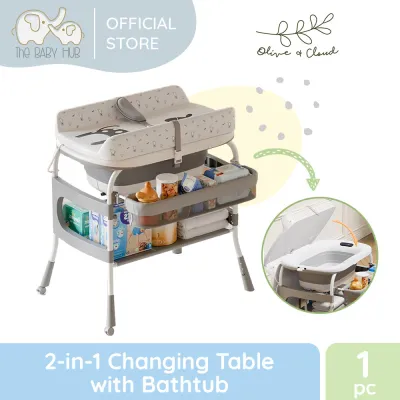
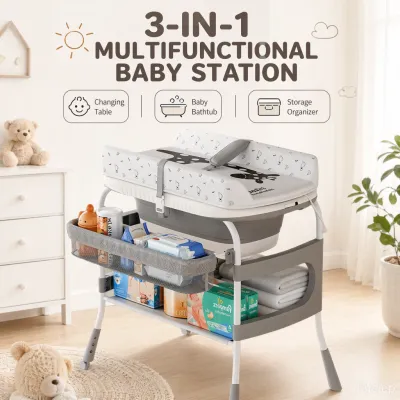
The mechanism used to transition between the changing pad and the bathtub is a primary consideration for daily usability. Some models feature a flip-top design, where the cushioned changing pad is mounted on hinges and flips downward or backward to reveal the bathtub underneath. While highly compact, this design requires you to have a safe, secondary space to place your baby while you transition the table, as you cannot easily flip the top while holding an infant. Other units utilize a sliding mechanism where the changing surface slides laterally to expose the tub, allowing you to keep one hand on your baby or transition the setup more fluidly, though this requires wider horizontal clearance in your room.
Products mentioned in this guide
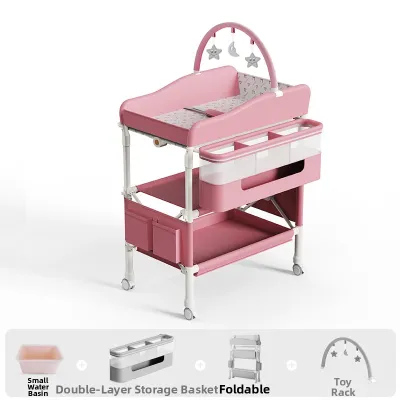
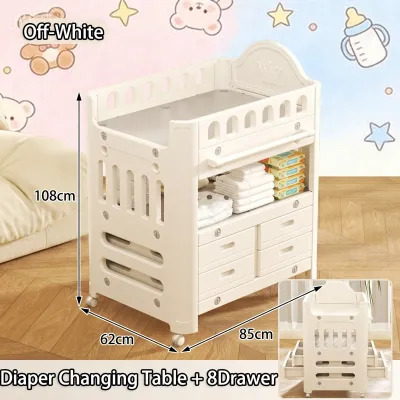
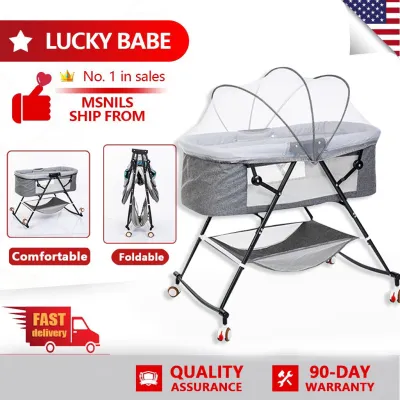
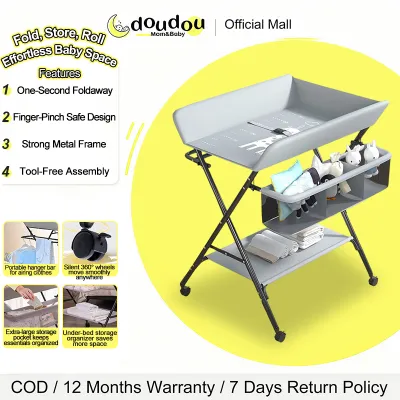
Prices are valid at publication and may change. Please refer to the product page for the latest price.
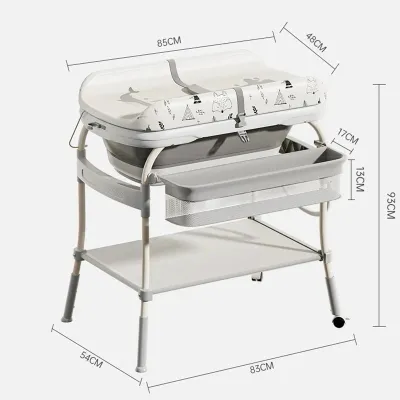
Weight capacity and physical dimensions are critical for ensuring the unit remains useful as your baby grows. Infants develop rapidly, and a changing table that feels spacious for a newborn can quickly become cramped. Check the manufacturer’s specifications for the maximum weight limit of both the changing platform and the integrated tub. Remember that water is heavy; one liter of water weighs exactly one kilogram. The frame must be robust enough to support the combined weight of the water, the tub itself, the baby, and any downward pressure you apply while bathing or changing your child.
Given the tropical climate of the Philippines, material selection directly impacts the hygiene and longevity of the unit. High humidity and frequent exposure to water make non-porous, water-resistant materials essential. Look for changing pads covered in high-quality, wipe-clean polyurethane (PU) or polyvinyl chloride (PVC) that can be quickly dried with a towel to prevent mold and mildew growth. The supporting frame—whether constructed from reinforced plastics, powder-coated metal, or treated wood—must resist rust and water damage. Avoid units with exposed fabric seams or untreated wooden joints, as these can trap moisture and harbor bacteria over time.
Safety Standards and Structural Checks
Physical safety is the most critical aspect of any nursery furniture piece. The changing surface must feature raised guardrails on all sides, or a deeply contoured changing pad, to minimize the risk of a baby rolling off the edge. While these physical barriers provide essential structural protection, they are never a substitute for active caregiver supervision. Even with high guardrails and safety straps, a caregiver must always keep at least one hand on the baby during diaper changes to prevent sudden falls.

Mobility is a common feature of these 2-in-1 units, often achieved through caster wheels that allow you to roll the table from the nursery to the bathroom. However, this mobility must be highly controllable. Ensure that all caster wheels feature heavy-duty, independent locking mechanisms that lock both the wheel rotation and the swivel direction. When the bathtub is filled with water, the unit’s center of gravity shifts; a stable, wide-base frame design is necessary to prevent the table from tipping or wobbling when your baby moves or splashes in the water.
Before purchasing, carefully review the manufacturer’s stated age, weight, and developmental limits. Many units are designed for infants up to a certain weight or until they reach specific developmental milestones, such as sitting up unassisted or attempting to pull themselves up. Once a baby can sit up independently, using an elevated bathtub becomes a safety hazard, as the child can easily lean over the edge or tip the unit. Knowing when to discontinue use of both the changing table and the integrated bath is vital for preventing accidents.
Space Planning and Ergonomics for Caregivers
Before committing to a specific model, measure the designated area in your home, whether it is the nursery, a bedroom, or a spacious bathroom. Consider not only the static footprint of the table but also the dynamic space required during use. You will need sufficient clearance to stand comfortably, pull out storage drawers, extend the water drainage hose, or slide/flip the changing top. In smaller Philippine homes, a foldable frame that can be collapsed and stored against a wall when not in use can free up valuable floor space.
Ergonomics play a massive role in preventing caregiver fatigue and physical strain. Diaper changes and baths occur multiple times a day, and bending over a surface that is too low can quickly lead to chronic lower back pain. Measure the height of the changing table relative to your own height; the surface should ideally align near your waistline so you can maintain a relatively upright posture. Some premium models offer adjustable height settings, which are highly beneficial if multiple caregivers of varying heights will be using the station.
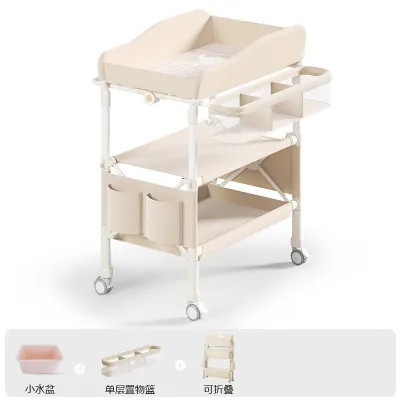
Storage accessibility is another key factor in maintaining a safe environment. A proper changing and bathing station should have built-in shelves, trays, or hanging compartments that keep all essentials—such as clean diapers, wipes, baby wash, towels, and fresh clothes—within arm’s reach. You should never have to step away from the table or turn your back on your baby to retrieve an item. Evaluate the capacity and layout of the storage compartments to ensure they can hold your daily supplies securely without cluttering the workspace.
Building Your Shortlist: What to Verify Before Purchase
When compiling your shortlist of potential changing tables with batubs, rely on verifiable product specifications rather than generalized marketing claims. Look for physical labels or digital user manuals that clearly state compliance with recognized safety standards. Verify the exact dimensions, weight limits, and material compositions to ensure they align with your household’s physical space and your baby’s current developmental stage.
In the Philippine market, prices for these 2-in-1 units can vary widely, typically ranging from approximately ₱3,000 to ₱10,000 or more, depending on the materials and features. When budgeting, prioritize structural integrity, frame sturdiness, and reliable locking mechanisms over aesthetic additions or electronic accessories. A simpler, highly stable unit made of durable, rust-resistant materials is a far better investment than a cheaper, flimsy model with extra storage baskets that may compromise safety.
Before finalizing your purchase from an online marketplace or a local baby boutique, review the retailer’s return policies and warranty terms. Because these units require assembly, it is crucial to ensure that the package includes clear, comprehensive instructions and all necessary hardware. A reliable warranty provides peace of mind, especially regarding the durability of the water drainage system and the structural joints.
Immediately upon delivery, conduct a thorough physical inspection of all components before beginning assembly. Check for any missing screws, cracked plastic parts, sharp metal edges, or tears in the waterproof changing pad. Once assembled, test the stability of the frame by applying gentle downward pressure, verify that the wheel locks hold firmly on your flooring, and check that the drainage hose fits securely to prevent leaks. If you detect any instability or manufacturing defects, contact the retailer immediately for a replacement before allowing your baby near the unit.
Frequently Asked Questions (FAQ)
Can a standard changing table be safely adapted for bathing?
No, standard changing tables should not be adapted for bathing. They are typically constructed from materials like wood or MDF that warp, swell, and weaken when exposed to water, and they lack the specialized drainage systems of 2-in-1 units. Furthermore, placing a separate, heavy baby tub filled with water on top of a standard changing table raises the center of gravity significantly, creating a severe tipping hazard. To ensure safety, always use a purpose-built 2-in-1 unit or place a standard baby bath on the floor.
When should I transition away from the built-in bathtub feature?
You should transition away from the built-in bathtub feature as soon as your baby reaches the manufacturer’s specified weight limit or exhibits key developmental milestones. These milestones include sitting up unassisted, rolling over vigorously, or attempting to pull themselves up using the edges of the tub. At this stage, the elevated position of the bath becomes a fall risk, and the baby’s increased activity can destabilize the table. Transitioning to a standard family bathtub or a larger tub placed safely on the bathroom floor is the recommended next step.
Community discussion
Share your experience or ask a question. Comments are reviewed before publication.