
Selecting the right changing pad for baby nursery setups is one of the most critical structural decisions you will make when preparing your nursery. A changing pad must fit its designated table or dresser topper precisely to provide a stable, level surface for daily diaper changes. In the tropical climate of the Philippines, where high humidity can affect material grip and custom-built wooden furniture is common, choosing the correct dimensions is not just about aesthetics; it directly impacts your baby’s physical safety. To find the perfect fit, you must measure the inner flat surface of your changing table, account for any raised barrier lips, and verify that the safety straps and non-slip features align perfectly with your furniture’s anchoring points.
Because babies grow rapidly and become increasingly active during changes, a secure setup prevents unnecessary movement. While many products on the market are labeled with generic sizing terms, actual dimensions vary significantly across different brands and regions. Taking the time to measure your furniture and cross-reference those figures with product specifications ensures a seamless, secure, and stress-free diaper-changing environment.
Why an Exact Fit Matters for Nursery Safety
A precise fit between your changing pad and changing table is a foundational safety requirement for your nursery. When a changing pad is too small for the table surface, it can slide horizontally during diaper changes, especially when your baby begins to roll, kick, or wiggle. These sudden shifts can startle both you and your baby, potentially leading to slips or falls. Furthermore, gaps of more than an inch between the pad and the wooden frame of the table pose an entrapment hazard where a baby’s hands, feet, or even head could become wedged.
Products mentioned in this guide
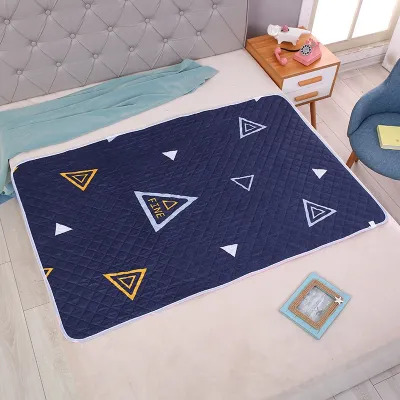
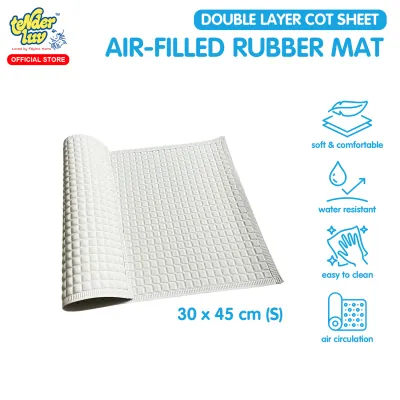
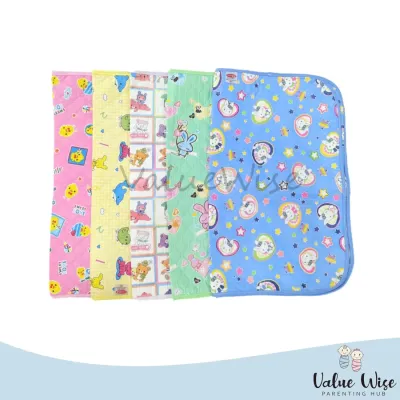
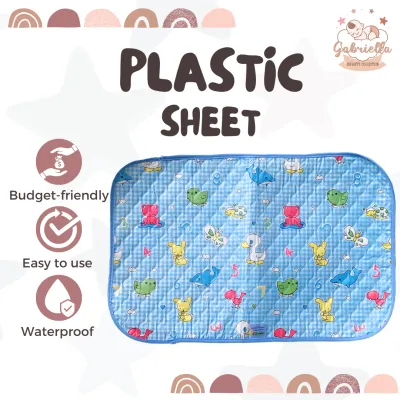
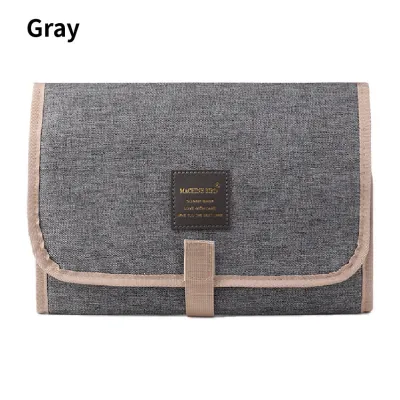



Prices are valid at publication and may change. Please refer to the product page for the latest price.
Conversely, a pad that is too large for the table top is equally hazardous. If you attempt to force an oversized pad into a smaller wooden frame, the pad will bunch up or bow in the center. This creates an uneven, unstable surface that compromises the baby’s balance and makes rolling over much easier. It can also block access to built-in safety strap holes, preventing you from securing the baby properly during changes.
Active caregiver supervision is always the primary line of defense during diaper changes; a changing pad is never a substitute for your direct attention. However, a properly fitted pad provides the physical security necessary to support your supervision. In high-humidity environments like the Philippines, poorly fitted pads can also trap moisture, dust, and lint in the gaps between the pad and the frame, creating an unsanitary environment. Ensuring a snug, exact fit eliminates these physical and hygienic risks.
Step-by-Step Guide to Measuring Your Changing Table
To ensure you purchase the correct pad size, you must measure your changing table or dresser topper with precision. Relying on visual estimation or rough guesses often leads to purchasing errors and inconvenient product returns. Before you begin, gather a firm metal measuring tape rather than a soft sewing tape, as metal tapes remain rigid over long spans and provide more accurate linear measurements.

Always record your measurements in both inches and centimeters. Many imported changing pads are manufactured using metric specifications, while local custom-built wooden furniture in the Philippines often utilizes imperial measurements. Having both sets of numbers on hand allows you to quickly cross-reference listings on online marketplaces or in local baby boutiques.
Measuring the Flat Surface Area
Begin by identifying the flat, usable surface area of the changing table or dresser top. Place the end of your measuring tape at the innermost point of one side and extend it across to the opposite innermost point.
- Length: Measure from the left inner edge to the right inner edge of the flat surface.
- Width: Measure from the front inner edge to the back inner edge of the flat surface.
- Exclusions: Explicitly exclude any outer decorative trim, overhanging wooden lips, or beveled edges. Measuring from the outermost decorative edges will result in a measurement that is too large, causing your purchased pad to overhang or sit unevenly on the actual flat surface.
Accounting for Raised Edges and Contours
Many dedicated changing tables and removable dresser toppers feature raised wooden borders, safety rails, or contoured lips designed to keep the pad from sliding off. If your furniture has these physical barriers, you must measure the interior dimensions rather than the exterior frame.
- Inner Clearance: Place your measuring tape flat against the bottom surface and measure from the inside face of the left rail to the inside face of the right rail. Repeat this process for the front and back rails.
- Depth/Height: Measure the vertical height of the safety rails from the flat surface upward. Your changing pad should sit comfortably within these rails; a pad that is excessively thick may rise above the safety barriers, rendering them ineffective.
- Corner Profiles: Note whether the inner corners of your changing table are perfectly square or slightly rounded. If the corners are rounded, a pad with rigid, squared corners may not sit completely flat at the ends.
Navigating Standard vs. Actual Pad for Baby Dimensions
When shopping for a pad for baby setups, you will frequently encounter the term “standard size.” However, there is no single, universally mandated standard for changing pad dimensions. What one manufacturer labels as standard may differ by several centimeters from another brand’s definition, particularly when comparing American, European, and Asian imports.
In general, many rectangular changing pads are roughly 30 to 34 inches (76 to 86 cm) in length and 16 to 18 inches (41 to 46 cm) in width. Thickness typically ranges from 1 to 4 inches (2.5 to 10 cm). Despite these common ranges, manufacturing tolerances and design variations mean you should never buy a pad based solely on the word “standard” on the packaging.
Always locate the exact physical dimensions listed in the product specifications. Compare these numbers directly against the physical measurements you recorded from your furniture. If you are purchasing an imported pad, pay close attention to unit conversions to ensure a fraction of an inch does not prevent the pad from fitting securely inside your table’s wooden rails.
Matching Pads to Branded Nursery Furniture Sets
If you have purchased a coordinated nursery furniture set—such as a matching crib, dresser, and changing table combo—matching the pad requires extra attention. Many premium or modular furniture brands design their changing tables with proprietary dimensions that do not align with common third-party pads.
Before shopping for a third-party pad, consult your furniture manufacturer’s user manual, product specifications sheet, or official website. Manufacturers often list the exact compatible pad models or specify the maximum allowable pad dimensions to maintain the furniture’s safety certification.
In some cases, proprietary changing toppers feature unique anchoring slots, specialized safety strap configurations, or contoured shapes that require the brand’s own matching pad. Utilizing a non-compatible pad in these proprietary systems can prevent the safety hardware from functioning correctly, leaving the pad unsecured. If the manufacturer’s manual is unavailable, contact their customer service department or a qualified local furniture specialist to verify compatibility before making a purchase.
Verifying Safety Strap and Anchor Compatibility
A changing pad’s safety features are only effective if they integrate seamlessly with your changing table’s hardware. Most high-quality changing pads feature two distinct sets of straps: safety belts designed to secure the baby around the midsection, and anchoring straps intended to secure the pad itself to the back or underside of the furniture.
First, inspect the physical placement of the safety strap holes on the changing pad. These slots must align perfectly with the built-in strap anchors or routing holes on your changing table. If the pad is too long or too short, the straps may be pulled at an awkward angle, reducing their structural integrity and making it difficult to buckle your baby securely.
Second, examine the anchoring mechanism of the pad. Many pads require you to screw fabric anchoring straps directly into the back of your wooden dresser or changing table frame. Ensure your furniture has a solid wood or secure MDF backing at the exact height where these straps attach.
Additionally, check the underside of the changing pad. Many models feature non-slip rubberized backings or adhesive strips to prevent sliding. In the warm, humid climate of the Philippines, certain rubberized materials can degrade, melt, or stick to polyurethane and lacquer wood finishes over time. Verify the manufacturer’s care instructions regarding surface compatibility, and consider using a thin, breathable fabric barrier if the pad manufacturer warns against direct contact with specific furniture finishes.
Frequently Asked Questions (FAQ)
Can I use a standard changing pad on a regular dresser?
Yes, you can use a changing pad on a regular dresser, provided you meet several strict safety conditions. The dresser must be completely stable, level, and secured to the wall using heavy-duty anti-tip brackets to prevent it from falling forward under weight. The top surface of the dresser must be wide and deep enough to accommodate the changing pad completely, with no portion of the pad overhanging the edges.
To prevent the pad from sliding, you must use a secure dresser topper frame or utilize the pad’s built-in anchoring straps screwed firmly into the back of the dresser. Never simply place a loose changing pad on top of a bare, polished dresser surface, as the friction is insufficient to prevent sliding during a diaper change.
What should I do if the changing pad is slightly smaller than the table?
If your changing pad is slightly smaller than the table surface, leaving minor gaps of less than an inch, you can still use it safely by centering the pad and securing it firmly. Use high-grip, non-slip drawer liners underneath the pad to eliminate any potential for horizontal sliding.
However, if the gaps are larger than an inch on any side, the setup is unsafe. Large gaps create a risk where a baby’s limbs can become wedged, or the pad can shift suddenly, compromising balance. In such cases, do not attempt to fill the gaps with rolled-up towels or blankets, as these can easily shift or pose hygienic issues. The safest option is always to return the pad and purchase one that fits snugly within the physical boundaries of your table.
Are contoured changing pads sized differently than flat ones?
Contoured changing pads feature raised outer edges—often on two or four sides—to help keep your baby centered on the pad. While their exterior dimensions may match standard flat pads, their interior usable space is different. The raised contours reduce the flat, level surface area where your baby actually lies.
When choosing a contoured pad, you must measure both the exterior dimensions (to ensure it fits your table) and the interior flat width (to ensure your baby has enough room to lie flat comfortably). As your baby grows and gains weight, a contoured pad with excessively steep or narrow side walls may become cramped. Always verify the manufacturer’s recommended weight and age limits to ensure the pad remains comfortable and safe throughout your diapering journey.
Community discussion
Share your experience or ask a question. Comments are reviewed before publication.