
Choosing a reliable lock for cabinet doors and drawers is a foundational step in creating a safe home environment as your child grows. As infants transition from crawling to pulling themselves up, their natural curiosity drives them to explore every accessible nook, with low-lying cabinets being prime targets. Because home layouts, furniture styles, and daily routines vary significantly, there is no single lock type that serves as a universal solution. Instead, a successful baby-proofing strategy relies on matching specific locking mechanisms to your furniture’s design while balancing child-resistance with adult convenience.
To build an effective home safety plan, caregivers must evaluate the physical layout of their cabinetry, the types of items stored inside, and the developmental stage of their child. This guide provides a comprehensive framework to help you assess your home’s needs, compare the most common cabinet lock mechanisms, and implement a secure, long-lasting baby-proofing system.
Why Securing Cabinets Is a Critical Baby-Proofing Step
Securing lower cabinets and drawers is essential because these spaces often house items that pose immediate risks to an exploring child. In the kitchen, under-sink areas typically contain concentrated cleaning agents, dishwashing tablets, and chemical sprays. In the bathroom, low vanities may hold cosmetics, personal care products, or medications. Even lower pantry shelves can present hazards, such as heavy canned goods that could fall on a child’s foot, or small food items that present choking risks. Identifying these high-risk zones allows you to prioritize which cabinets require immediate physical barriers.
Products mentioned in this guide
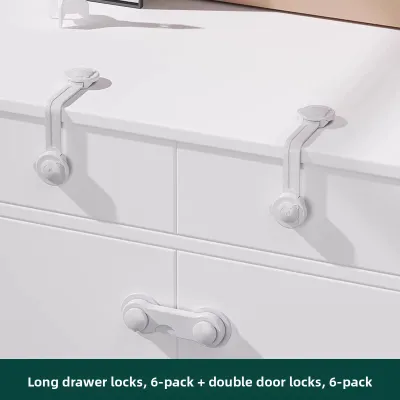
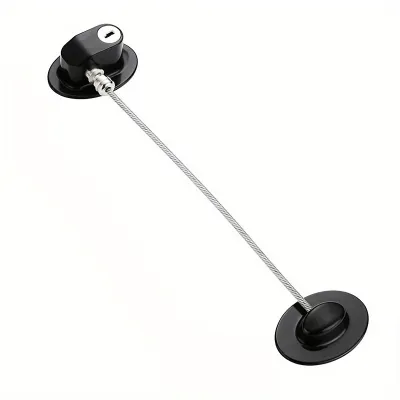
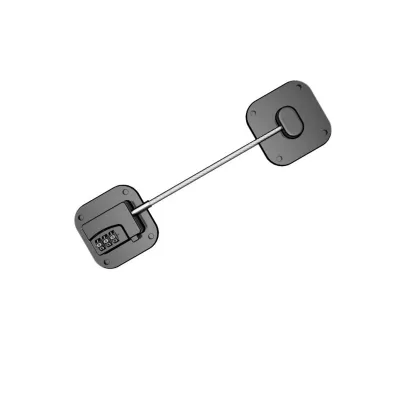
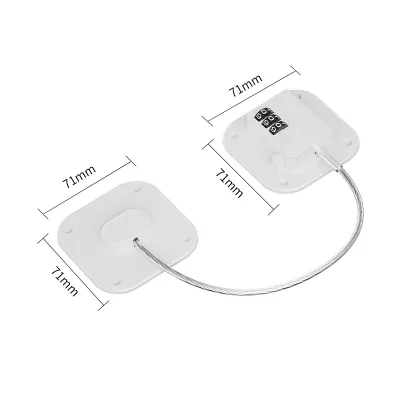
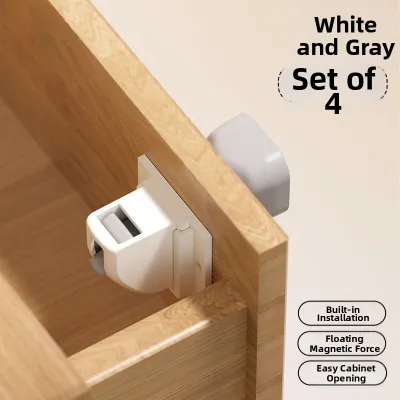
Prices are valid at publication and may change. Please refer to the product page for the latest price.
This safety step becomes urgent as babies reach key developmental milestones. Between six and twelve months of age, infants generally begin crawling, cruising along furniture, and developing a strong pincer grasp. These physical milestones allow them to reach handles, pull doors open, and grasp small or hazardous objects. A physical lock acts as a necessary barrier when a child’s physical capabilities temporarily outpace their cognitive understanding of danger.
It is a common misconception that standard child-resistant packaging on household chemicals or medications provides sufficient protection. Many of these caps are designed to delay access rather than prevent it entirely, and a persistent toddler can often open them given enough time. Furthermore, packaging can wear down or be left improperly closed. A dedicated cabinet lock provides a critical secondary layer of defense by preventing access to the container in the first place. However, caregivers must remember that safety hardware is never a substitute for active adult supervision. Highly hazardous items, such as prescription medications and corrosive chemicals, should ideally be stored in high-level cabinets completely out of a child’s line of sight, even if lower cabinets are locked.
Key Features to Evaluate When Buying Cabinet Locks
When selecting a lock for cabinet doors or drawers, balancing child-resistance with adult ease of use is paramount. If a locking mechanism is excessively difficult or tedious for an adult to operate, there is a high likelihood that caregivers will eventually leave it disengaged, especially during busy daily routines. The ideal lock should require a level of manual dexterity, coordination, or physical strength that a young child does not possess, while remaining simple enough for an adult to open quickly—ideally with one hand when holding a baby or carrying household items.

Installation methods are another critical factor to weigh, primarily choosing between adhesive mounts and screw-mounted hardware. Adhesive locks utilize heavy-duty double-sided tape, making them highly popular for renters or those wishing to preserve expensive wooden cabinetry. However, in tropical climates with high humidity, such as the Philippines, adhesive bonds can degrade more rapidly over time. Screw-mounted locks require drilling into the interior frame or door of the cabinet, offering a highly secure, permanent physical connection that resists significant pulling force. Caregivers should evaluate their long-term housing plans and furniture materials when choosing between these two methods.
Material durability and structural integrity directly impact how well a lock performs under pressure. Toddlers often shake, pull, or even hang on cabinet handles when trying to gain access. Locks constructed from thin, brittle plastics are prone to snapping under repeated stress. Look for options made from robust, high-grade ABS plastic or metal components. It is also wise to verify the manufacturer’s specifications regarding weight limits or pull-force resistance to ensure the hardware can withstand a growing child’s strength.
When purchasing safety hardware, caregivers must carefully verify the recommended age or developmental stage, weight limits, and specific method of use detailed in the product documentation. Never infer a lock’s suitability or strength solely from its product name or marketing claims. Because safety standards, certifications, and product recalls are dynamic and subject to change, it is essential to independently verify that the hardware meets current safety guidelines and has not been subject to recent manufacturer recalls before installation. While high-quality locks significantly reduce risks, no safety device can promise absolute safety or replace active caregiver supervision. If you encounter highly complex cabinetry or are unsure of the best setup for your home, consulting a professional child-proofing specialist can provide tailored guidance.
Common Types of Cabinet Locks and Their Mechanisms
Understanding the distinct physical mechanisms of common cabinet locks allows you to select the most appropriate style for each room. Magnetic cabinet locks are highly favored for their discreet, low-profile design. These systems are installed entirely inside the cabinet, leaving no visible hardware on the exterior. To open the door, an adult must place a specialized magnetic key against the outside of the cabinet face, which releases the internal latch. The primary advantage of magnetic locks is their high level of child-resistance, as there are no visible parts for a toddler to pull or investigate. However, the system’s effectiveness depends entirely on the magnetic key; if the key is lost or misplaced, accessing the cabinet becomes extremely difficult.
Adhesive strap locks consist of a flexible plastic or fabric strap anchored by two adhesive pads. These are typically installed on the exterior of the furniture, wrapping around corners or spanning the gap between double doors. Strap locks are highly versatile and can be used on non-standard surfaces, including curved cabinets, refrigerators, and trash cans. The main drawback is their high visibility, which may clash with home decor and attract a child’s attention. Additionally, because they are mounted on the exterior, determined toddlers may continuously pull on the strap, eventually weakening the adhesive backing. Caregivers must also take care during removal, as strong adhesives can occasionally strip paint or varnish from wooden surfaces.
Spring-action latch locks are mounted on the inside of the cabinet door or drawer. When the door is pulled open slightly, a plastic arm catches on a hook mounted to the cabinet frame, stopping the door from opening further. To fully open the cabinet, an adult must reach their finger through the narrow gap and press down on the flexible spring arm to disengage the latch. These locks are durable, cost-effective, and do not require a key. However, because they allow the door to open slightly before catching, there is a risk that a child could pinch their fingers in the gap. Some older, observant toddlers may also learn how to press the lever by watching adults operate it.
Specialized locks are designed for unique furniture configurations that standard latches cannot secure. For example, sliding glass doors or bypass wooden doors require specialized sliding locks, which often feature fold-out wings that prevent the doors from sliding past one another. Cord locks and sliding slide locks are designed to loop around pairs of adjacent cabinet knobs or D-shaped handles, binding them together. While highly portable and requiring zero installation, these external locks must be completely removed and set aside every time you open the cabinet, which can become inconvenient in high-traffic areas.
How to Match the Right Lock to Your Cabinet Style
Before purchasing baby-proofing hardware, conducting a thorough room-by-room audit of your home’s cabinetry is essential. Begin by identifying the door and drawer types in each space. Single hinged doors can easily accommodate internal spring latches or magnetic locks. Double doors without a center stile (the vertical wood piece between the doors) can often be secured together using an external slide lock or a single adhesive strap lock. If your double doors do have a center stile, you will need to install separate internal locking mechanisms on each individual door to ensure they cannot be pried open independently.
Next, evaluate the exterior handle styles of your furniture. If your cabinets are handle-less and rely on touch-latches or integrated finger grooves, external strap locks and slide locks are not viable options. In these cases, internal magnetic locks or spring-action latches are necessary. For cabinets with traditional knobs or bar pulls, external slide locks offer a quick, non-invasive way to secure the doors without modifying the furniture itself.
Interior clearance and frame depth must also be measured carefully. Internal latch systems require a certain amount of vertical or horizontal clearance to operate smoothly without striking internal shelves, drawer slides, or stored items. If your drawers are packed tightly with utensils or organizers, an internal lock might catch on these items, causing jams. Measuring the distance between the top of the drawer box and the underside of the countertop will help you verify if an internal latch has sufficient clearance to function.
Rather than purchasing a single, large bulk pack of one specific lock type, it is highly recommended to create a customized room-by-room shortlist. You might find that magnetic locks are ideal for the kitchen where aesthetics and quick access to cooking tools are important, while heavy-duty screw-mounted latches are better suited for the bathroom vanity where high-risk cleaning products are stored. Tailoring the lock type to the specific cabinet style and contents ensures a more reliable and user-friendly safety system.
Installation, Testing, and Ongoing Maintenance
Proper installation is critical to ensuring that cabinet locks perform as intended. For adhesive-mounted locks, surface preparation is the most important step. Clean the mounting area thoroughly with rubbing alcohol to remove any grease, dust, or cleaning residue, and allow it to dry completely. In warm, humid environments, moisture in the air can interfere with the adhesive bond. It is best to apply the adhesive during a cooler, drier part of the day and allow it to cure undisturbed for the full duration specified by the manufacturer—typically 24 hours—before subjecting the lock to any pulling force.
Once the installation is complete and any adhesives have fully cured, conduct a realistic stress test. Approach the cabinet from a child’s physical perspective—kneeling down and pulling on the handle with a sudden, firm tug. This test helps verify that the adhesive holds securely, the screws are firmly anchored, and the latch aligns perfectly with its catch. If you notice any flexing, slipping, or misalignment, adjust the hardware immediately to prevent failure during actual use.
Ongoing maintenance is necessary to ensure the locks remain effective over time. Establish a routine check, perhaps once a month, to inspect the hardware. In high-humidity areas like bathrooms, closely monitor adhesive backings for signs of peeling or lifting. For screw-mounted locks, check that the screws have not become loose or stripped the wood fibers due to repeated slamming or pulling. Inspect plastic components for signs of wear, stress whitening, or cracking, and replace any compromised hardware immediately.
As children grow, their physical strength, height, and cognitive problem-solving skills develop rapidly. A locking mechanism that was highly effective for a 10-month-old may be easily bypassed by a curious 2-year-old who has learned to mimic adult hand movements. Caregivers must remain vigilant and observe how their child interacts with the locks. If you notice your child attempting to manipulate the latches or successfully opening a spring-action lock, stop using that specific mechanism immediately. At this stage, you should upgrade to a more complex system, such as a magnetic lock, or relocate all hazardous items to high-level shelving that is completely out of reach.
Frequently Asked Questions (FAQ)
Are magnetic cabinet locks safe if the baby finds the key?
No, the security of a magnetic cabinet lock is entirely compromised if a child gains access to the magnetic key. Toddlers are highly observant and will quickly learn to associate the key with the opening of the cabinet door. To maintain safety, always store the magnetic key on a high, metallic surface—such as the side of a refrigerator or a mounted metal plate—well out of the child’s line of sight and reach. It is also highly advisable to keep a spare magnetic key hidden in a separate, secure location in case the primary key is accidentally misplaced or lost.
Can I use cabinet locks on drawers as well as doors?
Yes, many types of cabinet locks, including internal spring latches and magnetic locks, are highly compatible with drawers. However, before installing them, you must verify the drawer’s internal clearance, side-wall depth, and the manufacturer’s specific guidelines. Drawers often require more robust locks because children may attempt to use the drawer handles as steps to climb onto countertops, placing significant downward force on the locking mechanism. Always ensure the lock is rated to withstand this type of physical stress, and regularly inspect the hardware for any signs of loosening or damage.
Community discussion
Share your experience or ask a question. Comments are reviewed before publication.