
When preparing for an outing with your baby, finding the right bottle storage organizer for your diaper bag depends entirely on your feeding routine, your diaper bag’s layout, and how long you plan to be away from home. In warm, tropical climates where high humidity and heat can quickly compromise milk safety, a reliable organizer is not just about neatness—it is a critical tool for keeping milk fresh and bottles sanitary. The ideal choice balances thermal performance, physical protection, and space efficiency, ensuring you can feed your baby safely and without stress while on the go.
Essential Features for On-the-Go Bottle Storage
To keep your baby’s milk safe and your diaper bag dry, several non-negotiable features must guide your selection. First and foremost is thermal retention. If you are carrying expressed breast milk or pre-mixed formula, you need an organizer that can maintain a cool environment. When evaluating manufacturer temperature claims, look for specifications detailing the layers of insulation used, such as high-density foam or reflective foil linings. Always verify these claims yourself under real-world conditions before heading out on a long trip, as ambient tropical heat can significantly reduce the effective cooling duration compared to laboratory tests.
Leak-proof linings and wipe-clean materials are equally vital. Spills are inevitable when traveling with liquids, and a single leaky bottle can ruin the contents of your entire diaper bag. Look for heat-sealed interior seams that prevent liquids from seeping into the outer fabric. Materials like water-resistant polyester or nylon on the exterior, paired with a smooth, wipeable thermoplastic polyurethane (TPU) or ethylene-vinyl acetate (EVA) interior, make it easy to clean up spills with a simple baby wipe. This quick-cleaning capability is especially important in humid environments, where trapped moisture can rapidly lead to sour odors and mold.
Products mentioned in this guide
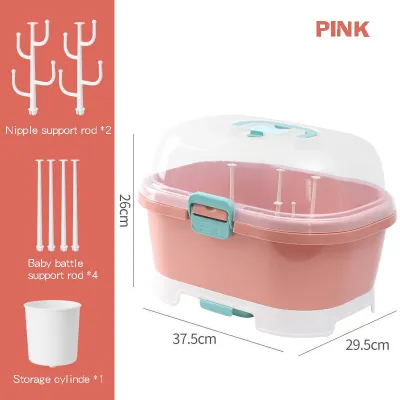
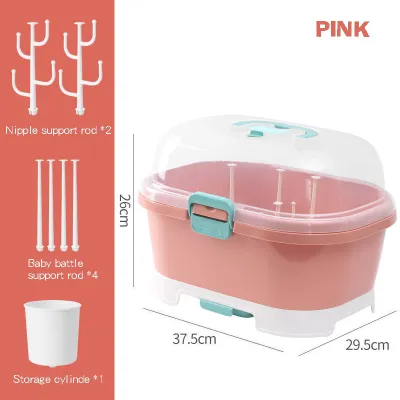
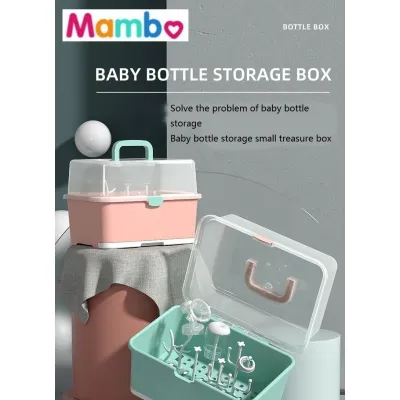
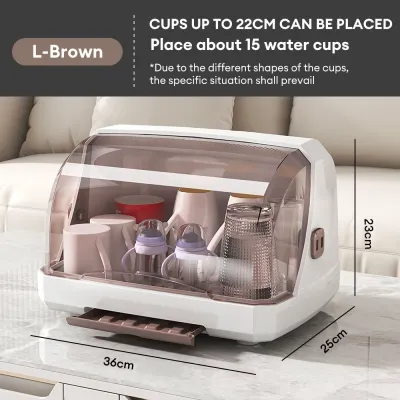
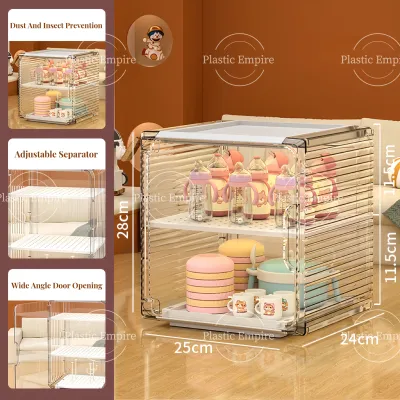
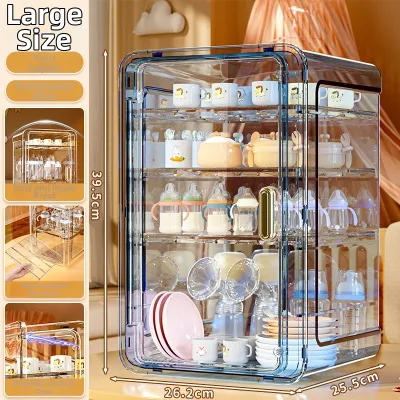
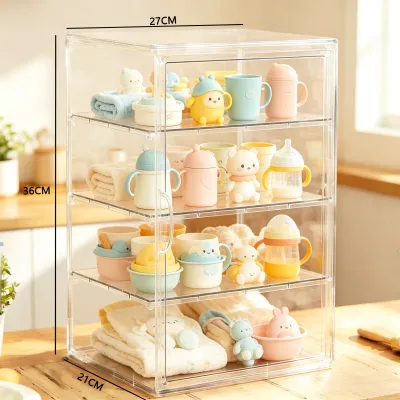
Prices are valid at publication and may change. Please refer to the product page for the latest price.
Finally, pay close attention to the structural integrity of the organizer. A soft, flimsy pouch will easily collapse under the weight of diapers, spare clothes, and toys inside a packed diaper bag. Sturdy zippers, reinforced stitching, and semi-rigid walls help the organizer maintain its shape. This structural support prevents bottles from being crushed or tipped over, keeping the nipples upright and reducing the risk of leaks during transit.
Types of Bottle Organizers for Diaper Bags
Choosing the right format requires understanding how different designs interact with your existing diaper bag and travel habits.

Insulated Bottle Totes and Sleeves
Standalone insulated bottle totes and individual sleeves offer dedicated temperature control. These organizers typically feature thick insulation and are designed to hold between one and four bottles. The primary advantage of a standalone tote is its flexibility; you can easily clip it to the outside of your stroller or slide it into a large diaper bag compartment. However, because they are separate units, they can consume a significant amount of space inside your main bag, sometimes leaving little room for other essentials. Additionally, their capacity is strictly limited, meaning you may need multiple sleeves if you plan to be out for an entire day.
Multi-Compartment Bag Inserts and Caddies
If your primary goal is neatness and quick access, multi-compartment bag inserts and caddies are excellent options. These organizers feature multiple open pockets, elastic loops, and dividers designed to keep bottles, formula dispensers, and nipples upright and separated. They slide directly into the main compartment of your diaper bag, instantly turning a chaotic space into an organized system. While they excel at space efficiency and keeping accessories organized, most inserts offer limited built-in insulation. If you choose a caddy, you will likely need to rely on pre-chilled bottles or use it primarily for dry feeding supplies, such as empty bottles and pre-measured formula powder.
Hard-Sided Protective Cases
For parents who prefer glass bottles or delicate silicone options, hard-sided protective cases provide maximum impact protection. These rigid containers shield your bottles from being squeezed or cracked by heavy items in your diaper bag. While they offer peace of mind against accidental drops and impacts, they come with a notable trade-off in weight and bulk. Hard-sided cases do not compress when empty, meaning they occupy the same amount of space in your bag whether they are full or finished.
Matching the Organizer to Your Diaper Bag and Routine
Before purchasing any organizer, take a few minutes to measure your existing gear and plan your typical outing. Start by measuring the interior dimensions of your diaper bag—specifically the depth, width, and height. Compare these measurements with the external dimensions of the bottle organizer to ensure a comfortable fit that does not stretch your diaper bag’s seams. Don’t forget to measure your baby’s bottles with the nipples and protective caps fully assembled, as taller bottle designs often require deeper organizers than standard wide-neck varieties.
Next, calculate your daily bottle volume based on your baby’s age and how long you are usually away from home. A newborn who feeds frequently may require several smaller bottles, whereas an older infant might only need two larger bottles for an afternoon trip. If you prefer to store pre-mixed formula or expressed breast milk, a highly insulated organizer with dedicated space for ice packs is essential. Conversely, if you prefer on-the-go preparation—carrying dry, empty bottles and mixing them with warm water from a thermos at feeding time—a non-insulated multi-compartment insert will serve you better while saving valuable space. Prices can range from a simple ₱300 sleeve to a premium ₱1,500 multi-bottle thermal bag, so matching the organizer to your exact routine ensures you only pay for the features you actually need.
Hygiene and Temperature Safety on the Go
Maintaining proper hygiene and temperature control is crucial when feeding your baby away from home. Always check the temperature of the milk before offering it to your baby, and learn to recognize the signs of spoilage, such as an unusual sour smell or separation that does not resolve with gentle swirling. In warm climates, milk can spoil much faster than expected if the storage temperature rises above safe limits.
When using ice packs to keep milk cool, position them carefully to ensure even cooling without causing direct, prolonged contact that could freeze breast milk or damage plastic bottle components. Ensure the ice packs are completely sealed to prevent condensation from pooling at the bottom of the organizer. After every outing, empty the organizer completely, wipe down the interior with a mild, baby-safe detergent, and leave it fully open to air-dry in a well-ventilated space. This simple routine prevents the buildup of moisture, which can quickly lead to mold and bacterial growth in humid conditions.
Frequently Asked Questions (FAQ)
Can I put a bottle organizer in the washing machine?
Most insulated bottle organizers should not be placed in a washing machine, as the agitation and heat can damage the delicate thermal lining and compromise the sealed seams. Always check the manufacturer’s care label first. For most organizers, hand-washing the interior with warm, soapy water and a soft cloth is the safest method. After washing, ensure the organizer is completely dry before zipping it closed or storing it away, as trapped moisture can lead to mildew.
How long can breast milk stay in an insulated organizer?
The duration breast milk can safely remain in an insulated organizer depends heavily on the quality of the insulation and the presence of frozen ice packs. According to standard health guidelines, breast milk can be kept in an insulated cooler bag with frozen ice packs for up to 24 hours. However, you must verify that the interior remains consistently cold. If the ice packs have completely melted or the organizer feels warm to the touch, check the milk carefully for signs of spoilage before feeding.
Community discussion
Share your experience or ask a question. Comments are reviewed before publication.