
Choosing the right skincare product for your baby requires matching the formulation to their specific skin needs. The Bepanthen range offers several variants, each designed for a distinct purpose: thick ointments serve as protective barriers against diaper wetness, lighter lotions provide daily full-body hydration, and specialized creams target eczema-prone skin. Selecting the correct option depends entirely on observing your baby’s skin signals and verifying the product labels. This guide helps you navigate these choices to keep your baby’s skin comfortable, especially under the warm and humid conditions of a tropical climate.
Identifying Your Baby's Primary Skin Concern
To choose the right product, you must first identify what your baby’s skin is experiencing. In tropical environments like the Philippines, high heat and humidity can interact with moisture and friction, leading to distinct skin issues that require different care strategies.
Diaper rash typically presents as localized redness, swelling, or small bumps confined to the diaper area. This condition is often caused by prolonged contact with wetness, urine, and stool, combined with the friction of the diaper rubbing against delicate skin. The primary goal here is protection and isolation from external moisture.
Products mentioned in this guide
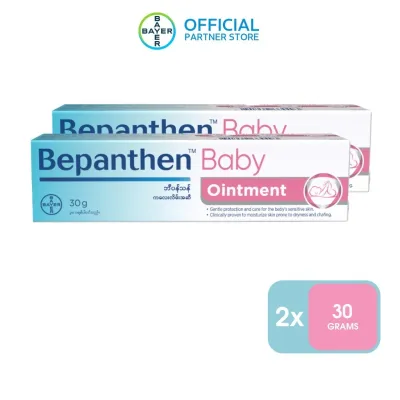
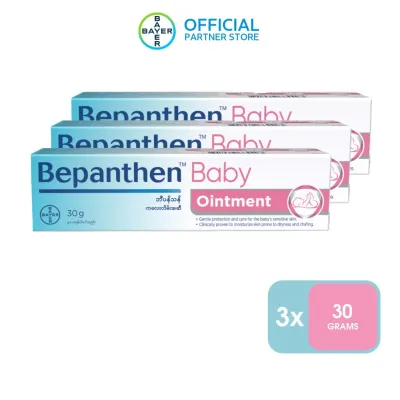
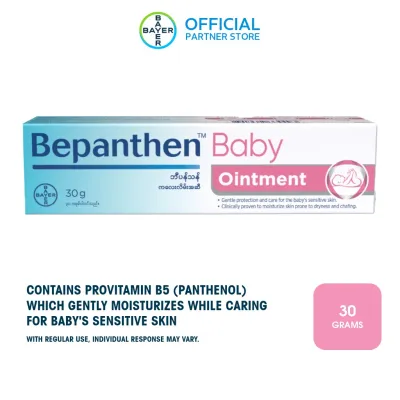
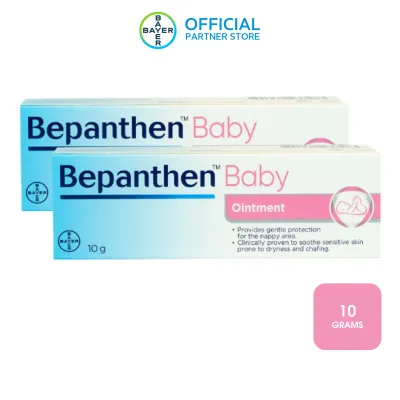
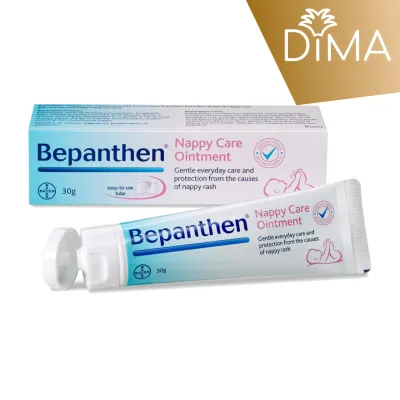

Prices are valid at publication and may change. Please refer to the product page for the latest price.
General dryness, on the other hand, appears as flaky, rough, or slightly tight patches on the limbs, torso, or face. This often happens when babies spend time in air-conditioned rooms or after frequent baths that strip away natural oils. Dry skin requires regular hydration to restore lost moisture and maintain a soft texture.
Eczema-prone skin is characterized by persistent itching, intense redness, dry patches, and occasional inflammation. This condition is more complex than simple dryness and often flares up due to environmental triggers, requiring specialized formulations that soothe irritation and support a compromised skin barrier.
In warm climates, parents must also distinguish these concerns from sweat rash, locally known as “bungang-araw.” Sweat rash usually appears as tiny, itchy pink bumps in areas where sweat accumulates, such as the neck, chest, and skin folds. Unlike diaper rash or eczema, managing sweat rash primarily involves keeping the baby cool and dry rather than applying heavy moisturizing barriers.
Keeping a simple skin diary can help you track when these skin concerns occur. Note whether a flare-up happens after using a specific brand of wipes, during a change in weather, or after spending time outdoors. This information can be incredibly useful if you need to consult a healthcare professional.
While many mild skin issues can be managed with proper over-the-counter skincare, parents must remain vigilant for signs that require professional medical attention. If you notice weeping blisters, pus, extreme tenderness, a spreading rash accompanied by a fever, or skin that looks infected, do not attempt to treat it at home. Always consult a pediatrician immediately for an accurate diagnosis and targeted treatment plan.
Comparing Bepanthen Formulations by Skin Need
Understanding how different Bepanthen formulations work allows you to select the texture and barrier level that matches your baby’s current skin condition. The brand offers distinct categories, ranging from heavy protective barriers to lightweight daily moisturizers.

Ointments for Diaper Care and Barrier Protection
Ointments, such as those formulated for diaper care, have a thick, rich, and greasy consistency. This texture is intentional, as it is designed to create a water-repellent barrier over the skin. By sealing out external moisture from wet diapers while allowing the skin to breathe, ointments protect the delicate diaper area from friction and chemical irritants. Because local product names can vary across regions, always verify the exact product name and intended use on the physical packaging before purchase.
The occlusive nature of ointments makes them highly effective for overnight protection. During long sleep stretches when immediate diaper changes are not possible, a reliable barrier shield is essential. This physical layer mimics the skin’s natural lipid barrier, preventing urine and fecal enzymes from coming into direct contact with the baby’s delicate skin.
Creams and Lotions for Daily Hydration
Creams and lotions, such as daily moisturizing variants, feature a much lighter and more fluid texture. These formulations are designed to absorb quickly into the skin rather than sitting on top of it. They are ideal for full-body application after bath time, helping to lock in hydration without leaving a heavy, sticky residue that can feel uncomfortable in warm, humid weather.
While it might seem counterintuitive to moisturize a baby’s skin in a humid environment, indoor air conditioning can quickly strip away natural moisture. Spending hours in air-conditioned nurseries or bedrooms can leave a baby’s skin surprisingly dry. A lightweight daily lotion helps maintain the skin’s water balance without clogging pores or causing discomfort.
Specialized Formulations for Eczema-Prone Skin
Specialized eczema care formulations are specifically engineered to address the needs of highly sensitive, irritated, and itchy skin. These products focus on soothing discomfort and actively supporting the recovery of the skin’s natural moisture barrier. When selecting these variants, it is crucial to check the product labels for specific age recommendations, active ingredients, and usage instructions, as some specialized formulations may be intended only for babies of a certain age.
These specialized products are often formulated without added fragrances, colorants, or common preservatives that could trigger a reaction in highly sensitive skin. However, because formulations can change, parents should always verify the ingredient list on the physical packaging. Ensuring the product is free from potential irritants is a key step in managing eczema-prone skin safely.
Decision Framework: Which Variant Should You Pick?
To simplify your decision, you can use a straightforward, condition-based framework to match your baby’s current skin state with the appropriate Bepanthen variant.
Choose a protective ointment if your baby’s primary issue is diaper rash or mild friction irritation around the thighs and waist. The thick barrier is ideal for preventing redness before it starts, especially during long sleep stretches or travel when immediate diaper changes might be delayed.
Opt for a daily lotion or cream if your goal is routine, full-body moisturizing. This is the best choice for maintaining healthy skin texture, preventing seasonal dryness, and keeping your baby’s skin hydrated after daily baths in warm weather.
Select specialized eczema variants if your baby exhibits signs of highly sensitive, dry, and itchy skin. These formulations should only be used after verifying the product label for age suitability and, ideally, discussing the symptoms with your pediatrician to ensure it is the right approach for your baby’s specific condition.
When purchasing these products in local pharmacies or verified online marketplaces, parents should compare the cost per gram (₱/g) to find the most economical option for daily use. However, safety and suitability should always take priority over price when it comes to your baby’s skin health.
Once a mild skin issue has cleared up, you can transition between products to maintain healthy skin. For example, if a mild diaper rash has resolved after using an ointment, you can transition back to a lighter daily lotion for general maintenance, or continue using a thin layer of ointment solely as a preventive barrier during nighttime diaper changes.
There are situations where over-the-counter cosmetic or barrier creams are not appropriate. If your baby’s skin shows signs of infection, open wounds, weeping blisters, bleeding, or severe allergic reactions, do not apply these products. In these cases, seek immediate medical evaluation, as prescription treatments may be necessary to resolve the underlying issue safely.
Safety Checks and Application Guidelines
Using baby skincare products safely requires careful attention to product labels and proper application techniques to avoid worsening any existing skin irritation.
Always read the full ingredient list on the physical packaging to check for any known allergens or sensitizing agents. Additionally, verify the manufacturer’s recommended age threshold on the label, as some formulations are suitable from birth, while others are formulated for older infants or toddlers.
Before applying any new Bepanthen variant to a large area of your baby’s body, perform a simple patch test. Apply a tiny amount of the product to a small, clean area of the baby’s skin, such as the inner forearm or behind the ear. Observe the area for 24 hours for any signs of redness, swelling, or irritation before proceeding with regular use.
When applying any product, start with clean and thoroughly dry skin. For diaper ointments, apply a thin, even layer over the affected area; applying too thick a layer can trap excess moisture against the skin, which may inadvertently worsen diaper rash in humid climates. For daily lotions, gently massage a small amount onto the skin until fully absorbed, focusing on dry areas like the elbows and knees.
Always wash your hands thoroughly with soap and water before touching the product and applying it to your baby’s skin. This simple hygiene practice prevents introducing bacteria into the product container or onto your baby’s delicate skin barrier, reducing the risk of secondary infections.
In a tropical climate, proper storage is essential to maintain the stability of skincare formulations. Store your Bepanthen tubes and bottles in a cool, dry place, away from direct sunlight and heat sources. Avoid leaving them in hot cars or near windows, as extreme heat can cause the emulsion to separate, reducing its effectiveness and altering its texture.
Establish clear boundaries for when to stop using a product. Discontinue use immediately and consult a qualified healthcare professional if you notice the redness worsening, the rash spreading to other parts of the body, or if your baby shows signs of discomfort, swelling, or infection.
Frequently Asked Questions (FAQ)
Can I use Bepanthen ointment on my baby's face?
Thick ointments designed for diaper care are generally not recommended for use on a baby’s face. The heavy, water-repellent texture of these ointments can easily clog delicate facial pores or lead to milia, which are tiny, harmless white bumps on the skin. Instead, look for lighter daily lotions or creams specifically labeled for facial use, and always check the product instructions to ensure they are safe for application near the eyes and mouth.
How often should I apply Bepanthen for diaper rash prevention?
For effective diaper rash prevention, you should apply a thin layer of protective ointment during every diaper change, or as directed by the specific product’s label. Consistent application is key to maintaining a continuous barrier against wetness. Always ensure that the diaper area is thoroughly cleaned and completely dry before applying the ointment to prevent trapping moisture underneath the protective layer.
Is it safe to use Bepanthen on newborns?
While many Bepanthen variants are formulated to be gentle enough for babies, age suitability can vary significantly depending on the specific product and formulation. You must always check the physical product label to verify the manufacturer’s recommended age threshold, such as whether it is approved for use from birth. For premature infants or babies with severely compromised skin barriers, always consult a pediatrician before introducing any new skincare product.
Community discussion
Share your experience or ask a question. Comments are reviewed before publication.