
Choosing the right baby rash cream in the Philippines requires a clear understanding of your baby’s skin condition and the environmental factors at play. In a tropical climate characterized by high temperatures and intense humidity, infants are particularly susceptible to diaper dermatitis. Sweat, friction, and trapped moisture can rapidly break down the delicate skin barrier, leading to painful irritation and redness. To address this effectively, caregivers must learn to identify the specific type of rash present, select products with appropriate active ingredients, and establish a meticulous daily care routine.
Rather than relying on a single universal product, the most effective approach involves matching the cream’s formulation to the severity and cause of the rash. Simple friction-induced redness requires a reliable physical barrier to block moisture, while fungal or bacterial complications demand targeted medical treatments. By understanding how different ingredients interact with compromised skin, you can make informed decisions that promote rapid healing and prevent future flare-ups. This guide provides a practical framework to help you evaluate your baby’s skin, read product labels critically, and establish safe diapering habits.
Identifying Your Baby's Diaper Rash Type and Severity
Before purchasing any baby rash cream, it is essential to visually assess the affected area to determine the underlying cause of the irritation. The most common form of diaper rash is irritant contact dermatitis, which typically presents as mild to moderate redness on the convex surfaces of the skin. These are the areas that experience direct contact and friction with the diaper, such as the buttocks, thighs, and lower abdomen. Notably, the skin folds and creases usually remain unaffected in simple contact dermatitis, as they are shielded from direct rubbing.
Products mentioned in this guide
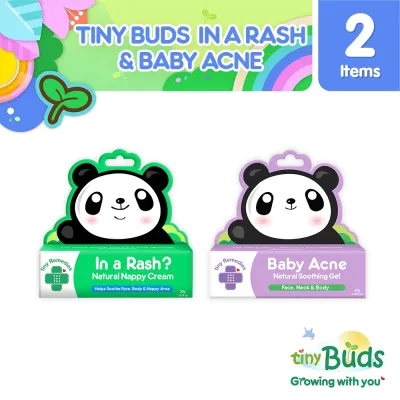
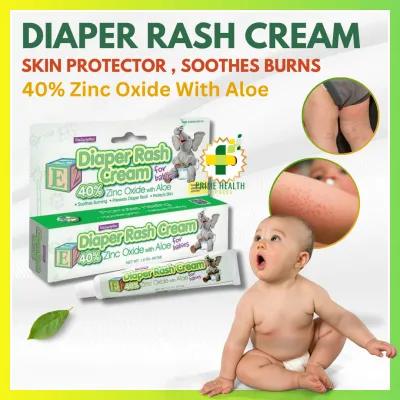
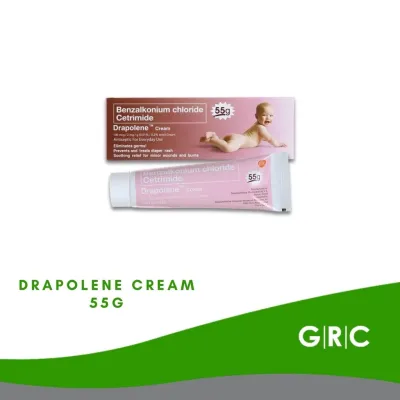
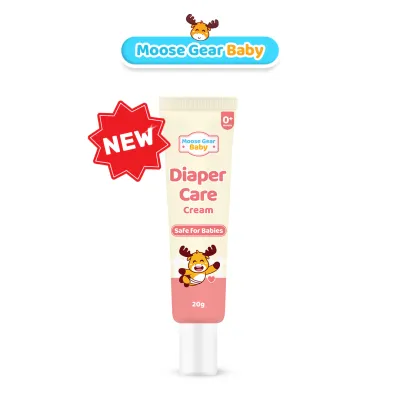
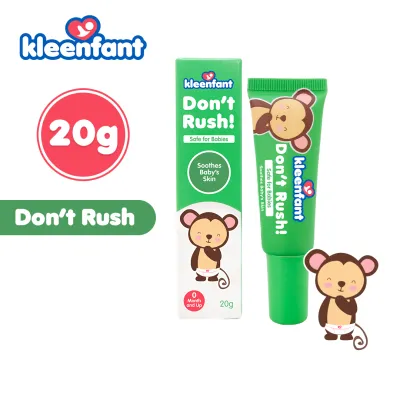
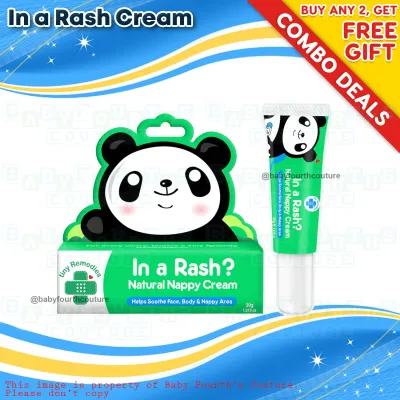
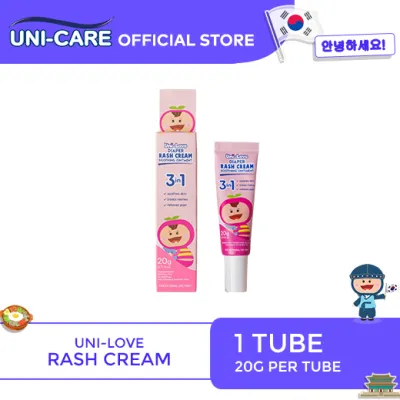
Prices are valid at publication and may change. Please refer to the product page for the latest price.
In contrast, a yeast infection, often caused by Candida, thrives in the warm, dark, and moist environment of a diaper, especially during hot and humid tropical days. This type of rash is characterized by bright red, raw-looking patches that actively involve the skin folds and creases. You will also likely observe small, distinct red spots, known as satellite lesions, spreading outward from the main red patches. If the rash is fungal, standard over-the-counter barrier creams will not resolve the issue and may even trap moisture, worsening the infection.
Bacterial infections represent another level of severity that requires immediate professional attention. These rashes often present with yellow, oozing crusts, fluid-filled blisters, or small pimples that may pop and leave raw spots. If you notice these signs, or if your baby develops a fever, shows extreme discomfort during diaper changes, or if the rash begins to bleed, you must halt all home care efforts. These are clear stop-conditions that require an immediate consultation with a pediatrician rather than further product experimentation.
Caregivers should also track the timeline and progression of the skin irritation. A typical irritant diaper rash should begin to improve within two to three days of consistent barrier cream application and improved diapering hygiene. If the redness persists beyond this timeframe, continues to spread toward the abdomen or back, or appears to cause worsening pain, it is time to seek medical advice. Keeping a simple log of when the rash started and how it responds to different care steps can provide valuable information for your pediatrician.
Matching Ingredients and Formulations to the Rash
When evaluating baby rash creams, the active ingredients listed on the label should dictate your choice. For daily prevention and the treatment of mild irritant contact dermatitis, physical barrier protectants are highly effective. Zinc oxide is a reliable choice in diaper care, as it forms a thick, impermeable layer over the skin that deflects wetness and minimizes friction. It is particularly useful in humid climates where sweat and urine can quickly break down the skin’s natural defenses.

Petroleum jelly, or petrolatum, is another highly effective barrier agent that works by creating an occlusive seal on the skin. This seal prevents external moisture from penetrating the skin barrier while locking in the skin’s natural hydration to facilitate healing. Many daily preventive creams combine zinc oxide with petroleum jelly to offer a balanced texture that is easy to apply while providing robust protection against diaper wetness.
If you suspect a yeast or bacterial infection, it is crucial to understand that over-the-counter barrier creams are not designed to cure these conditions. Antifungal treatments containing ingredients like clotrimazole or miconazole, and antibacterial ointments, must only be used after receiving a formal diagnosis and prescription from a healthcare professional. Applying these specialized treatments without medical guidance can lead to skin thinning, localized drug resistance, or a delay in proper healing.
For mild skin irritation and redness, soothing agents can assist in calming the skin. Ingredients such as calendula, chamomile, and aloe vera are frequently added to baby creams for their anti-inflammatory properties. However, because infant skin is incredibly delicate and prone to contact allergies, you should always perform a patch test before widespread application. Apply a tiny amount of the product to a small patch of healthy skin on your baby’s inner arm and monitor the area for 24 hours for any signs of redness or swelling.
Caregivers must also be vigilant about identifying and avoiding ingredients that can further compromise irritated infant skin. Synthetic fragrances, often listed simply as “parfum” or “fragrance,” are a leading cause of allergic contact dermatitis and can cause a stinging sensation on raw skin. Similarly, harsh preservatives like parabens, formaldehyde releasers, and drying alcohols should be avoided. Opting for fragrance-free, minimalist formulations reduces the risk of secondary irritation and supports the skin’s natural recovery process.
Reading Labels and Verifying Safety Claims
Navigating the marketing claims on baby skincare packaging requires a critical eye, as many terms are designed for appeal rather than clinical assurance. Phrases like “pediatrician-tested” or “dermatologist-tested” indicate that a specialist monitored a product trial, but they do not guarantee that the product is universally safe or hypoallergenic for your specific baby. These terms are not standardized by regulatory bodies, meaning the testing protocols can vary widely between manufacturers.
To ensure safety, always check the product packaging for specific age appropriateness, weight guidelines, and manufacturer warnings. Some formulations are specifically designed for older infants and may contain concentrations of active ingredients that are too strong for the ultra-thin skin of newborns or premature babies. Additionally, read the warnings section carefully to identify restrictions, such as avoiding application on open wounds, deep punctures, or near the baby’s eyes and mouth.
A crucial step in selecting a safe cream is cross-referencing the full ingredient list with your baby’s known medical history and sensitivities. If your baby has a diagnosed skin condition like eczema, or a family history of specific allergies, you must carefully scan the label for potential triggers. Do not rely solely on front-of-pack claims; instead, read the fine print on the back of the tube to verify every single component of the formulation.
It is also important to distinguish between legitimate, verifiable safety certifications and vague marketing buzzwords. Terms like “natural,” “organic,” or “chemical-free” are often used loosely and do not carry legal definitions in the cosmetics industry. Instead, look for official seals of approval from recognized dermatological or pediatric associations, or check if the product is registered with the local Food and Drug Administration. A registered product ensures that the manufacturer has complied with safety standards and ingredient reporting requirements.
Building Your Shortlist of Baby Rash Creams
Creating a practical shortlist of potential baby rash creams involves balancing budget, usability, and purchasing safety. When setting a realistic budget in ₱, consider the tube size, the concentration of active ingredients, and how frequently you expect to use the product. A highly concentrated zinc oxide paste may cost more upfront but require only a small amount per application, making it more cost-effective over time than a thinner lotion that needs frequent reapplication.
The texture of the cream is a key factor that influences both ease of application and your baby’s comfort. Thick, heavy pastes provide maximum physical protection and are ideal for overnight use or severe irritant rashes, but they can be difficult to spread and wipe away. Lightweight creams or lotions are much easier to apply and wash off, making them convenient for quick daytime diaper changes, though they may require more frequent application to maintain a protective barrier.
Before making a purchase, check local product availability and read verified user reviews to gain practical insights into how the cream performs in daily life. Look for feedback regarding whether the cream stains clothing or cloth diapers, how easily it washes off your hands, and the design of the packaging. A squeeze tube is generally more hygienic and easier to operate with one hand during a diaper change than a jar or tub, which can easily become contaminated with bacteria.
To protect your baby from the risks of counterfeit skincare products, always prioritize purchase safety. Counterfeit creams may contain unauthorized ingredients, heavy metals, or bacterial contamination due to poor manufacturing standards. Ensure you buy only from authorized brand stores, established physical pharmacies, or reputable online retailers. Avoid purchasing from unverified third-party sellers on online marketplaces, especially if the price seems unusually low compared to official retail rates.
Application Steps and Preventive Care Routines
The effectiveness of any baby rash cream depends heavily on the correct application technique and a supportive preventive care routine. The fundamental sequence for diapering is to clean, thoroughly dry, and then apply the product. After gently cleaning the diaper area with a soft cloth and water or a fragrance-free wipe, you must allow the skin to air-dry completely. Applying a barrier cream over damp skin traps moisture directly against the skin, which can accelerate tissue breakdown and encourage fungal growth.
Adjusting your daily diapering habits is equally important in preventing the recurrence of diaper rash. Increase the frequency of diaper changes, particularly during hot afternoons when sweat and urine combine to create a highly irritating environment. Incorporating supervised diaper-free time into your daily routine is also highly beneficial. Placing your baby on a clean, dry, waterproof mat for ten to fifteen minutes a day allows the skin to breathe and dry naturally without any friction.
If your baby experiences frequent rashes, it is wise to evaluate external factors that may be contributing to the irritation. Consider whether the current diaper brand fits properly; a diaper that is too tight can trap heat and rub against the skin, while one that is too loose may cause friction. If you use cloth diapers, review your laundry routine to ensure that all detergent residues are thoroughly rinsed out, as leftover soap can cause severe contact dermatitis on sensitive infant skin.
Finally, establish clear guidelines for when to stop using a specific cream. If you notice that a rash worsens, shows no signs of improvement after a few days of consistent use, or if your baby cries or flinches during application, discontinue the product immediately. This reaction could indicate an undiagnosed allergy to one of the cream’s ingredients or a more serious underlying infection that requires professional medical treatment.
Frequently Asked Questions (FAQ)
Can I use adult rash creams or natural household oils on my baby?
Using adult rash creams on infants is not recommended because these products are formulated for mature skin and often contain higher concentrations of active ingredients, strong fragrances, or preservatives that can easily penetrate and irritate thin baby skin. Similarly, while natural household oils like coconut oil or olive oil are popular, they can sometimes trap heat and moisture on compromised skin, potentially worsening fungal infections. Unrefined oils may also contain trace impurities or allergens that can trigger contact dermatitis, making it safer to stick to products specifically formulated and tested for pediatric use.
How thick should the layer of diaper cream be?
The appropriate thickness of the cream layer depends on whether you are preventing a rash or treating an active one. For daily prevention, a thin, translucent layer of barrier cream is sufficient to shield the skin from moisture. However, if you are treating an active, red irritant rash, you should apply a thick, visible layer—similar to frosting a cake—so that the diaper rubs against the cream rather than directly against your baby’s raw skin. Always refer to the specific manufacturer instructions on the packaging, as some highly concentrated formulations are designed to be effective even when applied sparingly.
Does the type of diaper affect which cream I should use?
Yes, the type of diaper you use can influence your choice of rash cream. If you use cloth diapers, heavy petroleum-based ointments and high-concentration zinc oxide creams can coat the fabric fibers, creating a waterproof barrier that causes the diaper to repel liquid and lose its absorbency. For cloth diapering, look for creams specifically labeled as cloth-safe, or use a flushable liner to protect the fabric. If you use disposable diapers, standard zinc oxide and petroleum-based creams are perfectly compatible, though you should still ensure the cream is applied evenly so it does not interfere with the diaper’s absorbent core.
Community discussion
Share your experience or ask a question. Comments are reviewed before publication.