
Finding the perfect higaan ng baby is one of the most critical decisions you will make for your nursery. In the Philippines, where high humidity and warm tropical temperatures are year-round realities, this choice requires balancing safety, material breathability, and developmental support. Whether you are preparing for a newborn or transitioning a growing toddler, understanding the structural differences between mattress types ensures your child sleeps safely and comfortably.
Core Safety and Firmness Requirements for Baby Mattresses
Infants spend up to 16 hours a day sleeping, making their sleep surface a primary factor in their physical development and safety. Unlike adult mattresses, which prioritize plush comfort, a baby mattress must be exceptionally firm. A soft sleeping surface poses a severe risk of suffocation and sudden infant death syndrome (SIDS) because a newborn lacks the neck strength to turn their head if their nose and mouth become obstructed by a soft surface.
To verify if a mattress is firm enough, you can perform a simple “hand press” test. Press your hand firmly down into the center and along the edges of the mattress, then release it. A safe mattress will immediately snap back to its original flat shape without leaving any temporary handprint or indentation. If the surface takes several seconds to recover or feels like memory foam that contours to your hand, it is too soft for a newborn.
Products mentioned in this guide
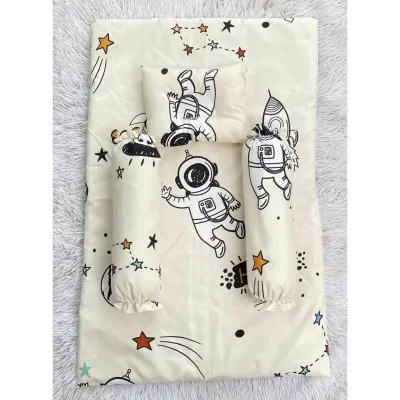
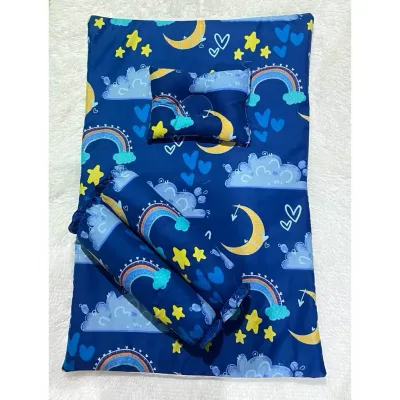
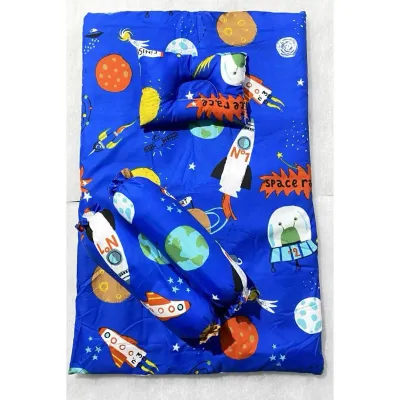
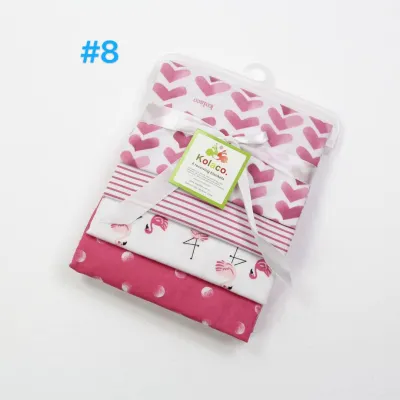
Prices are valid at publication and may change. Please refer to the product page for the latest price.
When shopping, always inspect the product tags and packaging for safety certifications. Look for labels indicating fire retardancy and non-toxic material standards. Because these certifications can vary by manufacturer, take the time to verify any safety claims on the manufacturer’s official website or product documentation before purchasing.
Comparing Mattress Materials: Foam, Spring, and Coir
Choosing the right material for a higaan ng baby involves comparing weight, breathability, edge support, and overall durability. Each material has distinct structural characteristics that cater to different nursery setups and budgets.

Below is a general comparison matrix based on standard manufacturing specifications:
| Mattress Type | Weight | Breathability | Edge Support | Typical Lifespan |
|---|---|---|---|---|
| Foam | Very Lightweight | Moderate to Low | Moderate | 2 to 3 Years |
| Spring | Heavy | High | High | 3 to 5 Years |
| Coir | Moderate to Heavy | Very High | High | 3 to 4 Years |
Before making a purchase, inspect the product label for density ratings and core construction details. High-quality manufacturers will explicitly state the materials used in each layer, helping you avoid low-density options that sag prematurely.
Foam Mattresses
Foam mattresses are highly popular due to their lightweight nature, making midnight sheet changes much easier for parents. However, you must check the foam density on the product label rather than relying on touch alone. Look for high-density polyurethane foam, which provides the rigid support necessary to keep a newborn’s spine aligned.
In the tropical climate of the Philippines, heat retention is a common issue with standard foam. To prevent your baby from overheating, look for foam mattresses designed with built-in ventilation holes or those paired with highly breathable, open-weave outer covers. Avoid dense memory foam that lacks airflow channels, as it can trap body heat and cause discomfort or heat rashes.
Spring Mattresses
Innerspring mattresses utilize steel coils to provide a resilient, highly supportive sleep surface. When evaluating a spring mattress, verify the presence of a border rod. This steel wire runs along the perimeter of the mattress, providing crucial edge support that prevents the sides from sagging when your baby stands or walks along the edge of the crib.
Additionally, check the specifications for the padding layer. A quality spring mattress must have a thick, firm cushioning layer (such as felt or high-density foam) over the coils. This ensures the individual springs do not create uncomfortable pressure points against your baby’s body as they grow.
Coir Mattresses
Coir mattresses are made from natural coconut husk fibers, offering an exceptionally firm and eco-friendly alternative. Because of their fibrous, open structure, coir mattresses provide outstanding natural breathability. This makes them highly suitable for humid environments, as they allow air to circulate freely and help regulate your baby’s body temperature.
However, raw coir can shed fibers or sag over time if not properly processed. When inspecting a coir mattress, check the product label to ensure it uses rubberized coir. This process coats the coconut fibers in natural latex, binding them securely to maintain the mattress’s shape, prevent fiber shedding, and resist moisture buildup.
Newborn vs. Toddler: Adjusting the Mattress as Your Baby Grows
As your baby transitions from a stationary newborn to an active toddler, their sleep needs and physical demands on the mattress change. Newborns require an uncompromisingly firm, flat surface to support their developing bones and keep their airways clear. Toddlers, who are more mobile and heavier, can benefit from a slightly more responsive surface that cushions their joints while still offering robust support.
Watch for physical milestones that signal your baby is ready for a transition. When your child begins rolling over independently, pushing up on their hands and knees, or standing up in the crib, they exert localized pressure on the mattress. This is also the stage where edge support becomes critical to prevent slips and falls.
To accommodate both stages without buying two separate mattresses, many parents opt for dual-firmness mattresses. These designs feature an extra-firm side engineered specifically for infants and a slightly softer, more resilient side for toddlers. If you choose this option, verify the manufacturer’s specific labeling and flip instructions. The infant side is typically marked clearly, and you should only flip the mattress to the toddler side once your child reaches the age or weight threshold recommended by the manufacturer.
If you are using a single-firmness mattress, plan for a replacement if you notice visible structural wear, permanent sagging, or if your child’s height exceeds the safe limits of the crib. A mattress must always be replaced if it can no longer maintain a flat, supportive surface.
How to Verify Mattress Fit and Condition in the Crib
Even the highest-quality mattress can become a safety hazard if it does not fit your specific crib frame perfectly. To prevent dangerous gaps where a baby’s limbs or head could become trapped, always apply the “two-finger rule.” Once the mattress is placed inside the crib, try to slide your index and middle fingers between the edge of the mattress and the crib frame. If you can fit more than two fingers into this gap, the mattress is too small for the crib and must not be used.
Regularly inspect the mattress for visual and tactile signs of wear. Run your hands across the surface to check for permanent indentations, lumps, or sagging areas. In humid tropical climates, pay close attention to the seams and underside of the mattress, checking for any signs of mold, mildew, or dampness. Inspect the outer cover for tears, broken seams, or peeling waterproof coatings.
If you are considering a second-hand mattress, exercise extreme caution. You should only use a pre-loved mattress if you know its complete history, if it was stored in a clean, dry, climate-controlled environment, and if it shows absolutely no signs of wear, odor, or sagging. If the mattress’s structural integrity is in doubt, stop using it immediately and consult the manufacturer’s care and safety guidelines for replacement recommendations.
Frequently Asked Questions (FAQ)
Can I use the same mattress for a second child?
Yes, you can reuse a baby mattress for a sibling, but only if it meets strict safety criteria. The mattress must have been stored in a dry, dust-free environment to prevent mold growth, which is a common hazard in humid regions. It must show zero signs of sagging, permanent indentations, or soft spots. Additionally, the waterproof cover must be entirely intact with no tears or cracks. If the mattress has an unknown history, shows visible wear, or smells musty, it is safer to replace it to protect your second child’s respiratory health and physical safety.
Do I need a waterproof mattress cover?
A waterproof mattress cover is highly recommended to protect the mattress core from diaper leaks, spit-up, and sweat, which can lead to mold and bacterial growth. When choosing a protector, select a fitted, breathable cover designed specifically for baby mattresses. It must fit tightly around the mattress without bunching or creating a loose, soft surface. Never use loose plastic sheets, garbage bags, or un-fitted plastic covers as makeshift protectors, as these materials pose a severe suffocation hazard and trap heat, making the sleep environment dangerously warm.
Community discussion
Share your experience or ask a question. Comments are reviewed before publication.