
Selecting the right baby lotion for baby care is a fundamental step in maintaining your infant’s skin health. Because infant skin is up to thirty percent thinner and significantly more permeable than adult skin, it loses moisture rapidly and absorbs topical substances more easily. Prioritizing gentle, age-appropriate formulations and understanding how to match products to your baby’s specific skin condition are essential steps for safe and effective moisturization.
To make an informed choice, caregivers must learn to identify different skin types, recognize how environmental factors influence hydration, and understand the critical differences between cosmetic moisturizers and medical treatments. By establishing a systematic approach to ingredient verification and product testing, you can protect your baby’s delicate skin barrier while avoiding common irritants.
Understanding Your Baby's Skin Type and Needs
Identifying your baby’s skin type is the first step in selecting an appropriate moisturizer. Normal infant skin typically appears smooth, even-toned, and resilient, requiring only a lightweight daily lotion to maintain its natural moisture balance. If your baby’s skin feels rough, shows fine scaling, or peels slightly on the limbs, it falls into the dry category, which benefits from richer, more emollient formulations.
Products mentioned in this guide
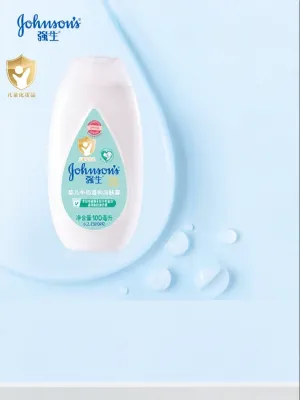
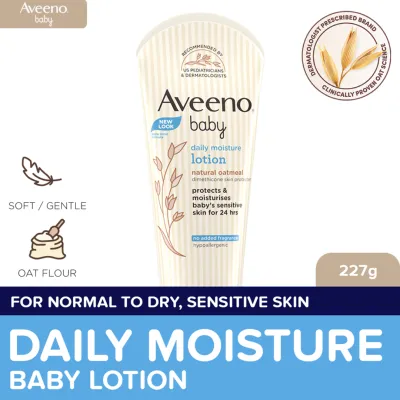
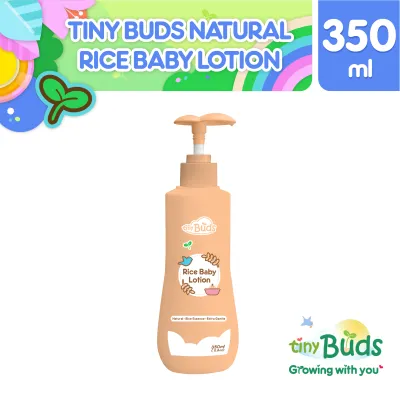
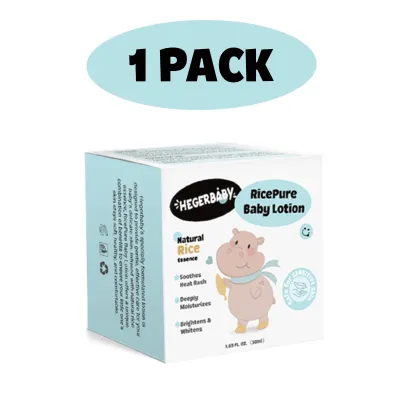
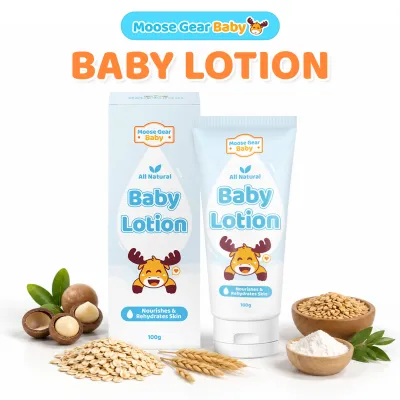
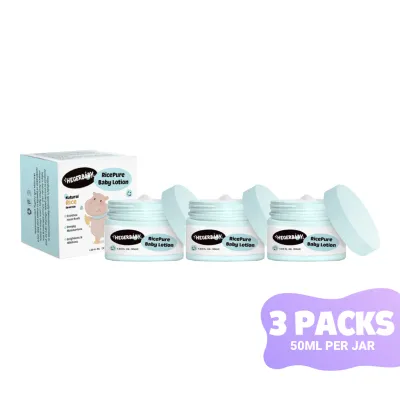
![[FDA Approved] Tenderoo Baby Moisturizing Lotion Avocado Plant Extract Gentle Safe Soothing 200ml](https://img.lazcdn.com/g/p/c537dad3153611e9e058bdbe2e97956d.jpg_400x400q80.jpg_.webp)
Prices are valid at publication and may change. Please refer to the product page for the latest price.
Sensitive or eczema-prone skin requires even greater care and observation. This skin type often presents with persistent red patches, intense dryness, rough textures in the skin folds, and visible signs of discomfort or itching. For these babies, standard commercial lotions may cause stinging or flare-ups, necessitating highly specialized, barrier-repairing creams or ointments that are free from common sensitizing agents.
Understanding the functional differences between lotions, creams, and ointments helps you select the right level of moisture retention. Lightweight lotions have a high water content, making them easy to spread and quick to absorb, which is ideal for daily full-body hydration. Creams are thicker, containing a higher ratio of oil to water, which provides a stronger protective barrier for moderately dry skin. Ointments are semi-solid, highly occlusive formulas that excel at locking in moisture on extremely dry, localized patches.
Environmental factors play a significant role in infant skin hydration, especially in tropical climates. In the warm, humid environment of the Philippines, high humidity can lead to sweat retention and heat rash if heavy, occlusive ointments are applied too generously over the entire body. Conversely, spending extended periods in air-conditioned rooms can rapidly strip moisture from your baby’s skin, creating a dry microclimate that requires a more robust moisturizing routine.
Age-Specific Considerations for Baby Lotions
A baby’s skin barrier undergoes rapid development during the first year of life, meaning skincare needs change significantly with age. Newborns aged zero to three months have extremely fragile, thin skin that is highly susceptible to chemical absorption. During these early weeks, a minimalist approach is generally best; newborns often do not require daily full-body lotions unless specifically recommended by a pediatrician to address excessive peeling or dryness.

As infants reach four months and older, their physical mobility increases through rolling, crawling, and exploring. This increased activity introduces physical friction, particularly on the knees, elbows, and hands, which can compromise the skin barrier and lead to localized rough patches. Older infants also experience greater exposure to outdoor elements, dust, and environmental allergens, making regular moisturization more important to support the skin’s defensive barrier.
Caregivers must also distinguish between the need for full-body hydration and specialized protective barriers. For example, constant drooling during teething can cause a wet, irritated rash around the mouth and chin, which is best managed with a thick, food-grade barrier ointment rather than a standard liquid lotion. Similarly, the diaper area requires specialized barrier creams containing zinc oxide or petrolatum to shield the skin from moisture and enzymes, rather than general moisturizing lotions.
Key Ingredients to Look For and Avoid
Reading product labels critically is a vital skill when selecting a baby lotion for baby use. Look for beneficial humectants and emollients that actively support the skin barrier without causing irritation. Glycerin is an excellent, time-tested humectant that draws moisture from the air into the outer layers of the skin, while colloidal oatmeal is widely recognized for its ability to soothe itching and calm minor skin irritations.
Emollients like shea butter and high-quality plant-derived lipids help soften the skin and fill in the gaps between skin cells, preventing trans-epidermal water loss. Ceramides are another highly beneficial ingredient group to look for, as they are naturally occurring lipids that help rebuild and strengthen the skin’s protective barrier. These ingredients work together to keep infant skin hydrated, soft, and resilient against external irritants.
Equally important is knowing which potentially irritating additives to avoid. Artificial fragrances and parfums are the leading causes of cosmetic-induced contact dermatitis and should be strictly avoided in infant skincare. Avoid products containing parabens, phthalates, and harsh preservatives like formaldehyde donors, which can irritate sensitive skin. Drying alcohols, such as ethanol or isopropyl alcohol, should also be avoided as they strip away natural oils.
Caregivers should understand the actual regulatory and practical meanings of common marketing terms. The label “hypoallergenic” simply means the manufacturer claims the product is formulated to minimize the risk of allergic reactions, but it is not a guarantee of safety and does not undergo standardized government verification. Similarly, “natural” does not automatically mean safe or non-irritating, as many natural plant extracts and essential oils are known allergens for sensitive infant skin.
How to Build Your Baby Lotion Shortlist
To build a practical shortlist of baby lotions, start by establishing a realistic budget in Philippine Pesos (₱). Evaluate the cost-effectiveness of different options by comparing the unit price (such as the cost per 100 milliliters) rather than just looking at the retail price of the bottle. A larger pump bottle designed for family or daily use may offer better long-term value than a small squeeze tube, provided the formulation suits your baby’s skin.
Filter your options by researching products available in local pharmacies, baby specialty stores, or trusted online marketplaces. Focus your search on products that explicitly state they are formulated for infants, and cross-reference their ingredient lists against your list of preferred and avoided ingredients. Avoid purchasing from unverified online sellers to reduce the risk of acquiring counterfeit products that may contain substandard or harmful ingredients.
Before committing to full-body application of any new lotion, always execute a safe patch test. Apply a small, pea-sized amount of the product to a clean, discreet area of your baby’s skin, such as the inside of the forearm or behind the ear. Leave the product on for twenty-four to forty-eight hours, monitoring the area closely for any signs of redness, swelling, tiny bumps, or itching.
Establish clear criteria for discarding a product and seeking professional medical advice. If the patch test reveals any signs of irritation, wash the area immediately with cool water, discontinue use of the product, and do not apply it to the rest of the body. If your baby develops a widespread rash, persistent hives, or signs of skin infection after using a lotion, consult a pediatrician immediately for a proper diagnosis and treatment plan.
Application Tips and Safety Precautions
To maximize the benefits of a baby lotion, time the application immediately after a lukewarm bath. Gently pat your baby’s skin with a soft towel, leaving it slightly damp, and apply the lotion within three minutes. This “soak and smear” technique effectively locks in the hydration from the bathwater, helping to keep the skin soft and supple for a longer period.
Adjust the frequency and amount of lotion applied based on your baby’s current skin condition and daily activities. During hot, dry spells or when your baby spends significant time in air-conditioned rooms, you may need to apply a lightweight lotion twice daily. In contrast, during highly humid periods, a single, very thin layer after the daily bath is usually sufficient to prevent clogging pores or trapping sweat.
Monitor your baby’s skin continuously for visual signs of adverse reactions or worsening conditions. If you notice sudden redness, dry patches that become rougher, or if your baby begins scratching their skin, stop using the current lotion immediately. Keep a record of the ingredients in the discontinued product to help identify potential triggers with the help of a healthcare professional.
It is crucial to recognize the boundaries between cosmetic moisturization and medical treatment. Over-the-counter baby lotions are designed to maintain healthy skin and support the skin barrier, but they do not cure medical conditions. Severe eczema, fungal infections like ringworm, and allergic contact dermatitis require targeted, prescription-strength topical treatments prescribed by a qualified pediatrician or pediatric dermatologist.
Frequently Asked Questions (FAQ)
Can I use adult lotion on my baby if it is fragrance-free?
No, you should avoid using adult lotions on your baby, even if they are labeled as fragrance-free. Adult skincare products are formulated for a fully matured stratum corneum, which is much thicker and less permeable than infant skin. Consequently, adult lotions often contain active ingredients, anti-aging compounds, penetration enhancers, or stronger preservative systems that can easily penetrate a baby’s thin skin barrier, leading to irritation, chemical sensitivity, or systemic absorption.
Always choose products specifically formulated, tested, and labeled for infant use. These products are designed to respect the delicate pH balance of baby skin and utilize milder preservative systems that minimize the risk of irritation. Verifying that a product is specifically intended for babies ensures that the formulation matches the unique physiological needs of their developing skin barrier.
How often should I apply lotion to my baby's skin?
For babies with normal skin, a baseline routine of applying a lightweight lotion once daily, ideally immediately after their bath, is sufficient to maintain healthy hydration. This routine helps reinforce the skin barrier against daily environmental exposure without overloading the skin. If your baby has dry skin or lives in an environment with low humidity, you can increase the application to twice daily, focusing primarily on the drier areas of the limbs.
When increasing the frequency of application, monitor your baby’s skin closely for signs of over-moisturization. If you notice the development of tiny white bumps, known as milia, or clogged pores, it may indicate that the lotion is too heavy or is being applied too frequently. Adjust the amount and frequency of the product based on these observable skin responses and seasonal changes.

Community discussion
Share your experience or ask a question. Comments are reviewed before publication.