
Choosing the right baby fence barrier is a critical step in baby-proofing your home. As your little one transitions from crawling to walking, areas like staircases, kitchens, and wide open-plan rooms suddenly present significant safety challenges. A reliable barrier acts as a vital line of defense, keeping your curious explorer within safe zones while giving you peace of mind during busy daily routines.
To select the ideal barrier, you must evaluate your home’s layout, wall structure, and your child’s developmental stage. Different zones require distinct mounting styles, locking mechanisms, and heights to remain effective. By matching the unique demands of each high-risk area with the correct product specifications, you can create a secure environment that adapts to your family’s daily life.
Core Features to Evaluate Before Buying
Before focusing on specific rooms, you must understand the baseline safety features that apply to any baby fence barrier. The primary purpose of a safety gate is to resist physical force while remaining completely impassable to a child. This requires a careful look at height, locking mechanisms, and material durability before making a purchase.
Products mentioned in this guide
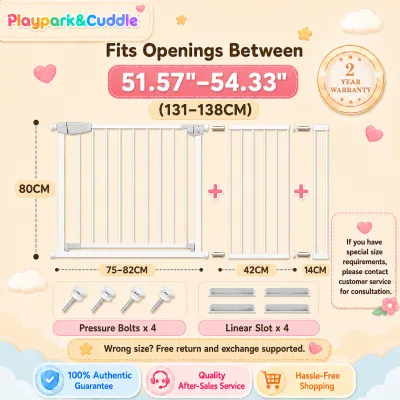
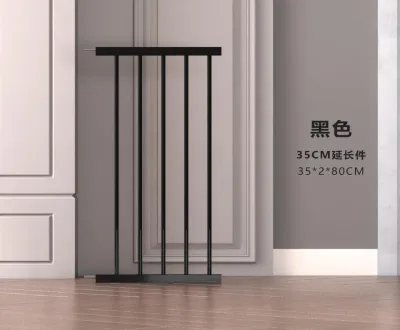
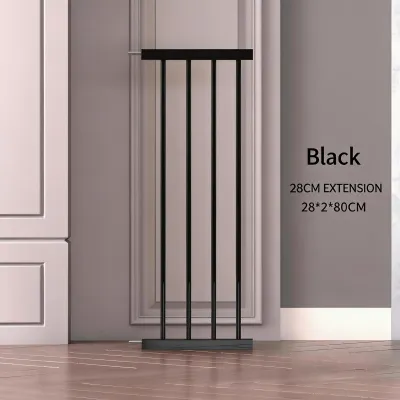
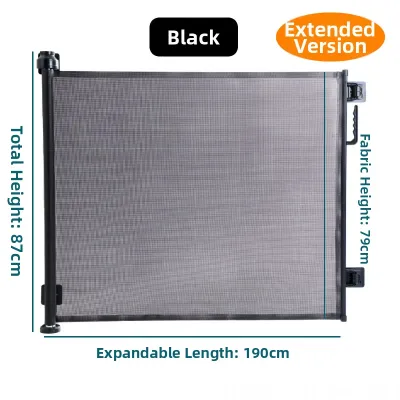
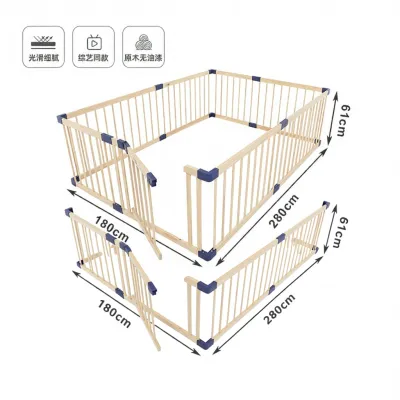
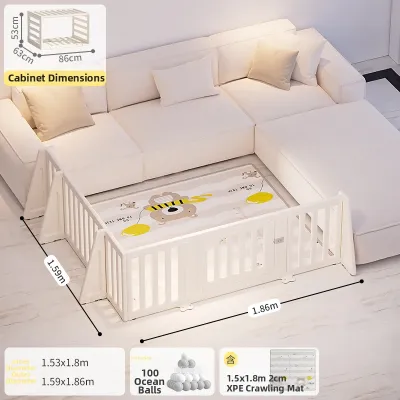
Prices are valid at publication and may change. Please refer to the product page for the latest price.
Minimum Height Thresholds A standard barrier must be tall enough to prevent your child from climbing over. Look for gates that stand at least 60 centimeters tall, or check the manufacturer’s documentation to ensure the height is appropriate for your child’s current growth stage. If your toddler is particularly active, a taller gate is necessary to prevent them from gaining leverage and tipping over the top rail.
Adult-Level Latch Mechanisms The locking system must be complex enough to baffle a curious toddler while remaining manageable for an adult. Look for dual-action or squeeze-and-lift release mechanisms that require two distinct physical motions to open. These systems rely on adult-sized hands and coordination, ensuring that even an observant child cannot mimic the action and open the gate on their own.
Manufacturer Limits and Specifications Always verify the manufacturer’s stated age, weight, and developmental limits before installing a barrier. Most traditional baby gates are designed for children between 6 and 24 months of age. Once your child learns how to climb over the barrier or exceeds the maximum weight limit specified in the manual, the gate is no longer considered a reliable safety device and should be retired.
Material Durability and Finish The physical construction of the barrier must withstand daily wear and tear, especially in warm, humid climates where materials can degrade. Inspect the frame for smooth finishes, rounded corners, and a complete absence of sharp edges or potential pinch points. If you choose a wooden barrier, ensure the wood is sealed against moisture to prevent warping, and verify that any metal components are treated to resist rust and corrosion.
Securing Stairs: Hardware-Mounted Requirements
Staircases represent the highest risk of serious injury in a multi-level home, demanding the strictest installation standards. When securing stairs, you cannot treat the top and bottom of the staircase the same way. The physical forces involved in a fall require a permanent, unyielding connection to your home’s structure.

The Top-of-Stairs Rule For the top of a staircase, you must use a hardware-mounted gate. Pressure-mounted gates, which rely on tension against the walls to stay in place, are highly unsafe for this location. If a child leans, pushes, or trips against a pressure-mounted gate, the tension can fail, causing both the gate and the child to tumble down the stairs. A hardware-mounted gate is physically screwed into the wall studs or door frames, providing a rigid barrier that cannot be pushed out of place.
Eliminating Trip Hazards When choosing a gate for the top of the stairs, look for models that do not have a bottom threshold bar or floor track. Many pressure-mounted gates feature a metal bar running along the floor to maintain tension. At the top of a staircase, this bar becomes a dangerous trip hazard for adults and children alike. A proper top-of-stairs hardware gate swings completely open, leaving the walkway entirely clear of any floor-level obstructions.
Wall Anchoring and Structural Integrity Before drilling, you must identify the material of your walls to ensure a secure anchor. In homes with concrete or hollow block walls, you will need specialized masonry anchors and screws to hold the hardware brackets firmly in place. For drywall or plaster walls, you must locate the wooden wall studs behind the wall; screwing directly into drywall without a stud or heavy-duty anchor will result in the gate pulling loose under pressure.
Verifying Stair Approval Never assume a gate is safe for stairs simply because it is labeled as a baby gate. Read the product manual and packaging carefully to confirm that the specific model is explicitly approved by the manufacturer for top-of-stair use. These approved models often include built-in swing stops that prevent the gate from swinging out over the stairs, ensuring it only opens inward toward the landing.
Kitchen Barriers: Balancing Safety and Adult Access
The kitchen is a hub of activity filled with hot appliances, sharp utensils, and cleaning chemicals, making it a high-priority zone for baby-proofing. However, because caregivers constantly enter and exit the kitchen, the barrier must balance robust security with convenient adult access.
One-Handed and Hands-Free Operation When you are carrying a tray of warm food, a basket of laundry, or groceries, you cannot afford to struggle with a complicated gate latch. Look for kitchen barriers that offer true one-handed operation or foot-pedal activation. These designs allow you to unlatch, open, and pass through the gate smoothly without needing to drop what you are carrying.
Managing Swing Direction Consider the layout of your kitchen entrance, paying close attention to nearby cabinets, refrigerators, and kitchen islands. The gate should swing in a direction that does not block your path or collide with open appliance doors. Many high-quality gates allow you to configure the swing direction during installation, helping you maintain a smooth traffic flow in tight spaces.
Auto-Close and Auto-Lock Features In a busy household, it is easy to forget to close a gate behind you. To prevent accidental entry, choose a kitchen barrier equipped with an auto-close and auto-lock mechanism. These gates use gravity or spring-loaded hinges to gently swing shut and lock automatically once you pass through, ensuring the kitchen remains sealed even if your hands are full.
Maintaining Visual Transparency Keeping your child out of the kitchen does not mean keeping them out of sight. Select a barrier with vertical bars or a durable mesh panel that allows for clear visibility. This transparency ensures you can monitor your child playing safely in the living room while you prepare meals, and it helps soothe a child who wants to keep their caregiver in view.
Wide Doorways and Open Plans: Extensions and Stability
Modern home designs often feature open-concept living spaces, wide archways, and large doorways that standard baby gates cannot span. Securing these wide openings requires specialized equipment that maintains structural stability across long distances.
Single-Panel Designs vs. Extensions When dealing with a wide opening, you can choose between an extra-wide single-panel gate or a standard gate paired with compatible extensions. If you use extensions, only use those specifically manufactured and approved for your exact gate model. Mixing brands or using unapproved DIY extensions can compromise the structural integrity of the barrier, making it prone to collapsing under pressure.
Checking for Structural Flex As a barrier spans a wider distance, it naturally becomes more susceptible to bowing, flexing, or wobbling in the middle. Before finalizing your setup, gently shake the center of the extended gate to check for excessive movement. If the gate flexes significantly, you may need to add stabilizing feet or choose a hardware-mounted multi-panel gate that anchors to the floor at key points.
Adapting to Uneven Walls and Baseboards Many homes feature uneven walls, decorative baseboards, or angled openings that make standard installation difficult. Look for wide-span barriers that include adjustable mounting cups or spacing guides. These accessories allow you to compensate for thick baseboards or slightly angled walls, ensuring the gate remains perfectly level and secure.
Maintaining Lock Alignment A wide gate that is under too much tension or is slightly misaligned will suffer from latch failure. If the frame bows even slightly, the locking mechanism may not line up correctly, preventing the gate from securing properly. Regularly check that the latch aligns perfectly with the receiving slot when the gate is closed, adjusting the tension screws as needed to maintain a square frame.
Installation Checks and Ongoing Maintenance
Installing your baby fence barrier is only the first step; maintaining its structural integrity over time is essential for ongoing safety. Daily use, temperature changes, and a growing child’s physical strength will put continuous stress on the barrier’s components.
Routine Hardware Inspections Set a regular schedule to inspect all mounting hardware, screws, and pressure pads. In tropical environments, changes in humidity can cause wooden door frames to expand and contract, which may loosen pressure-mounted gates or back screws out of drywall. Tighten any loose fittings immediately and replace worn-out wall cups to prevent the gate from slipping.
Testing Latch Functionality Over time, hinges can sag and latches can wear down. Test the locking mechanism weekly by pushing firmly on the gate when it is locked to ensure it does not pop open. Watch your child’s behavior near the gate; if they begin to show an interest in the latch or attempt to shake the gate vigorously, double-check that the dual-action lock is engaging fully and cannot be bypassed.
Identifying Wear and Tear Inspect the entire barrier for signs of physical damage, such as bent metal bars, cracked plastic joints, or torn fabric mesh. A compromised frame cannot distribute impact forces correctly, increasing the risk of failure if a child runs into it. If you notice any structural damage, discontinue use immediately and contact the manufacturer for approved replacement parts.
Knowing When to Retire the Gate As your child grows, their physical capabilities will eventually surpass the protective limits of any baby fence barrier. Once your child reaches the manufacturer’s maximum height or weight limit, or when they demonstrate the ability to climb over the gate, the barrier must be removed. Continuing to use a gate past this point creates a climbing hazard that can lead to more severe falls than the gate was designed to prevent.
Frequently Asked Questions (FAQ)
Can I use a pressure-mounted baby fence barrier at the top of the stairs?
No, you should never use a pressure-mounted baby fence barrier at the top of a staircase. Pressure-mounted gates rely solely on friction against the walls to stay in place, which can easily fail if a child pushes, leans, or falls against the gate. Additionally, pressure-mounted gates almost always feature a solid bottom threshold bar that remains on the floor when the gate is open, creating a severe trip hazard at the edge of the stairs. Always use a hardware-mounted gate that is explicitly approved for top-of-stairs installation.
How do I measure my wide doorway correctly for extensions?
To measure a wide doorway accurately, take three separate horizontal measurements using a tape measure: one at the floor level, one at the midpoint, and one at the top height of the intended gate. Walls and door frames are rarely perfectly straight, and these three measurements will help you identify any sloping or unevenness. Be sure to measure from the inside of any baseboards rather than the bare wall, as baseboards reduce the available width. Compare your widest and narrowest measurements against the manufacturer’s extension guide to select the correct combination of gate and extension panels.
Community discussion
Share your experience or ask a question. Comments are reviewed before publication.