
Administering liquid medicine or essential vitamins to an infant is a task that requires absolute precision, patience, and the right tools. For parents in the Philippines, managing this daily routine can be particularly challenging when dealing with sticky syrups, humid weather that affects storage, and a fussy baby who resists swallowing. A reliable baby dropper is not just a convenient nursery accessory; it is a critical tool that ensures your child receives the exact dosage prescribed by their pediatrician. Choosing an inappropriate dispenser can lead to underdosing, accidental spitting up, or even dangerous choking hazards.
To make an informed choice, caregivers must look beyond colorful packaging and generic marketing claims. The ideal baby dropper must combine material safety, clear and durable measurement markings, controlled flow design, and a structure that is easy to sanitize completely. By understanding the distinct features of oral syringes, bulb droppers, spoon-tipped dispensers, and pacifier-style tools, you can select a product that matches your baby’s age, developmental stage, and specific feeding behavior. This comprehensive guide outlines the essential factors to evaluate, the different types of droppers available, safe administration techniques, and vital hygiene practices to keep your infant safe.
Key Features to Evaluate When Buying a Baby Dropper
When browsing the baby care aisle or shopping online, it is easy to be overwhelmed by the variety of options. However, evaluating a baby dropper requires a systematic approach focused on safety and functionality. Before making a purchase, parents should carefully inspect the product packaging, user manual, or official manufacturer specifications for several critical indicators.
Products mentioned in this guide

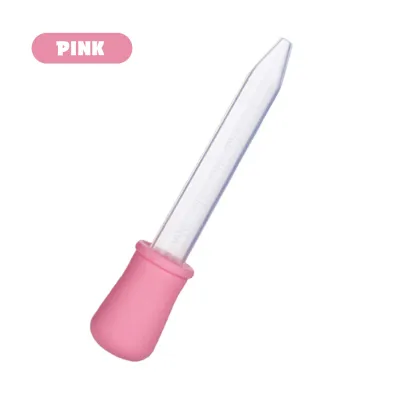
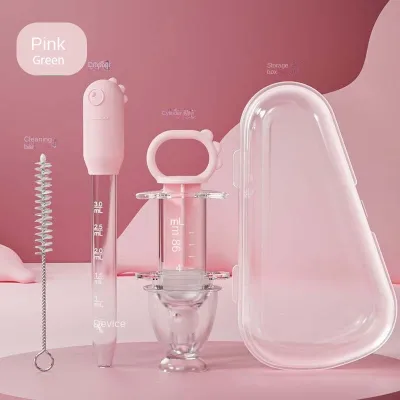
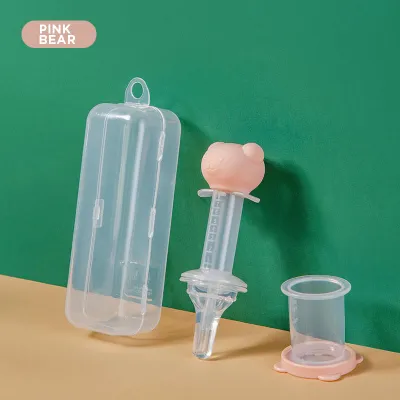

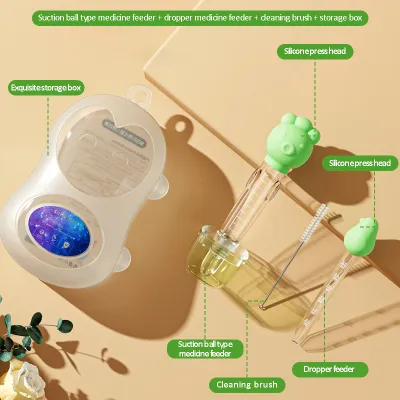
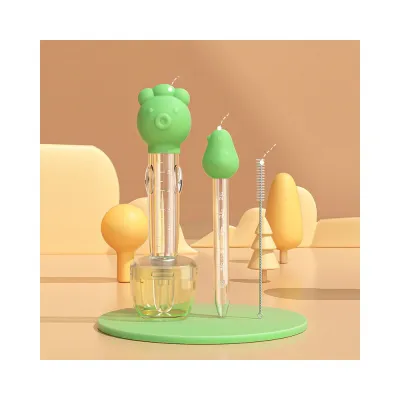
Prices are valid at publication and may change. Please refer to the product page for the latest price.
Material Safety and Certifications The materials that come into direct contact with your baby’s mouth and medicine must be completely non-toxic and chemically stable. Always check the packaging for explicit labels indicating that the product is food-grade, BPA-free, and phthalate-free. Avoid relying on generic product descriptions on e-commerce platforms; instead, look for recognized safety standards or manufacturer declarations. In the warm and humid climate of the Philippines, low-quality plastics can degrade more rapidly when exposed to heat and frequent washing, potentially leaching harmful chemicals into the liquid. Opt for high-quality, medical-grade silicone and polypropylene plastics that are designed to withstand repeated sterilization without warping or breaking down.
Dosage Accuracy and Legibility A dropper is only as good as its measurement markings. Pediatric medications and vitamins require highly precise dosing, often measured down to a fraction of a milliliter. When evaluating a dropper, inspect the measurement lines closely. Ensure they are marked in milliliters (mL), which is the standard unit used by pediatricians in the Philippines. Avoid droppers that only use teaspoons (tsp), as this can lead to confusion and dosing errors. The markings should be highly legible, high-contrast, and ideally etched or molded directly into the plastic rather than simply printed on the surface. Printed ink can quickly fade or rub off after multiple washes with warm, soapy water, rendering the dropper useless and dangerous for future dosing.
Design and Flow Control Infants have highly sensitive gag reflexes, and their ability to coordinate sucking and swallowing is still developing. A sudden rush of liquid can easily cause choking, coughing, or immediate spit-ups. Look for physical design features that offer controlled flow. Some droppers feature a slow-flow tip or an angled nozzle that directs the liquid toward the inside of the baby’s cheek rather than the back of the throat. Others include built-in splash guards or plungers with resistance rings that prevent the liquid from being expelled too quickly. A plunger that glides smoothly without sticking or jerking is essential for maintaining a controlled, steady flow.
Ease of Cleaning and Disassembly In a tropical environment, residual medicine or vitamins left inside a dropper can quickly become a breeding ground for bacteria, mold, and yeast. Therefore, ease of cleaning is a non-negotiable feature. Choose a baby dropper that can be fully disassembled into individual components. The plunger should slide completely out of the barrel, and any silicone bulbs or tips should be easily removable. Avoid designs with narrow, unreachable crevices, permanently sealed joints, or complex internal valves that trap moisture and liquid residue. A wide opening allows cleaning brushes to reach every internal surface, ensuring a thorough wash after every single use.
Types of Baby Droppers and When to Use Them
Not all baby droppers are created equal, and different designs serve different purposes depending on your baby’s age, temperament, and the consistency of the liquid. Understanding the strengths and limitations of each type allows you to match the tool to your specific situation.

Oral Syringes Oral syringes are widely considered the standard for administering precise doses of medication. They consist of a plastic barrel with clear measurement markings and a tight-fitting plunger, often tipped with a silicone gasket to create a secure seal.
- Primary Use: Highly accurate dosing of thin, liquid medications, antibiotics, and concentrated vitamins.
- What to Check: Verify that the plunger moves smoothly without sticking. Look for a syringe with a clear tip that allows you to see if any air bubbles are trapped inside, which can displace the medicine and lead to underdosing. Ensure the tip size is appropriate for your baby's mouth; a tip that is too long or thick can cause discomfort or trigger the gag reflex.
Bulb Syringes and Classic Droppers Classic droppers feature a straight plastic or glass tube with a squeezable rubber or silicone bulb at the top. Squeezing the bulb creates a vacuum that draws the liquid up into the tube.
- Primary Use: Thicker liquids, such as certain vitamin suspensions, or for administering small, non-critical volumes of liquid.
- What to Check: While simple to use, classic bulb droppers can be highly inaccurate because the liquid level can fluctuate if the bulb is squeezed inconsistently. Furthermore, the inner chamber of the bulb is notoriously difficult to clean and dry. If you choose this type, ensure the bulb can be completely detached from the tube. If you notice any discoloration, musty odor, or residue inside the bulb that cannot be washed away, discard the dropper immediately.
Spoon-Tipped Droppers Spoon-tipped droppers combine a graduated tube or syringe with a small, shallow spoon at the dispensing end. As you push the plunger or squeeze the bulb, the liquid flows directly into the spoon bowl, allowing the baby to lap it up.
- Primary Use: Older infants who are transitioning to solid foods, comfortable with spoon-feeding, or those who actively resist having a syringe tip placed directly into their mouths.
- What to Check: Ensure the spoon tip is made of soft, flexible silicone to protect your baby's sensitive gums and emerging teeth. Check that the connection between the spoon and the tube is secure so that it does not detach during feeding, posing a choking hazard.
Pacifier-Style Dispensers These innovative tools feature a standard pacifier shield and nipple attached to a small medicine reservoir or a port where a syringe can be inserted. The baby sucks on the pacifier, and the medicine is slowly dispensed through small holes in the nipple.
- Primary Use: Soothing fussy babies, newborns with a strong sucking reflex, and infants who consistently spit out medicine administered through traditional syringes.
- What to Check: Always verify the liquid capacity limits of the reservoir, as some models are only suitable for very small doses. Ensure the flow rate is slow enough to prevent overwhelming the infant, and check that the nipple shape matches your baby's preferred pacifier style to avoid nipple confusion or rejection. Supervise your baby closely during use, and do not allow them to use the dispenser as a regular pacifier once the medicine is gone.
Safe Administration Techniques for Infants
Even the best baby dropper can fail or cause distress if the administration technique is incorrect. Giving medicine or vitamins requires a calm environment, proper physical positioning, and a gentle approach to minimize the risk of choking, gagging, or spit-ups.
Proper Positioning Never administer liquid medicine or vitamins while your baby is lying flat on their back, sleeping, or crying forcefully. Lying flat increases the risk of the liquid entering the airway, which can lead to choking or aspiration. Instead, hold your baby in a semi-upright or upright position, cradled securely in your arm, similar to a feeding position. If your baby is highly active or resists, you can gently wrap them in a swaddle blanket to keep their hands secure, ensuring a calm and controlled environment.
Strategic Placement When inserting the dropper into your baby’s mouth, avoid aiming the tip directly toward the back of the throat or the tongue. This direct path is highly likely to trigger the gag reflex, causing the baby to choke or immediately spit the liquid out. Instead, gently slide the tip of the dropper along the inside of the baby’s cheek, aiming toward the pocket between the cheek and the lower gums (the buccal cavity). This placement allows the liquid to flow naturally down the side of the mouth, making it much easier for the baby to swallow comfortably.
Paced Dispensing Do not empty the entire contents of the dropper in one quick squeeze. Dispense the liquid slowly in small, controlled increments—a few drops or a fraction of a milliliter at a time. Pause between each small squeeze to allow your baby to swallow naturally. Watch your baby’s face closely; if they start to sputter, cough, or look overwhelmed, stop immediately, remove the dropper, and allow them to recover before continuing. Patience is key to ensuring the full dose is swallowed safely.
Dosage Verification Before every single administration, double-check the pediatrician’s prescribed dosage against the markings on your specific dropper. Do not rely on memory, especially when tired or stressed. Ensure you are reading the liquid level at eye level, measuring from the bottom of the meniscus (the curved surface of the liquid). If you are using a syringe, make sure there are no large air bubbles trapped inside, as these can significantly reduce the actual amount of medicine being delivered. If bubbles are present, tap the syringe gently to force the bubbles to the top, push them out, and draw more liquid to reach the correct mark.
Cleaning, Sterilizing, and Replacement Guidelines
Maintaining strict hygiene is essential when handling baby droppers, as residual sugars and moisture can quickly harbor harmful pathogens. Establishing a consistent cleaning and replacement routine protects your baby’s developing immune system from infections.
Immediate Daily Washing Do not let a used dropper sit on the counter or in the sink. Immediately after use, disassemble all removable parts, including the plunger, barrel, and silicone bulb. Rinse them thoroughly under warm running water to flush out any remaining liquid. Wash each component with mild, baby-safe dishwashing liquid and a small, dedicated bottle brush that can reach inside the narrow barrel. Rinse thoroughly with clean water to ensure no soap residue remains, which could contaminate the next dose of medicine.
Sterilization Limits and Heat Tolerance While regular washing is sufficient for daily vitamins, periodic sterilization is highly recommended, especially for newborns or when administering medication during an illness. However, you must check the manufacturer’s specific instructions before applying heat. Some plastic components are not heat-tolerant and can warp, melt, or lose their airtight seals when boiled or placed in a steam sterilizer. If the manufacturer indicates that the parts are boil-safe or steam-safe, you can sterilize them according to the recommended duration. For non-heat-tolerant plastics, stick to thorough washing with warm, soapy water or use a cold-water sterilizing solution approved for baby products.
Drying and Storage After washing or sterilizing, place all disassembled components on a clean, elevated drying rack in a well-ventilated area. In the high humidity of the Philippines, leaving components wet or storing them while damp can lead to rapid mold and mildew growth. Allow every part to air-dry completely before reassembling or storing. Store the dry dropper in a clean, dust-free container or a dedicated drawer away from direct sunlight and heat sources.
Replacement Triggers Baby droppers are not designed to last indefinitely. Regularly inspect the dropper for signs of wear and tear, and replace it immediately if you observe any of the following:
- Cloudy or discolored plastic: This indicates material degradation from repeated washing or sterilization.
- Cracked or sticky silicone: Damaged bulbs or plunger gaskets can leak, lose suction, or harbor bacteria in the cracks.
- Faded measurement markings: If the lines or numbers become difficult to read, the risk of dosing errors increases significantly.
- Stiff or sticky plungers: A plunger that does not glide smoothly can cause sudden, uncontrolled dispensing, increasing choking risks.
Frequently Asked Questions (FAQ)
Can I use a regular kitchen measuring spoon instead of a baby dropper?
No, you should never use a standard kitchen spoon or a regular teaspoon to administer medicine or vitamins to an infant. Kitchen spoons are not calibrated for medical accuracy and vary widely in size and volume. Using them can easily lead to severe underdosing or accidental overdosing, which can be highly dangerous for a baby. Always use a calibrated oral syringe or a dedicated baby dropper that features clear, precise milliliter markings. If your medication does not come with a dispenser, consult your pharmacist or pediatrician to obtain a proper, calibrated tool.
What should I do if my baby spits out the medicine from the dropper?
If your baby spits out some or all of the medicine, do not immediately administer another dose. It is incredibly difficult to estimate how much of the active ingredient was actually absorbed, and re-dosing without guidance can lead to accidental toxicity. Instead, contact your pediatrician or a qualified healthcare professional to explain the situation and ask for specific instructions. To minimize future spit-ups, try administering the medicine when the baby is calm, using the cheek-placement technique, or ask your doctor if the medicine can be mixed with a very small amount of expressed breast milk or formula.
Are glass baby droppers safer than plastic or silicone ones?
While glass droppers are highly resistant to chemical interactions and do not absorb odors or stains, they present significant safety trade-offs for infants. Glass can easily chip, crack, or shatter if dropped or if a teething baby bites down on the tip, posing a severe risk of cuts and choking. For infant use, food-grade silicone and high-quality, BPA-free plastics are generally safer because they are flexible, durable, and shatterproof. If you choose to use a glass dropper, strictly follow the manufacturer’s age recommendations, inspect the glass thoroughly for chips before every single use, and ensure a caregiver maintains complete control of the dropper at all times.
Community discussion
Share your experience or ask a question. Comments are reviewed before publication.