
Choosing the right baby chair is not about following a strict calendar; it is about observing your baby’s physical milestones. In many homes, especially in warm, tropical environments where family life centers around shared spaces, finding a chair that matches your baby’s current developmental stage is essential for both safety and comfort. By focusing on your child’s neck control, core strength, and overall mobility, you can select a seat that supports their growth without putting their physical development at risk.
Understanding Your Baby's Developmental Milestones
Before introducing any baby chair, you must carefully assess your child’s physical readiness. The most critical initial indicator is head and neck control. A newborn’s head is heavy relative to their body, and their neck muscles are not yet strong enough to support it. You can observe this during daily interactions and tummy time; a baby who can lift their head and hold it steady without wobbling is beginning to develop the necessary muscle tone for more upright positions.
As your baby grows, they will transition from needing full support to showing signs of independent sitting. This milestone involves the development of core strength and balance. You will notice your baby attempting to sit up when propped, using their hands for balance in a “tripod” position, or maintaining an upright posture for brief moments without leaning on cushions. These physical cues indicate that their spine and abdominal muscles are maturing, preparing them for seats that offer less external support.
Products mentioned in this guide
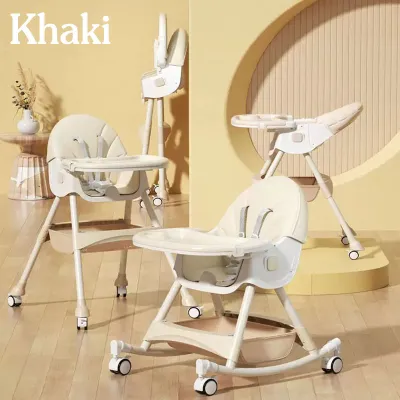
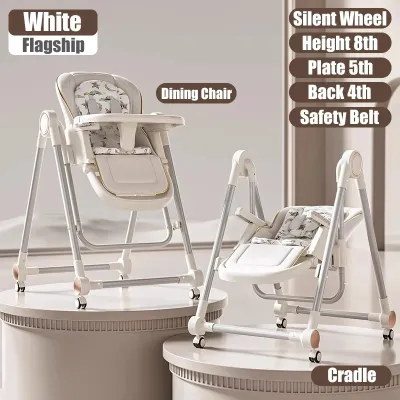
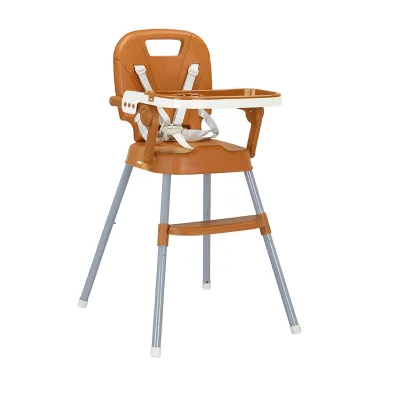
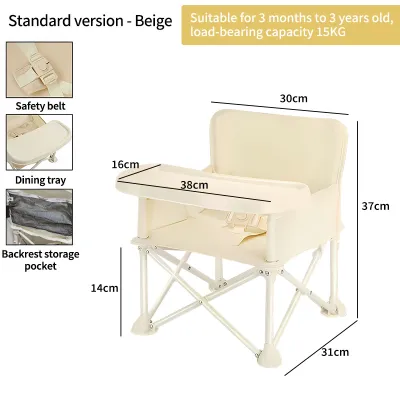
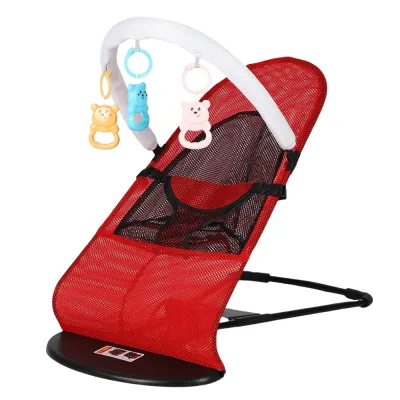
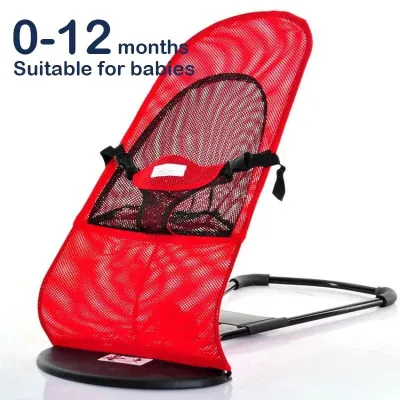
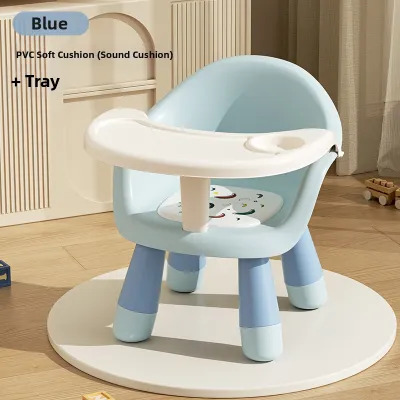
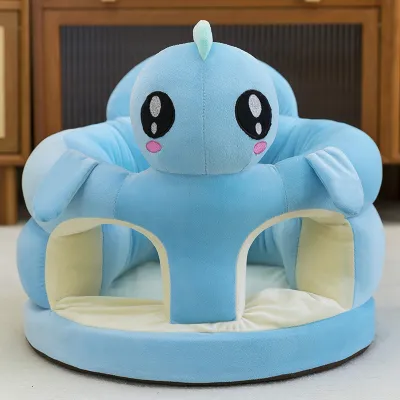
Prices are valid at publication and may change. Please refer to the product page for the latest price.
Mobility cues are equally important to monitor, as they signal when a chair may no longer be safe. If your baby is actively rolling over, pushing up on their hands and knees, or attempting to climb out of their current seat, their physical capabilities have evolved. These movements show that the child is ready for a different seating dynamic and that their current, more restrictive chair could pose a tipping or fall hazard.
Matching Baby Chair Types to Development Stages
Selecting the right category of baby chair requires aligning these physical milestones with the specific design and purpose of each seating option. Choosing a chair that matches your baby’s current stage ensures they are neither restricted too early nor left unsupported.

Reclined Seats for Newborns and Young Infants
For newborns and young infants who lack full head and neck control, reclined seats such as bouncers and rockers are the appropriate choice. These chairs feature a reclined angle that distributes the baby’s weight evenly across their back and head, preventing their chin from dropping toward their chest, which can restrict breathing. The structural support should be firm yet comfortable, cradling the infant securely.
When selecting a reclined seat, always check the manufacturer’s labels for minimum weight, height, and developmental requirements. Even if a baby fits within the weight range, they must also meet the developmental criteria specified by the manufacturer. It is vital to verify these limits on the product packaging or instruction manual before placing your infant in the seat.
Supervision is paramount when using reclined seats. These chairs must always be placed on flat, stable floor surfaces—never on elevated areas like tables, countertops, or soft surfaces like beds and sofas, where they could tip over. Additionally, because these seats are not designed for unsupervised sleep, caregivers should always monitor the infant and transition them to a safe crib or bassinet if they fall asleep.
Supportive Floor Seats for Babies Learning to Sit
As babies begin to develop core strength but cannot yet sit fully unassisted, supportive floor seats can offer a helpful transition. These molded or foam floor seats are designed to sit low to the ground, providing a snug fit around the baby’s hips and lower back. This design helps stabilize the pelvis while the baby practices holding their head and upper torso upright.
When evaluating these seats, look for a design that features a deep seating well and adequate leg openings to prevent slouching or sliding forward. The seat must support the natural curve of the spine without forcing the baby into an unnaturally rigid position. Ensure the design does not restrict the baby’s chest or abdomen, which could interfere with comfortable breathing or limit their natural arm movements.
It is important to recognize when to transition out of a supportive floor seat. Once your baby can sit independently without tipping over, or when they begin to actively push themselves out of the seat, it is time to move on. Prolonged use of supportive floor seats after a baby has achieved independent sitting can limit their natural exploration and muscle development.
Upright Chairs for Independent Sitters and Toddlers
Upright high chairs are designed for babies who have achieved full independent sitting ability and strong trunk control. Before placing your baby in an upright high chair, ensure they can sit up straight on their own for extended periods without slumping to the side or forward. This level of physical maturity is essential for safe feeding, as proper posture significantly reduces the risk of choking during meals.
When choosing an upright chair, you will often compare standard high chairs with convertible or multi-stage models. Standard high chairs offer a dedicated space for feeding, while convertible models can transition from a high chair to a booster seat or a toddler chair as your child grows. Consider your long-term needs, storage space, and how long you plan to use the chair when making this decision.
To promote proper posture during meals, look for upright chairs that offer adjustable trays, seat depth, and footrest support. A footrest that can be adjusted to support the baby’s feet flat at a 90-degree angle is highly beneficial, as it provides stability for their lower body, which in turn supports better trunk control and comfort during feeding.
Essential Safety Checks and Manufacturer Limits
Before purchasing or using any baby chair, establishing a rigorous safety checklist is essential. Always locate and strictly follow the weight, height, and developmental limits printed on the product labels. These limits are set by manufacturers to ensure the structural integrity of the chair and the safety of the child; exceeding them can lead to mechanical failure or tipping.
Evaluate the harness system carefully. A secure three-point or five-point harness is critical for keeping your baby safely positioned in the chair. Additionally, look for a solid crotch post or restraint system that prevents the baby from slipping downward or attempting to stand up in the seat. The harness straps should be adjustable to ensure a snug fit over your baby’s shoulders and hips.
Pay close attention to the physical signs that indicate it is time to stop using a specific chair, regardless of what the weight limit says. If your baby’s head reaches the top of the seat back, if they can easily pull themselves into a standing position, or if the chair begins to flex or wobble under their movement, stop using it immediately. The child’s physical actions and proportions are often more accurate indicators of safety than weight limits alone.
Never place portable baby chairs or booster seats on elevated, soft, or unstable surfaces. In many homes, particularly those with smooth tiled floors or outdoor patio areas, ensuring the chair has non-slip feet and a wide, stable base is crucial. Placing a chair on a table, chair, or countertop increases the risk of serious fall injuries if the baby moves vigorously.
Building Your Baby Chair Shortlist
Translating your knowledge of developmental milestones and safety features into a practical purchase involves assessing your home environment and lifestyle. Start by measuring your available floor space. In compact living areas or shared family spaces, a high chair with a large footprint can quickly become an obstacle. Consider whether a folding model or a space-saving booster seat that attaches to an existing dining chair would better suit your home.
Weigh the benefits of multi-functional, convertible chairs against dedicated single-stage options. While multi-stage chairs often require a higher initial investment, they can adapt to your child’s growth over several years, potentially saving money and storage space in the long run. Conversely, a simple, dedicated chair may be easier to move around and simpler to operate.
In warm, humid climates, ease of cleaning is a major consideration. Look for chairs with smooth, wipeable surfaces and minimal crevices where food crumbs and moisture can accumulate, which can lead to mold or bacterial growth. Removable, machine-washable seat covers made from breathable fabrics are highly practical for keeping your baby comfortable and maintaining hygiene.
When setting your budget, prioritize verified safety standards and structural integrity over extra accessories or aesthetic features. High-quality materials, sturdy joints, and reliable harness systems are worth investing in. You can find excellent, safe options within a wide range of prices, typically starting from around ₱1,500 to ₱8,000 or more, depending on the complexity and materials of the chair. Focus on finding a certified, stable product that fits your space and meets your baby’s current developmental needs.
Frequently Asked Questions (FAQ)
Can a newborn use an upright high chair?
No, a newborn should never be placed in an upright high chair. Upright seating requires full head, neck, and trunk control, which newborns have not yet developed. Placing an infant in an upright position prematurely can cause their head to slump forward, potentially restricting their airway and posing a serious safety hazard. Always check the manufacturer’s minimum developmental labels and wait until your baby can sit independently before using an upright high chair.
How do I know when my baby has outgrown their bouncer?
Your baby has outgrown their bouncer when they reach the manufacturer’s maximum weight or height limit, or when they exhibit new mobility milestones. If your baby begins attempting to sit up, roll over, or push themselves up using the sides of the bouncer, they must transition to a different seat. These movements can cause the bouncer to tip over, making it unsafe for continued use.
Community discussion
Share your experience or ask a question. Comments are reviewed before publication.