
Finding the right baby chair cover is not just about choosing a cute pattern; it is about matching the cover to the exact structure, safety features, and daily use of your specific baby furniture. Whether you are dealing with messy purees on a high chair, looking for a cozy and breathable spot on a bouncer, or setting up a hygienic surface on a changing table, the right cover protects your investment and keeps your baby comfortable. In a warm and humid tropical climate like the Philippines, choosing the wrong material can quickly lead to discomfort, sweat rashes, or even mold growth on the underlying cushions. To make the best choice, you must evaluate the specific design of your furniture, verify safety harness compatibility, and select materials that can withstand frequent washing. Investing a little time in checking these details ensures a safer, cleaner, and more comfortable environment for your little one.
Match the Cover to Your Specific Baby Furniture
High chairs are the ultimate battleground for food spills, dropped purees, and spilled milk. When selecting a baby chair cover for a high chair, your primary focus must be on spill resistance, quick wipeability, and ease of removal. A cover that requires a complex disassembly process just to wash out a splash of squash will quickly become a daily frustration. Look for materials that allow you to wipe away minor messes with a damp cloth between meals, saving full machine washes for the end of the week. The cover should also fit snugly around the tray attachment points so that food crumbs do not slip into hidden crevices underneath the seat.
Bouncers serve a very different purpose, focusing on comfort, soothing motion, and relaxation. Because your baby spends time resting in the bouncer, the cover must prioritize breathability and soft textures that are gentle on delicate skin. In warm tropical environments, synthetic fabrics that trap heat can cause babies to overheat and sweat excessively, leading to skin irritation. Furthermore, bouncer covers must be designed to fit snugly over the frame without blocking or distorting the harness slots, ensuring the safety restraint system remains fully functional at all times. A well-fitted bouncer cover supports your baby’s natural posture while allowing the gentle bouncing motion to continue unimpeded.
Products mentioned in this guide
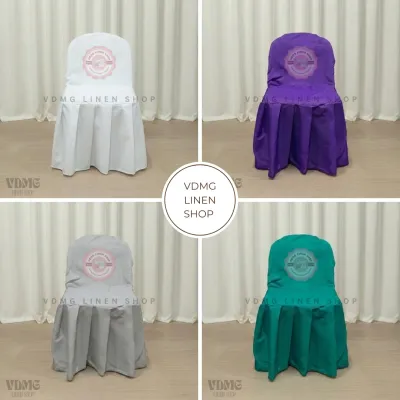
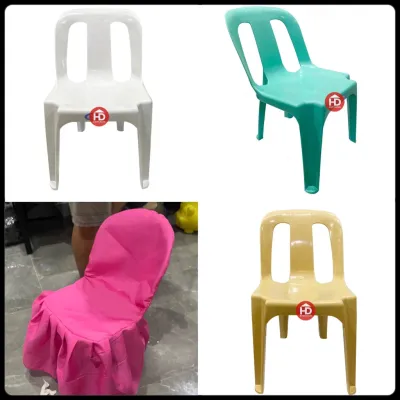

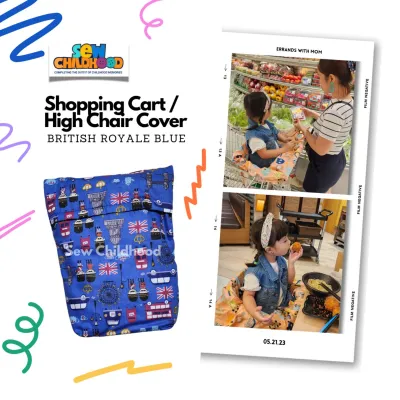
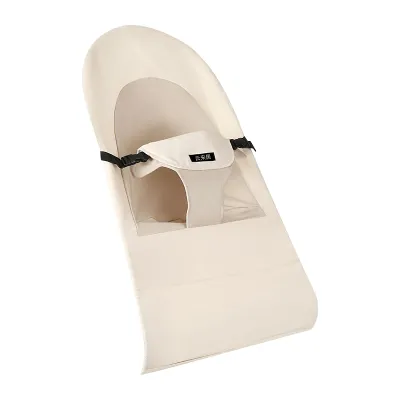
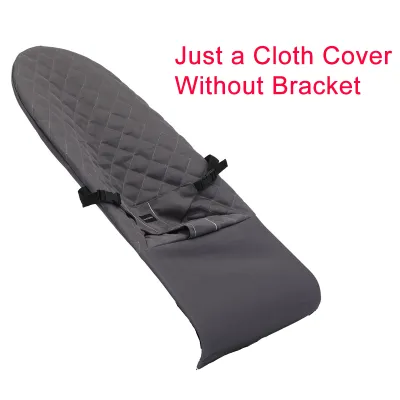
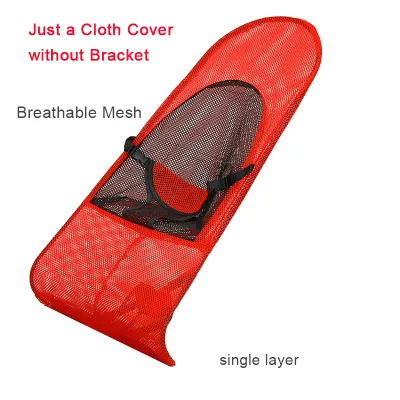
Prices are valid at publication and may change. Please refer to the product page for the latest price.
Changing tables require a cover that can handle frequent liquid exposure while maintaining a sanitary environment. The ideal changing table cover features a reliable waterproof or highly water-resistant surface to prevent liquids from soaking into the underlying pad. It should also include a non-slip backing or secure attachment straps to keep the cover firmly in place while you are active. Because changing tables are high-use areas, the materials must be exceptionally durable and easy to sanitize without degrading after repeated exposure to cleaning agents. Having a couple of spare covers on hand is highly recommended so you can quickly swap them out during unexpected diaper leaks.
Essential Fit and Safety Checks Before Buying
Before purchasing any baby chair cover, you must measure the exact dimensions of your furniture seat and compare them with the manufacturer’s specified fit range. Do not rely on visual estimates or assume that a cover labeled “standard” will fit your specific model. Measure the height of the backrest, the depth of the seat, and the total width to ensure a snug fit. A cover that is too tight can strain the seams and tear, while a cover that is too loose can bunch up, creating uncomfortable lumps and potential safety hazards for your baby. Accurate measurements are the first step to avoiding the hassle of returns.

Safety must always be your top priority when modifying any baby gear with an aftermarket cover. Locate the harness and crotch strap slots on your furniture and verify that the cover has matching, reinforced openings that align perfectly with your safety belt system. If a cover blocks the harness paths or forces the straps into awkward angles, it can compromise the effectiveness of the restraint system. Never attempt to use a cover that requires you to bypass or alter the manufacturer’s intended harness configuration. The straps must always lie flat against your baby’s shoulders and hips to provide proper security.
A shifting cover can cause a baby to slide or lose balance, especially in high chairs and bouncers where movement is common. Check the cover for robust fastening mechanisms, such as heavy-duty elastic bands, secure ties, or non-slip backing materials that grip the furniture frame. The cover should remain firmly anchored even when your baby wiggles, kicks, or leans forward. If you notice the cover sliding out of place during normal use, stop using it immediately and adjust the straps or seek a more compatible option. A secure cover prevents sudden slips that could startle or injure your child.
Always consult the original user manual of your baby furniture before purchasing any third-party cover. Many manufacturers outline specific compatibility guidelines, warning against certain materials or attachment methods that could interfere with the furniture’s mechanical parts or safety certifications. Following the manufacturer’s recommendations helps preserve your furniture’s warranty and ensures you do not inadvertently introduce risks to your nursery setup. If the manual explicitly warns against using aftermarket covers, it is best to stick to official replacement parts from the brand.
Choosing the Right Material and Maintenance Features
The material of your baby chair cover dictates how much time you will spend cleaning it. For high chairs and changing tables, look for covers with water-resistant or wipe-clean surfaces, which are often coated with baby-safe polyurethane or specialized water-repellent finishes. These surfaces allow you to manage daily spills with a simple wipe, reducing the frequency of full laundry cycles. Always check the product label to ensure these coatings are free from harmful chemicals and safe for direct skin contact. A quick-wipe cover is a lifesaver during the messy early stages of self-feeding.
When a deep clean is necessary, you want a cover that can handle the washing machine without shrinking or losing its shape. Carefully read the care tag on the cover to verify the recommended water temperatures and drying instructions. In humid regions, covers that require line drying can take a long time to dry, potentially encouraging musty odors or mold. Opt for covers that are machine-washable and dryer-safe on low heat settings to simplify your laundry routine and keep your nursery gear fresh. Having a cover that withstands hot water washes can also help eliminate stubborn bacteria.
For bouncers and loungers, prioritize breathable, natural textiles such as organic cotton or specialized bamboo blends. These fabrics allow air to circulate freely around your baby, helping to regulate their body temperature and wick away moisture during warm afternoons. Avoid heavy, non-breathable synthetic polyesters for resting surfaces, as they can trap heat and cause your baby to become fussy and uncomfortable. Soft, natural fibers are also much gentler on sensitive baby skin, reducing the risk of friction-induced redness or heat rashes.
Inspect any candidate cover for small decorative elements, loose buttons, long ties, or dangling zippers that could pose choking or strangulation risks. Babies are naturally curious and will often pull, chew, or tug on any loose parts within their reach. Choose minimalist designs with integrated, secure fastening systems rather than those relying on long, loose strings or delicate embellishments that could easily detach over time. Ensuring the cover is free of these hazards is a simple but vital step in maintaining a safe nursery environment.
Building Your Shortlist: What to Verify on the Label
When browsing online marketplaces or local baby boutiques, look for a detailed compatibility list on the product packaging or description. Avoid relying on generic “universal fit” claims, as baby furniture designs vary widely across different brands and models. A cover that claims to fit “most high chairs” may still fail to accommodate the unique tray attachment or wide frame of your specific model. Confirming your exact model on the compatibility list is the safest way to ensure a proper fit. If your model is not listed, contact the cover manufacturer directly to ask about compatibility.
Review the care instructions on the label to ensure they align with your household’s washing facilities and your available time. If a cover requires hand-washing or delicate air-drying, consider whether you have the time to maintain it during busy weeks. If your daily routine demands quick turnarounds, prioritize covers that can be tossed into a standard washing machine and dried quickly. A cover that is difficult to clean will often end up sitting in the laundry hamper rather than protecting your furniture.
Check the packaging for relevant safety standard marks and material composition details. While certifications can vary by region, looking for recognized safety indicators gives you peace of mind regarding chemical safety and manufacturing quality. Verify that the materials used are non-toxic, hypoallergenic, and free from flame retardants or heavy metals that could irritate your baby’s sensitive skin. Reading the fine print on the label helps you make an informed decision that protects both your baby and your home.
Because even the most carefully measured covers can sometimes fit poorly due to the unique contours of your baby furniture, always check the retailer’s return and exchange policy before purchasing. Ensure you can return or exchange the cover if it does not fit securely or if it interferes with the harness system. Keep the original packaging and tags intact until you have fully tested the cover’s fit and safety on your furniture at home. A flexible return policy protects your budget, which is especially helpful when managing nursery expenses that can quickly add up to several thousand pesos (₱).
Frequently Asked Questions (FAQ)
Can I use a universal cover for any baby furniture?
Universal covers are designed with broad dimensions to fit a wide variety of models, but they often fail to provide a secure, tailored fit. Because they are not customized, they may block essential harness slots, bunch up under your baby, or slip off the frame during use. For safety and comfort, it is always best to check the manufacturer’s exact compatibility list for your specific furniture model rather than relying on a generic fit. A poorly fitting cover can compromise safety restraints, making it a risky choice for active babies.
How often should I wash the high chair or bouncer cover?
The washing frequency depends on how often the furniture is used and the level of visible soiling. High chair covers generally require daily spot-cleaning and a thorough wash once or twice a week due to food spills. Bouncer covers can be washed every one to two weeks, or sooner if they become soiled with sweat, spit-up, or diaper leaks. Always refer to the care label on your specific cover for the recommended washing instructions and water temperatures to prevent premature wear and tear.
Community discussion
Share your experience or ask a question. Comments are reviewed before publication.