
Choosing how to carry your baby is a deeply personal decision. The right baby carrier does more than keep your hands free; it supports your baby’s physical development while integrating into your daily life. To find the perfect match, you must balance your baby’s age and physical milestones with your daily routine, local climate, and personal comfort.
Assessing Your Baby's Age and Developmental Readiness
Before looking at styles, you must evaluate your baby’s current physical development. Age is a helpful starting point, but physical milestones dictate which carrier is safe. In the early weeks, a newborn lacks the neck strength to support their own head, requiring a carrier that offers snug, built-in head and neck support. You must always verify the minimum and maximum weight limits on the specific product documentation before placing your baby inside, as using a carrier too early or too late can compromise safety.
As your baby grows, their bone structure and muscle strength change rapidly. A key developmental goal in babywearing is maintaining a hip-healthy position, often referred to as the M-shape or spread-squat position. In this position, the baby’s hips are spread naturally, their thighs are supported from knee to knee, and their knees are aligned slightly higher than their bottom. You should regularly check your baby’s size against the carrier’s seat width to ensure this ergonomic support is maintained.
Products mentioned in this guide
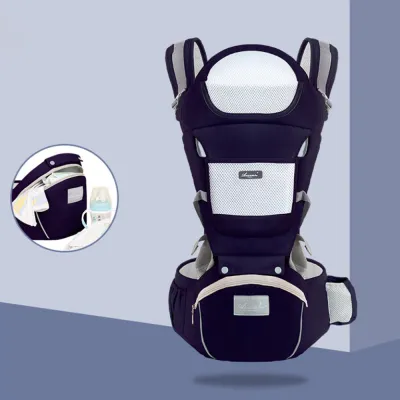
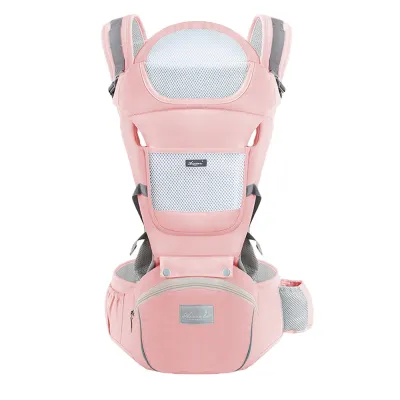
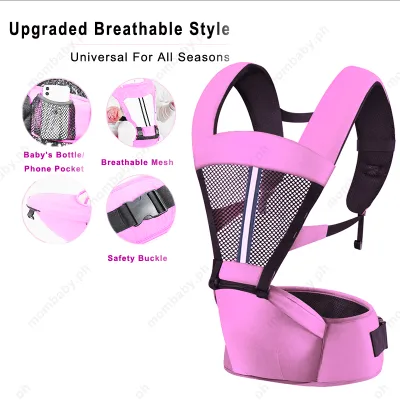
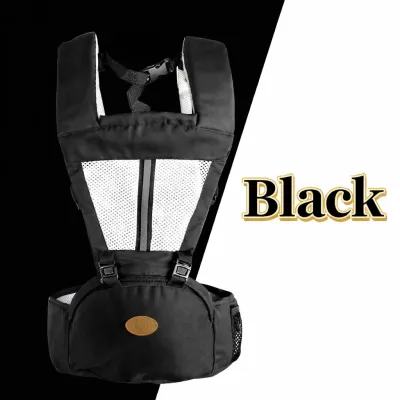
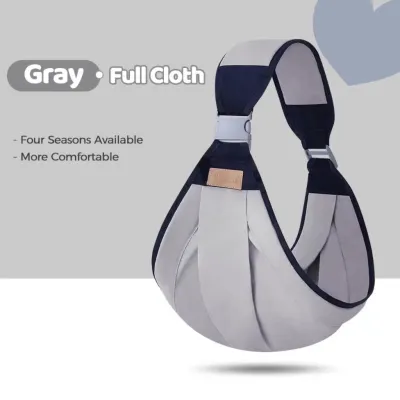
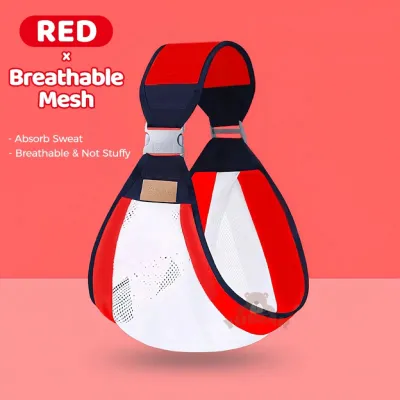
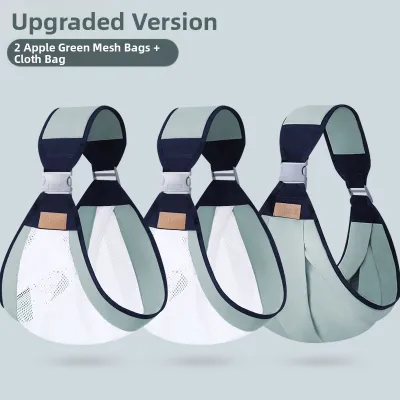
Prices are valid at publication and may change. Please refer to the product page for the latest price.
Recognizing when to transition from a soft newborn wrap to a more structured carrier is essential for ongoing comfort. When your baby begins to show consistent head control, starts pushing up during tummy time, or exceeds the comfortable weight limit of a stretchy wrap, it is usually time to look for a carrier with more robust structural support. Always consult the manufacturer’s warnings and guidelines to confirm your baby meets the developmental criteria for any new carrying position, such as facing outward or back carrying.
Evaluating Your Daily Routine and Caregiver Needs
Your daily routine dictates how, where, and for how long you will use your carrier. If you primarily need to soothe a fussy baby indoors or make quick trips to a local neighborhood store, a lightweight, easily adjustable option is ideal. For longer outings, such as walking through busy local markets, navigating shopping malls, or taking extended outdoor walks, you will require a carrier designed for long-term comfort and durability.

In the warm and humid climate of the Philippines, fabric choice is a critical factor for both baby and caregiver comfort. Heavy, synthetic fabrics can trap heat quickly, leading to discomfort, sweating, and skin irritation like heat rash for your little one. Look for carriers made from breathable, lightweight materials such as cotton mesh, linen, or specialized performance fabrics that allow maximum airflow. Keeping both you and your baby cool during warm days makes babywearing a much more pleasant experience.
You should also consider how easy the carrier is to put on and take off without assistance. If you are often home alone or running errands solo, a highly complex system of buckles and straps can be frustrating to manage. A carrier that allows you to secure your baby quickly and independently is invaluable for daily use.
Finally, do not overlook your own physical comfort and ergonomics. Carrying a growing baby puts significant pressure on your shoulders, upper back, and lumbar region. Look for carriers that feature wide, padded shoulder straps and a supportive lumbar belt to distribute your baby’s weight evenly across your hips and torso. Taking care of your back health ensures you can comfortably carry your baby for as long as they need.
Comparing Baby Carrier Types by Age and Lifestyle
With your baby’s developmental stage and your daily routine in mind, you can now compare the primary types of carriers available. Each style offers distinct advantages depending on your lifestyle and your baby’s age.
Wraps and Ring Slings for Newborns and Quick Errands
Wraps and ring slings are excellent choices for the early months of parenting, often referred to as the fourth trimester. These carriers consist of long pieces of fabric or fabric secured with rings, allowing you to custom-fit the carrier to your body and your newborn’s exact shape. They are ideal for keeping your newborn close, mimicking the snug environment of the womb, and facilitating skin-to-skin contact.
This style is highly suited for quiet indoor days, gentle soothing sessions, and quick errands where you do not need to walk long distances. Because the fabric is highly adjustable, wraps and ring slings can also make nursing on the go more convenient. However, they do come with a learning curve; you must practice wrapping techniques to ensure proper fabric tension, a secure fit, and clear airway visibility for your baby.
Structured Carriers for Growing Infants and Active Days
Soft structured carriers (SSCs) are the workhorses of the babywearing world, featuring padded straps, buckles, and a defined seat area. They are perfect for transitioning into once your baby has gained adequate head and neck control and has outgrown the snug hold of a simple wrap. These carriers are designed to handle heavier weights and offer multiple carrying positions, including front-facing-in, front-facing-out, and back carrying, depending on the manufacturer’s specifications.
If your daily routine involves active outdoor walks, long shopping trips, or managing hands-free household chores while caring for an older infant, a structured carrier is highly practical. When shopping, look for key features such as an adjustable seat width to accommodate your growing baby’s hip development, heavily padded shoulder straps, and a structured lumbar support belt to protect your lower back.
Hip Seats for Toddlers and Caregiver Back Relief
As your baby transitions into a toddler, their desire for independence grows, leading to a constant cycle of wanting to be held and wanting to walk. Hip seat carriers, which feature a firm, padded shelf-like seat secured around the caregiver’s waist, are designed specifically for this active stage. They are suitable for older infants and toddlers who can sit completely unassisted and have strong trunk control.
A hip seat is incredibly convenient for short carries, quick trips to the park, or navigating busy spaces where a stroller is impractical. It allows you to quickly lift your toddler up and set them down without dealing with complex straps or buckles. Ergonomically, the firm seat supports the toddler’s weight, shifting the load from your arms and lower back to your hips, providing significant physical relief during active days.
Essential Safety Checks and Fit Verification
Regardless of the carrier type you choose, safety must always be your top priority. Before every use, perform a thorough visual and physical inspection of the carrier. Check all buckles, snaps, rings, and seams for any signs of wear, fraying, or damage, and do not use the carrier if any component appears compromised.
When placing your baby in the carrier, verify that their positioning meets standard safety guidelines. The fabric should be tight enough to support your baby securely against your body, preventing them from slumping down, which can restrict their airway. Your baby should always be in clear view, with their face visible and their chin off their chest to ensure unrestricted breathing. A simple rule of thumb is that your baby should be close enough to kiss just by tipping your head forward.
Always verify the age, weight, and developmental guidelines on the product label, and look for recognized hip-healthy certifications from independent organizations to ensure the design supports natural hip development. If your baby shows signs of discomfort, persistent crying, or unusual posture while in the carrier, stop using it immediately. If you have any concerns about your baby’s physical development, hip alignment, or comfort, consult a pediatrician or a qualified professional for personalized guidance.
Frequently Asked Questions (FAQ)
Can I use a structured carrier for a newborn without an infant insert?
Whether you can use a structured carrier for a newborn without an insert depends entirely on the specific design and the manufacturer’s instructions. Some structured carriers are designed with adjustable panels and seat widths that can shrink down to safely support a newborn’s small frame and delicate neck. Others require a separate, specially designed infant insert to elevate the baby, support their head, and keep their hips in a safe position. You must always consult the product manual to verify if an insert is required for your baby’s specific weight and height, as failing to use one when required can pose a serious safety risk.
How do I know if the baby carrier is supporting my baby's hips correctly?
To verify that your baby’s hips are supported correctly, look for the natural M-shape position when they are seated in the carrier. Your baby’s thighs should be fully supported from knee to knee, with their knees bent and positioned slightly higher than their bottom, forming the shape of the letter M. Their legs should not dangle straight down, as this can put unnecessary strain on their developing hip joints. If you are unsure whether the carrier is providing the correct ergonomic support, check the manufacturer’s fit guides or consult your pediatrician for a professional assessment.
Community discussion
Share your experience or ask a question. Comments are reviewed before publication.