
Choosing a baby bolster pillow case in the Philippines requires balancing tropical comfort with strict safety standards. Because of the warm, humid climate, the primary focus must be on lightweight, breathable fabrics that prevent heat retention while ensuring a snug, secure fit over the pillow insert. Parents must prioritize safety by verifying that any bedding accessory is used appropriately according to the baby’s developmental stage and under proper supervision. By focusing on material quality, secure closures, and precise sizing, you can build a reliable shortlist on local e-commerce platforms that keeps your nursery both comfortable and safe.
Understanding the Role of a Bolster Pillow Case in the Nursery
A baby bolster pillow case is a specialized, cylindrical fabric cover designed to fit snugly over a bolster pillow insert. Unlike standard flat pillowcases, a bolster case must accommodate a rounded, tube-like shape, which requires precise tailoring to prevent excess fabric from bunching at the ends. The primary function of the case is to act as a protective barrier for the inner cushion, shielding it from sweat, drool, spit-up, and environmental dust. Because bolster inserts can be difficult to wash and slow to dry—especially in humid tropical climates—having multiple removable, washable cases is essential for maintaining a hygienic nursery environment.
Beyond its practical protective role, a bolster pillow case contributes significantly to the visual appeal of a baby’s room. Many parents use coordinated bedding sets to create a cohesive, calming aesthetic in the nursery. However, it is crucial to distinguish between the decorative appeal of these bedding items and their safety during active sleep. While a beautifully styled crib with matching bolsters looks inviting in photos, safe sleep guidelines dictate that the sleep environment must remain clear of all soft objects when the baby is sleeping unsupervised. Understanding this distinction allows parents to enjoy the aesthetic benefits of nursery bedding during supervised daytime lounging or tummy time while keeping the crib safe at night.
Products mentioned in this guide
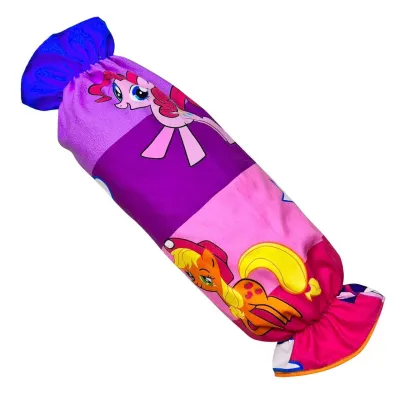
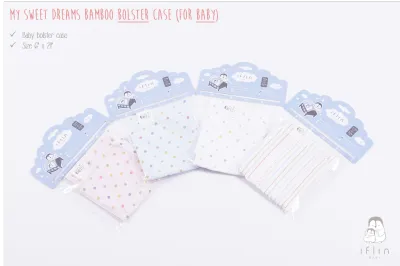
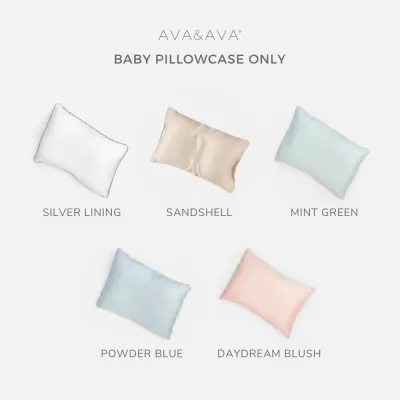
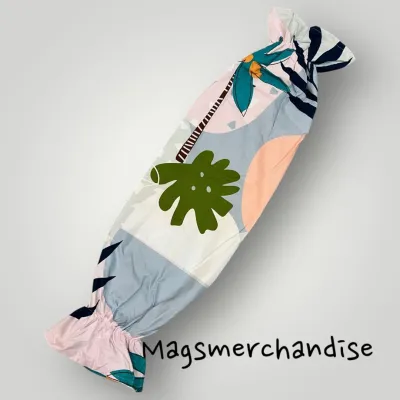
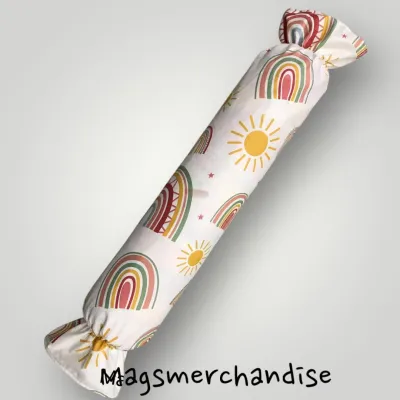
Prices are valid at publication and may change. Please refer to the product page for the latest price.
Key Material and Design Features to Evaluate
When shopping for a baby bolster pillow case, the choice of fabric is one of the most critical decisions you will make. In a warm and humid climate, heat retention can quickly lead to discomfort, sleep disruption, and skin issues such as heat rash or prickly heat.

Cotton remains the traditional standard for baby bedding due to its natural breathability, durability, and ease of care. High-quality cotton weaves, such as sateen or percale, offer a smooth texture that is gentle on a baby’s sensitive skin. Cotton is highly absorbent, meaning it can effectively wick away sweat during warm afternoons, and it stands up exceptionally well to frequent machine washing.
Bamboo-derived fabrics have also gained immense popularity in recent years. Bamboo rayon or viscose is celebrated for its silky softness, which minimizes friction against a baby’s delicate skin and hair. This material is naturally temperature-regulating and highly moisture-wicking, making it an excellent choice for tropical nurseries. However, bamboo fabrics often require more delicate washing care and may be more prone to snagging or pilling compared to robust cotton weaves.
The closure mechanism of the bolster case is another vital design feature that impacts both safety and convenience. There are two primary closure styles available: envelope closures and zippered closures.
An envelope closure features overlapping fabric flaps at one or both ends of the case. This design is highly favored for baby bedding because it completely eliminates the need for hard hardware like zippers, buttons, or snaps. Without any hard components, there is zero risk of scratching the baby’s skin or creating a choking hazard if a part breaks off. The key to a safe envelope closure is ensuring the overlap is deep enough to keep the pillow insert fully enclosed, preventing the baby from pulling the insert out.
Zippered closures offer a very secure fit and make it incredibly easy to change the case. However, if you choose a zippered design, it must feature a “hidden” or recessed zipper. The zipper slider should be covered by a fabric placket to prevent it from coming into direct contact with the baby’s face or body. Additionally, the zipper must be made of durable, non-toxic materials, and the pull tab should be small and securely attached so it cannot be easily detached and swallowed.
Sizing is the final critical design element. A baby bolster pillow case must fit the insert like a glove. If the case is too large, the excess fabric will bunch up, creating loose folds that pose a serious suffocation hazard in the crib. Conversely, if the case is too small, it will compress the bolster insert, making it excessively firm and uncomfortable for the baby, while also putting strain on the seams and closures of the case. Always measure the exact length and diameter of your bolster insert before purchasing a replacement case, as sizes are not universally standardized across different brands.
Essential Safety and Compliance Checks for Baby Bedding
Ensuring the safety of your baby’s sleeping and lounging environment requires a proactive approach to inspecting bedding products. Before introducing any new bolster pillow case to your nursery, you must perform a thorough physical inspection to identify potential hazards.
Begin by examining the seams and stitching of the case. Turn the pillowcase inside out and inspect the interior seams for loose threads, frayed edges, or unraveling stitches. Babies can easily get their tiny fingers or toes tangled in loose threads, which can restrict blood circulation—a condition known as a hair or thread tourniquet. All seams should be double-stitched or overlocked to ensure they remain secure even after multiple trips through the washing machine.
Next, check for any small, detachable parts. Avoid bolster cases that feature decorative buttons, snaps, ribbons, or tassels. While these embellishments may look charming, they are high-risk choking hazards if they become loose. Drawstring closures, which are sometimes used to cinch the ends of bolster cases, should be avoided entirely. Long strings or cords present a severe strangulation risk in a crib environment. Stick to simple, streamlined designs like envelope closures or well-protected zippers.
It is also essential to verify the manufacturer’s age and developmental recommendations for the product. Most pediatric organizations advise that infants under 12 months of age should sleep on a flat, firm surface free of any soft bedding, pillows, quilts, or bolsters. Using a bolster pillow in an unsupervised sleep space before the baby has reached the appropriate developmental stage increases the risk of accidental suffocation. Always cross-reference the manufacturer’s guidelines with established safe sleep practices, and consult your pediatrician if you are unsure when it is safe to introduce a bolster into your child’s routine.
Finally, learn to read product labels critically rather than relying on vague marketing claims. Terms like “hypoallergenic,” “organic,” or “all-natural” are often used loosely on packaging. Look for specific certifications or detailed material breakdowns on the care label, such as “100% Organic Cotton” or “Oeko-Tex Standard 100,” which indicates that the fabric has been tested for harmful substances. Understanding how to interpret these labels ensures you are getting a product that is truly safe and gentle on your baby’s skin.
Building Your Shortlist on E-Commerce Platforms
Shopping for baby bedding on online marketplaces in the Philippines offers a vast array of choices, but it requires a strategic approach to filter out low-quality or unsafe products. To build a reliable shortlist, you must utilize platform search tools and evaluate seller credibility effectively.
Start by refining your search terms. Instead of searching for a generic “baby pillowcase,” use precise terms like “cotton baby bolster case” or “bamboo bolster cover.” Use the platform’s filtering tools to narrow down the results by material, size, and closure type. If you already have a bolster insert, filter by its exact dimensions (such as 10×40 cm or 12×45 cm) to avoid purchasing a case that is too loose or too tight.
Once you have a list of potential options, dive deep into the customer reviews. Do not rely solely on the overall star rating, as this can sometimes be inflated. Instead, look for detailed written reviews, especially those that include photos or videos. Pay close attention to feedback regarding how the fabric behaves after washing. Many parents will note if a cotton case shrank significantly in the wash, or if a bamboo case began to pill after a single cycle. Look for comments on zipper durability, seam strength, and whether the fabric feels as soft in person as it looks in the product photos.
Evaluating the seller is just as important as evaluating the product itself. Prioritize official brand stores or highly rated preferred sellers who have a proven track record of customer satisfaction. Check the seller’s response rate and average shipping time. In the Philippines, purchasing from local sellers often means faster delivery and easier communication if you need to ask questions about sizing.
Additionally, review the store’s return and refund policies. Ensure that you can easily return the product if it arrives with manufacturing defects, such as a broken zipper or loose stitching. Finally, consider your budget in ₱. While it may be tempting to opt for the cheapest available option, investing a bit more in high-quality, durable fabrics that can withstand frequent washing will save you money in the long run. Look for multi-packs or bundle deals, which often provide better value per piece while ensuring you always have a clean spare case on hand.
Care, Maintenance, and Washing Guidelines
Proper care and maintenance of your baby’s bolster pillow cases are essential for preserving their softness, ensuring hygiene, and extending their lifespan. Because baby bedding comes into direct contact with sensitive skin, establishing a safe and consistent washing routine is paramount.
Always begin by reading the manufacturer’s care label attached to the case. This label provides specific instructions regarding water temperature, cycle types, and drying methods tailored to the fabric’s composition. For instance, while pure cotton can typically handle warmer water temperatures, bamboo blends often require cold water and a gentle cycle to prevent the fibers from breaking down or shrinking.
Before washing a new bolster case for the first time, run it through a complete wash cycle. This helps remove any chemical residues, dust, or starch left over from the manufacturing and packaging process. When washing baby bedding, always use a mild, hypoallergenic detergent that is formulated specifically for infants. Avoid fabric softeners and bleach, as these can leave chemical residues that irritate a baby’s skin and can degrade the flame-resistant properties or natural breathability of the fabric.
To minimize shrinkage and preserve the integrity of the fabric, air-drying is highly recommended. In the Philippines, hanging bedding to dry in a well-ventilated, shaded outdoor area allows the warm air to dry the fabric naturally without the intense heat of a dryer, which can warp zippers and shrink cotton fibers. If you must use a tumble dryer, select a low-heat, delicate setting and remove the cases promptly once the cycle is complete.
Regularly inspect the bolster cases for signs of wear and tear. Over time, frequent washing can cause fabrics to thin, seams to weaken, or zippers to become stiff. Look for pilling, which can feel rough against a baby’s skin, and check for any loose threads that could pose a safety hazard. If you notice significant thinning, frayed seams, or a zipper that no longer closes securely, it is time to retire the case and replace it with a new one to maintain a safe and comfortable environment for your baby.
Frequently Asked Questions (FAQ)
Do babies actually need a bolster pillow for sleep?
No, babies do not need a bolster pillow for sleep. In fact, pediatric safe sleep guidelines recommend that infants sleep on a flat, firm mattress free of any pillows, bolsters, blankets, or soft toys for at least the first year of life. These items can pose a risk of suffocation or entrapment. Bolster pillows are best reserved for supervised awake time, tummy time support, or as decorative elements in the nursery when the baby is not in the crib. Always consult your pediatrician for personalized guidance on safe sleep practices for your child.
How often should I wash the bolster pillow case?
It is recommended to wash your baby’s bolster pillow case at least once a week to maintain proper hygiene. However, because of the warm and humid climate in the Philippines, babies often sweat more during sleep or lounging, which can lead to a buildup of moisture, dust mites, and bacteria. You should wash the case immediately if it becomes soiled with drool, spit-up, milk spills, or sweat. Having three to four spare cases on hand ensures you can easily swap out a dirty cover without delay.
Can I use a standard pillow case for a baby bolster?
No, you should not use a standard flat pillowcase for a baby bolster pillow. Standard pillowcases are designed for rectangular pillows and are much too large for a cylindrical bolster. Using an oversized case will result in a significant amount of loose, bunched-up fabric at the ends. This excess fabric poses a serious safety hazard, as it can easily cover a baby’s face and restrict breathing. Always purchase a case specifically sized to fit your bolster insert’s exact length and diameter to ensure a safe, snug, and secure fit.
Community discussion
Share your experience or ask a question. Comments are reviewed before publication.