
When your baby develops a rash, finding the right skincare solution can feel overwhelming. A baby’s skin barrier is up to thirty percent thinner than an adult’s, making it highly sensitive to environmental triggers, friction, and incorrect product choices. The key to effective relief lies in matching the right baby bath wash or skincare oil to the specific physiological cause of the irritation.
Using the wrong product can inadvertently worsen your baby’s skin condition. For instance, applying a heavy, occlusive oil to heat rash can block sweat glands further, while using a lightweight lotion on severe diaper rash will fail to provide the necessary physical barrier against moisture. By understanding how to identify different rashes and select products based on their active ingredients and formulations, you can safely support your baby’s skin recovery.
Identifying Your Baby's Rash: Heat, Diaper, or Eczema?
Before purchasing any new skincare product, you must accurately identify the type of rash affecting your baby. Each condition has distinct visual characteristics and typically appears in specific areas of the body. Misidentifying a rash often leads to using incompatible products that can prolong your baby’s discomfort.
Products mentioned in this guide
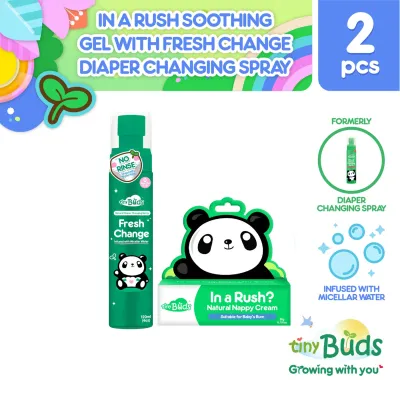
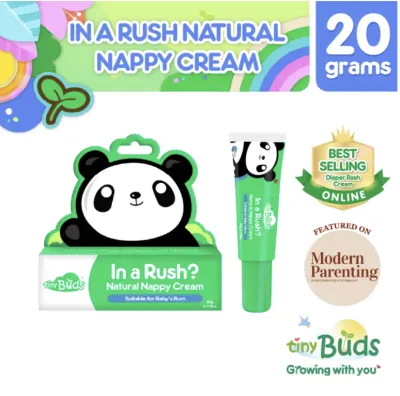
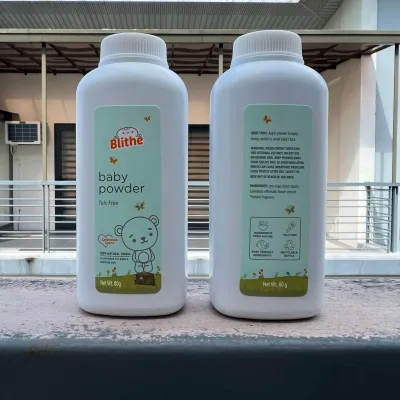
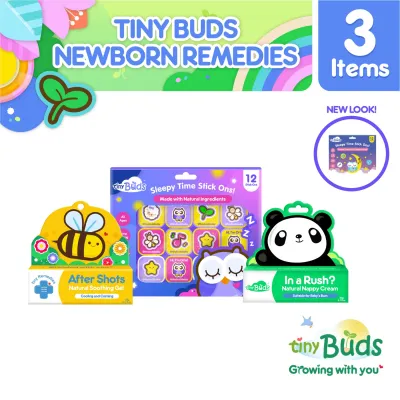
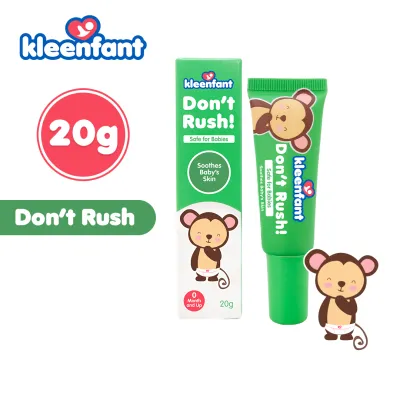
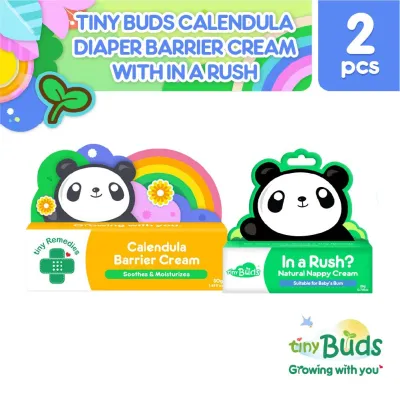
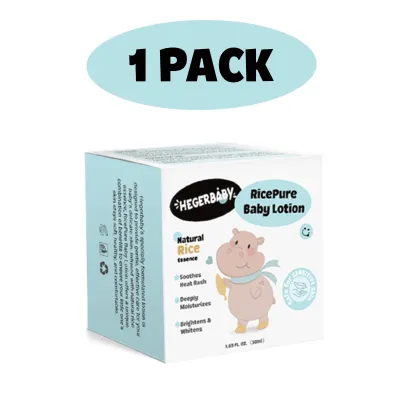
Prices are valid at publication and may change. Please refer to the product page for the latest price.
Heat rash, also known as miliaria, commonly develops in warm, humid tropical climates like the Philippines. It presents as tiny, itchy red bumps or clear micro-blisters that feel slightly rough to the touch. This rash typically clusters in areas where sweat accumulates and cannot evaporate easily, such as the neck folds, armpits, chest, back, and inner thighs.
Diaper rash is localized strictly within the diaper zone, affecting the buttocks, thighs, and lower abdomen. It appears as bright red, irritated, and sometimes slightly puffy skin. This condition is primarily caused by prolonged contact with wetness, friction from the diaper material, and the acidic nature of urine and stool.
Eczema, or atopic dermatitis, manifests as dry, scaly, and intensely itchy patches of skin. During flare-ups, these patches can become red, rough, and highly sensitive. Eczema commonly appears on the cheeks, outer elbows, knees, and scalp, though it can spread to other parts of the body as the baby grows.
While most mild rashes can be managed with careful home skincare adjustments, certain red flags require immediate professional medical evaluation. If you notice signs of infection—such as pus-filled blisters, oozing yellow fluid, or skin that feels unusually warm to the touch—consult a pediatrician right away. You should also seek immediate medical care if the rash is accompanied by a fever, spreads rapidly across the body, or causes your baby severe, inconsolable distress.
Choosing a Baby Bath Wash for Rash-Prone Skin
Bathing is the foundation of your baby’s skincare routine, but the wrong bath wash can strip away natural lipids and aggravate an active rash. When shopping for a baby wash, reading the ingredient label is far more important than relying on appealing packaging or pleasant scents. Your goal is to find a cleanser that purifies the skin without disrupting its delicate, naturally acidic pH balance.

Always look for products explicitly labeled as soap-free, fragrance-free, and hypoallergenic. Traditional soaps are highly alkaline, which can damage the skin’s protective acid mantle and worsen dryness and irritation. True fragrance-free products contain no added synthetic perfumes or masking scents, which are among the most common triggers for allergic contact dermatitis in infants.
Carefully inspect the ingredient list to identify and avoid harsh surfactants and additives. Sodium Lauryl Sulfate (SLS) and Sodium Laureth Sulfate (SLES) are common foaming agents that can be highly stripping to compromised skin. Additionally, avoid products containing parabens, formaldehyde-releasing preservatives, and synthetic dyes, as these chemicals can easily penetrate a weakened skin barrier and trigger further irritation.
Before purchasing, verify the manufacturer’s recommended age range and specific skin-type suitability printed on the packaging. Some formulations are specifically designed and tested for newborns from day one, while others may be intended for older babies. Look for clear indications that the product has been dermatologically tested or formulated specifically for sensitive, dry, or eczema-prone skin to ensure it meets safety standards for irritated skin.
Selecting the Right Skincare Oil or Moisturizer by Rash Type
Once your baby’s skin is clean, applying the correct moisturizer or oil is crucial for healing. However, a one-size-fits-all approach to baby oils and lotions can be counterproductive, as different rashes require entirely different physical properties to heal.
Managing Heat Rash
When dealing with heat rash, the primary objective is to keep the skin cool, dry, and free from obstruction. Heavy, occlusive oils—such as mineral oil, thick coconut oil, or petroleum jelly—should be avoided on areas affected by heat rash. These heavy substances form a thick barrier that traps heat and sweat beneath the skin, which directly clogs the sweat ducts and worsens the inflammation.
Instead, look for lightweight, water-based lotions or non-comedogenic formulations that absorb quickly without leaving a greasy residue. Check product labels for terms like “lightweight hydration” or “non-comedogenic,” which indicate the product will not clog pores. In hot and humid weather, allowing the skin to breathe is the most effective way to encourage heat rash to clear naturally.
Protecting Against Diaper Rash
Diaper rash requires the exact opposite approach to heat rash; here, a strong, durable physical barrier is essential. The skin in the diaper area is constantly exposed to moisture, friction, and chemical irritants from waste. To protect this sensitive zone, you need a thick barrier cream rather than a standard liquid baby oil.
When reviewing product labels, identify active barrier-forming ingredients such as zinc oxide, petroleum jelly, or lanolin. Zinc oxide is particularly effective as it creates a water-resistant shield that repels moisture while soothing irritated skin. Always check the manufacturer’s instructions and warnings; standard body oils are generally too thin to withstand diaper friction and will not provide adequate protection against the acidic environment inside a wet diaper.
Soothing Eczema-Prone Skin
Eczema-prone skin suffers from a compromised lipid barrier, meaning it cannot retain moisture on its own and dries out rapidly. To manage this condition, you must select rich, emollient creams or specialized baby oils designed to lock in deep hydration.
Look for products that carry specific eczema-friendly, hypoallergenic, or fragrance-free claims on the packaging. Many high-quality options will also feature seals of approval from recognized dermatological or pediatric associations. To maximize the benefits of these products, follow the manufacturer’s instructed application method; applying the moisturizer to damp skin immediately after bathing is highly effective for trapping moisture before it can evaporate.
Safe Application and Monitoring Routine
Introducing any new skincare product to irritated baby skin requires a cautious, systematic approach. Even products labeled as gentle or natural can occasionally cause reactions in highly sensitive infants.
Begin by managing the bathing environment. Ensure the bathwater is lukewarm rather than hot, as hot water strips away the skin’s natural oils and intensifies itching. Limit the bath duration to five to ten minutes to prevent the skin from becoming overly saturated and dry. Gently pat your baby’s skin dry with a soft, clean cotton towel instead of rubbing, which can cause further physical friction and micro-tears.
Before applying any new wash, lotion, or oil to a large area of your baby’s body, always perform a localized patch test. Apply a small, pea-sized amount of the product to a small patch of healthy skin, such as the inner forearm or behind the ear. Monitor this area for twenty-four to forty-eight hours; if you observe any redness, swelling, tiny bumps, or signs of itching, do not use the product on your baby.
Once a product passes the patch test, apply it gently to the affected areas according to the package instructions. Monitor the rash closely over the next few days. If you notice the redness fading and your baby appearing more comfortable, the routine is working. However, if the rash intensifies, spreads, or if your baby shows signs of increased discomfort, discontinue the product immediately and wash it off gently with lukewarm water.
When to Stop Home Care and See a Pediatrician
While a dedicated skincare routine can resolve many mild baby rashes, home care has its limits. Parents must recognize when a rash has progressed beyond the help of over-the-counter washes and oils.
You must seek professional medical care immediately if you observe any signs of a secondary bacterial or fungal infection. These signs include the presence of pus, yellow crusting, oozing fluid, open sores, or skin that feels hot and swollen. An accompanying fever is a critical warning sign that the infection may be systemic and requires urgent pediatric intervention.
Additionally, schedule a medical consultation if the rash spreads rapidly across multiple areas of the body, causes severe distress that disrupts your baby’s sleep and feeding, or fails to show any improvement after three days of consistent, gentle skincare adjustments. A pediatrician can provide an accurate diagnosis and prescribe targeted medical treatments, such as mild topical steroids or antifungal creams, to safely resolve the issue.
Frequently Asked Questions (FAQ)
Can I use the same baby oil for both the face and the diaper area?
No, you should avoid using the same baby oil for both the face and the diaper area. The skin on your baby’s face is thin, delicate, and highly prone to clogged pores, requiring lightweight, non-comedogenic formulations. Conversely, the diaper area is subjected to constant moisture and friction, requiring a thick, water-resistant barrier cream containing ingredients like zinc oxide. Standard baby oils are typically too heavy for facial skin and too thin to provide a durable barrier against diaper wetness.
Should I bathe my baby every day if they have a rash?
Bathing frequency should be adjusted based on the specific type of rash your baby has and the instructions on your baby wash label. For heat rash in warm, humid climates, a daily lukewarm bath is often beneficial to clear away sweat, dirt, and excess sebum that clog pores. However, for dry, eczema-prone skin, daily bathing can strip away essential moisture unless you use an extremely gentle, soap-free wash and apply a rich moisturizer immediately afterward. Always consult the product packaging or your pediatrician for personalized guidance.

Community discussion
Share your experience or ask a question. Comments are reviewed before publication.