
Selecting the ideal baby bag is one of the most practical decisions you will make as a parent, directly impacting your daily mobility and peace of mind. A great baby bag does not simply carry diapers; it serves as a mobile command center that keeps feeding essentials, extra clothing, soothing toys, and your personal items organized and accessible. In tropical climates like the Philippines, where high humidity and sudden downpours are common, your choice must also account for material breathability, weather resistance, and ease of cleaning. By focusing on how a bag fits your daily routine, physical comfort, and organizational style, you can find a reliable companion that simplifies outings from infancy through the toddler years.
Match Your Lifestyle to the Right Bag Style
The form factor of your baby bag dictates how easily you can navigate different environments, whether you are boarding public transport, walking through a crowded mall, or managing a quick trip to the local park. Backpack baby bags have become highly popular because they distribute weight evenly across both shoulders and keep your hands completely free. This hands-free convenience is invaluable when you need to carry your baby, fold a stroller, or pay a vendor.
Tote bags and shoulder-slung diaper bags offer a classic, easily accessible design that works well for quick trips or structured environments. They typically feature wide top openings that allow you to see all your gear at a glance without digging. However, carrying a heavy tote on one shoulder for extended periods can lead to muscle strain, making them less ideal for long walking excursions or active travel.
Products mentioned in this guide
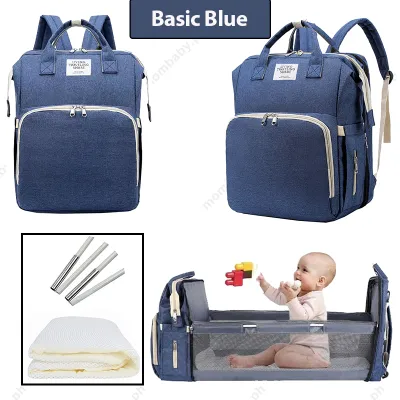
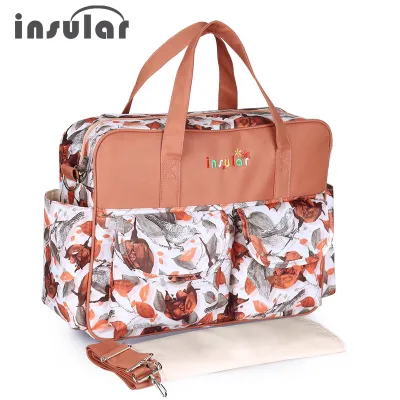
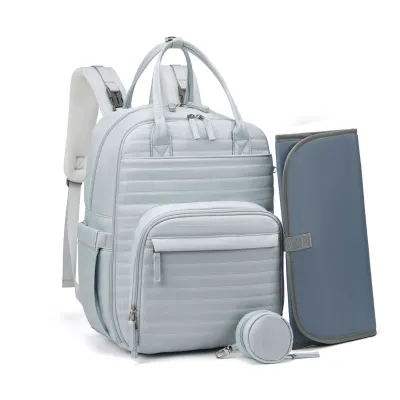
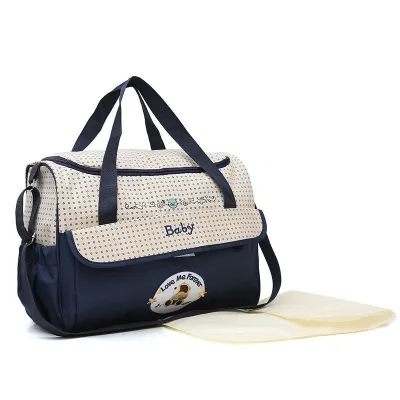
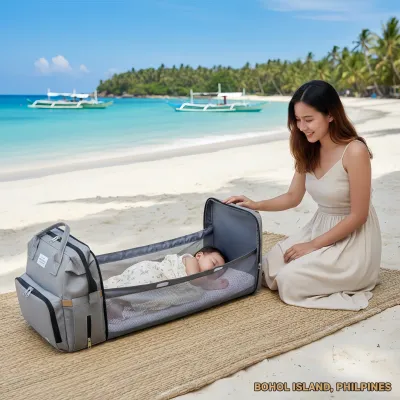
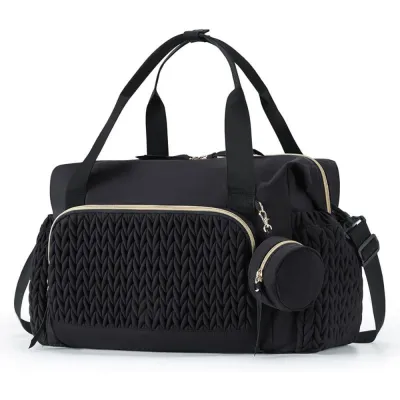
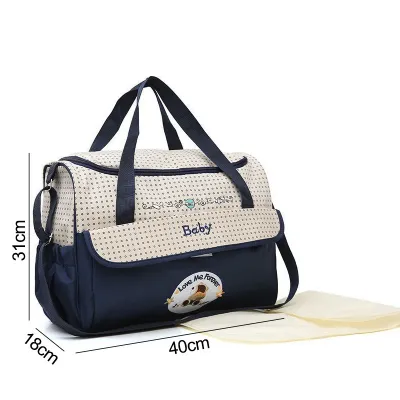
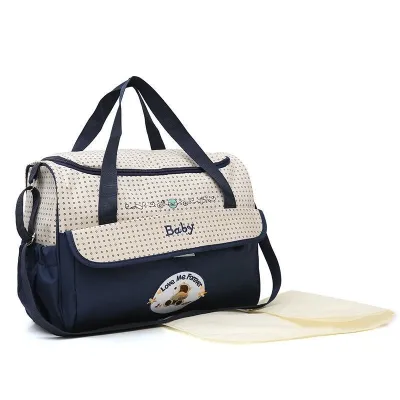
Prices are valid at publication and may change. Please refer to the product page for the latest price.
Crossbody or messenger-style bags provide a middle ground, offering secure, close-to-the-body carrying with quick access to compartments simply by sliding the bag forward. Many modern designs are convertible, allowing you to transition from a backpack to a tote or messenger bag using adjustable, tuck-away straps. If multiple caregivers will share the bag, look for neutral colors and highly adjustable strap systems that can comfortably accommodate different body heights and carrying preferences.
Consider your typical outing duration when evaluating capacity. A compact crossbody might suffice for a one-hour errand where you only need a single diaper, a small pack of wipes, and a bottle. Conversely, full-day family trips or long-distance travel demand a high-capacity backpack with dedicated space for multiple changes of clothes, extra formula or breast milk, toys, and emergency supplies.
Evaluate Organization and Storage Layouts
A baby bag with poor internal organization quickly becomes a chaotic black hole, leaving you scrambling to find a pacifier or wipe while managing a crying infant. Effective storage layouts rely on a balance of specialized compartments and flexible open spaces. When evaluating a bag, look for a structured main compartment that stands upright on its own when placed on a flat surface, which prevents contents from spilling out during diaper changes.

Dedicated, insulated bottle pockets are essential for keeping milk, formula, or water at a safe temperature while you are on the move. Because temperature maintenance is critical for preventing bacterial growth in prepared feeds, check the manufacturer’s specifications to verify how long these insulated compartments are rated to perform. Ensure the pockets are wide and deep enough to accommodate your preferred brand of wide-neck bottles or sippy cups.
High-frequency items require immediate, external access so you do not have to unzip the entire bag in an emergency. Look for dedicated exterior pockets designed specifically for baby wipes—ideally with a magnetic flap or zippered dispenser window—as well as quick-access slots for hand sanitizer, pacifiers, and your personal essentials like keys and mobile phones. Having these items separated from the main compartment minimizes cross-contamination and saves precious seconds.
Inside the main compartment, a combination of zippered mesh pockets, elasticized slip pockets, and clear wet-dry bags helps categorize clothing, diapers, and toys. Mesh pockets are particularly useful because they allow you to identify contents instantly without unzipping them. A dedicated, waterproof wet-dry compartment is also invaluable for isolating soiled clothes or cloth diapers from clean items until you return home.
Prioritize Comfort and Ergonomic Carrying
A fully packed baby bag can easily weigh several kilograms, making ergonomic design a primary health and comfort consideration for daily use. Wide, contoured shoulder straps with thick, high-density foam padding help distribute the load across a larger surface area, reducing the risk of shoulder pinch and neck strain. Avoid thin, unpadded straps that can dig into your skin, especially during warm, humid days when friction is more likely to cause discomfort.
For backpack styles, look for breathable back panels made of 3D air mesh or featuring ventilated air channels. In tropical climates, a breathable back panel is crucial for minimizing heat retention and sweat buildup during outdoor walks. Additionally, adjustable chest or sternum straps can help secure the pack close to your center of gravity, preventing the bag from shifting and reducing strain on your lower back.
Stroller attachment straps or integrated stroller clips are highly practical features that allow you to transfer the weight of the bag entirely to your stroller frame. However, safety must remain your top priority when using these attachments. Always check your stroller manufacturer’s manual for maximum handlebar weight limits, as hanging a heavy bag from the handlebar can cause the stroller to tip backward, posing a serious safety hazard to your child.
Choose Durable and Easy-to-Clean Materials
The materials used in your baby bag must withstand constant friction, exposure to outdoor elements, and inevitable spills of milk, water, and baby food. Synthetic fabrics like high-density nylon and polyester are excellent choices for everyday use because they are lightweight, naturally water-resistant, and highly durable. These fabrics can typically be wiped clean with a damp cloth and dry quickly, making them resilient against sudden tropical rain showers.
Canvas offers a rugged, classic aesthetic and excellent durability, but untreated canvas can absorb liquids quickly, leading to stains and potential mold growth in humid environments. If you prefer canvas, ensure it has been treated with a water-repellent coating. Vegan leather is another popular option for parents seeking a stylish, sophisticated look; it is highly wipeable and resists spills well, but it can be significantly heavier than synthetic fabrics and may crack over time if exposed to intense heat or harsh cleaning chemicals.
Beyond the primary fabric, inspect the quality of the hardware, as broken zippers or snapped clips can render an otherwise perfect bag unusable. Look for heavy-duty, smooth-gliding zippers with large pulls that you can easily operate with one hand. Double-stitched seams at high-stress points, reinforced bottom panels (ideally with protective metal feet to keep the bag off dirty floors), and rust-resistant metal hardware are key indicators of a bag built to last.
Always review the manufacturer’s care label before purchasing to understand the cleaning requirements. While some fabric bags are marketed as machine-washable, many structured bags require spot-cleaning only to preserve their shape and internal insulation layers. Understanding these maintenance limits beforehand ensures you do not accidentally damage the bag’s structural integrity or water-resistant coatings during washing.
Assess Safety, Hygiene, and Practical Extras
Hygiene is a paramount concern when changing your baby in public spaces, making a high-quality changing pad a non-negotiable accessory. Many baby bags include a matching changing pad; verify that this pad is sufficiently padded, detachable for easy cleaning, and made of a certified safe, wipeable material. Having a dedicated, clean surface protects your baby from unsanitary public changing tables and can be quickly sanitized after each use.
Safety features should also extend to how the bag secures potentially hazardous items. Look for secure, zippered interior pockets that remain completely out of a curious toddler’s reach, which are ideal for storing medications, small items that pose choking hazards, diaper rash creams, or sharp objects like nail clippers. Keeping these items isolated ensures they do not accidentally spill into the main compartment where your baby might reach them.
Modern baby bags often incorporate tech-friendly features, such as built-in USB charging ports or dedicated laptop sleeves, to accommodate the needs of working parents. While a charging port offers convenience for keeping your phone powered during long outings, inspect the wiring and pocket placement to ensure it does not interfere with the bag’s primary storage or create a snagging hazard. Always follow the manufacturer’s safety guidelines regarding compatible power banks and moisture exposure.
Build Your Shortlist and Finalize Your Choice
To make a confident decision, begin by listing your absolute non-negotiable features versus nice-to-have extras based on your daily routine. Whether you are budgeting around ₱1,500 for a simple daily pack or investing upwards of ₱5,000 for a premium convertible model, establishing a clear price range helps narrow down your choices. If you rely heavily on a stroller, integrated stroller straps and a compact profile may be your top priorities. If you frequently commute on foot or use public transit, a lightweight, highly padded backpack with a breathable back panel should head your list.
Before finalizing your purchase, verify the physical dimensions and empty weight of the bag against your personal limits and any external regulations. An empty bag that is already heavy will quickly become uncomfortable once loaded with diapers, bottles, and spare clothes. If you plan to use the bag for travel, check that its dimensions comply with standard airline carry-on or under-seat limits to avoid unexpected baggage fees or boarding delays.
Finally, purchase your selected baby bag through authorized retail channels or official brand stores to guarantee product authenticity and access to reliable post-sale support. Review the manufacturer’s warranty terms and the retailer’s return policy, especially regarding manufacturing defects in zippers or stitching. Investing in a genuine product ensures that you receive the material quality and safety standards promised by the brand.
Frequently Asked Questions (FAQ)
Can I use a regular backpack instead of a dedicated baby bag?
While you can technically use a standard backpack, dedicated baby bags offer specialized features that make daily outings significantly easier. Regular backpacks typically lack insulated bottle pockets to keep milk at safe temperatures, built-in stroller attachments, and dedicated wet-dry compartments for soiled clothes. However, a standard backpack may suffice for older toddlers who require fewer specialized supplies, provided you use packing cubes to organize their items.
How heavy should a fully packed baby bag be?
As a general ergonomic guideline, a fully packed baby bag should not exceed 10% to 15% of the carrying caregiver’s body weight to prevent back, shoulder, and neck strain. To keep the weight manageable, prioritize packing only the essential items needed for your specific outing rather than carrying multi-day supplies. Utilize the bag’s adjustable, padded straps to distribute the weight evenly across your body, and avoid overloading one side.
Are vegan leather baby bags practical for everyday use?
Vegan leather baby bags offer a stylish, sophisticated aesthetic and are highly practical for quick spot-cleaning, as spills can be wiped away easily. However, they are generally heavier than synthetic nylon or polyester alternatives and offer less breathability against your back in warm weather. To maintain the material and prevent cracking or peeling, always check the manufacturer’s care label for approved cleaning agents and avoid leaving the bag in direct sunlight or high-heat environments.
Community discussion
Share your experience or ask a question. Comments are reviewed before publication.