
Choosing the right Avent sippy cup with a straw for your baby’s weaning stage is a highly individual process that depends on matching your child’s physical development with the specific design features of the cup. During the weaning journey, transitioning from a bottle or breast to a straw cup helps support oral motor development and independent feeding skills. To make an informed choice, caregivers must evaluate their baby’s current motor skills, understand how to read product labels for safety and age recommendations, and select a cup design that matches their baby’s current stage of coordination. By focusing on these developmental cues and verifying product specifications, you can ensure a smooth and frustration-free transition for your little one.
Recognizing Your Baby's Readiness for a Straw Cup
Many parents wonder when the most suitable time is to introduce a straw cup. While chronological age guidelines on packaging—often starting around six months—provide a helpful baseline, your baby’s individual physical milestones are far more reliable indicators of readiness. Before introducing a straw cup, observe whether your baby can sit upright in a high chair or on the floor without support. Sitting independently shows that your baby has developed the core strength and trunk control necessary to swallow liquids safely from a cup without choking.
Another key physical milestone is the ability to grasp objects intentionally and bring them to the mouth. If your baby is already reaching for your spoon, holding their own teething toys, or grasping small pieces of finger food during family meals, they likely possess the hand-eye coordination needed to hold and lift a lightweight cup. These grasping actions show that the baby’s fine motor skills are developing in tandem with their interest in self-feeding, making it an ideal time to introduce a new drinking vessel.
Products mentioned in this guide
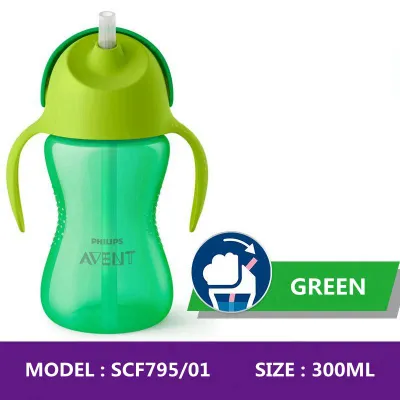
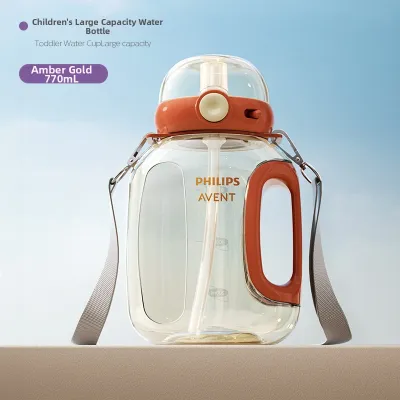

Prices are valid at publication and may change. Please refer to the product page for the latest price.
Oral motor development is equally critical during the weaning stage. Infants are born with a natural suckling reflex, which involves a forward-and-backward movement of the tongue to draw milk from a breast or bottle nipple. Drinking from a straw, however, requires a mature sipping and swallowing pattern. This involves sealing the lips tightly around the straw, pulling the tongue back, and creating active suction to draw liquid upward. You can look for signs of this oral maturity when your baby naturally closes their lips around a spoon during feeding or attempts to sip water from an open cup held by a caregiver.
It is important to remember that every baby develops at their own pace, and forcing the transition too early can lead to frustration. If your baby repeatedly pushes the straw cup away, cries when it is presented, or lets the liquid dribble out of their mouth without swallowing, they may not be developmentally ready. In these cases, it is best to pause the introduction, continue with bottle or breast feeding, and try again in a few weeks when their motor skills and curiosity have progressed further.
Essential Features to Verify on Avent Straw Cup Labels
When shopping for an Avent straw cup on an online marketplace or at a local baby boutique in the Philippines, it is essential to carefully read the product packaging and specifications. The manufacturer’s stated age range is the first detail to verify. These age recommendations, such as 9m+ or 12m+, are designed to align with average developmental stages and physical abilities. Choosing a cup with an age rating that matches your baby’s current stage ensures that the cup’s size, weight, and flow rate are appropriate for their developmental level.

Material safety is another critical factor to check on the label. Look for explicit “BPA-free” certifications to ensure that the plastic and silicone components do not contain harmful chemicals. Additionally, in the warm and humid climate of the Philippines, keeping baby gear hygienic is a top priority for parents. You should verify the maximum heat tolerance limits of the cup’s materials on the packaging. This information tells you whether the cup can safely withstand steam sterilization, boiling water, or dishwasher cycles without warping, cracking, or releasing chemical residues.
Spill-prevention mechanisms are highly valued by caregivers, but they can affect how easy the cup is to use. Many straw cups feature built-in silicone slit valves inside the straw that only open when the baby applies active suction. While these valves are excellent for preventing messy spills on your floors or in your diaper bag, they also require more suction effort from the baby. Check the product description or packaging reviews to see if the valve is designed for beginners who need an easy flow, or for older toddlers who have the suction strength to handle a more robust spill-proof valve.
Finally, look for ergonomic features that support your baby’s independence. For younger babies, contoured handles that are easy for tiny hands to grip are highly beneficial. Some cups also feature weighted straws that bend to follow the liquid, allowing the baby to drink even when the cup is tilted at an angle. For older toddlers, look for anti-slip grips or contoured cup bodies that fit comfortably in larger hands without the need for bulky handles. Verifying these details on the label before purchasing will help you select a cup that your baby can use comfortably and confidently.
Matching Cup Designs to Your Baby's Weaning Milestones
To choose the right cup, it helps to understand how different straw cup designs align with specific weaning milestones. During the early weaning stage, which typically begins around six to nine months, babies are just learning the mechanics of sipping. For this stage, look for transition cups that feature training lids, soft silicone straws, and removable handles. Shorter or angled straws are ideal because they reduce the distance the liquid has to travel, making it easier for a beginner to get a quick reward for their suction efforts. Low suction resistance is crucial here to prevent the baby from becoming discouraged.
As your baby enters the active weaning stage, usually between nine and twelve months, their coordination and grip strength improve significantly. At this point, you can transition to standard straw cups that feature integrated, easy-grip handles and clear volume markings. Volume markings in milliliters are particularly useful in the Philippines, where high daily temperatures make tracking your baby’s fluid intake essential for preventing dehydration. These cups often feature moderate-flow valves that help the baby practice controlling the speed of the liquid while still preventing major spills during active play.
For advanced weaning and the toddler stage, which generally starts around twelve months and beyond, the focus shifts to durability, capacity, and hygiene. Toddlers are highly active and often take their cups on outdoor trips, family gatherings, or car rides. For this stage, look for higher capacity options, such as cups holding 300ml or more, to keep up with their growing hydration needs. Secure leak-proof designs and integrated flip-top hygiene lids are essential features to verify, as they keep the straw clean and protected from dirt and insects when the cup is tossed into a bag or stroller basket.
Because product availability can vary, caregivers should always verify which specific design variations and replacement parts are currently offered by authorized Avent distributors in the local market. Some models may be seasonal or subject to regional stock differences. Ensuring that the specific cup design you choose has readily available replacement straws in local stores will save you time and money in the long run, allowing you to maintain a consistent feeding routine for your baby.
Practical Steps for Transitioning from Bottle to Straw
Transitioning your baby from a bottle or breast to a straw cup requires patience, consistency, and a low-stress approach. The timing of your introduction plays a major role in how well your baby accepts the new cup. Choose a time during the day when your baby is calm, alert, and only slightly hungry—such as during an afternoon snack time. Avoid introducing the cup when your baby is overly tired, sick, or extremely hungry, as they will likely demand the comfort and speed of their familiar bottle or breast and reject the new challenge.
One of the most effective teaching methods is the pipette technique, which helps your baby understand that liquid comes out of the straw. To do this, dip a clean, removable silicone straw into breastmilk, formula, or water. Place your clean index finger over the top opening of the straw to trap a small amount of liquid inside. Bring the bottom of the straw to your baby’s lips, and as they open their mouth to touch it, release your finger to let the liquid flow gently into their mouth. This simple exercise teaches them that the straw contains a tasty reward, encouraging them to wrap their lips around it and try sucking on their own.
Another excellent method is modeling the action yourself. Babies learn by imitating their caregivers, so let your baby watch you drink water from a straw cup during family meals. Exaggerate your sipping motions and make satisfied sounds to spark their curiosity. Additionally, keeping the liquid inside the straw cup at a familiar temperature—whether that is warm breastmilk or room-temperature water—can make the transition much easier. If the liquid is too cold or unfamiliar, the baby may reject the cup due to the temperature shock rather than the straw itself.
Pace the transition according to your baby’s comfort level and be prepared to take breaks. If your baby shows signs of excessive fatigue, frustration, or starts coughing frequently, it is a clear signal to pause the session. Revert to their familiar bottle or breast for that feeding and try the straw cup again a day or two later. Forcing the issue can create negative associations with the cup, whereas a gradual, positive approach will help your baby build confidence and master the skill naturally over time.
Daily Cleaning, Maintenance, and Safety Inspections
Maintaining high standards of hygiene and safety is vital when using straw cups daily, especially in the warm, humid climate of the Philippines where mold and bacteria can multiply rapidly in damp spaces. Proper cleaning requires complete disassembly of the cup after every use. Do not simply rinse the cup; take apart the lid, remove the silicone straw, and separate the valve components. Use a dedicated, ultra-thin straw cleaning brush with warm, soapy water to thoroughly scrub the inside of the straw and any small crevices where milk or juice residues can hide.
Always consult the manufacturer’s instructions on the packaging regarding sterilization limits. While some components are dishwasher-safe or can withstand boiling water, others may degrade or warp under high heat. If you use a steam sterilizer or chemical sterilizing tablets, ensure that the specific materials of your Avent cup are rated for those methods. After cleaning, allow all parts to air dry completely in a well-ventilated area before reassembling the cup, as trapping moisture inside a sealed cup can lead to mold growth.
In addition to daily cleaning, establish a routine for visual and tactile safety inspections. Teething babies often chew on soft silicone straws, which can cause micro-tears, punctures, or stretching over time. Gently pull on the straw and inspect the tip and the valve area for any signs of wear, bite marks, or thinning material. A damaged straw can become a choking hazard if a small piece of silicone tears off, or it can cause the cup to leak constantly, disrupting your baby’s drinking experience.
Knowing when to stop using a cup or its components is crucial for your baby’s safety. If you observe persistent discoloration, a sticky texture on the silicone that does not wash away, or visible tears in the valve, stop using those parts immediately. Rather than purchasing an entirely new cup, look for official replacement straw and valve kits compatible with your specific Avent model. Budgeting a small amount, perhaps a few hundred ₱, for regular replacement parts ensures that your baby’s cup remains hygienic, safe, and fully functional throughout their weaning journey.
Frequently Asked Questions (FAQ)
Can I put hot liquids in an Avent straw cup?
No, you should not put hot liquids in an Avent straw cup. When hot liquids are poured into a sealed cup, they create steam and pressure inside the container. This pressure buildup can force the hot liquid to shoot suddenly out of the straw when the lid is closed or opened, presenting a serious burn risk to both you and your baby. Always check the manufacturer’s maximum temperature guidelines on the product label before use. For safety, only serve liquids that are at room temperature or lukewarm, ensuring they are comfortable and safe for your baby to drink.
How often should I replace the straw and valve parts?
As a general guideline, silicone straw and valve parts should be replaced every three months under normal use, or immediately if you notice signs of wear and tear. Visual indicators that a replacement is needed include discoloration, a sticky or tacky texture, or visible tears and cracks in the silicone. Teething babies who aggressively chew on the soft straw can shorten the lifespan of these components significantly. Regularly inspecting the parts and keeping a set of compatible replacement straws on hand will help ensure your baby always has a clean, safe, and leak-free drinking experience.
Community discussion
Share your experience or ask a question. Comments are reviewed before publication.