
Watching your baby struggle with the intense itch of eczema is one of the most challenging experiences a parent can face. The constant scratching, red patches, and sleepless nights take a heavy emotional and physical toll on the entire family. In the search for relief, finding a gentle, effective skincare routine is paramount. The Aveeno Baby Eczema Therapy line has long been a trusted over-the-counter choice for parents worldwide, celebrated for its use of colloidal oatmeal to soothe irritated skin. However, with multiple formulations available, deciding which specific product to buy can feel overwhelming. If you are searching for the right aveno excema cream to comfort your little one, this guide will compare the different creams, balms, and bath treatments. By understanding how each variant works, you can tailor a skincare routine to your baby’s unique skin severity, comfort, and daily needs.
Identifying Your Baby's Eczema Severity and Skin Needs
Before selecting a skincare product, it is crucial to assess the current state of your baby’s skin. Infant eczema is highly dynamic, often shifting between quiet periods of mild dryness and intense active flare-ups. Mild eczema typically presents as occasional dry patches, slight redness, and minimal scratching. At this stage, the skin barrier is slightly compromised but still functioning relatively well. In contrast, moderate to severe eczema involves thickened skin, intense redness, weeping sores, constant scratching, and significant sleep disruption. Recognizing these differences helps you determine whether your baby needs a lightweight daily moisturizer to maintain hydration or a heavy-duty occlusive barrier to protect raw, inflamed skin.
In the Philippines, environmental factors play a massive role in how infant eczema behaves. The combination of high year-round temperatures and intense relative humidity creates a unique challenge for sensitive baby skin. While humidity can prevent the skin from drying out as quickly as it would in cold climates, the accompanying heat leads to heavy sweating. Sweat contains sodium and other minerals that can severely irritate compromised skin, acting as a primary trigger for sudden flare-ups. Furthermore, sweat trapped in the skin folds—such as behind the knees, in the elbow creases, and around the neck—can quickly turn a mild patch of dry skin into an inflamed, itchy rash.
Products mentioned in this guide
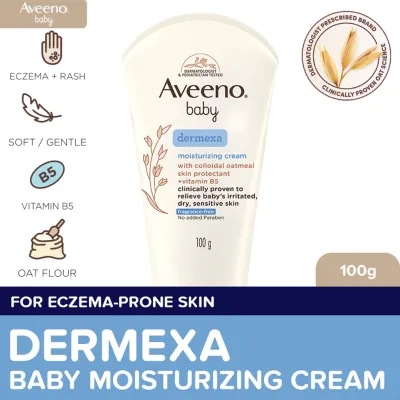
![Aveeno Baby Eczema Therapy Moisturizing Cream 10g / 20g [DECANT]](https://img.lazcdn.com/g/p/c5105905006512df25b9e1a6287d53e8.jpg_400x400q80.jpg_.webp)
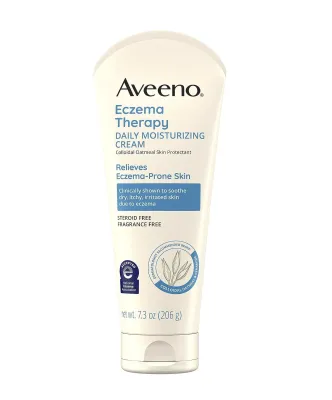
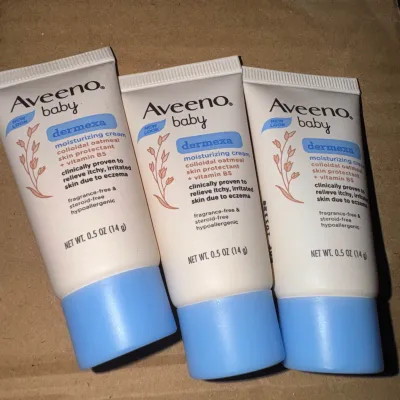
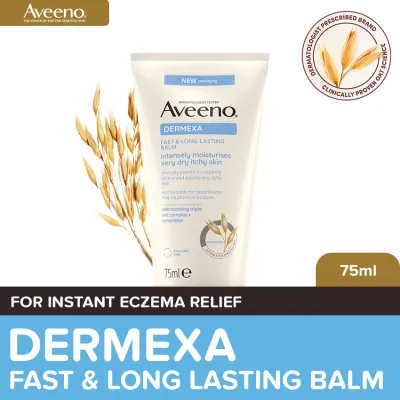
Prices are valid at publication and may change. Please refer to the product page for the latest price.
To choose the right product, parents should observe when their baby’s itching is most severe. If your baby scratches mostly during the day when they are active and warm, they will benefit from a fast-absorbing, non-greasy moisturizer that does not trap heat. Conversely, if the scratching peaks at night—disrupting their sleep and causing them to wake up with fresh scratch marks—a thick, protective balm is often necessary to create a physical barrier that locks in moisture for hours.
It is also important to maintain realistic expectations about over-the-counter skincare. Products like Aveeno eczema cream are designed to manage symptoms, soothe itching, and support the repair of the skin barrier. They are highly effective at keeping the skin hydrated and reducing the frequency of flare-ups, but they do not cure the underlying overactive immune response that causes eczema. Skincare is a vital tool for daily management, but it works best when combined with trigger avoidance and, when necessary, professional medical guidance.
Choosing the Right Aveno Excema Cream and Therapy Variants
The core of the Aveeno Baby Eczema Therapy line relies on a key active ingredient: colloidal oatmeal. Colloidal oatmeal is finely ground oat kernels that disperse evenly in water or cream. It acts as a natural emollient, forming a protective layer on the skin’s surface to lock in moisture and soothe irritation. Many of these formulations also contain ceramides—essential lipids naturally found in the skin barrier that help bind skin cells together, preventing moisture loss and blocking external irritants.

Because baby skin is thin and highly sensitive, choosing the right formulation depends on the specific texture, thickness, and application timing. Below is a quick-scan comparison of the three primary variants to help you map out your baby’s daily skincare regimen:
| Variant | Texture & Consistency | Primary Use Case | Best Application Time |
|---|---|---|---|
| Moisturizing Cream | Lightweight, smooth, fast-absorbing | Daily maintenance and mild dryness | Morning and afternoon, or after a daytime bath |
| Nighttime Balm | Thick, rich, highly occlusive | Severe dryness, active flare-ups, and nighttime itch protection | Right before bedtime or in air-conditioned rooms |
| Soothing Bath Treatment | Fine powder (disperses into a milky soak) | Widespread irritation, active flare-ups, and soothing raw skin | During bath time (limit to 10 minutes) |
While these three variants form a comprehensive care system, product availability and specific formulations can vary across different regions and retailers. Manufacturers occasionally update their ingredients or offer localized packaging. Therefore, parents should always read the ingredient list on the physical packaging or verify details through official online pharmacy listings before purchasing to ensure the product meets their baby’s specific sensitivities.
Moisturizing Cream for Daily Maintenance
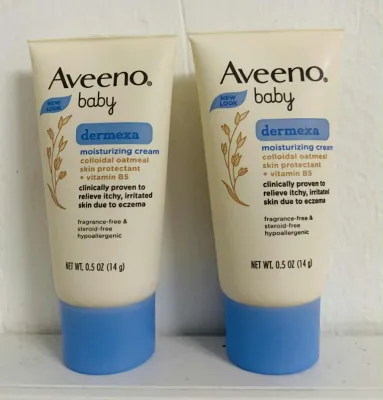
The Aveeno Baby Eczema Therapy Moisturizing Cream is the cornerstone of daily skin maintenance. It features a lightweight, smooth texture that spreads easily over large areas of the body without requiring heavy pressure, which is essential when applying cream to a squirming, sensitive baby. Because it absorbs quickly into the skin without leaving a heavy, sticky residue, it is exceptionally comfortable for daytime use under clothing, even during warmer, humid afternoons.
The primary function of this moisturizing cream is to replenish lost moisture and reinforce the skin’s natural barrier during periods of remission or mild dryness. By applying it consistently twice a day, you help keep the skin hydrated, which can significantly delay or prevent the onset of the next flare-up. It acts as the first line of defense, keeping the skin supple and reducing the micro-cracks that allow environmental allergens to penetrate.
However, the lightweight nature of the cream also means it has limitations. For babies suffering from severe, cracked skin or intense nighttime itching, the moisturizing cream may not provide a strong enough occlusive barrier. It absorbs and evaporates more quickly than a heavy balm, meaning it may not offer the long-lasting, overnight protection needed to prevent a baby from scratching themselves awake in the early morning hours.
Nighttime Balm for Intense Itch Relief
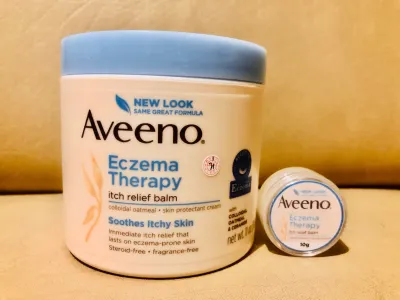
For times when the moisturizing cream is not enough, the Aveeno Baby Eczema Therapy Nighttime Balm offers a much more intensive level of care. This variant has a thick, rich, and almost ointment-like consistency. It is specifically formulated to address severe dryness and provide targeted relief for intense itching. The formulation typically includes a higher concentration of barrier-supporting ingredients, such as ceramides and glycerin, to deeply nourish compromised skin.
The primary function of the Nighttime Balm is to create a heavy, protective seal over the skin. This occlusive barrier physically locks in moisture for an extended period and helps protect raw, irritated skin from the friction of clothing and sheets. When applied before bed, it helps soothe the intense “nighttime itch” that often peaks when a baby’s body temperature naturally fluctuates during sleep, helping both baby and parents get a more restful night.
Despite its excellent protective qualities, the balm’s heavy consistency requires careful application, particularly in tropical climates. If applied too thickly during a hot, humid day, the dense barrier can trap sweat and body heat against the skin. This trapped moisture can irritate sweat glands, potentially worsening heat rash (prickly heat) or exacerbating eczema in skin folds. It is best reserved for nighttime use, cooler days, or when the baby is resting in an air-conditioned environment.
Soothing Bath Treatment for Flare-Up Baths
The Aveeno Baby Soothing Bath Treatment offers a completely different approach to eczema care. Instead of a topical cream or balm, this product comes as an ultra-fine powder made of 100% natural colloidal oatmeal. When poured under running water, it disperses to turn the bathwater into a milky, soothing soak that coats the baby’s entire body.
This treatment is highly effective during active, painful flare-ups when the baby’s skin is too red, raw, or weeping to tolerate the friction of rubbing on creams. The milky soak allows the colloidal oatmeal to make direct contact with large areas of irritated skin, instantly soothing inflammation and relieving the urge to scratch without causing pain. It is an excellent way to calm a fussy baby before bedtime or after a particularly warm, sweat-inducing day.
However, parents must remember that the bath treatment is strictly a supplementary step. While the soak temporarily hydrates and calms the skin, the water will quickly evaporate once the baby is out of the tub, leaving the skin drier than before if left unprotected. To prevent this, the bath treatment must always be followed immediately by a leave-on moisturizer or balm to seal in the hydration.
Adapting the Eczema Routine for a Humid Climate
Managing baby eczema in a tropical, humid climate like the Philippines requires a strategic approach that balances hydration with heat management. The golden rule of eczema skincare is the “Soak and Seal” method. This technique involves giving your baby a short, lukewarm bath—lasting no more than 5 to 10 minutes—to hydrate the skin and wash away sweat, dirt, and potential allergens. You can use the Soothing Bath Treatment in the tub during this step. Once the bath is over, gently pat the baby’s skin with a soft cotton towel, leaving it slightly damp. Within three minutes of stepping out of the bath, apply the moisturizing cream or balm immediately. This tight window is crucial because it traps the clean bath moisture in the skin before it can evaporate.
To keep your baby comfortable throughout the day, it is highly beneficial to adjust your product choices based on the time of day and the environment. During the hot, humid daytime hours, stick to the lightweight Moisturizing Cream. This allows the baby’s skin to breathe and sweat naturally without clogging pores or trapping heat. If your baby spends the night in an air-conditioned bedroom, the cool, dry air can rapidly strip moisture from their skin. This is the perfect opportunity to apply the heavier Nighttime Balm, as the air-conditioned environment prevents sweat accumulation while the balm protects against the drying effects of the AC unit.
Beyond topical products, daily lifestyle adjustments are essential for managing eczema in humid weather. Always dress your baby in loose-fitting, breathable clothing made of 100% cotton. Synthetic fabrics like polyester trap heat and sweat against the skin, which can instantly trigger a painful flare-up. Keep indoor spaces as cool and well-ventilated as possible, using fans or air conditioning to minimize sweating during naps and playtime.
Additionally, be cautious about over-bathing. While it is tempting to bathe a sweaty baby multiple times a day, frequent bathing—especially with warm or hot water—strips the skin of its natural oils and weakens the skin barrier. Limit baths to once a day, and ensure the water temperature is lukewarm or cool. If your baby gets sweaty between baths, gently wipe them down with a damp, soft cotton cloth and reapply a thin layer of moisturizing cream to the wiped areas.
Safety Limits: When to Stop and Consult a Pediatrician
While over-the-counter eczema creams and balms are excellent for daily maintenance and mild flare-ups, they have clear limitations. There are times when a baby’s skin condition requires professional medical intervention. Parents must monitor their baby’s skin closely for red flags that indicate a secondary infection. Because eczema compromises the skin barrier, bacteria (such as staph) and viruses can easily enter. If you notice signs of infection—such as yellow crusts, weeping fluid, pus-filled bumps, increased warmth, swelling, or red streaks—you should seek immediate pediatric evaluation. Additionally, if the eczema is suddenly worsening despite consistent skincare, or if the itching is so severe that it continuously disrupts your baby’s feeding and sleep, it is time to consult a doctor.
If your pediatrician prescribes topical medical treatments, such as low-potency topical steroids or topical calcineurin inhibitors, always consult them before combining these prescriptions with your Aveeno products. Your doctor can provide specific instructions on the proper application order. Generally, prescription treatments are applied first to clean skin to ensure maximum absorption, followed by a moisturizer after a short waiting period, but always follow your physician’s precise guidance.
Lastly, pay close attention to how your baby’s skin reacts to any new product. Even though Aveeno products are formulated for sensitive skin, every baby’s skin chemistry is unique. If you notice signs of localized irritation, such as immediate stinging, increased redness, swelling, or a new type of rash developing after application, discontinue use immediately. The baby may have an individual sensitivity to a specific preservative, stabilizer, or botanical extract in the formula. Wash the product off gently with cool water and consult your pediatrician.
Frequently Asked Questions (FAQ)
Can I use Aveeno Baby Eczema Therapy on my newborn?
While colloidal oatmeal is a natural and exceptionally gentle ingredient, newborns have highly permeable, delicate skin that is still adapting to the environment outside the womb. Many over-the-counter eczema products are formulated and tested for infants aged 3 months and older. Always check the specific product packaging for age recommendations and warnings. If your newborn (under 3 months) is experiencing dry, red, or irritated skin, or if there is a strong family history of severe allergies and eczema, it is highly recommended to consult your pediatrician before introducing any new skincare products to their routine.
Is colloidal oatmeal safe for babies with oat allergies?
Colloidal oatmeal is derived directly from whole oat grains. While it is highly soothing for the vast majority of babies, those with a confirmed oat allergy or severe gluten sensitivity (due to potential cross-contamination during processing) may experience an adverse reaction. If you suspect your baby might be sensitive to oats, you should perform a patch test before full application. Apply a small, pea-sized amount of the cream or balm to a small area of unaffected skin, such as the inner forearm, and wait 24 hours. If any redness, swelling, or itching occurs, do not use the product and seek professional medical advice.

Community discussion
Share your experience or ask a question. Comments are reviewed before publication.