
Finding the right skincare routine for your baby in a tropical climate requires a careful balance. High humidity and heat can cause sweat rash, while air-conditioned indoor spaces can dry out delicate skin. To choose the right Aveeno Baby product, you must first identify your baby’s specific skin concern—whether it is general dryness, sensitivity, or daily sun exposure—and match it to the appropriate formulation. This guide helps you observe your baby’s skin signals, navigate product categories, and verify labels to ensure safe daily care.
Identify Your Baby's Primary Skin Concern
Observe your baby’s skin during daily routines like diaper changes and bath times. Note any rough patches, flakiness, or mild redness. General dry skin often presents as fine flakes or a slightly rough texture, which is common when transitioning between air-conditioned rooms and humid outdoor air.
If the redness is persistent, intensely itchy, or concentrated in the creases of the elbows and knees, your baby may have eczema-prone skin. Unlike temporary dryness, chronic conditions require consistent barrier support and specialized formulations rather than standard daily moisturizers.
Products mentioned in this guide
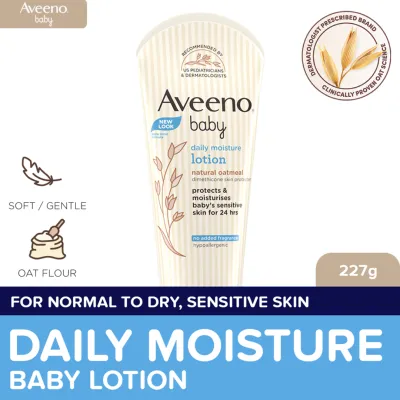
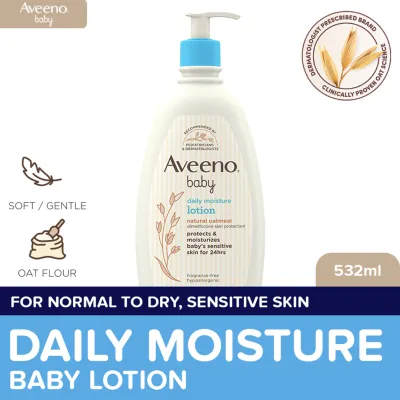
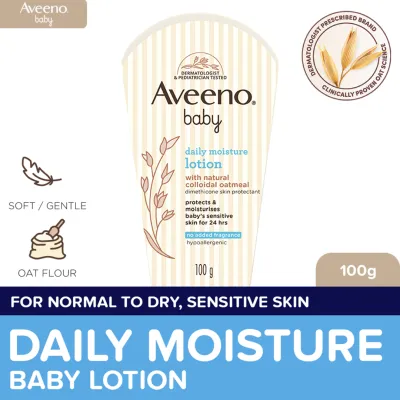
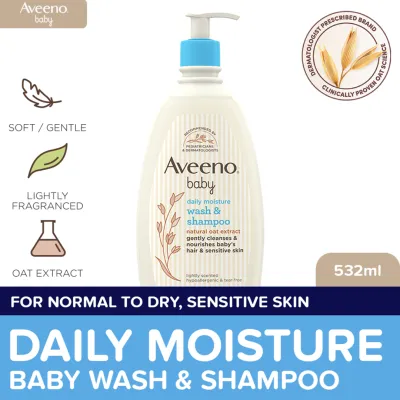
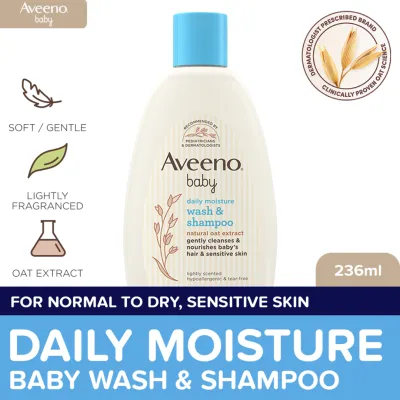
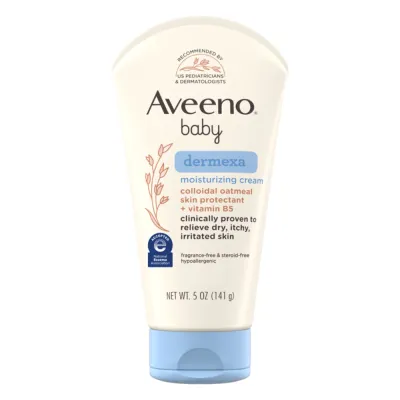
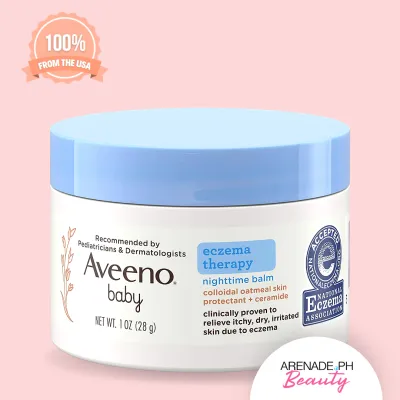
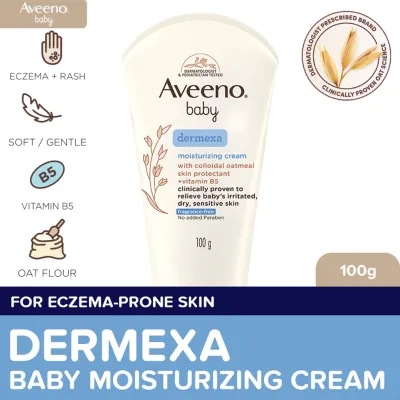
Prices are valid at publication and may change. Please refer to the product page for the latest price.
In tropical environments, sweat can accumulate in skin folds, leading to irritation that mimics dry skin rashes. Hard water from household taps and harsh residues from laundry detergents can also compromise the delicate infant skin barrier, making it more susceptible to external irritants.
While mild dryness can often be managed with consistent home moisturizing, cracked, bleeding, or extremely inflamed skin requires immediate medical attention. Establishing this boundary early prevents minor irritations from escalating into painful skin infections.
Match Skin Concerns to Product Categories
A complete baby skincare routine relies on three distinct pillars: gentle cleansing to remove sweat and impurities, targeted moisturizing to lock in hydration, and reliable sun protection for outdoor exposure. Each category serves a specific purpose in maintaining the skin’s natural defense system.

The physical texture of a product determines how it interacts with your baby’s skin barrier. Lightweight lotions are ideal for daily hydration in warm weather, whereas thick creams and balms provide a dense protective layer that is highly beneficial for localized dry patches or overnight recovery.
Cleansers and Body Washes
Bath time is the foundation of baby skincare, but it can easily strip away natural oils if the wrong product is used. When selecting a wash, check the packaging for terms like soap-free, tear-free, and fragrance-free. Soap-free formulas cleanse the skin without disrupting its natural pH balance.
Observe your baby’s skin immediately after drying them with a towel. If the skin looks flushed, feels tight, or appears drier than before the bath, the cleanser may be too harsh or the water temperature may be too warm. A suitable wash should leave the skin feeling soft and comfortable.
While daily baths are common in warm, humid climates to wash away sweat, you may not need to use a cleansing product over the entire body every single day. Focus the wash on areas prone to sweat and diaper soil, and use plain lukewarm water for the rest of the body on alternating days if the skin is highly sensitive.
Lotions and Moisturizers
Choosing the right moisturizer requires matching the product’s thickness to the severity of the dryness. Lightweight daily lotions are easily absorbed and work well for overall body application, especially during hot days when heavy creams might feel uncomfortable or trap sweat.
For areas of intense dryness or eczema-prone skin, look for formulations containing colloidal oatmeal or ceramides. These ingredients are known to support the skin barrier, but you must verify their presence and concentration on the product label to ensure they align with your baby’s needs.
Pay close attention to how quickly the moisturizer absorbs into the skin. In humid tropical climates, a product that leaves a greasy, heavy residue can block pores and cause heat rash. Opt for formulas that absorb cleanly while still providing a noticeable protective barrier.
Sunscreens
Protecting delicate baby skin from ultraviolet radiation is crucial, particularly in sunny tropical regions. Look for mineral or physical sunscreens that utilize active ingredients like zinc oxide. These minerals sit on top of the skin to reflect UV rays rather than being absorbed into the skin.
Always check the water resistance rating on the sunscreen label, especially if your child will be playing in water or sweating outdoors. Remember that even water-resistant formulas require regular reapplication according to the manufacturer’s instructions, usually every two hours or immediately after towel drying.
Verify the minimum age recommendation on the packaging before application. Most pediatric guidelines and manufacturer instructions state that sunscreen should not be applied to infants under six months of age. For younger babies, rely on physical shade, wide-brimmed hats, and lightweight clothing to prevent sun exposure.
How to Read Labels and Verify Suitability
Do not rely solely on front-of-package marketing claims; instead, turn the bottle over to examine the full ingredient list. Look out for added synthetic fragrances, essential oils, or harsh preservatives like parabens and phthalates, which are common triggers for contact dermatitis in sensitive infants.
Cross-reference the product’s instructions with your baby’s current developmental stage and physical condition. Some products are formulated specifically for older toddlers and may contain ingredients that are too strong for a young infant’s highly permeable skin barrier.
Before applying any new product to your baby’s entire body, perform a localized patch test. Apply a small, pea-sized amount of the lotion or wash to a clean area of skin, such as the inner forearm or behind the ear, and monitor the spot for any signs of irritation over a 24-hour period.
Carefully read the warning labels on the packaging. Manufacturers outline specific conditions under which the product should not be used, such as on deep puncture wounds or broken skin, and provide instructions on what to do if accidental eye contact or ingestion occurs.
When to Stop and Consult a Pediatrician
Over-the-counter skincare products are designed for daily maintenance and mild soothing, not for treating medical conditions. If you notice worsening symptoms—such as spreading redness, swelling, warmth to the touch, or yellow oozing crusts—discontinue use immediately and seek professional medical care.
Pay attention to your baby’s behavior as an indicator of skin discomfort. If your little one is constantly scratching, crying during product application, showing extreme fussiness, or experiencing disrupted sleep due to itchy skin, home remedies are no longer sufficient.
A pediatrician or pediatric dermatologist can provide an accurate diagnosis and prescribe targeted medical treatments, such as medicated ointments, that cosmetic products cannot replace. Trying to self-treat severe skin issues with commercial lotions can delay proper healing.
When you visit the healthcare provider, bring all the skincare products you currently use or have recently tried. Having the physical bottles or a list of ingredients helps the doctor identify potential allergens and recommend a safe, customized skincare regimen.
Frequently Asked Questions (FAQ)
Can I use these skincare products on newborns?
Newborn skin is exceptionally thin, delicate, and still developing its natural protective barrier during the first few weeks of life. Most pediatricians recommend using minimal products—often just lukewarm water for baths—during this initial period to avoid overloading the skin.
Always check the manufacturer’s label for specific age indications, as many commercial baby products are formulated for infants aged three months and older. Consult your pediatrician before introducing any scented washes or thick creams to a newborn’s routine.
How do I perform a safe patch test at home?
To conduct a patch test, select a small, clean area of your baby’s skin that is not easily rubbed off, such as the inner arm or the side of the neck. Apply a tiny amount of the product and leave it on, observing the area closely over the next 24 to 48 hours.
Look for visual signals of a negative reaction, which include redness, tiny bumps, swelling, or signs of itching. If any of these symptoms appear, wash the area gently with cool water immediately, stop using the product, and consult a healthcare professional if the reaction persists.
Community discussion
Share your experience or ask a question. Comments are reviewed before publication.