
Finding the right feeding support is one of the most critical decisions you will make during your baby’s first few months. While many parents default to large, wrap-around cushions, a compact arm pillow for baby offers a highly targeted, portable alternative designed to relieve localized muscle strain. Choosing the correct model requires evaluating your primary feeding positions, your baby’s developmental stage, and the climate of your home. The right arm pillow acts as an ergonomic bridge, lifting your baby to the ideal height for breastfeeding or bottle-feeding while cushioning your forearm and wrist from the continuous pressure of holding a newborn.
To make an informed decision, you must analyze how different pillow shapes, fill densities, and fastening mechanisms interact with your body’s posture. A pillow that works perfectly for a seated cradle hold may prove too bulky for bottle-feeding or unsafe for side-lying positions. By matching the structural features of the pillow to your daily routine, you can prevent common physical ailments like wrist tendinitis while ensuring your baby remains in a safe, comfortable, and well-supported position during every feed.
Why an Arm Pillow Might Be Better Than a Traditional Nursing Pillow
Traditional nursing pillows are typically large, U-shaped cushions that wrap around your waist. While they provide excellent surface area, they can be incredibly bulky to store, difficult to pack for travel, and uncomfortably warm to wear in humid tropical environments. An arm pillow for baby, by contrast, is a compact, wearable cushion that slides directly onto your forearm or wrist like a sleeve or secures with an adjustable strap. This design targets support exactly where your baby’s head rests, eliminating the need for a massive cushion that takes up the entire armchair or sofa.
Products mentioned in this guide

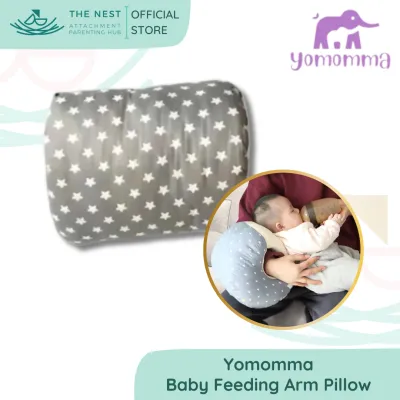
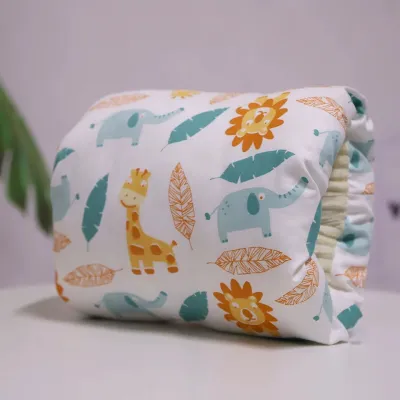
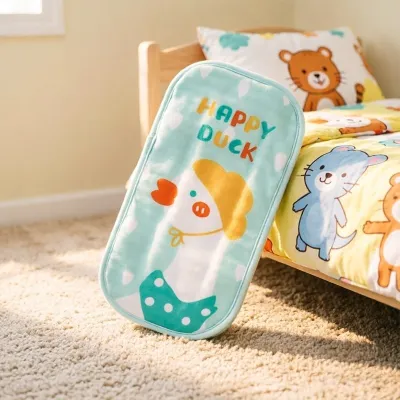
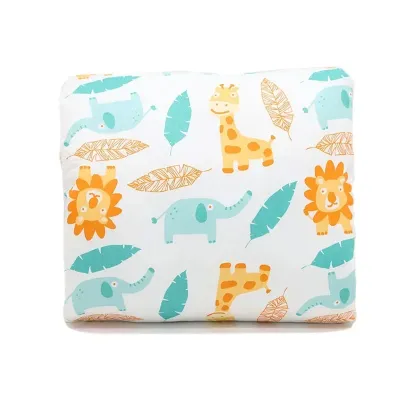
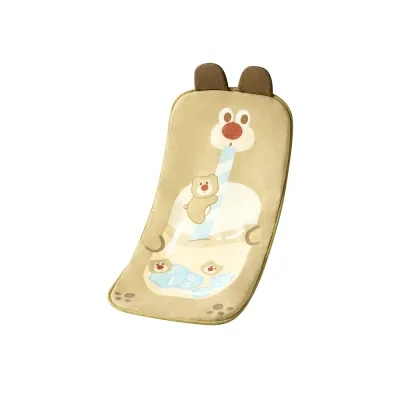
Prices are valid at publication and may change. Please refer to the product page for the latest price.
For parents living in smaller spaces, such as urban apartments or condos in the Philippines, the space-saving nature of an arm pillow is a major practical advantage. It can easily be tucked into a diaper bag, stored in a small drawer, or hung from a stroller handle when you are on the go. This portability makes it an excellent choice for quick feeds outside the home, visits to family, or simply transitioning between different seating areas in your house without carrying heavy gear. In the local market, basic arm sleeves typically start around ₱300, while premium, ergonomic arm pillows with specialized organic covers can range up to ₱1,500 or more.
Furthermore, arm pillows offer highly localized relief for wrist and forearm strain, often referred to as “mommy’s wrist” or De Quervain’s tenosynovitis. Holding a baby’s head for extended periods puts repetitive pressure on the tendons of your wrist and forearm. Because an arm pillow distributes this weight across a wider section of your arm and provides a soft buffer, it minimizes the muscle fatigue associated with long, frequent feeding sessions. If you find yourself constantly adjusting a large waist pillow or struggling with localized wrist pain, a wearable arm pillow provides a streamlined, ergonomic solution that adapts to your body’s movements.
Choosing the Best Arm Pillow for Baby Based on Feeding Positions
Not all arm pillows are created equal, and their effectiveness depends heavily on how you hold your baby during feeds. Selecting the wrong design can lead to poor posture, latch issues, or physical discomfort for both you and your infant.

Breastfeeding (Cradle and Cross-Cradle Holds)
During traditional seated breastfeeding, such as the cradle or cross-cradle hold, your primary goal is to bring your baby up to breast level without slouching forward. Hunching over to meet your baby can cause severe upper back and shoulder pain over time. For these positions, look for wrap-around or C-shaped arm pillows that feature a firm, supportive fill. A firm inner material ensures that your baby’s head does not sink too deeply, which helps maintain a consistent, secure latch throughout the feed.
Adjustability is another critical factor for breastfeeding. Seek out designs with a secure, adjustable strap or an elasticized sleeve. This prevents the pillow from sliding down your forearm when your baby moves or when you adjust your seating position. If the pillow shifts constantly, you will find yourself tensing your arm muscles to keep it in place, defeating the ergonomic purpose of the cushion.
Finally, always verify the thickness of the pillow before purchasing. You want to choose a thickness that comfortably bridges the gap between your lap and your breast. If you have a longer torso, you may need a higher-profile arm pillow to avoid having to prop your elbow up with additional cushions. Conversely, a lower-profile pillow is better suited for those with shorter torsos to prevent elevating the baby too high, which can disrupt a comfortable feeding angle.
Bottle-Feeding (Upright and Semi-Reclined)
Bottle-feeding requires a different set of physical mechanics than breastfeeding. To prevent gas, reflux, and fluid entering the middle ear, babies are typically fed in a semi-upright or semi-reclined position. This means your arm pillow must support the baby’s head at a gentle incline while keeping your holding arm stable and relaxed. Look for contoured or wedge-shaped arm pillows that naturally slope, allowing you to maintain this elevated head position effortlessly.
Because bottle-feeding often involves holding a bottle with your opposite hand, your supporting arm must remain perfectly steady. A non-slip backing on the underside of the arm pillow or a highly secure fastening system is essential to prevent the cushion from rotating around your arm. This stability ensures that the baby’s head remains at the correct semi-reclined angle without requiring constant manual adjustments.
Additionally, bottle-feeding generally requires less vertical elevation than breastfeeding because you can adjust the angle of the bottle to meet your baby’s mouth. Therefore, a medium-firm, lower-profile arm pillow is often the most comfortable choice. This lower profile prevents your shoulder from being pushed into an unnaturally high, shrugged position, allowing you to feed your baby comfortably while sitting in a standard chair or recliner.
Side-Lying and Night Feeds
Side-lying feeding is a common choice for night feeds or for parents recovering from a difficult birth, but it demands strict attention to safety and airway management. When feeding while lying down, the introduction of bulky or soft bedding can pose significant safety hazards, including suffocation risks. If you plan to use an arm pillow in a side-lying position, you must prioritize low-profile, slim, and highly adjustable designs.
A slim arm pillow ensures that your baby’s head is not over-elevated. Over-elevation can flex the baby’s chin downward toward their chest, which can restrict or block their delicate airway. The pillow should only provide a thin layer of cushioning between your arm and the baby’s head, keeping their spine and neck in a neutral, straight alignment.
Before using any arm pillow in bed, always check the manufacturer’s instructions and safety guidelines. Many brands explicitly state whether their products are suitable for side-lying positions or if they are strictly limited to seated feeding. Never use a thick, rigid, or highly plush arm pillow in a lying position, as these designs can create dangerous gaps where a baby’s face could become wedged, or they can restrict the baby’s ability to turn their head freely.
Material and Maintenance Checklist for Humid Weather
In tropical climates like the Philippines, high humidity and warm temperatures can quickly turn a feeding pillow into a hot, uncomfortable accessory. Sweat, spilled milk, and baby spit-up can easily penetrate the fabric, leading to unpleasant odors, bacterial growth, and mold. Choosing the right materials and keeping up with regular maintenance is crucial for keeping the pillow hygienic and comfortable.
When shopping for an arm pillow, use the following checklist to evaluate its materials and care requirements:
- Breathable Outer Cover: Look for covers made from natural, moisture-wicking fibers such as organic cotton, bamboo blends, or lightweight linen. These materials allow air to circulate, preventing heat from building up between your arm and your baby's head. Avoid 100% synthetic fabrics like polyester or nylon for the outer cover, as they tend to trap heat and sweat, leading to skin irritation or heat rashes for your baby.
- Removable, Zippered Cover: Ensure the pillow features a fully removable cover with a durable, recessed zipper. A removable cover makes it easy to wash off milk spills immediately without having to launder the entire pillow. The zipper should be covered by a fabric flap to prevent it from scratching your baby's skin or snagging your clothing.
- Machine-Washable Components: Verify the care label to confirm that the cover, and ideally the inner cushion, can be machine-washed. In humid conditions, air-drying can take a long time, so being able to run the cover through a standard wash-and-dry cycle is a major convenience.
- Quick-Drying Inner Fill: Check the material of the inner fill. Synthetic polyester fiberfill or specialized breathable foam are common options that dry relatively quickly after washing. Avoid dense memory foam that cannot be washed or takes days to dry, as trapped moisture in dense foam is highly susceptible to mildew in tropical climates.
- Hypoallergenic Properties: Look for materials certified to be free of harmful chemicals and allergens. Since your baby's face will be in direct contact with the pillow for hours every day, hypoallergenic fabrics reduce the risk of respiratory irritation or contact dermatitis.
Regular maintenance is just as important as the initial material choice. Make it a habit to inspect the pillow daily for any dampness. If the pillow feels damp from sweat or spit-up, remove the cover immediately and let both parts air out in a well-ventilated room or under a fan. Never store a damp arm pillow in a dark closet or diaper bag, as this creates the perfect environment for mold to develop.
Safety Rules and Usage Limits for Arm Pillows
While arm pillows are excellent tools for improving parental comfort, they are strictly designed as active feeding aids and must be used with caution. Prioritizing safety ensures that your baby remains protected from sleep-related hazards and physical strain.
First and foremost, an arm pillow for baby must only be used during active, supervised feeding sessions. These pillows are not safe sleep positioners, and they must never be used to prop a baby up for a nap, left in a crib, or used while the baby is unattended. If your baby falls asleep during a feed, gently transition them to a flat, firm sleep surface, such as a crib or bassinet, in accordance with safe sleep guidelines.
Additionally, you must monitor your baby’s physical development to determine when they have outgrown the arm pillow. As babies grow, their length, weight, and mobility change rapidly. If your baby begins to show signs of increased mobility, such as actively rolling over, pushing themselves up, or squirming excessively during feeds, the risk of them slipping off the pillow increases. Always check the manufacturer’s product tag or instruction manual for specific weight and age limits. If your baby exceeds these limits, or if their body has grown too long to be safely supported by your forearm, it is time to stop using the pillow.
Finally, pay close attention to your baby’s posture and comfort during feeds. If you notice your baby’s chin tucking toward their chest, their neck bending at an unnatural angle, or if they show signs of breathing difficulty, stop using the pillow immediately. Adjust your holding position to ensure their airway remains completely open and clear. If you have ongoing concerns about your baby’s neck alignment, feeding posture, or physical comfort, consult a pediatrician or a certified lactation consultant for professional guidance.
Frequently Asked Questions (FAQ)
Can I use a regular bed pillow instead of a dedicated arm pillow?
While it may be tempting to use a standard bed pillow, they are not designed for the specific physical demands of baby feeding. Regular bed pillows lack secure arm straps or sleeves, meaning they can easily slip or slide out from under your arm, creating a sudden drop hazard for your baby. Furthermore, standard pillows are often too soft and plush. When a baby’s head rests on a soft bed pillow, the material can conform around their face, posing a dangerous suffocation risk. Dedicated arm pillows are structured to provide firm, targeted support that keeps your baby’s head elevated and their airway safely aligned.
How do I clean an arm pillow if it gets covered in milk or spit-up?
Always check the manufacturer’s care label before attempting to clean your arm pillow, as washing instructions vary by material. Generally, you should remove the outer cover and wash it in a washing machine using a mild, baby-safe detergent. For the inner cushion, spot cleaning with a damp cloth and mild soap is usually recommended unless the label states it is fully machine-washable. After washing, ensure that both the cover and the inner fill are completely dry before putting them back together. In humid environments, using a dryer on a low-heat setting or placing the components in front of a fan can help prevent lingering dampness, odors, and bacterial growth.
Community discussion
Share your experience or ask a question. Comments are reviewed before publication.