
Finding the ideal fit for your baby’s clothing requires looking beyond the simple age label printed on the tag. To choose the right Applecrumby size, you must measure your baby’s current height and weight, and then compare these numbers directly to the brand’s specific product size chart. Because babies grow at highly individual rates, relying solely on age ranges often leads to tight collars, restrictive leg openings, or garments that are outgrown in a matter of weeks. In the warm, humid climate of the Philippines, a proper fit is even more critical to prevent skin chafing, heat rash, and general discomfort during daily play and sleep.
Understanding Applecrumby's Sizing System
Age-based labels like “3-6 months” are merely rough averages calculated from standard growth charts. They do not account for the beautiful diversity of babies’ bodies, where one infant might be taller and leaner while another is wonderfully chubby but shorter. A three-month-old baby in Manila might easily require a size designed for a six-month-old if they are hitting a rapid growth spurt or have a longer torso. Relying on age alone often results in returns, exchanges, or outfits that sit unworn in the closet.
To ensure a comfortable fit, it is essential to prioritize physical measurements—specifically weight and length—over the age range listed on the label. Weight is often the most reliable indicator of overall volume, helping to ensure that waistbands and leg cuffs do not pinch your baby’s delicate skin. Length, on the other hand, ensures that one-piece outfits do not pull at the shoulders or restrict leg movement.
Products mentioned in this guide
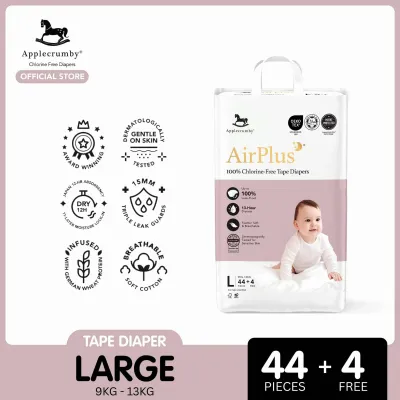
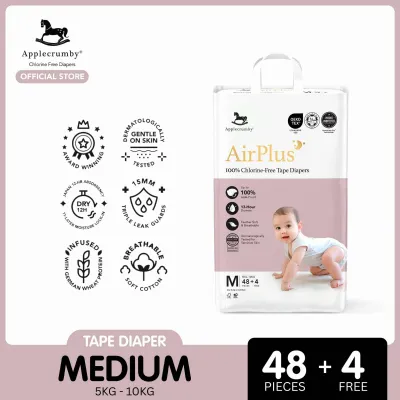
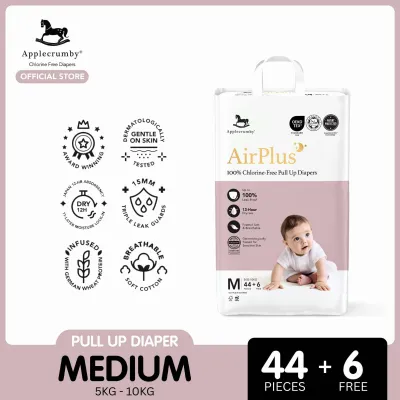
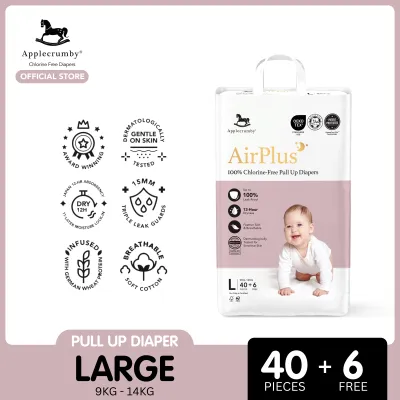
Prices are valid at publication and may change. Please refer to the product page for the latest price.
Furthermore, sizing can vary slightly between different clothing lines, collections, or garment types within the same brand. A sleepsuit designed for snug, safe sleep may have a more fitted silhouette than a relaxed-fit romper intended for active daytime play. Woven cotton items will naturally feel less forgiving than stretchy ribbed knits. For this reason, you should never assume that your baby wears the same size across all Applecrumby items. Always check the specific size chart associated with the exact product you are planning to purchase.
How to Measure Your Baby Accurately
Taking accurate measurements of a squirming, active baby can feel like a challenge, but having the right tools and approach makes the process simple and stress-free. To begin, you will need a soft, flexible sewing measuring tape and a flat, secure surface. A clean changing table, a firm play mat, or even a clean bed works well. Avoid using metal construction measuring tapes, as they have sharp edges that can scratch delicate skin and do not bend easily around a baby’s natural curves.

To measure your baby’s height or length, lay them flat on their back on your chosen surface. Gently extend one of their legs so it is straight, and use the measuring tape to measure from the very top of their head down to the bottom of their heel. If your baby is highly active or prone to rolling, having a partner or family member gently hold their shoulders or distract them with a toy can make this step much easier and more accurate.
For the chest measurement, wrap the flexible tape around the fullest part of your baby’s chest, keeping it just under their armpits. Ensure the tape is flat against their body and parallel to the floor. The tape should be snug but not tight; a good rule of thumb is to ensure you can easily slip two fingers flat underneath the tape. This extra space guarantees that the finished garment will not restrict your baby’s breathing or chest expansion when they laugh, cry, or breathe deeply.
When measuring the waist and hips, wrap the tape around the natural waistline, which is typically located just above the belly button. For the hips, measure around the widest part of your baby’s bottom. If your baby is wearing a diaper during this process, note whether it is a fresh, thin diaper or a bulkier overnight diaper. To get the most accurate baseline measurements, it is best to measure your baby directly on their skin or while they are wearing a very thin, single-layer bodysuit.
To keep your baby calm and cooperative, turn the measurement session into a fun, interactive game. Sing a favorite nursery rhyme, make gentle tickling motions with the measuring tape, or let them hold a safe, colorful toy to keep their hands occupied. If your baby becomes fussy or starts crying, it is best to pause, comfort them, and try again later when they are relaxed and well-rested.
Matching Measurements to the Official Size Chart
Once you have recorded your baby’s measurements in centimeters or inches, the next step is to locate the official size chart. This chart is typically found on the specific product page of the brand’s official website or authorized online store. Avoid relying on generic, third-party size charts found on general parenting blogs, as these may not reflect the brand’s current manufacturing standards or specific collection cuts.
When reviewing the size chart, you may find that your baby’s measurements do not fall neatly into a single size column. For instance, your baby’s weight might align with the 6-9 months category, while their height matches the 9-12 months range. In these situations, you should almost always prioritize the larger measurement. For one-piece garments like rompers, sleepsuits, and footies, height and torso length are the most critical factors. If you choose the smaller size based on weight alone, the garment may be too short, causing it to pull uncomfortably at the shoulders and crotch, which can restrict your baby’s ability to stretch their legs.
For two-piece sets consisting of separate tops and bottoms, you have more flexibility. You can choose different sizes for the top and bottom if your baby’s proportions require it. For example, if your baby has a rounder tummy but shorter legs, you might opt for a larger size in tops to ensure comfort around the chest and waist, while keeping the bottoms in a smaller size to prevent them from dragging on the floor.
Always remember to check the specific garment’s size guide rather than assuming a universal standard across all items. A lightweight summer romper designed for tropical weather may have a looser, more generous cut to promote airflow, while winter-weight sleepwear might be designed to fit snugly for warmth and safety. Taking a few moments to cross-reference your baby’s fresh measurements with the specific product’s chart will save you the hassle of returns and ensure immediate comfort.
Navigating In-Between Sizes and Growth Spurts
Babies grow at an astonishing rate, often experiencing sudden growth spurts overnight. If your baby’s measurements fall directly between two sizes on the chart, the general recommendation is to size up. Choosing the larger size ensures that the garment will fit comfortably for a longer period, giving you better value for your investment. This is especially true for everyday playwear and casual outfits where a slightly loose fit is highly acceptable and even stylish.
However, there are rare occasions when sizing down might be appropriate. If the garment is crafted from an exceptionally stretchy ribbed knit fabric or features an oversized, relaxed silhouette, choosing the smaller size can prevent the outfit from looking overly baggy or slipping off your baby’s shoulders. Sizing down should only be considered if your baby’s measurements are at the very lower end of the smaller size range and the fabric has significant elasticity.
To get the most out of your baby’s wardrobe, look for garments that feature adjustable design elements. Many high-quality baby clothes are designed with growth in mind, incorporating features like double rows of snap buttons at the crotch, highly elastic waistbands, rollable cuffs on the sleeves and legs, or adjustable shoulder straps. These thoughtful details allow you to customize the fit of the garment as your baby grows, effectively bridging the gap between sizes and extending the lifespan of their favorite outfits.
Adjusting for Garment Style and Fit
The design, cut, and style of a garment significantly influence how a specific size will fit your baby’s body. One-piece outfits, such as rompers and sleepsuits, require a generous fit through the torso to accommodate active movement like crawling, rolling, and sitting. If the torso length of a one-piece is even slightly too short, it can pull tightly against the shoulders and crotch, causing discomfort and limiting your baby’s range of motion.
In contrast, dresses, tunics, and loose-fitting separates offer much more flexibility. Because these styles do not wrap around the entire torso, you do not need to worry as much about torso length. Instead, focus primarily on securing a comfortable fit around the chest, shoulders, and waist. A dress that is slightly too large can often be worn as a tunic as your baby grows, providing excellent versatility.
Fabric properties also play a vital role in determining the ideal fit, particularly in the warm and humid climate of the Philippines. Pure woven cotton fabrics do not stretch, meaning you should choose a slightly looser fit to ensure your baby can move freely without the fabric binding or pulling. On the other hand, stretchy cotton-spandex blends or soft bamboo knits are highly elastic and can fit closer to the body while still allowing complete freedom of movement. Loose-fitting, breathable fabrics are highly recommended for tropical weather to allow air to circulate, keeping your baby cool and dry.
Finally, never forget to account for diaper bulk when choosing sizes for bottoms, rompers, or sleepsuits. Diapers add significant volume to your baby’s hip and rise measurements. If your baby wears thick overnight disposable diapers or bulky pocket cloth diapers, they will require extra room in the seat and thighs of their clothing. If your baby’s measurements are on the boundary between two sizes, the added bulk of their diaper is often the deciding factor that makes sizing up the best choice for overall comfort.
Frequently Asked Questions (FAQ)
Does Applecrumby clothing run true to size?
While many parents find that the clothing fits consistently, individual experiences vary based on a baby’s unique body shape and proportions. It is highly recommended to check recent customer reviews on authorized ecommerce platforms or community parenting groups to see if specific collections run slightly large or small. Ultimately, relying on your baby’s physical measurements rather than general fit assumptions is the most reliable way to secure a comfortable fit.
How often should I remeasure my baby?
During the first year of life, babies grow incredibly fast, often changing sizes every few weeks. It is best to remeasure your baby every four to six weeks during this rapid growth phase. Additionally, always take fresh measurements right before making a major clothing purchase or updating their wardrobe for a new season to avoid buying items that they will quickly outgrow.
Community discussion
Share your experience or ask a question. Comments are reviewed before publication.