
Choosing the right swaddle for a newborn in the Philippines requires balancing safety, ease of use, and climate suitability. In a tropical environment characterized by high temperatures and humidity, selecting a swaddle that prevents overheating while keeping your baby secure is essential for safe sleep. The ideal swaddle should feature lightweight, breathable fabric, support healthy hip development, and offer secure fasteners that will not loosen during the night. By understanding the different swaddle designs and verifying key manufacturer specifications, you can select a safe and comfortable option tailored to your baby’s needs.
To make an informed decision, parents must evaluate how different swaddle styles perform under local conditions. Whether you prefer a traditional wrap that adjusts to your baby’s growth or a structured zip-up design for quick nighttime diaper changes, prioritizing safety standards and proper fit is paramount. This guide outlines the essential features to look for, compares the most common swaddle types, and provides a practical checklist to help you build a reliable shortlist.
Key Safety and Comfort Features to Look For
When selecting a swaddle for a newborn in a tropical climate like the Philippines, fabric breathability is the most critical factor. Newborns cannot regulate their body temperature as efficiently as adults, making them highly susceptible to overheating. Heavy synthetic fabrics or tightly woven materials can trap heat and moisture, leading to discomfort, heat rash, or more severe sleep safety risks. Look for open-weave fabrics such as cotton muslin or bamboo-derived viscose, which allow air to circulate freely and help wick moisture away from your baby’s skin.
Products mentioned in this guide
![[Teeker]Newborn Baby Swaddle Wraps Cotton Four Seasons Sleeping Bags Cartoon Anti Startle Anti Kick 360° Wrapped 30x60CM Bed Accessories For Neonate Infant 0-3 Months](https://img.lazcdn.com/g/p/15421bddd6075ef1332eb00e5cf69036.png_400x400q80.png_.webp)
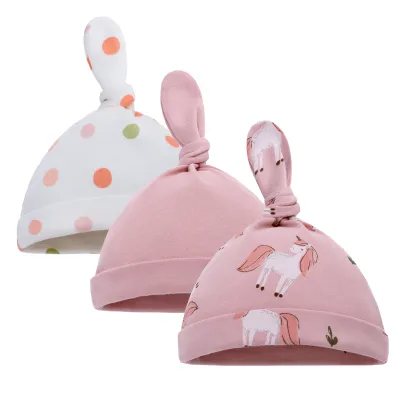
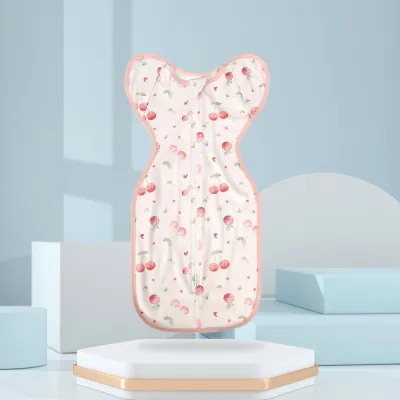
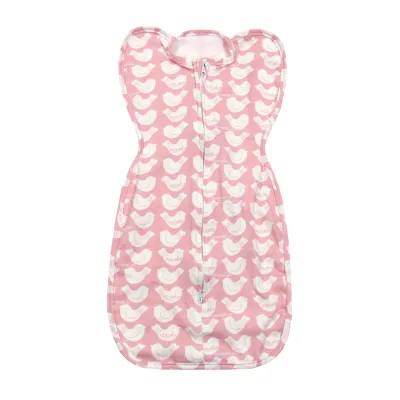
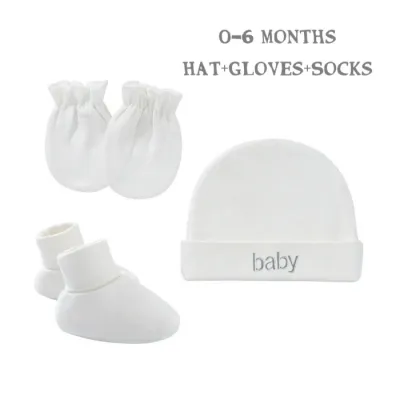
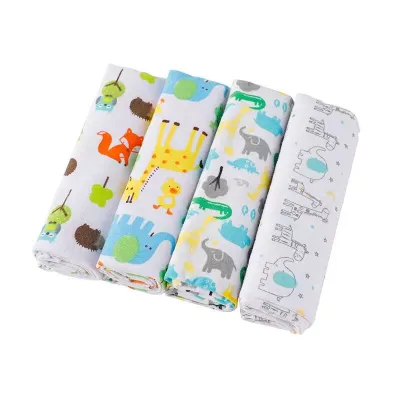
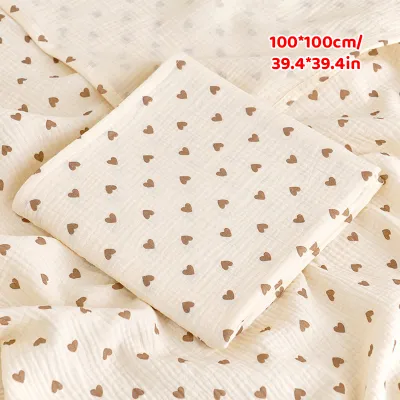
Prices are valid at publication and may change. Please refer to the product page for the latest price.
To gauge the warmth of a swaddle, pay close attention to its Thermal Overall Grade (TOG) rating, which measures the thermal resistance of textiles. For the warm and humid climate of the Philippines, a low TOG rating between 0.2 and 0.5 is generally recommended for non-air-conditioned rooms. If your nursery is consistently air-conditioned, a slightly higher TOG rating of up to 1.0 may be appropriate. Always monitor your baby for signs of overheating, such as a damp neck, flushed cheeks, rapid breathing, or heat rash, and adjust their clothing layers accordingly.
Hip health is another non-negotiable safety consideration when choosing a swaddle. A newborn’s hip joints consist of soft cartilage that is highly malleable and easily displaced. Swaddles that wrap too tightly around the lower body, forcing the baby’s legs straight down and pressed together, can increase the risk of developmental dysplasia of the hip. A hip-healthy swaddle must be loose and wide enough at the bottom to allow the baby’s legs to bend up and out at the hips in a natural “frog-leg” position, allowing free movement of the knees and hips.
Secure fastening mechanisms are essential to prevent the swaddle from unraveling during sleep. If a swaddle comes undone, the loose fabric can easily migrate upward and cover the baby’s nose and mouth, presenting a serious suffocation hazard. High-quality hook-and-loop fasteners, secure snaps, or self-locking zippers help ensure the swaddle remains intact throughout the night. When evaluating these fasteners, ensure they are sturdy enough to withstand the baby’s natural startle reflex without slipping or popping open.
Finally, always verify the manufacturer’s labels, care instructions, and safety warnings before making a purchase. Reliable brands provide clear guidelines regarding the minimum and maximum weight and height limits for each size. Never rely solely on generic age labels like “newborn” or “0-3 months,” as babies grow at highly individual rates. Checking these specifications directly on the product packaging ensures a snug, secure fit that aligns with your baby’s current physical development.
Comparing Swaddle Types for Different Needs
Traditional Muslin Wraps
Traditional muslin wraps consist of large, single-layer squares of breathable cotton or bamboo fabric. Because they do not feature built-in fasteners, they rely entirely on specific folding techniques to secure the baby. This design offers maximum versatility, as the wrap can be adjusted precisely to your baby’s body shape and can also double as a nursing cover, stroller shade, or play mat. However, traditional wraps have a steep learning curve, and active babies may wiggle free if the fold is not executed securely.

Hook-and-Loop Swaddles
Hook-and-loop swaddles feature adjustable fabric wings that wrap around the baby’s chest and arms, securing firmly with hook-and-loop strips. These swaddles are highly popular for their convenience, allowing parents to achieve a snug, secure fit in seconds without mastering complex folding methods. The primary drawback is that the sound of peeling the hook-and-loop strips can sometimes startle a sleeping baby during nighttime diaper changes. Additionally, the fasteners can lose their grip over time if they accumulate lint during washing.
Zip-Up Swaddles
Zip-up swaddles are structured sleep sacks that enclose the baby’s body and arms, securing with a simple zipper closure. Many of these designs feature a two-way zipper, which allows parents to unzip the bottom half of the swaddle for quick diaper changes while keeping the baby’s arms securely contained. This style minimizes the risk of user error, as there are no wings to fold or adjust. However, because they are less adjustable than wraps, finding the exact size that fits your baby’s current weight and length is crucial.
Transitional Swaddle Sacks
Transitional swaddle sacks are designed for babies who are beginning to show signs of rolling over but still require some security to manage their startle reflex. These swaddles often feature removable wings, zip-off sleeves, or stretchy fabrics that allow for an “arms-up” sleeping position. They provide a safe way to gradually transition your baby from a full swaddle to an arms-free wearable blanket. While highly functional, they are generally more expensive and may not be necessary during the very first weeks of a newborn’s life.
| Swaddle Type | Ease of Use | Climate Suitability | Typical Budget Range (₱) |
|---|---|---|---|
| Traditional Muslin Wrap | Moderate (Requires practice) | Excellent (Highly breathable) | ₱250 – ₱800 |
| Hook-and-Loop Swaddle | High (Quick fastening) | Good (Check fabric thickness) | ₱400 – ₱1,200 |
| Zip-Up Swaddle | High (Simple zipper closure) | Good (Look for low TOG ratings) | ₱500 – ₱1,500 |
| Transitional Swaddle | High (Convertible design) | Good (Verify sleeve options) | ₱600 – ₱1,800 |
Building Your Shortlist: Pre-Purchase Checks
Before purchasing a swaddle from a local baby store or an online marketplace, verifying the exact weight and size limits is essential. A swaddle that is too large can easily slip upward and cover the baby’s face, while one that is too small can restrict breathing and limit hip movement. Always measure your baby’s current weight and length, and compare these figures directly against the manufacturer’s sizing chart. Avoid buying a larger size with the intention of letting your baby “grow into it,” as a snug fit is critical for sleep safety.
Carefully inspect the material composition tags to ensure the fabric is suitable for tropical weather. Look for natural, breathable fibers such as 100% cotton, organic cotton, or bamboo-derived viscose. Avoid heavy synthetic polyester blends, which tend to trap heat and sweat, potentially causing skin irritation or heat rash. If you are shopping online, read the product descriptions thoroughly and look for clear indications of fabric weight, weave type, and breathability ratings.
When shopping on online marketplaces, evaluating seller credibility is vital for ensuring product safety and authenticity. Look for official brand stores, authorized distributors, or sellers with high ratings and positive feedback. Read customer reviews carefully, paying close attention to comments regarding fabric softness, zipper durability, and how well the swaddle holds up after multiple machine washes. Be cautious of listings with generic descriptions, unverified brand claims, or a lack of clear customer photos.
Finally, identify and avoid common product red flags that could compromise your baby’s safety. Avoid swaddles that lack clear care labels, safety warnings, or manufacturer contact information. Inspect the product photos or physical items for rough seams, exposed zippers without protective fabric guards, or loose threads that could wrap around a baby’s fingers or toes. If a product seems poorly constructed or lacks essential safety labeling, it is best to exclude it from your shortlist.
Safe Swaddling Practices and When to Transition
To ensure your newborn sleeps safely, always apply the “two-finger” rule when securing the swaddle around their chest. You should be able to slide two fingers comfortably between the swaddle fabric and your baby’s chest. This ensures the wrap is snug enough to prevent loose fabric from riding up, while still allowing your baby’s chest to expand fully when they breathe or cry. At the same time, ensure the lower half of the swaddle remains loose enough to allow the baby’s hips and knees to bend and move freely.
Always place your swaddled baby to sleep on their back on a firm, flat mattress. Never place a swaddled baby on their side or stomach, as this significantly increases the risk of suffocation. Keep the baby’s sleep environment completely clear of loose blankets, pillows, bumper pads, sleep positioners, or stuffed toys. The swaddle itself should serve as the only necessary layer of bedding to keep your baby warm, eliminating the need for any additional covers.
Knowing when to stop swaddling is critical for your baby’s safety as they grow and develop. You must stop swaddling as soon as your baby shows any signs of attempting to roll over, which can occur as early as two months of age. If a baby rolls onto their stomach while swaddled, they will not have their arms free to push themselves up, creating a severe safety hazard. At the first sign of rolling, immediately transition your baby to an arms-free wearable sleep sack or wearable blanket.
There are certain conditions under which you should stop swaddling immediately and consult a qualified professional. If your baby has been diagnosed with developmental dysplasia of the hip or other joint issues, seek guidance from a pediatrician or pediatric orthopedist before using any swaddle. Additionally, if your baby is unwell, running a fever, or experiencing respiratory difficulties, avoid swaddling them, as it can restrict breathing or worsen overheating. Always prioritize professional medical advice regarding your baby’s specific health and sleep safety needs.
Frequently Asked Questions (FAQ)
Can I use a regular receiving blanket as a swaddle?
While you can use a regular receiving blanket, dedicated swaddles or large muslin wraps are generally safer and easier to secure. Standard receiving blankets are often too small or lack the necessary stretch to create a secure wrap, increasing the risk of the blanket unraveling during sleep. If a blanket comes undone, the loose fabric can easily cover the baby’s face and pose a suffocation hazard. Dedicated swaddles with secure fasteners or large, lightweight muslin wraps designed specifically for swaddling help minimize this risk.
How many swaddles should I buy for a newborn?
For a newborn, having a baseline of three to four swaddles is generally recommended. This quantity allows you to have one swaddle in use, one in the laundry, and one or two clean backups ready for unexpected diaper leaks, spit-ups, or drool. In the humid climate of the Philippines, line-drying fabric can sometimes take longer, so having a few extra backups ensures you are never left without a clean, dry swaddle when bedtime arrives.

Community discussion
Share your experience or ask a question. Comments are reviewed before publication.