
Starting your baby on solid foods is an exciting milestone, but walking down the baby care aisle or browsing online stores in the Philippines can quickly feel overwhelming. With hundreds of colorful options available, finding the right baby spoon and fork set silicone is crucial for a safe and successful transition to solids. The ideal utensils must not only protect your baby’s sensitive gums but also support their developing motor skills as they learn to self-feed.
To make the best choice, parents must look beyond attractive pastel colors and focus on material purity, ergonomic design, and verifiable safety standards. In a tropical climate where humidity can affect kitchen storage and hygiene, selecting high-quality, easy-to-clean silicone is especially important. This guide will walk you through the essential safety checks, design features, and local sourcing strategies to help you choose the perfect first utensil set for your little one.
Quick Guide: What Makes a Silicone Utensil Set Safe and Effective
When introducing solids, the safety of the material that enters your baby’s mouth is your absolute priority. A high-quality silicone utensil set must be made from 100% food-grade silicone, which is naturally free from harmful plasticizers, heavy metals, and chemical endocrine disruptors. Unlike hard plastic or metal, soft silicone gently cushions your baby’s tender gums and emerging teeth, reducing the risk of accidental self-injury during enthusiastic feeding sessions.
Products mentioned in this guide
![[PLE]Baby Silicone Spoon and Fork Set 100% Food Grade Silicone BPA Free Infant Toddlers Material Infant Learning Tableware](https://img.lazcdn.com/g/p/b74e64c7ffc6988a14f9f9386c060b5e.jpg_400x400q80.jpg_.webp)
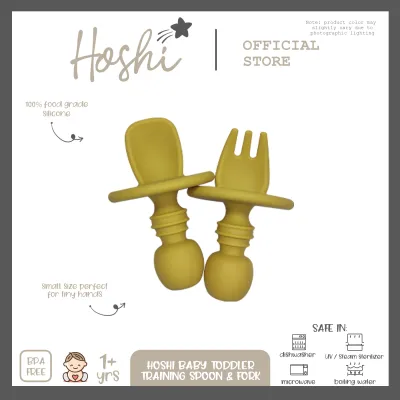
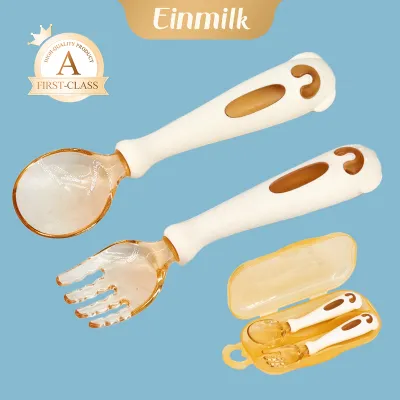
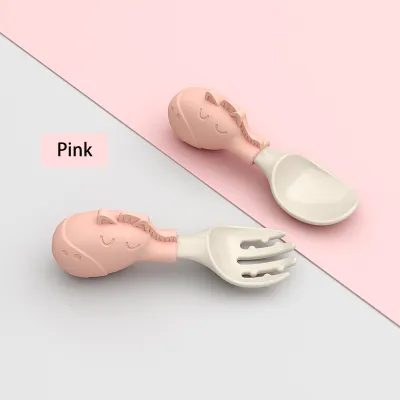
Prices are valid at publication and may change. Please refer to the product page for the latest price.
Beyond material safety, the physical design of the utensils dictates how easily your baby can transition from liquid feeding to solids. Early self-feeding requires utensils designed specifically for a baby’s limited motor skills, featuring short, chunky handles that are easy to grasp and shallow spoon bowls that hold manageable portions. These features prevent overfilling and minimize the risk of gagging, allowing your baby to explore new textures at their own pace.
However, because online marketplaces are flooded with unbranded and potentially substandard products, you cannot rely solely on product titles or online descriptions. It is essential to verify manufacturer claims by examining physical packaging labels, checking for official distributor stickers, and purchasing from authorized brand stores. Taking these steps ensures that the utensils you bring into your home are genuinely safe for daily use.
Material Safety: How to Verify Food-Grade Silicone and Certifications
Silicone is a synthetic polymer favored for baby products because of its flexibility, heat resistance, and inert nature. However, not all silicone products are manufactured to the same standards of purity. When shopping for your baby’s first spoon and fork set, understanding the difference between standard food-grade silicone and medical-grade silicone can help you make an informed decision. While food-grade silicone is the standard baseline for kitchenware, medical-grade silicone undergoes more rigorous testing and purification processes, making it highly resistant to bacterial growth and chemical leaching.

To ensure the utensils are safe, you should look for recognized international safety certifications printed directly on the product packaging or detailed on the manufacturer’s official website. The most common standards are established by the United States Food and Drug Administration (FDA) and the German Food and Feed Code (LFGB). LFGB testing is generally considered more stringent, as it requires tougher testing methods to ensure no chemical transfer occurs between the silicone and food. When inspecting packaging, look for clear certification marks or statements indicating compliance with these regulatory bodies.
A common issue with low-cost silicone utensils is the use of cheap plastic fillers during manufacturing to reduce production costs. These fillers can compromise the safety and durability of the product, potentially releasing chemicals when exposed to high heat or acidic foods. To check for fillers at home, you can perform a simple visual and physical test known as the “pinch test.” Firmly pinch and twist a flat section of the silicone utensil; if the bent portion turns white, it often indicates the presence of plastic fillers. Pure, 100% food-grade silicone will retain its color throughout the bend. While this test is a helpful initial indicator, it has limitations and should not replace official certification checks.
Additionally, always verify that the product packaging carries explicit declarations such as “BPA-free,” “PVC-free,” and “phthalate-free.” Bisphenol A (BPA), polyvinyl chloride (PVC), and phthalates are chemical additives historically used in plastics that have been linked to developmental and health concerns in infants. Because babies frequently chew on their utensils during teething, ensuring the complete absence of these substances is non-negotiable. Always look for these specific labels on the physical product insert or the outer box rather than relying on unverified online listings.
Ergonomic Design: Matching Utensil Shapes to Early Motor Skills
As babies begin their solid food journey, usually around six months of age, their hand-eye coordination and grip strength are still developing. Standard adult-sized utensils or even poorly designed toddler spoons can frustrate a baby and hinder their self-feeding progress. Choosing utensils with ergonomic designs tailored to early motor skills makes the learning process smoother and more enjoyable for both caregiver and child.
During the initial stages of self-feeding, babies use a “palmar grasp,” wrapping their entire fist around an object rather than using their fingers. To accommodate this natural grip, look for spoon and fork sets with short, thick, and chunky handles. Textured surfaces, such as raised ridges or silicone bumps on the handle, provide extra friction, preventing the utensil from slipping out of sweaty or food-covered hands. These short handles also make it easier for the baby to guide the food successfully from the bowl to their mouth without losing balance.
The design of the spoon bowl itself is equally critical for successful feeding. A baby’s mouth is small, and their swallowing reflex is still adapting to textured foods. Choose a spoon with a shallow and narrow bowl that holds only a tiny, age-appropriate portion of food. Deep spoon bowls can trap food, making it difficult for the baby to clear the spoon with their lips, which can lead to frustration or overfeeding. A shallow bowl allows the baby to easily sweep the food off with their upper lip, promoting proper oral motor development.
When evaluating the fork in the set, safety must be your primary concern. Traditional metal forks have sharp tines that can easily scratch a baby’s delicate gums, tongue, or palate. The ideal baby fork should feature blunt, rounded silicone prongs that are firm enough to pierce soft foods like steamed sweet potatoes or bananas, yet soft enough to bend under pressure. This balance ensures the baby can practice the stabbing motion of fork-feeding without any risk of oral injury.
Many modern silicone utensil sets also incorporate built-in choke guards, which are wide, circular collars located between the handle and the utensil head. These guards act as physical barriers, preventing the baby from inserting the spoon or fork too far into their mouth and triggering a severe gag reflex or choking hazard. While a choke guard is an excellent safety feature, it does not replace active adult supervision; always watch your baby closely during every mealtime.
Building Your Shortlist: Sourcing Reliable Sets in the Philippines
Navigating the local market in the Philippines requires a strategic approach to avoid counterfeit or substandard baby products. With the rise of online shopping, parents have access to thousands of imported goods, but not all of them meet local or international safety standards. To build a reliable shortlist, prioritize purchasing from verified official brand stores, authorized local distributors, or reputable physical baby boutiques and department stores. These retailers are legally responsible for the safety of the products they sell and are more likely to stock genuine, certified items.
When browsing online marketplaces, learn to identify red flags that suggest a product may be counterfeit, unbranded, or of low quality. A primary warning sign is suspiciously low pricing; for instance, a complete silicone spoon and fork set priced significantly below the average market rate (such as under ₱100) should be approached with caution. Other red flags include the lack of original branded packaging, missing manufacturer contact details, and the absence of local distributor information on the label. Investing a bit more in a reputable, verified brand ensures you are receiving genuine food-grade silicone.
As you compare different options, consider whether a bundled set or individual pieces make the most sense for your family’s needs. Many brands offer convenient bundles that include a travel storage case, multiple spoon sizes for different stages of solids, or matching silicone bowls and bibs. A travel case is particularly valuable in the Philippines, helping to keep utensils clean and hygienic when dining out or visiting family. If your baby is just starting with purees, a simple two-pack of starter spoons may suffice, whereas a baby transitioning to self-feeding finger foods will benefit more from a coordinated spoon and fork set.
Finally, make use of customer feedback, but filter reviews critically. Look for detailed reviews from local buyers that specifically mention the presence of chemical odors, the durability of the silicone after multiple sterilization cycles, and whether the product matches the seller’s descriptions. Be wary of generic, overly positive reviews that lack detail, and focus instead on feedback that describes how the utensils performed during actual daily use. This practical insight will help you narrow down your choices to the most reliable and durable sets available.
Cleaning and Maintenance: Keeping Silicone Utensils Safe Over Time
Proper maintenance is essential to keep your baby’s silicone utensils hygienic and prolong their lifespan, especially in the warm, humid climate of the Philippines. High humidity can encourage the growth of mold and bacteria if utensils are not dried and stored correctly. Fortunately, high-quality silicone is naturally non-porous and resistant to microbes, making it relatively easy to clean when you follow the correct care routines.
For daily cleaning, washing the utensils in warm, soapy water using a mild, baby-safe dishwashing liquid is usually sufficient. If you use a dishwasher, place the silicone utensils on the top rack to keep them away from the heating element, which can sometimes exceed safe temperature limits. Avoid using abrasive scrubbing pads or harsh steel wool, as these can create microscopic scratches on the silicone surface. These tiny crevices can trap food particles, soap residue, and bacteria, compromising the hygiene of the utensil.
While silicone is highly heat-resistant, sterilization methods must be used with caution. Many manufacturers approve boiling, steam sterilization, or UV sterilization, but each method has its limits. Exceeding the recommended temperature thresholds or exposure times can degrade the silicone matrix over time, causing it to become brittle, sticky, or prone to tearing. Always consult the specific product’s care label or instruction manual before subjecting the utensils to high-heat sterilization, and avoid unnecessary daily sterilization once the baby is past the early infancy stage.
Regularly inspect your baby’s spoon and fork set for physical signs of wear and tear. Over time, exposure to heat, oils, and UV light can cause silicone to degrade. Inspect the utensils before every meal, looking for stickiness, deep discoloration that does not wash away, or micro-tears along the edges of the spoon bowl or fork prongs. If you notice any of these signs, or if a piece of the silicone feels loose or damaged, stop using the set immediately and replace it to prevent any choking hazards.
Frequently Asked Questions (FAQ)
Can I use regular silicone spoons instead of baby-specific ones?
No, you should not use regular adult-sized silicone spoons for babies starting solids. Adult utensils feature long handles and deep, wide bowls designed for mature oral anatomy and motor control. When used with an infant, these large designs pose a significant risk of gagging, choking, or injuring the baby’s delicate gums. Baby-specific silicone spoons are engineered with short, chunky handles for easy gripping and shallow, narrow bowls that fit safely inside a baby’s small mouth, ensuring a safe and comfortable feeding experience.
How do I remove food stains or odors from silicone utensils?
Silicone can occasionally absorb strong food odors or develop stains from brightly colored foods like carrots, squash, or tomato-based purees. To safely remove these without damaging the material, create a paste using baking soda and warm water, apply it to the stained or smelly areas, and let it sit for several hours before rinsing thoroughly. Alternatively, placing the clean utensils in direct sunlight for a few hours can naturally neutralize stubborn odors and fade stains. Avoid using harsh chemical bleach or abrasive scrubbers, as these can degrade the silicone and leave harmful residues.
Community discussion
Share your experience or ask a question. Comments are reviewed before publication.