
Finding the right refrigerator lock with a key is a critical step in home baby-proofing, especially as toddlers develop the cognitive and motor skills to bypass simple latches. In Filipino households, the kitchen is often the heart of the home, filled with activity, warmth, and unfortunately, potential hazards for a curious child. A refrigerator contains heavy glass bottles, raw ingredients, and small items that pose choking risks, making it a primary target for an exploring toddler. While basic plastic latches might deter a younger infant, older toddlers quickly learn to mimic adult movements, rendering simple press-and-slide mechanisms ineffective.
Selecting a reliable locking mechanism requires evaluating your appliance’s surface, understanding how tropical humidity affects adhesive strength, and establishing a secure key management routine. A heavy-duty refrigerator lock with a physical key offers a robust, mechanical barrier that curious fingers cannot bypass without the proper tool. By focusing on durable materials, proper installation techniques, and routine maintenance, you can create a secure environment that keeps your child safe while maintaining convenient access for caregivers.
Why a Key-Lock Mechanism Matters for Toddler Safety
Toddlers undergo rapid cognitive development between twelve and twenty-four months, during which they become highly skilled at observation and imitation. They watch caregivers open the refrigerator doors dozens of times a day, quickly learning that pressing a specific button or sliding a plastic strap grants access to the cold treasures inside. Simple childproofing latches that rely on basic friction or single-button releases are often solved by a determined toddler within a matter of days, leaving your food and your child exposed to risk.
Products mentioned in this guide
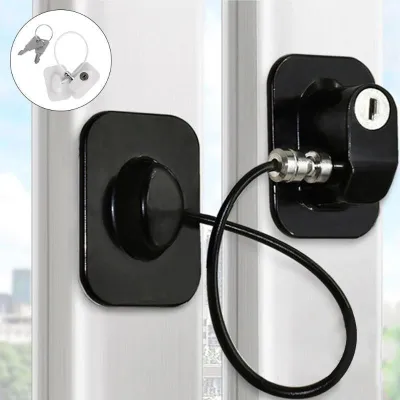
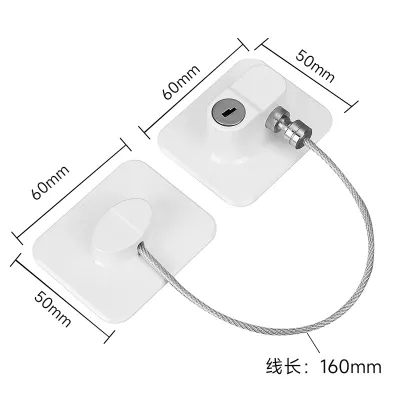
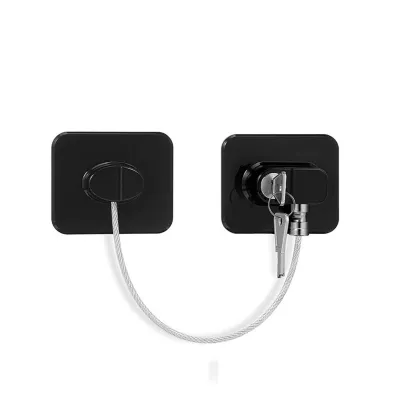
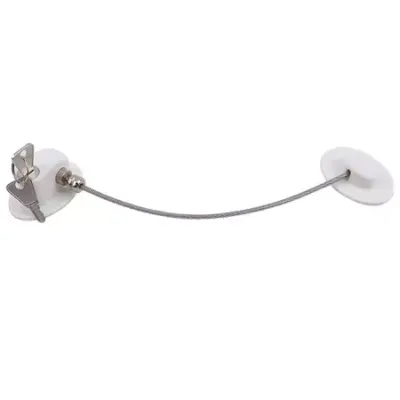
Prices are valid at publication and may change. Please refer to the product page for the latest price.
A key-lock mechanism introduces a tool-based barrier that completely removes the possibility of a child figuring out the puzzle. Without the physical key, the lock remains engaged regardless of how much force, cleverness, or persistence the child applies. This mechanical certainty provides invaluable peace of mind for parents and busy caregivers who may need to step away for a moment to attend to other household tasks.
Beyond preventing access, a key-operated lock addresses the serious risk of accidental lock-ins. Some commercial-grade latches or heavy-duty automatic locks can snap shut unexpectedly, potentially trapping a child inside or locking caregivers out during an emergency. A key-lock system ensures that the locking state is deliberate and controlled, preventing accidental engagement while keeping the appliance firmly shut when required.
Implementing a key-lock system also encourages disciplined safety habits among adult household members. Because the lock requires a physical key to open, caregivers are prompted to be more mindful of kitchen security. This structured approach reduces the likelihood of leaving the refrigerator door slightly ajar, which can spoil food and waste electricity in warm tropical climates.
Key Features to Evaluate When Buying a Fridge Lock
When browsing online marketplaces or local baby specialty stores, the sheer variety of safety locks can be overwhelming. To find a reliable option, start by evaluating the durability of the lock body and the tensile strength of the cable. High-quality locks typically feature aircraft-grade steel cables coated in a thick layer of protective vinyl, which prevents the metal from scratching your appliance while ensuring it cannot be cut or snapped by household tools.

Key management is another critical factor to consider before making a purchase. Most reputable key-lock packages include at least two keys, allowing you to keep one in active use and one safely stored as a backup. Look for locks that use standard cylindrical or flat keys that are easy for adults to handle but difficult for children to replicate or manipulate with toys or hairpins.
Physical dimensions must match your specific refrigerator configuration. Measure the gap between your refrigerator doors if you have a double-door (French door) model, or the distance from the front door to the side panel if you have a single-door unit. The cable must be long enough to span this distance comfortably without being so loose that the door can still open wide enough for a small hand to slip inside and pull down heavy items.
Finally, pay close attention to the mounting mechanism. Most residential refrigerator locks rely on heavy-duty adhesive pads to secure the anchor plates to the appliance. Look for products that utilize high-bond industrial adhesives, such as double-sided acrylic foam tape, which are designed to withstand high pull forces. If you require an ultra-secure, permanent solution, verify whether the lock plates feature pre-drilled holes that allow for secondary screw-mounting, keeping in mind the structural limitations of your appliance.
Installation and Surface Compatibility Checks
Proper installation is just as important as the quality of the lock itself. Before applying any adhesive pads, you must prepare the refrigerator surface thoroughly to ensure a maximum bond. Clean the designated area with isopropyl alcohol to remove grease, fingerprints, and kitchen grime; avoid using household glass cleaners or soapy water, as these can leave a thin, slick residue that prevents the adhesive from sticking properly.
In the Philippines, high relative humidity and warm ambient temperatures can significantly affect how adhesives cure. Once you press the adhesive pads firmly onto the clean refrigerator surface, you must allow them to cure completely before applying any tension or locking the cable. For best results, let the adhesive cure undisturbed for at least 24 to 72 hours, allowing the chemical bond to reach its maximum strength in the tropical climate.
While adhesive mounts are suitable for most households, certain conditions may prompt you to consider mechanical screws. If your refrigerator has a heavily textured exterior, or if previous adhesive locks have failed due to extreme humidity, screws offer a permanent mechanical hold. However, you must consult your appliance’s user manual before drilling into the casing, as puncturing a hidden cooling line or electrical wire will permanently damage the refrigerator and void its manufacturer warranty.
If you live in a rental property or plan to upgrade your appliance in the future, safe removal techniques are essential to preserve the refrigerator’s finish. To remove an adhesive lock without peeling the paint or leaving a stubborn residue, apply gentle heat to the plastic anchor plate using a hair dryer on a low setting. Once the adhesive softens, slowly saw through the foam backing using a piece of dental floss or a plastic scraper, then clean any remaining residue with a mild adhesive remover.
Comparison Matrix: Key-Lock vs. Alternative Childproofing Methods
To help you determine if a key-lock is the most suitable choice for your home, it is helpful to compare it against other common childproofing options available on the market. Each method offers distinct trade-offs regarding security, convenience, and installation effort.
| Lock Type | Toddler Resistance | Adult Convenience | Installation Effort | Primary Risk |
|---|---|---|---|---|
| Key-Lock | High | Moderate | Low (Adhesive) | Losing the physical key |
| Combination Lock | High | Moderate | Low (Adhesive) | Forgetting the code |
| Magnetic Lock | Moderate to High | High | Moderate | Misplacing the magnetic key |
| Simple Strap Latch | Low to Moderate | High | Low (Adhesive) | Toddler cracking the plastic or learning the button mechanism |
While simple strap latches are highly convenient and inexpensive, they are best suited for younger infants who have not yet developed advanced problem-solving skills. Once a child reaches toddlerhood, their physical strength and curiosity make the key-lock or combination lock a much safer choice. The key-lock stands out as a highly reliable option because it does not rely on plastic buttons that can degrade over time or be easily bypassed by an observant child.
Your Pre-Purchase and Maintenance Checklist
Before finalizing your purchase and during daily use, keeping a structured checklist ensures your baby-proofing measures remain effective over time. Use the following guidelines to maintain high safety standards in your kitchen:
- Verify Age and Development Warnings: Read the product packaging carefully to ensure the lock is rated for your child's current developmental stage. Most child safety locks are designed for children up to 24 or 36 months of age.
- Budget for Replacement Adhesives: High-quality replacement adhesive pads typically cost between ₱100 and ₱300. Keep a spare set on hand so you can quickly re-secure the lock if the tropical heat eventually weakens the original bond.
- Inspect Lock Integrity Weekly: Gently wiggle the anchor plates to check for any lifting or peeling at the edges. Inspect the steel cable for signs of fraying or cracking in the vinyl coating.
- Monitor Hinge and Door Stress: Ensure that the lock is not installed so tightly that it puts constant, warping stress on the refrigerator door hinges, which can compromise the appliance's cooling seal.
- Establish Stop-Use Conditions: If you observe visible cracks in the plastic housing, a loose cable crimp, or an adhesive pad that has begun to detach, stop relying on the lock immediately and replace the unit to prevent sudden failure.
Frequently Asked Questions (FAQ)
Where is the safest place to store the spare key?
The safest place to store your refrigerator keys is in a high, out-of-sight location that is easily accessible to adults but completely out of reach for children. Avoid leaving the key on top of the refrigerator or on a low magnetic hook nearby, as toddlers are excellent at climbing and scanning their environment for tools. Instead, consider placing the active key on a high shelf, inside a secure cabinet, or on your personal keychain, while keeping the spare key locked away in a designated home safe or drawer.
Can I use a refrigerator lock on a stainless steel or glass finish?
Yes, high-quality adhesive locks are generally compatible with stainless steel and glass finishes, provided the surface is cleaned thoroughly before installation. However, fingerprint-resistant coatings on modern stainless steel appliances can sometimes reduce adhesive grip, requiring a longer curing time or a specialized high-bond tape. For glass-front refrigerators, mechanical drilling is strictly prohibited due to the risk of shattering; always rely solely on adhesive mounts and consult your appliance manufacturer if you are unsure about surface compatibility.
Community discussion
Share your experience or ask a question. Comments are reviewed before publication.