
Finding a reliable way to manage your toddler’s sudden bathroom emergencies is a major priority when traveling. In the Philippines, where long road trips, unpredictable traffic, and remote destinations are common, a portable urinal is an invaluable tool. The best portable urinal for your family is one that features a completely leak-proof seal, fits easily into your travel gear, matches your child’s physical development, and can be cleaned quickly under tropical conditions. By focusing on structural design, material durability, and practical usability, you can keep your outings stress-free and hygienic.
When selecting a travel urinal, it is important to remember that children develop at different rates. Caregivers should always verify the recommended age range, weight limits, and specific method of use from the manufacturer’s official documentation before purchasing. Supervision is essential during use to prevent accidental spills, tipping, or minor injuries. If your child shows signs of physical discomfort, skin irritation, or resistance to using the device, stop using it immediately and consult a qualified pediatrician or healthcare professional.
Recognizing When a Travel Urinal Solves Your Problem
Traveling with a toddler in the Philippines often means spending extended periods in transit. Whether you are navigating the dense traffic of metropolitan highways like NLEX and SLEX, taking a provincial bus ride, or waiting for a ferry during an island-hopping excursion, access to a clean restroom is never guaranteed. In these situations, a portable urinal serves as an immediate backup plan, ensuring you do not have to scramble for a solution when your child suddenly announces they need to go.
Products mentioned in this guide
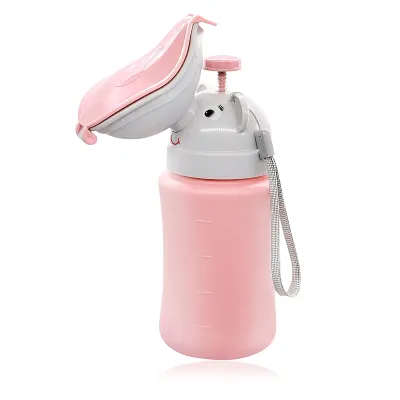
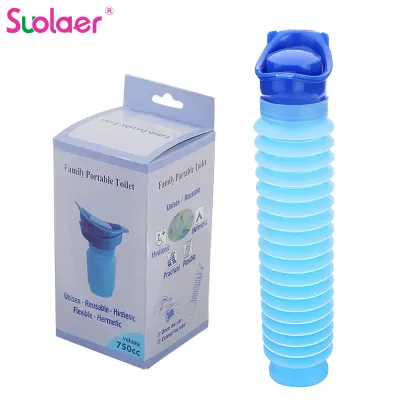
Prices are valid at publication and may change. Please refer to the product page for the latest price.
Toddlers have limited bladder control, and the window between their first physical cue and an actual accident is incredibly short. Unlike older children or adults, a toddler cannot easily wait for the next major highway exit or gas station. Having a dedicated travel urinal within arm’s reach allows you to address their needs safely inside your parked vehicle or in a quiet, discreet corner, preventing stressful accidents and keeping your travel schedule on track.
Hygiene is another critical factor that makes a portable urinal a practical investment. Public restrooms in transit hubs, roadside eateries, or remote beach destinations may lack running water, soap, or proper sanitation. In a warm, humid climate, public facilities can quickly become breeding grounds for bacteria. Using a personal, clean travel urinal eliminates the need to balance your toddler over an unsanitary toilet seat, protecting their sensitive skin from contact with dirty surfaces.
Critical Features to Check Before Buying
To ensure a travel urinal is practical for real-world use, the sealing mechanism must be your top priority. Look for models that feature a multi-layered leak-proof design, such as a thick silicone gasket inside the lid combined with a secure screw-on cap or a push-button lock. Some advanced designs incorporate a one-way valve that allows liquid to flow into the container but prevents it from escaping, even if the bottle is accidentally tipped upside down or squeezed inside a packed diaper bag.

Capacity must be carefully balanced against physical portability. A typical toddler’s bladder holds between 100 and 200 milliliters of fluid, so a urinal with a capacity of 350 to 500 milliliters is generally sufficient for one or two uses before it requires emptying. However, larger containers take up more space in your luggage. Consider your primary mode of travel; if you frequently walk with a stroller or carry a backpack, a compact, lightweight design is preferable, whereas a slightly larger, rigid bottle is highly suitable for keeping in a car’s glove compartment.
Material safety and ease of cleaning are vital for maintaining hygiene over time. Because these products are used in warm, humid environments, you must verify that the manufacturer specifies the use of high-quality, non-toxic, and BPA-free plastics. The interior walls of the urinal should be completely smooth, without any tight corners, deep ridges, or complex internal channels where urine can pool and crystallize. A design that disassembles completely into separate, washable parts will make your daily cleaning routine much more manageable.
Finally, pay close attention to the ergonomic shape of the funnel or entry point. Toddler anatomy requires specific contours to prevent spills and aiming errors. For boys, a deep, wide funnel with an upward-curving splash guard helps direct the stream safely into the bottle. For girls, a wider, boat-shaped opening made of soft, flexible material is necessary to create a comfortable, temporary seal against the skin, minimizing the risk of leaks during use.
Matching Urinal Designs to Your Travel Style
Foldable silicone or funnel-style urinals are excellent options for families who prioritize compact packing. These designs often feature a flexible, collapsible body that can be compressed flat when empty, making them easy to slide into a small purse, diaper bag, or even a large pocket. While highly portable, they require a steady hand and a bit of coordination from the caregiver to hold the funnel in place during use, making them best suited for slightly older toddlers who can stand quietly.
Jug-style or bottle-style urinals are rigid plastic containers that often feature playful, child-friendly designs, such as animal shapes or bright colors, to help reduce any anxiety your toddler might have about using them. These models typically include a built-in handle, a stable flat base that allows them to stand upright on a car floor, and a secure locking cap. This style is highly reliable for road trips, as the rigid structure prevents accidental squeezing and makes it easy for a caregiver to hold the bottle steady inside a moving vehicle.
Potty-style portable seats represent a more versatile, multi-functional category. These units resemble a miniature toilet and can be used either with a removable, washable collection bowl or with disposable, absorbent plastic liners. While they are bulkier than bottle-style urinals, they provide a familiar sitting posture that can be highly comforting for toddlers who are uncomfortable standing up or using a funnel. They are particularly useful as a primary potty chair in hotel rooms, vacation rentals, or campsites where standard toilets are too large or unavailable.
How to Filter and Select the Right Product Online
When browsing online marketplaces, it is easy to be overwhelmed by dozens of similar-looking listings. To build a reliable shortlist, start by verifying the actual physical dimensions of the product rather than relying on promotional photos, which can often be misleading. Check the technical specifications for the exact height, width, and weight of the urinal, and compare these measurements against the size of your diaper bag compartments, stroller baskets, or your vehicle’s cup holders to ensure a seamless fit.
User reviews are an invaluable resource for assessing the real-world performance of a travel urinal. Look past the overall star rating and filter for detailed reviews that specifically mention leak resistance, durability, and ease of cleaning. Pay close attention to feedback from parents who have used the product during long trips or in warm climates. Real-world photos uploaded by buyers can also give you a clearer picture of the plastic’s thickness, the quality of the silicone seals, and whether the colors match the product description.
Another important factor to check is the availability of replacement parts and accessories. A high-quality travel urinal can last for years, but silicone gaskets can degrade, get lost during washing, or develop mold if not dried properly. Check if the seller offers replacement seals, extra lids, or dedicated cleaning brushes designed to fit the narrow neck of the bottle. Purchasing a model that comes with a specialized brush or a dedicated storage pouch can save you the hassle of searching for compatible cleaning tools later.
Finally, compare the price points in ₱ against your expected frequency of use and the overall build quality. Basic plastic funnels can be found for under ₱150, while more advanced, multi-functional travel potties with secure locking mechanisms can cost upwards of ₱800. While a cheaper model may seem attractive for occasional use, investing in a mid-range or premium option with robust seals and thicker plastic is often more cost-effective, as it minimizes the risk of a messy, unhygienic leak inside your travel gear.
Cleaning and Storing the Urinal During Trips
Maintaining a strict cleaning routine while on the go is essential to prevent bacterial growth and unpleasant odors. Always pack a dedicated hygiene kit alongside your travel urinal. This kit should include biodegradable wet wipes for quick cleanups, a travel-sized sanitizing spray, and several small, odor-blocking plastic bags. If you cannot wash the urinal immediately after use, rinse it with a small amount of clean water, secure the lid tightly, and seal the entire device inside an odor-blocking bag until you reach your destination.
When disposing of the urine, always prioritize hygiene and respect for the local environment. Empty the contents of the urinal into a flush toilet at the next available rest stop, gas station, or public restroom. If you are traveling in a remote area or on a nature trail where toilets are unavailable, follow local environmental guidelines and avoid disposing of waste near open water sources, campsites, or public pathways. If you are using a potty-style seat with disposable liners, tie the bag securely and dispose of it in a designated trash bin.
Once you return home or reach a location with running water, perform a thorough deep clean of the device. Disassemble all removable parts, including the silicone seals, valves, and funnels. Wash each component with warm, soapy water using a dedicated bottle brush to scrub away any residue. To sanitize, you can use a mild vinegar solution or a baby-safe sterilizing fluid, making sure to follow the manufacturer’s instructions regarding temperature limits to avoid warping the plastic. Allow all parts to air-dry completely in a well-ventilated, sunny area before reassembling and storing the urinal to prevent mold and mildew from developing in the humid climate.
Frequently Asked Questions (FAQ)
At what age or potty-training stage should I introduce a travel urinal?
You can introduce a travel urinal once your toddler shows consistent signs of bladder control and can communicate the need to urinate before an accident occurs, which typically happens between 18 months and three years of age. Physically, your child should have the motor skills to stand steadily with assistance for bottle-style urinals, or sit comfortably without support for potty-style seats. It is highly recommended to introduce the device at home first, allowing your child to practice using it in a familiar, low-stress environment before attempting to use it during a trip.
Can I use a regular plastic bottle as an emergency urinal?
While a regular plastic beverage bottle might seem like an easy, cost-free alternative in an absolute emergency, it presents several significant drawbacks. Standard plastic bottles have narrow, sharp openings that can easily scratch a toddler’s sensitive skin, and they lack ergonomic splash guards, making spills and splashes highly likely. Furthermore, standard bottle caps do not feature secure, leak-proof silicone gaskets designed for repeated use, meaning a dropped bottle can easily leak inside your vehicle or bag. Investing in a purpose-built travel urinal ensures safety, comfort, and reliable containment.
Community discussion
Share your experience or ask a question. Comments are reviewed before publication.