
Protecting a curious baby from electrical hazards in a Filipino household requires a thoughtful approach to selecting plug socket covers. Because homes in the Philippines often feature a mix of flat two-pin and three-pin outlets at varying heights, finding the right cover involves matching the physical design of your wall outlets with your child’s current developmental stage. The most effective baby-proofing strategy combines secure physical barriers with daily convenience, ensuring that frequently used outlets remain accessible to adults while remaining completely inaccessible to small, exploring fingers. By evaluating your home’s specific electrical layout, understanding the mechanical differences between cover types, and establishing a routine inspection schedule, you can create a reliable shield against electrical accidents.
Understanding Your Home's Electrical Setup
Before purchasing any baby-proofing accessories, you must closely examine the electrical outlets installed throughout your living spaces. In the Philippines, residential properties commonly utilize Type A (two-prong, ungrounded) and Type B (three-prong, grounded) sockets, often configured as duplex wall receptacles. The physical shape of these faceplates can vary significantly, ranging from traditional rectangular designs to modern, flush-mounted square profiles. Measuring the exact dimensions of your faceplates and identifying whether they have center screws or snap-on borders is a critical first step, as many imported socket covers are designed for specific regional standards and may not align perfectly with local installations.
The physical placement of these outlets across your home also dictates the level of protection required. Low-lying wall outlets, which are frequently positioned just a few inches above the floorboards in living rooms and bedrooms, present the most immediate hazard to crawling infants and toddlers. Additionally, you must map out the location of outlets situated behind heavy furniture, such as sofas, television consoles, or cribs. While these outlets might seem naturally blocked, slightly offset furniture can leave small gaps where a curious child might reach, making low-profile or specialized flat-plug covers necessary to prevent both electrical contact and cord damage.
Products mentioned in this guide
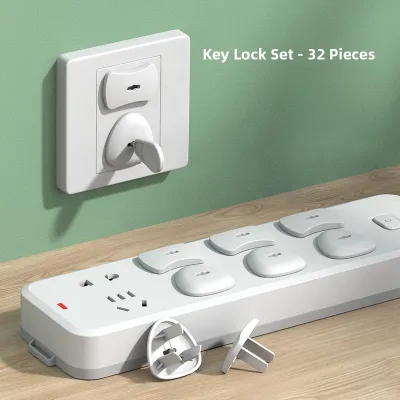
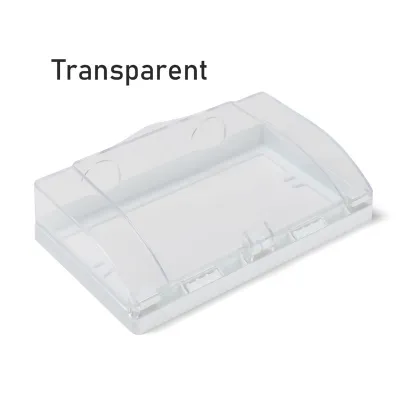
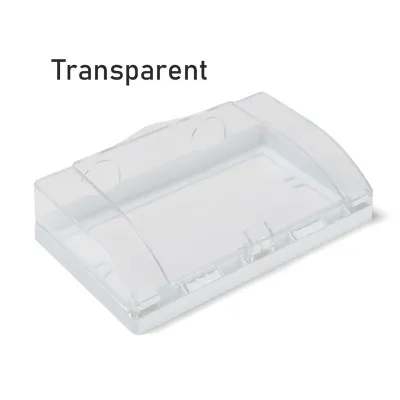
![[Fast Shipping] Wall-mounted Switch Protective Cover Plastic Self-Adhesive Socket Waterproof Box Power Outlet Supplies 118 Type Splash-Proof Box Bathroom](https://img.lazcdn.com/g/p/14949e5517c106e7f950e9456bb46df9.jpg_400x400q80.jpg_.webp)
Prices are valid at publication and may change. Please refer to the product page for the latest price.
Finally, take this opportunity to conduct a thorough safety audit of your existing electrical hardware. Look closely for signs of wear, such as cracked faceplates, loose-fitting receptacles that wobble when a plug is inserted, or scorch marks around the pin slots. If a socket feels loose or if plugs slide out under their own weight, the internal contacts may be worn out, creating a potential fire hazard that external plastic covers cannot fix. Any damaged, loose, or outdated electrical components must be repaired or replaced by a licensed professional electrician before you attempt to install any baby-proofing covers.
Essential Safety and Design Features to Evaluate
When evaluating different plug socket covers, look beyond basic aesthetics and focus on the mechanical design elements that prevent a child from bypassing the barrier. Toddlers are remarkably observant and possess surprising fine motor skills, meaning simple pull-out designs can quickly be figured out through trial and error. Look for covers that incorporate dual-action release mechanisms, which require two distinct physical actions—such as pressing a hidden tab while sliding, or squeezing sides while pulling—to remove. These designs leverage the fact that young children lack the hand strength, finger span, and cognitive coordination required to perform complex, multi-step physical tasks.

Material quality is another critical factor when selecting safety products that will remain in your home for years. Ensure the covers are manufactured from durable, impact-resistant plastics that will not crack or splinter if accidentally kicked or bumped by heavy toys. Because infants often explore their environment by putting objects in their mouths, verify that the materials are non-toxic and free from harmful chemical additives. Additionally, pay close attention to the physical size of any removable parts; any cap or plug that can be easily detached must be large enough that it does not pose a choking hazard if a child manages to remove it or finds a loose one left on the floor.
A practical but frequently overlooked consideration is how the cover interacts with the surrounding wall space and adjacent electrical fixtures. A poorly designed cover might protect one socket but physically block the neighboring outlet, rendering a duplex receptacle half-usable. Similarly, bulky covers can interfere with nearby light switches, decorative wall trim, or the flush placement of furniture against the wall. Choose streamlined designs that fit snugly within the boundaries of the individual socket without overlapping adjacent controls, allowing you to maintain full functionality of your home’s electrical system while keeping your child safe.
Comparing the Main Types of Socket Covers
To choose the right protection for each area of your home, you must understand the distinct advantages and limitations of the three primary socket cover designs available on the market.
Sliding socket covers replace your existing outlet faceplates with a spring-loaded mechanism that automatically slides shut the moment a plug is removed. These are highly recommended for frequently used outlets, such as those in the kitchen or living room where you regularly plug in vacuum cleaners, phone chargers, or seasonal appliances. Because the protective barrier snaps back into place automatically, there is zero risk of forgetting to replace a cover, and there are no loose parts that can be misplaced or swallowed. However, they do require a slightly more involved installation process, as you must unscrew the original faceplate to mount the sliding replacement.
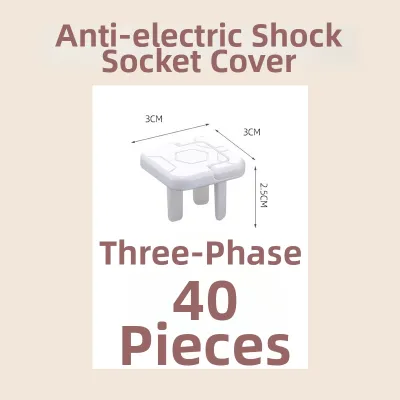
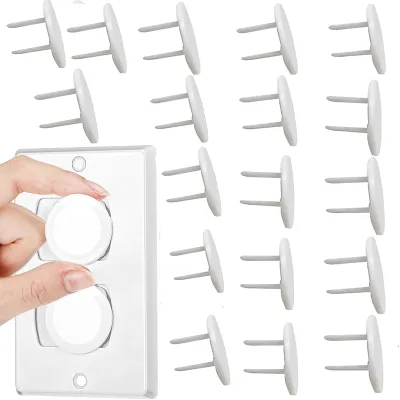
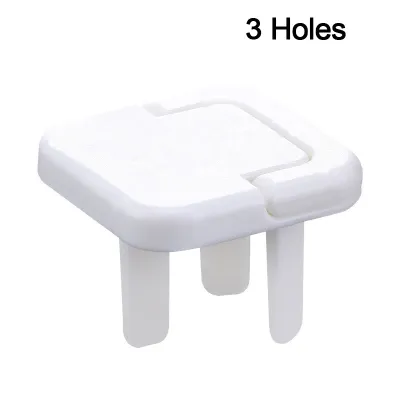
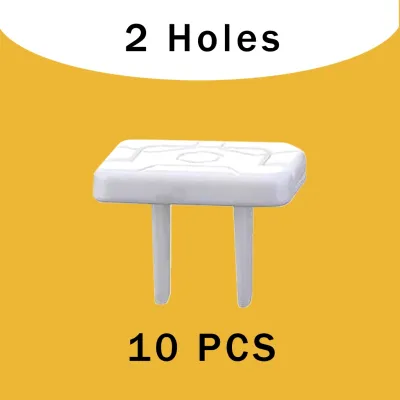
Plug-in cap covers are individual plastic inserts with prongs that fit directly into the socket holes, physically blocking access. They are highly affordable, widely available, and can be installed in seconds, making them a popular choice for quick baby-proofing. However, their primary drawback is that they must be completely removed whenever you need to use the outlet, creating a temporary choking hazard if left on a table or floor, and leaving the outlet completely unprotected if you forget to plug them back in. They are best reserved for rarely used outlets or those completely hidden behind heavy, immovable furniture.
Box and lock covers are large, protective enclosures that fit over the entire outlet, shielding both the socket and any plugged-in cords. These are indispensable for outlets powering essential, continuously running appliances like refrigerators, water dispensers, or home entertainment systems. Children are often tempted to pull on dangling power cords, which can damage the appliance, pull heavy objects off shelves, or expose live electrical contacts. A secure box cover locks the plugs inside a protective dome, allowing the appliance to remain powered while keeping the physical plug and socket completely out of your child’s reach.
| Cover Type | Ideal Use Case | Adult Convenience | Security Level |
|---|---|---|---|
| Sliding Covers | Frequently used outlets, kitchens, hallways | High (automatic closing) | High (permanent fixture) |
| Plug-in Caps | Rarely used outlets, hidden wall sockets | Low (must remove and store) | Medium (risk of child removal) |
| Box & Lock Covers | Continuously plugged appliances, floor outlets | Medium (requires unlocking) | Very High (shields cords and plugs) |
Building Your Condition-Based Shortlist
Creating an effective baby-proofing plan requires a room-by-room assessment rather than a one-size-fits-all purchase. Begin by counting the total number of outlets in your home and categorizing them by their frequency of use and accessibility. For high-traffic areas like the living room and play zones, prioritize sliding covers that offer continuous protection without disrupting your daily routine. For outlets dedicated to major appliances that remain plugged in indefinitely, allocate box covers to secure the cords. This targeted approach ensures you do not overspend on complex enclosures where simple caps would suffice, while guaranteeing that high-risk areas receive the robust protection they require.
Your child’s current developmental stage and physical abilities should also heavily influence your product selection. A crawling infant who is just beginning to explore the floorboards has different reach and strength capabilities compared to a determined two-year-old toddler with advanced grip strength and problem-solving skills. If you notice your child showing intense curiosity toward wall outlets or attempting to mimic your actions when you plug in devices, transition away from basic plug-in caps to more secure sliding or locked box covers. Regularly observing how your child interacts with their environment allows you to upgrade your defenses before they manage to bypass them.
When finalizing your shopping list, verify the physical specifications of the covers against the exact measurements of your home’s outlets. Look for bulk packaging options to manage the overall cost, as baby-proofing an entire home can quickly add up. Expect to invest anywhere from ₱150 to ₱800 per pack depending on the complexity and material quality of the covers. While budget is an important consideration, prioritize durable construction and secure locking mechanisms over the cheapest available options, as high-quality covers will withstand daily wear and tear much longer, providing reliable protection throughout your child’s early years.
Installation, Maintenance, and When to Stop
Proper installation is vital to ensure that your chosen socket covers function exactly as intended. For sliding covers, carefully align the replacement faceplate with the internal mounting bracket before tightening the screws, ensuring you do not overtighten and crack the plastic housing. When inserting plug-in caps, push them firmly until they sit completely flush against the faceplate, leaving no visible gaps or protruding edges that a child’s fingernails could grip. Avoid using excessive force, as this can damage the internal contacts of your outlet or crack the protective cover itself.
Baby-proofing is not a set-and-forget task; it requires ongoing maintenance and regular inspections to remain effective. Establish a monthly routine to physically check every cover in your home for signs of wear, such as hairline cracks in the plastic, weakened springs in sliding mechanisms, or loose adhesive on box locks. Test the resistance of the covers yourself to ensure they still require a level of dexterity and strength that a child cannot muster. If you discover any damaged, loose, or easily removable covers, replace them immediately to prevent any lapse in safety.
There are specific situations where you must immediately halt your baby-proofing efforts and seek professional assistance. If you notice any warmth radiating from a faceplate, hear faint buzzing or sizzling sounds, smell a distinct burning odor, or observe sparks when inserting a plug, do not attempt to cover the outlet. These are critical warning signs of faulty wiring, overloaded circuits, or damaged internal components. Keep children far away from the area and immediately contact a qualified, licensed electrician to inspect and repair your home’s electrical system before installing any protective covers.
Frequently Asked Questions (FAQ)
Are plug-in caps safe for crawling babies?
While plug-in caps provide a basic physical barrier, they can present significant safety risks if they are not used correctly. The primary concern with traditional plug-in caps is that they can become a serious choking hazard if a determined toddler manages to pry them loose or if an adult leaves them lying on the floor after unplugging an appliance. To minimize this risk, only use plug-in caps on outlets that are completely blocked by heavy furniture, or choose high-quality caps that require a specialized key or extreme adult grip strength to remove. Always check the manufacturer’s age recommendations and inspect the caps regularly to ensure they fit tightly in the socket.
Do socket covers affect the electrical grounding of the outlet?
Standard plastic socket covers are external, non-conductive barriers that do not alter or interfere with the internal wiring or grounding of your home’s electrical system. However, using poorly manufactured or improperly sized covers can cause issues if they force the internal metal contacts out of alignment during insertion. To prevent this, always choose covers that match your specific outlet type (Type A or Type B) and slide in smoothly without requiring excessive force. If you feel unusual resistance when inserting a cover, stop immediately and verify that the cover’s prongs are correctly aligned with the socket slots.
How often should I inspect baby-proofing covers for wear?
You should perform a visual and physical inspection of all socket covers at least once a month, or more frequently in high-traffic play areas. Look closely for signs of physical degradation, such as cracked or brittle plastic, loose fits, or weakened springs in sliding faceplates. Additionally, pay attention to your child’s behavior; if you observe them showing increased interest in an outlet or successfully tampering with a cover, it is time to immediately upgrade to a more secure, complex locking mechanism. Replacing worn covers promptly ensures your home remains a safe environment as your child grows and gains strength.
Community discussion
Share your experience or ask a question. Comments are reviewed before publication.