
Choosing the right nursing pillow for mommy in the Philippines involves balancing ergonomic support with tropical comfort. The ideal pillow must provide firm, non-collapsing elevation to bring your baby to breast height while remaining breathable enough to withstand high daily humidity. By understanding how different shapes, fillings, and cover materials perform, first-time mothers can make an informed decision that prevents physical strain and fosters a successful breastfeeding journey.
Why a Dedicated Nursing Pillow Matters for Beginners
Breastfeeding is a beautiful bonding experience, but it is also a physically demanding task that occupies several hours of your day. In the early weeks postpartum, your body is recovering from labor and delivery, making proper physical support crucial. Holding a newborn without assistance quickly fatigues your arms, shoulders, and neck, often causing you to hunch forward unconsciously. This poor posture leads to chronic muscle strain and back pain, which can make feeding sessions uncomfortable and stressful.
A dedicated nursing pillow acts as a stable platform that elevates your baby to the level of your breast. This precise elevation is essential for achieving a deep, comfortable latch, as it prevents the baby from pulling or slipping during feeds. When your baby is supported at the correct height, you do not have to lean forward or support their full weight with your arms. This allows you to relax your upper body, which can help facilitate a smoother milk let-down reflex by reducing physical tension.
Products mentioned in this guide

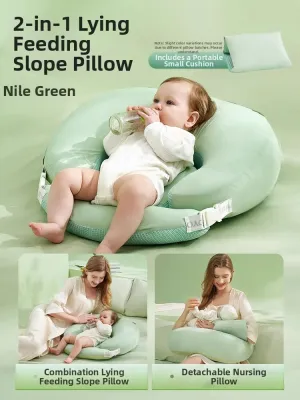
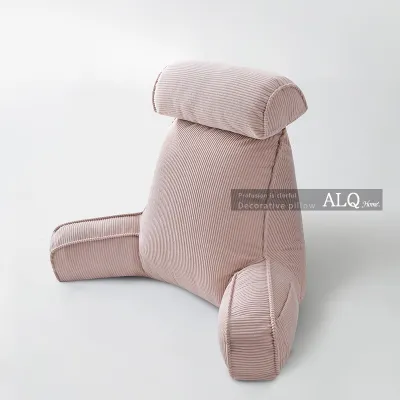
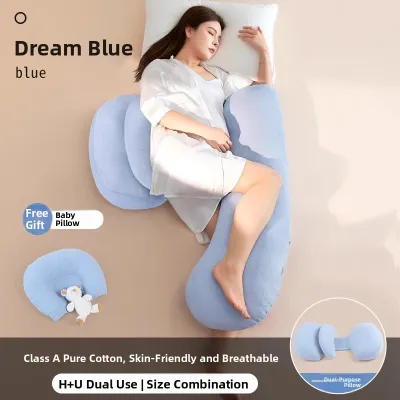
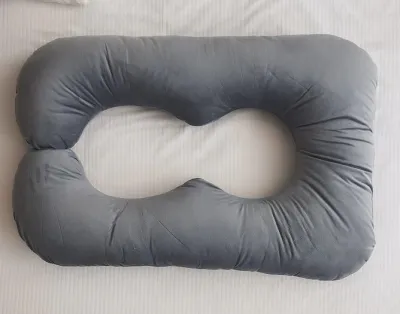
Prices are valid at publication and may change. Please refer to the product page for the latest price.
Standard bed pillows are designed to compress easily under the weight of a head, meaning they quickly flatten or slide away when supporting a baby. They lack the structural integrity and contoured shapes required to wrap securely around a mother’s torso. A specialized nursing pillow maintains its height and firm boundary throughout the feed, ensuring your baby does not roll inward or outward. Investing in a dedicated support tool helps establish a consistent, comfortable feeding routine from day one.
Essential Features to Check Before Buying
Evaluating the filling material is the first step in choosing a supportive nursing pillow. Polyester fiberfill is a popular option because it is lightweight, affordable, and often machine-washable. However, lower-grade fiberfill can clump or flatten over time, requiring regular fluffing to maintain its height. Memory foam or high-density polyurethane foam offers superior, contoured support that does not collapse under weight, though these materials tend to retain more body heat and cannot be machine-washed.

Given the tropical climate of the Philippines, the fabric of the pillow cover is a critical comfort factor. Look for covers made from 100% cotton, bamboo-derived rayon, or lightweight jersey knits, as these materials allow air to circulate and help wick away sweat. Avoid synthetic polyester covers that trap heat, which can cause both you and your baby to overheat and develop skin rashes. Because milk spills, spit-up, and sweat are inevitable, ensure the cover is fully removable and features a durable, concealed zipper for easy machine washing.
An ergonomic design with secure fastening mechanisms adds significant utility to a nursing pillow. Some pillows feature adjustable waist straps, buckles, or silent-release clips that secure the pillow tightly against your abdomen. This prevents the pillow from drifting away from your body during feeding, which could otherwise create a dangerous gap where the baby might slip. If you choose a strap-free design, ensure the inner curve of the pillow has enough springback tension to hug your waist snugly without pinching.
Matching Pillow Shapes to Your Feeding Style
C-shaped or crescent pillows are the most common and versatile options available. These pillows slide easily around the front or side of your waist and work exceptionally well for the classic cradle or cross-cradle breastfeeding holds. Their compact size makes them highly portable and easy to store, fitting comfortably within standard nursing chairs or smaller nursery spaces. However, because they do not wrap completely around your back, they may require you to place a separate cushion behind your lower back for complete support.
U-shaped or wrap-around pillows provide comprehensive support by enclosing your entire torso. These designs often feature an integrated backrest and secure in the front or side with an adjustable strap, offering hands-free stability once positioned. This shape is highly beneficial for mothers who prefer the football hold or those who are tandem feeding twins, as it provides a wide, level surface on both sides of the body. The secure fit ensures the pillow remains perfectly level, even if you need to shift your seating position.
V-shaped or wedge pillows offer targeted elevation and are highly adaptable for various stages of growth. A wedge pillow can be placed strategically under your arm or under the baby’s head to provide precise, angled support. For mothers recovering from a Caesarean section (C-section), a wedge or adjustable V-shaped pillow is highly recommended. It allows you to position the baby away from your sensitive lower abdomen, protecting your incision site from painful pressure and friction during feeding sessions.
Smart Shopping Tips for Online Marketplaces
When shopping on e-commerce platforms in the Philippines, you cannot physically test a pillow’s firmness or fabric texture before purchasing. To make a reliable choice, spend time analyzing user reviews, focusing specifically on those that include real-world photos and video uploads. Look for feedback from other mothers regarding how well the pillow retains its loft after several weeks of daily use. Pay attention to comments mentioning whether the zipper is sturdy or if the fabric pilled after the first wash.
Prioritize purchasing from official brand stores or sellers with high positive ratings and established customer service histories. Check the platform’s return and exchange policies carefully, as baby hygiene products often have strict return limitations. Ensure that you can return or replace the item if it arrives with manufacturing defects, such as broken seams, a malfunctioning buckle, or a compressed inner core that failed to expand. Investing a portion of your baby budget, which may range from a few hundred to a couple of thousand pesos ₱ depending on the materials, is safer when backed by a reliable return policy.
Always verify the exact dimensions of the pillow listed in the product description rather than relying solely on promotional images. Compare the inner curve measurement with your current postpartum waist size to ensure a comfortable, unconstricted fit. Additionally, measure the width of your favorite nursing chair or sofa space. A pillow that is too wide may not fit between the armrests of your chair, forcing you into an awkward, uncomfortable seating angle that defeats the purpose of ergonomic support.
Safety Rules and Everyday Care
Safety must always be your top priority when using any infant support product. Nursing pillows are strictly designed to support a baby during active, supervised feeding sessions while the baby is awake. Never use a nursing pillow for unsupervised infant sleep, lounging, or propping, as soft surfaces pose a severe risk of positional asphyxiation if the baby’s head tilts forward or if they roll over. If your baby falls asleep during a feed, gently transition them to a flat, firm, and empty sleep surface immediately.
Maintaining a clean nursing pillow is essential for protecting your baby’s sensitive skin from bacteria and allergens. Wash the removable cover at least once a week using a mild, hypoallergenic, baby-safe detergent, and avoid fabric softeners that can reduce fabric breathability. For the inner core, follow the manufacturer’s specific care label instructions. While some polyester-filled pillows can be machine-washed on a gentle cycle, foam cores must only be spot-cleaned with a damp cloth and allowed to air-dry completely in a well-ventilated area to prevent mold growth.
Regularly inspect your nursing pillow for observable signs of wear, tear, or structural degradation. Over time, constant pressure will cause the filling to compress, reducing the pillow’s overall height and supportiveness. If you find yourself leaning forward or propping your elbows with additional cushions to reach your baby, the pillow has lost its functional loft. Frayed seams, exposed filling, or a broken zipper that allows the inner core to slip out are clear indicators that it is time to replace the pillow.
Frequently Asked Questions (FAQ)
Can a regular bed pillow replace a nursing pillow?
While a regular bed pillow can be used in a pinch, it generally lacks the firmness and structural integrity required for safe, comfortable feeding. Standard pillows tend to shift, slide, or flatten under the baby’s weight, forcing you to constantly readjust your position. This instability can lead to poor baby positioning, latch difficulties, and increased muscle strain in your arms and back. A dedicated nursing pillow is specifically contoured to stay secure against your body and maintain a consistent height.
When should I stop using a nursing pillow?
Most mothers find they naturally transition away from a nursing pillow when their baby develops strong head control and can sit up independently, which typically occurs around six months of age. As your baby grows heavier and taller, their body will naturally span across your lap, making the extra elevation of a pillow unnecessary. You may also phase it out earlier or later depending on your comfort, changes in feeding positions, or when transitioning to solid foods.
Community discussion
Share your experience or ask a question. Comments are reviewed before publication.