
Selecting the right milk powder storage container is essential for keeping baby formula fresh, preventing moisture buildup, and streamlining your daily feeding routine. Because formula is highly sensitive to humidity and temperature, the right storage solution protects its nutritional quality while making preparation easier at home or on the go. This guide outlines the critical features to evaluate, compares the most common container types, and provides a practical framework to help you build a safe, reliable shortlist from available options in local baby stores and online marketplaces.
In the tropical climate of the Philippines, managing food storage requires extra care. High relative humidity and warm temperatures can quickly compromise dry milk powder, causing it to clump, lose its free-flowing texture, or spoil prematurely. Furthermore, common household pests like ants are highly attracted to the sweet scent of milk powder, making a secure, airtight barrier an absolute necessity for every household. By understanding what to look for in a storage container, you can protect your investment in baby formula and ensure every bottle you prepare is safe and nutritious.
Essential Features to Check Before Buying
When evaluating any milk powder storage container, the sealing mechanism is your first line of defense against the elements. A high-quality container must feature a robust seal, typically made of food-grade silicone gaskets, that creates a true airtight barrier when closed. Some designs utilize snap-lock lids on all four sides, while others employ a mechanical pop-up button that expands the silicone ring against the inner walls. To verify the effectiveness of the seal, check if the lid remains firmly in place when subjected to light upward pressure, ensuring no humid air or persistent insects can find a way inside.
Products mentioned in this guide
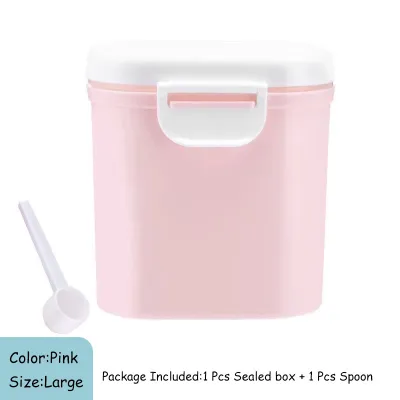
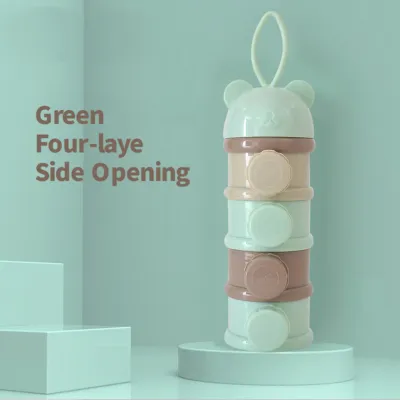
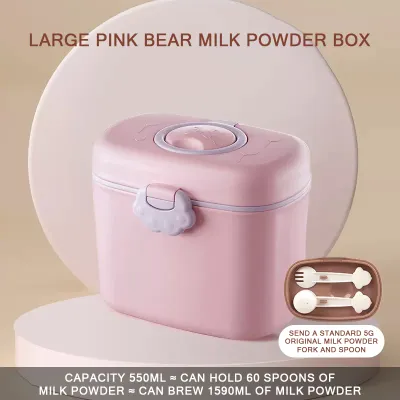
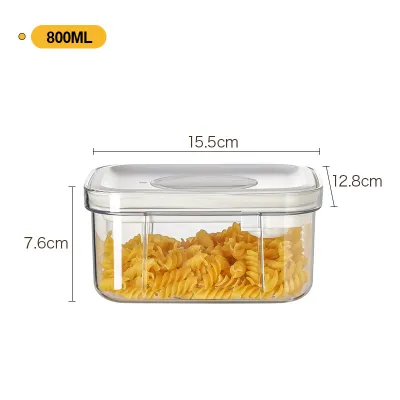
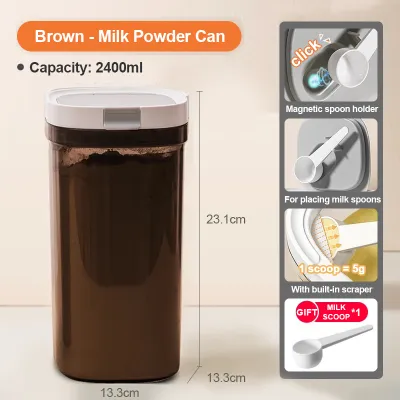
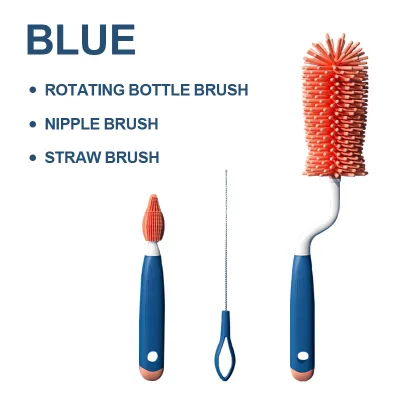
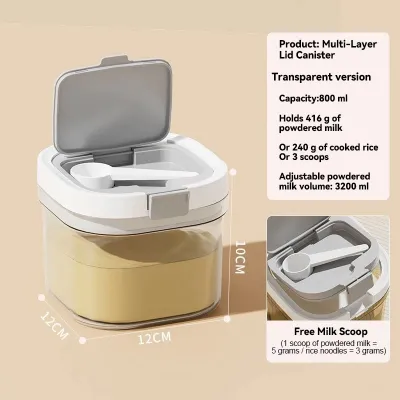
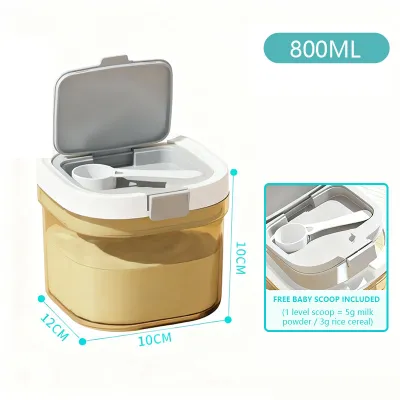
Prices are valid at publication and may change. Please refer to the product page for the latest price.
Material safety is another non-negotiable factor when selecting storage for baby food. You should always verify that the container is explicitly labeled as BPA-free and made from food-grade materials. Common safe plastics include polypropylene (PP) and Tritan, both of which are lightweight, impact-resistant, and durable enough to withstand frequent washing. If you prefer glass, look for high-quality borosilicate glass, which offers excellent hygiene and temperature resistance, though it is heavier and prone to breaking if dropped on hard kitchen tiles.
Ergonomic design features directly impact how smoothly your feeding routine runs, especially during late-night preparations. A wide-mouth opening is highly beneficial because it allows you to scoop the powder cleanly without scraping your knuckles against the sides or spilling formula onto the counter. Additionally, look for containers with smooth, rounded interior corners; sharp angles tend to trap fine powder, making them difficult to empty completely and challenging to clean. Many modern containers also feature built-in scoop hangers or levelers, which keep the scoop suspended away from the powder, reducing the risk of contamination from your hands.
Matching Container Types to Your Feeding Routine
Your choice of container should align closely with your lifestyle, daily schedule, and where you primary prepare your baby’s bottles. Parents who spend most of their time at home have different storage needs than those who frequently travel, commute, or rely on daycare services. Balancing these scenarios often means utilizing a combination of large-capacity canisters for bulk storage and compact, pre-portioned dispensers for mobility.

Before purchasing, consider the physical space available in your kitchen, pantry, or diaper bag. A bulky container might keep formula fresh, but if it does not fit comfortably on your countertop or inside your travel bag, it will quickly become a source of frustration. Assessing your daily workflow—such as how many bottles you prepare in a twenty-four-hour period—will help you determine the ideal capacity and format for your household.
Large Airtight Canisters for Home Storage
Large airtight canisters are designed to hold a substantial volume of formula, making them ideal for primary home use. Transferring formula from its original foil packaging or cardboard box into a dedicated canister provides superior protection against moisture and pests. Original packaging often relies on flimsy adhesive tape or plastic clips to reseal, which rarely provides a sufficient barrier against the humid Philippine air. A dedicated canister ensures that the bulk of your formula remains dry and uncontaminated from the moment you open the bag until the last scoop is used.
When choosing a large canister, pay close attention to the stability of its base and how easy it is to operate with one hand. Caregivers often find themselves holding a crying baby in one arm while trying to prepare a bottle with the other. A container with a weighted or non-slip silicone base prevents accidental tipping during these hectic moments. Furthermore, one-touch button lids or simple flip-top levers allow you to open and seal the container effortlessly using a single hand, minimizing exposure to the air.
It is also wise to measure your kitchen cabinets, shelves, or pantry spaces before selecting a large canister. Some designs are tall and narrow, which saves valuable counter space but may not fit under low-hanging cabinets. Other models are wider and stackable, allowing you to maximize vertical space if you need to store multiple types of formula or cereal. Ensure the container’s footprint matches your storage area so that it remains easily accessible during feeding times.
Portion Dispensers for Travel and Night Feeds
For outings, daycare, or nighttime feedings, portable portion dispensers offer unmatched convenience. These compact containers are divided into separate compartments, allowing you to pre-measure the exact amount of formula powder needed for individual bottles. When your baby is hungry, you simply pour the pre-portioned powder directly into a bottle of warm water, eliminating the need to count scoops while on the move or half-awake in the dark.
When evaluating portion dispensers, verify the maximum capacity of each individual compartment. As babies grow, their feeding volumes increase, requiring more scoops of powder per bottle. Ensure the compartments are spacious enough to hold the specific scoop count your baby currently requires without compressing the powder, which can make it difficult to pour out. It is also critical to check that the inner dividers seal tightly against the lid to prevent powder from migrating between compartments during transit.
While portion dispensers are highly convenient, they can present unique cleaning challenges. Some models feature narrow dispensing spouts, rotating lids, or complex interlocking chambers that can trap moisture and powder residue. Look for designs that disassemble completely, allowing you to access every corner with a bottle brush. Avoid dispensers with permanent, hard-to-reach crevices, as trapped damp powder can quickly become a breeding ground for bacteria.
Building Your Shortlist and Verifying Safety Labels
When browsing online marketplaces or visiting physical maternity shops in the Philippines, building a safe shortlist requires careful verification. Do not rely solely on product titles or marketing claims; instead, cross-reference the product descriptions with the manufacturer’s official specifications. Ensure the product is explicitly certified for food contact by recognized regulatory bodies. If you are shopping online, look for reputable sellers who provide clear, high-resolution photos of the product packaging, including the plastic recycling codes and safety symbols.
Always check the manufacturer’s age or stage recommendations to ensure the container’s capacity and design align with your baby’s current feeding stage. For instance, a small three-tier dispenser might be perfect for a newborn’s small feedings but entirely inadequate for an older infant who requires larger volumes. Selecting a container that matches your current needs prevents you from having to purchase replacements prematurely as your baby’s appetite grows.
User feedback can be incredibly valuable, but it must be evaluated critically. When reading reviews on e-commerce platforms, look past initial impressions of color or delivery speed. Instead, search for feedback that specifically mentions long-term durability, how well the silicone seal holds up after months of daily washing, and whether the container truly keeps ants and moisture out. Keep in mind that unverified reviews can sometimes be misleading, so prioritize detailed comments that describe real-world usage scenarios and potential limitations.
Cleaning, Drying, and Knowing When to Replace
Maintaining strict hygiene is paramount when handling baby formula storage. Before using a new container for the first time, and after every subsequent use, it must be thoroughly cleaned to prevent bacterial growth. Always refer to the manufacturer’s instructions regarding safe cleaning methods. Some plastics are dishwasher-safe on the top rack, while others may warp or degrade if exposed to high temperatures. If you use a steam sterilizer or boiling water, verify that the container’s material is rated to withstand those specific temperatures.
Complete air-drying is the most critical step in the cleaning process, yet it is often overlooked. Even a single droplet of moisture left inside a container can cause the dry formula powder to clump, spoil, or mold, rendering the entire batch unsafe for your baby. Because the humid climate in the Philippines can slow down natural evaporation, place the washed and disassembled container parts on a clean, elevated drying rack in a well-ventilated area. Avoid using cloth towels to dry the interior, as they can transfer lint, dust, or bacteria back onto the clean surfaces.
Knowing when to discard and replace your storage container is vital for your baby’s safety. Plastic containers do not last indefinitely; over time, frequent washing and sterilization will cause the material to degrade. Inspect your containers regularly for signs of wear and tear, such as micro-scratches on the inner walls, which can harbor bacteria even after thorough washing. If you notice persistent odors that do not wash away, cloudiness in the plastic, warped lids that no longer create a tight seal, or a loose silicone gasket, it is time to replace the container immediately.
Frequently Asked Questions (FAQ)
Can I store mixed liquid formula in these dry powder containers?
No, you should not store mixed liquid formula in containers designed specifically for dry milk powder. Dry powder storage containers are engineered to keep moisture out, but they are rarely designed to be completely liquid-tight or leak-proof under pressure. Storing liquid formula in them can lead to messy leaks, spills, and exposure to external contaminants.
Furthermore, prepared liquid formula is highly perishable and requires strict temperature control to prevent rapid bacterial growth. Once formula is mixed with water, it must be consumed immediately or stored in a dedicated baby bottle in the refrigerator according to the formula manufacturer’s guidelines. Always refer to the specific instructions on your formula packaging regarding safe storage times and refrigeration limits for prepared liquid feeds.
How often should I replace plastic formula storage containers?
There is no fixed calendar schedule for replacing plastic formula storage containers, as their lifespan depends heavily on the frequency of use, cleaning methods, and the quality of the plastic. Instead of relying on a specific timeframe, you should base your decision on a regular physical inspection of the container’s condition.
Inspect the container weekly for visible signs of degradation. You should replace the container immediately if you observe micro-scratches, cracks, persistent cloudiness, or discoloration that does not disappear after washing. Additionally, if the silicone gasket becomes loose, stretched, or moldy, or if the lid no longer snaps or locks securely, the airtight seal is compromised, and the container is no longer safe for storing baby formula.
Community discussion
Share your experience or ask a question. Comments are reviewed before publication.