
Traveling with an infant requires careful preparation, especially when it comes to feeding. A reliable milk powder container is an essential tool for parents on the go, ensuring that formula remains dry, uncontaminated, and easy to dispense. The ideal container balances airtight sealing, food-safe materials, and a design that fits your specific travel duration. In tropical climates like the Philippines, high humidity can quickly turn dry formula into a clumped, unusable mess, making your choice of dispenser crucial for stress-free feeding during outings.
Selecting the right container involves understanding how different designs perform under travel conditions. Whether you are running a quick errand or embarking on a family trip, having pre-portioned formula ready to mix can save valuable time. By focusing on key features such as seal integrity, material safety, and ease of pouring, you can find a portable solution that keeps your baby’s nutrition safe and accessible.
Key Features to Look for in a Travel-Friendly Formula Dispenser
When evaluating a milk powder container for travel, the sealing mechanism is your first line of defense against spoilage. Look for containers equipped with high-quality silicone gaskets, secure snap-lock lids, or tight-fitting screw caps. In humid environments, even a small gap in the seal can allow moisture to seep in, causing the powder to clump and potentially encouraging bacterial growth. A truly airtight seal ensures the formula remains as fresh as it was when first opened from its original packaging.
Products mentioned in this guide
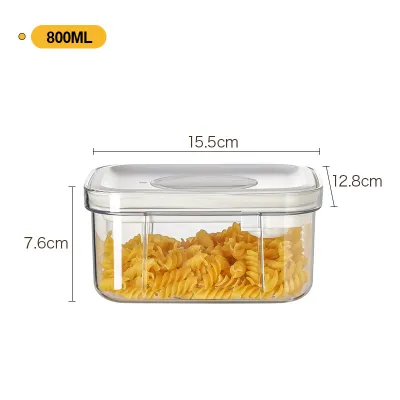
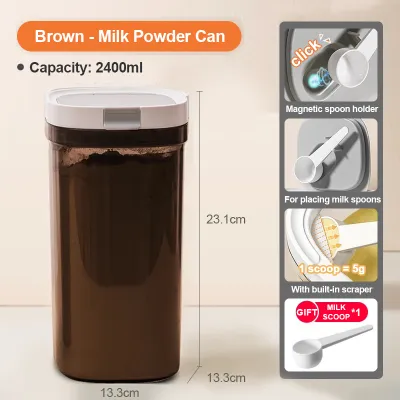
Prices are valid at publication and may change. Please refer to the product page for the latest price.
Material safety is another critical factor that requires careful verification. Always check product labels and manufacturer specifications for food-grade certifications and BPA-free claims. Since infant formula is highly sensitive, the container must be made from non-toxic, durable plastics or materials that do not leach chemicals or retain strong odors. Inspecting the product documentation for safety standards gives you peace of mind that the storage environment is safe for your baby’s food.
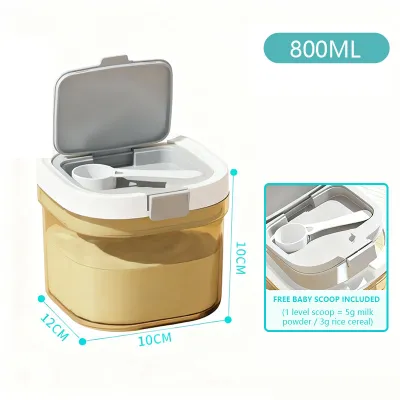
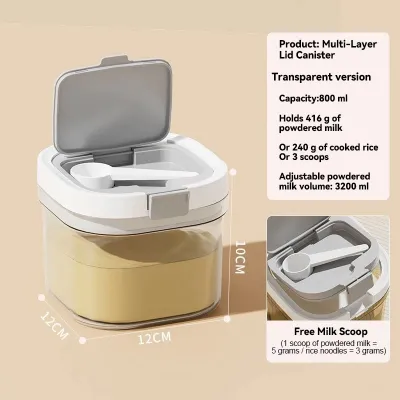
The physical design of the openings can make or break your feeding routine on the go. A wide main opening is highly beneficial because it allows you to scoop and fill the container easily without spilling powder over the edges. On the other hand, the pouring spout needs to be narrow and funnel-shaped. This design ensures that when you transfer the pre-measured powder into a baby bottle, it flows smoothly into the bottle neck without spilling, even when you are in transit or a crowded public space.
Finally, consider the overall footprint and weight of the container. Space is at a premium inside a diaper bag, which must also accommodate diapers, wipes, and change of clothes. A bulky or heavy container will quickly become a burden. Opt for compact, lightweight designs that slide easily into side pockets, allowing you to maximize your packing efficiency without adding unnecessary weight.
Comparing Types of Milk Powder Containers for Different Trips
Not all trips are created equal, and the best milk powder container for a quick doctor’s visit may not be the most practical choice for a weekend getaway. Matching the physical design of your container to your specific travel duration and feeding frequency is key to a smooth journey. Parents must often weigh the trade-offs between ultra-portable, single-feed options and larger, multi-compartment systems that hold a full day’s worth of nutrition.

Stackable Dispensers for Short Outings
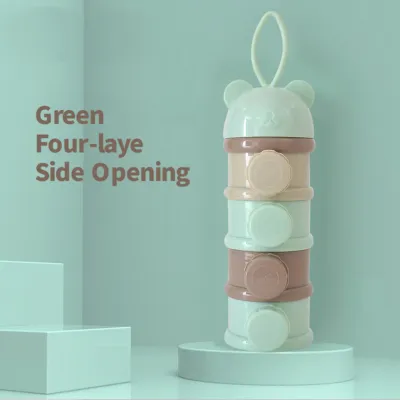
Stackable dispensers are highly popular for short outings, such as daily errands, park visits, or brief family gatherings. These systems typically consist of three or four individual compartments that screw or snap together vertically, forming a single compact column. Each compartment can hold a pre-measured portion of formula for a single feed, allowing you to simply unscrew one layer, pour it into the bottle, and feed your baby without needing to measure powder on the spot.
The primary benefit of this modular design is its space-saving vertical footprint, which fits perfectly into bottle pockets on most diaper bags. However, parents should be aware of potential stability and sealing risks. If the interlocking threads or snap joints between the layers are not securely locked, the compartments can separate in transit, leading to messy spills inside your bag. It is essential to verify that each layer is tightly fastened before leaving the house.
Multi-Compartment or Large-Capacity Containers for Long Trips
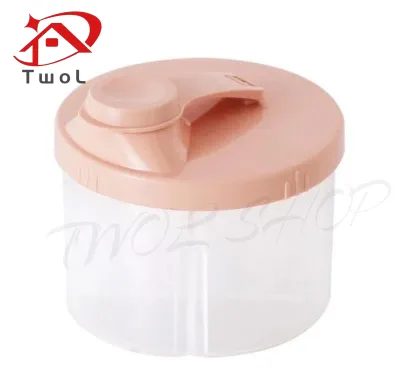
For extended travel, day-long road trips, or frequent feeding schedules, a multi-compartment or large-capacity container is often more suitable. These containers are usually shaped like a single large tub or bottle but feature internal dividers that split the space into three or four distinct sections. A rotating lid with a single pouring spout allows you to select one compartment at a time, pouring out only the portion you need while keeping the remaining sections sealed.
This design offers excellent capacity and minimizes the risk of cross-contamination between feeds, as the internal walls keep each portion completely isolated. The main trade-off is bulkiness; these containers tend to have a wider diameter than stackable models, requiring more flat space inside your diaper bag. Additionally, you must ensure the rotating lid aligns perfectly with the divider to prevent powder from leaking from one compartment into another during transit.
How to Keep Formula Fresh and Safe While Traveling
Maintaining hygiene and formula freshness while traveling requires strict adherence to safe handling and storage practices. Before transferring any milk powder into your portable container, ensure the container is completely washed, sanitized, and thoroughly dry. Even a single microscopic droplet of water left inside can cause the powder to clump, spoil, or foster rapid bacterial growth, posing a health risk to your infant.
Environmental factors also play a major role in preserving formula quality. Always store your milk powder container in a cool, dry place away from direct sunlight, heat sources, and high-humidity environments. Avoid leaving the container in a parked car, near a window, or at the bottom of a damp bag. High temperatures can degrade the nutritional quality of the formula, while humidity can compromise the airtight seal.
Caregivers must remain vigilant and inspect the formula before every feed. If you observe any signs of degradation—such as visible moisture inside the container, hard clumping, changes in color, or an unusual, sour odor—stop using the container immediately and discard the affected powder. When in doubt, always prioritize safety and consult the formula manufacturer’s specific storage guidelines or your pediatrician for advice on safe feeding practices.
Practical Tips for Packing and On-the-Go Feeding
To reduce stress during transit, establish a streamlined packing and feeding workflow. Pre-measure your formula portions at home under clean, controlled conditions rather than trying to scoop and count in a busy public restroom or moving vehicle. Pair your milk powder container with a reliable insulated flask filled with clean, warm water that has been boiled according to safe preparation standards. This allows you to mix a fresh bottle in seconds, wherever you are.
Organizing your diaper bag strategically can also save time and hassle. Keep your formula dispenser, clean bottles, and insulated flask together in a dedicated, easily accessible feeding pouch or compartment. This setup is particularly helpful during airport security checks or transit stops, as you can quickly present your baby feeding supplies without rummaging through the entire bag.
When traveling away from home for extended periods, cleaning your container thoroughly can be challenging. If you cannot sterilize the container immediately, perform a temporary clean by rinsing it with clean, safe water and wiping it dry with a clean paper towel. Keep the washed parts disassembled in a clean, ventilated pouch until you return home, where you can perform a thorough wash and sterilization before the next use.
Frequently Asked Questions (FAQ)
Can I use a regular food storage container for milk powder?
While it may be tempting to repurpose a standard kitchen container, specialized milk powder dispensers are far better suited for infant formula. Regular food storage containers often lack the precise, airtight seals required to keep fine powder dry in humid conditions, increasing the risk of clumping. Furthermore, generic kitchenware may not be certified BPA-free or food-grade for infant use, and older containers can retain stubborn food odors or oils from previous contents that could contaminate the formula.
How long can formula powder stay fresh in a portable container?
Once you decant formula powder from its original airtight tin or foil packaging into a portable container, its shelf life decreases. While the original packaging can keep powder fresh for weeks after opening, decanted powder is exposed to air and humidity every time the portable container is opened. It is best to use the decanted powder within a few days and always track the original manufacturer’s expiration date. If you notice any clumping, moisture, or off-odors, discard the powder immediately.
Community discussion
Share your experience or ask a question. Comments are reviewed before publication.