
Pregnancy brings a series of profound physical transformations, shifting your center of gravity and placing unprecedented demands on your musculoskeletal system. As your baby grows, the muscles and ligaments in your abdomen and lower back stretch to accommodate this new life, often leading to persistent physical strain. Finding reliable waist support for women during this journey is not merely about comfort; it is about maintaining mobility and protecting your physical well-being. Selecting the right maternity belly support belt in the Philippines requires a careful understanding of your changing body, the unique tropical climate, and the specific structural needs of each trimester. This guide provides a comprehensive framework to help you evaluate support options, verify product safety features, and make an informed decision tailored to your unique pregnancy timeline without relying on generic product lists.
Recognizing Your Need for Maternity Waist Support
Identifying when your body requires external assistance is the first step in managing pregnancy discomfort. Many expectant mothers experience a dull, aching sensation in the lower back or a sharp, sudden pull in the lower abdomen, often referred to as round ligament pain. These sensations typically intensify during prolonged standing, walking, or transitioning from a sitting to a standing position.
Pelvic girdle pain is another common signal, presenting as discomfort near the pubic bone or deep within the hips. This occurs as your body releases hormones like relaxin, which soften your ligaments to prepare the pelvis for childbirth. When these ligaments become highly flexible, the surrounding muscles must work harder to stabilize your joints, leading to fatigue and soreness.
Products mentioned in this guide
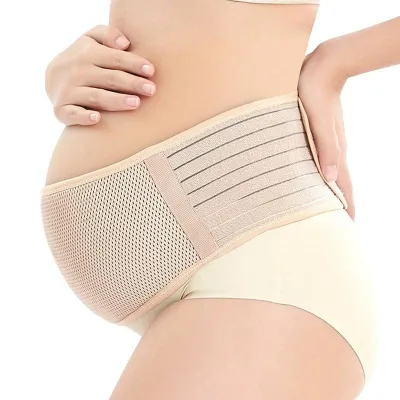
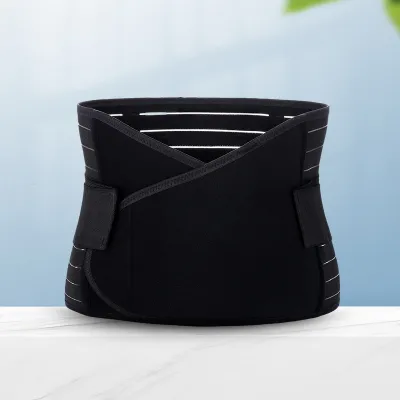
Prices are valid at publication and may change. Please refer to the product page for the latest price.
While a maternity support garment can offer temporary relief by redistributing weight, it is crucial to recognize what these bands cannot resolve. A support belt will not cure underlying structural misalignments, nor will it alleviate pain caused by poor posture that has developed over several years. It is an assistive tool rather than a corrective treatment for chronic spinal conditions.
Before purchasing any compression or support garment, consulting your OB-GYN or a physical therapist is highly recommended. Certain conditions, such as high blood pressure, circulatory issues, or specific placental complications, may make abdominal compression unsafe. A healthcare professional can evaluate your physical state and confirm whether external support is appropriate for your specific pregnancy.
Essential Features to Evaluate in a Belly Support Belt
Selecting a support belt requires looking beyond basic aesthetics to evaluate the structural integrity and material composition of the garment. In a warm and humid tropical climate like that of the Philippines, fabric selection is paramount. Heavy, non-porous synthetic materials can trap heat and sweat, leading to skin irritation, heat rashes, and general discomfort during daily wear.

Look for belts constructed from lightweight, breathable fabrics such as perforated neoprene, cotton blends, or advanced moisture-wicking mesh. These materials allow air to circulate freely, helping to regulate your skin temperature even during the warmest hours of the day. A breathable weave ensures that the garment remains comfortable under your clothing throughout your daily routine.
Adjustability is another critical feature to examine, as your body shape changes weekly. High-quality belts utilize secure hook-and-loop closures and expandable side panels that allow you to customize the level of tension. This adaptability ensures the belt can be loosened or tightened as your abdomen expands, preventing the garment from becoming obsolete after a few weeks of growth.
Pay close attention to the edge construction and seam placement of the support band. Rough, rigid seams or stiff plastic boning can dig into your skin, especially when you sit down or bend forward. Opt for belts with soft, bound edges and flexible support stays that conform to your natural curves without causing friction or painful pressure points.
Finally, consider how easy the belt is to put on and adjust without assistance. As your pregnancy progresses, your mobility and reach will naturally decrease, making complex fastening systems highly impractical. A user-friendly design with front-facing closures or simple pull-straps allows you to secure the belt independently, ensuring you can manage your support needs throughout the day.
Matching the Support Belt to Your Current Trimester
Your body undergoes distinct anatomical shifts during each phase of pregnancy, meaning a single support style is rarely sufficient for the entire nine months. In the early stages, your primary need may center on gentle postural reminders and mild compression to manage bloating. As the baby grows, the focus shifts toward lifting the weight of the uterus and stabilizing the pelvic joints.
Understanding this progression allows you to select a garment that matches your current physical demands. Transitioning from lightweight, flexible bands to structured, multi-strap systems ensures you receive the correct level of support without putting unnecessary pressure on your changing body. Aligning your support choice with your specific trimester helps maintain comfort and safety.
First Trimester: Focus on Posture and Mild Compression
During the first trimester, physical changes are often internal and subtle, characterized by early hormonal shifts and mild abdominal bloating. At this stage, heavy-duty, rigid support cradles are unnecessary and can cause discomfort. Instead, lightweight, highly flexible belly bands are the preferred choice for providing gentle, reassuring compression.
These early-stage bands are designed to offer mild postural support, helping you maintain alignment as your body begins to adapt to hormonal changes. Look for seamless, tube-style bands that sit smoothly over your unbuttoned pre-pregnancy trousers. These bands should provide just enough elasticity to hold your clothing in place while offering a light hug to your lower back and abdomen.
It is vital to ensure that any garment worn during these early weeks does not compress your growing uterus or restrict your digestive system. Signs that a band is too tight include localized skin redness, deep indentations on your skin, or an increase in heartburn and acid reflux. If you experience any discomfort or restriction while breathing, immediately loosen or remove the band.
Second Trimester: Adaptable Support for a Growing Bump
As you enter the second trimester, your baby bump becomes more prominent, shifting your center of gravity forward and increasing the strain on your lower back. This period requires a transition to more structured support garments that feature expandable front panels. These panels are designed to cradle the underside of your bump, gently lifting the weight to relieve pressure on your pelvis.
Look for belts equipped with adjustable side straps that allow you to fine-tune the level of lift and tension. This adjustability is crucial for balancing effective support with the safety of your developing baby. The belt should provide a supportive lift without compressing the abdomen or restricting fetal movement, allowing your baby ample space to move and grow.
When evaluating a belt for this stage, assess its ability to expand alongside your growing bump over several months. A high-quality second-trimester belt should feature durable elastic fibers that retain their shape and tension despite repeated stretching. This ensures the garment continues to provide reliable support without sagging or losing its structural integrity as your pregnancy progresses.
Third Trimester: Maximum Lift and Pelvic Relief
The third trimester presents the greatest physical challenges, as the full-term baby bump exerts significant downward pressure on your pelvic floor and bladder. To manage this intense strain, heavy-duty, cradle-style support systems are often necessary. These designs typically feature a wide back panel to distribute weight across your lumbar region, combined with multiple adjustable straps that wrap over and under the bump.
Correct positioning of the belt is essential during these final weeks to ensure both comfort and safety. The primary support band must be placed low on your hips, running underneath your belly to lift the weight upward and backward toward your spine. Avoid positioning the band too high or tightening it excessively, as this can push the baby upward uncomfortably or restrict your breathing.
Given the increased surface area covered by third-trimester support systems, monitoring your skin for irritation or overheating is critical. The combination of heavy fabrics, high humidity, and increased body temperature can quickly lead to chafing or sweat rashes. Limit your wear time, wear a thin layer of breathable cotton clothing beneath the belt, and inspect your skin regularly for any signs of redness or breakdown.
Safety Boundaries and Usage Limits
While maternity support belts are highly effective tools for managing discomfort, they must be used within strict safety boundaries to prevent adverse effects. It is generally recommended to limit continuous wear to no more than two to three hours at a time. Overusing a support belt can cause your core and pelvic floor muscles to become reliant on the external support, potentially weakening them over time.
Avoid wearing a support belt while sleeping, as your body needs to move freely and naturally during rest without any external compression. Similarly, remove or significantly loosen the belt when sitting for prolonged periods, such as during office work or long car rides. Sitting with a tight band can compress major blood vessels, restricting circulation to your lower limbs and your baby.
You must remain vigilant for observable warning signs that indicate the belt is fitted incorrectly or worn for too long. These signs include numbness, tingling, or a cold sensation in your legs, which suggest restricted blood flow. Additionally, look out for skin redness, itching, or any noticeable decrease in your baby’s movement patterns while wearing the garment.
If you experience any of these warning signs, or if you feel sudden abdominal pain or dizziness, discontinue use immediately and consult your healthcare provider. A support belt should never cause pain or distress; it is designed solely to assist your body. Always prioritize your physical comfort and your baby’s well-being over the perceived need for physical support.
Remember that a maternity support belt is a temporary aid, not a permanent replacement for active physical conditioning. To build long-term strength and resilience, combine the use of a support belt with safe, low-impact prenatal exercises. Strengthening your core, lower back, and pelvic floor muscles through approved movements will provide your body with natural, lasting support throughout your pregnancy and postpartum recovery.
Purchasing Checklist for Online and In-Store Shoppers
Navigating the local market for a maternity support belt requires a methodical approach to ensure you receive a safe, high-quality product. When shopping online or in-store, never rely on your pre-pregnancy clothing size or assume a standard medium will fit. Instead, use a flexible measuring tape to measure the circumference of your lower back and the fullest part of your under-belly, then compare these measurements directly to the manufacturer’s specific sizing chart.
Prioritize products that provide transparent material safety information and clear manufacturing specifications. Avoid unbranded, low-cost items that lack detailed descriptions of their fabric composition or structural components. Choosing reputable brands ensures that the materials used are free from harmful chemicals and are designed to withstand the tension and friction of daily wear.
Take the time to compare prices in ₱ across authorized retailers and official brand stores on major e-commerce platforms. While budget-friendly options are appealing, extremely low prices often indicate inferior elasticity, weak hook-and-loop closures, or non-breathable fabrics. Investing in a well-constructed, mid-range to premium belt from an official store ensures better durability and safety.
Finally, carefully review the return and exchange policies of the retailer before finalizing your purchase. Due to strict hygiene regulations surrounding intimate and maternity garments, many sellers do not permit returns or exchanges once the packaging has been opened. Verifying your measurements beforehand and understanding the store’s policy will protect you from being stuck with an ill-fitting, non-refundable item.
Frequently Asked Questions (FAQ)
Can wearing a belly support belt harm the baby?
When used correctly and adjusted to a comfortable tension, a maternity support belt will not harm your baby. Your body’s natural anatomy, including the thick uterine wall and the cushioning effect of the amniotic fluid, provides excellent protection for the developing fetus. However, improper fit, excessive tightening, or placing the band directly over the center of the bump can cause maternal discomfort, restricted blood flow, and digestive issues. Always follow the manufacturer’s positioning guidelines, ensuring the belt lifts from underneath the belly rather than compressing it directly.
Should I wear the support belt while sleeping or exercising?
You should avoid wearing a support belt while sleeping, as your body requires unrestricted circulation and natural movement during rest. For exercise, a support belt can be highly beneficial during low-impact prenatal activities, such as walking, light prenatal yoga, or modified strength training, by stabilizing your pelvis and lower back. However, it is important to balance this external aid with natural core engagement. Avoid relying on the belt for high-impact movements unless specifically advised by your physical therapist or OB-GYN, and always listen to your body’s signals.
How do I clean and maintain the elasticity of the belt?
To preserve the elasticity and structural integrity of your support belt, hand washing in cool water with a mild, baby-safe detergent is highly recommended. Secure all hook-and-loop closures before washing to prevent them from snagging the delicate elastic fibers. Avoid using bleach, fabric softeners, or harsh chemicals, and never place the belt in a mechanical dryer, as high heat will degrade the elastic components. Instead, lay the belt flat to air dry in a shaded, well-ventilated area. If you notice the elastic has become stretched out, wavy, or no longer holds tension, it is time to replace the garment.
Community discussion
Share your experience or ask a question. Comments are reviewed before publication.