
Choosing a fruit teether for your baby in the Philippines involves navigating two distinct product categories: solid, fruit-shaped silicone teethers designed to massage sore gums, and hollow mesh or silicone fruit feeders designed to introduce fresh, local fruits safely. In a tropical climate where fresh produce like ripe mangoes, bananas, and papayas are readily available, these tools serve a dual purpose. They soothe the intense discomfort of emerging teeth while offering a sensory introduction to solid foods. Selecting the right option requires balancing material safety, ease of cleaning, and ergonomic design to match your baby’s developmental stage.
To make an informed purchase, parents must understand how these products function and how to verify their safety. Because these items go directly into a baby’s mouth and often come into contact with fresh food, they require strict hygiene standards and durable construction. By focusing on certified materials, secure locking mechanisms, and practical designs, you can find a teether that keeps your baby safe, comfortable, and happy during this challenging developmental milestone.
Understanding Fruit Teethers and When to Use Them
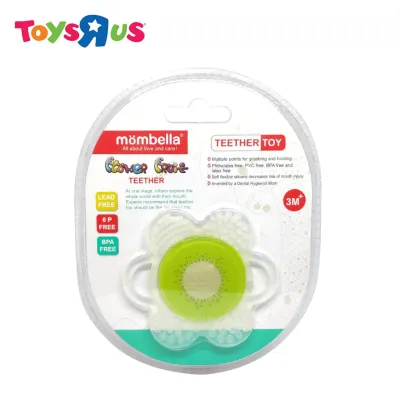
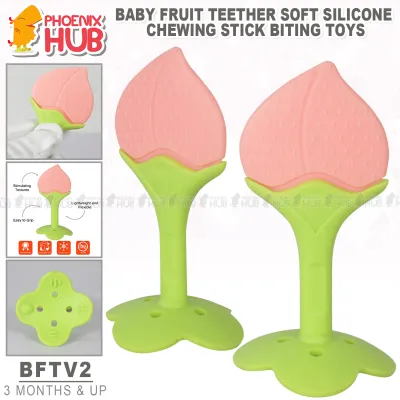
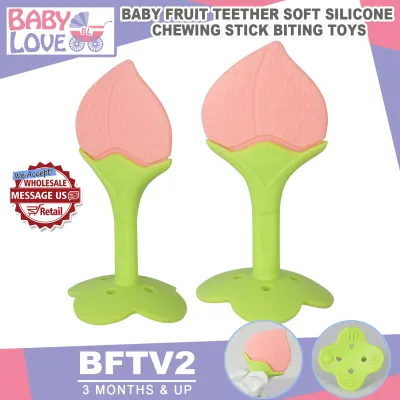
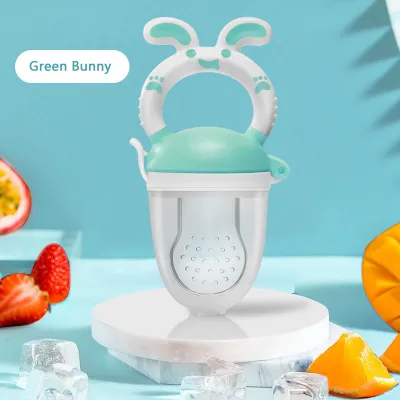
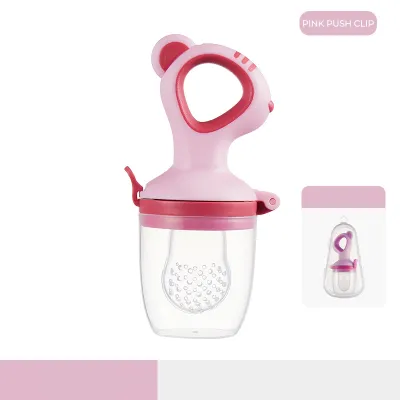
Before purchasing a fruit teether, it is essential to distinguish between standard soothing teethers and hollow fruit feeders. Standard soothing teethers are solid pieces of textured silicone, often molded into playful shapes like grapes, strawberries, or orange slices. These are designed purely for gum massage and pain relief, containing no food. In contrast, hollow fruit feeders feature a handle attached to a perforated silicone or mesh sac. This sac is designed to hold small pieces of fresh or chilled fruit, allowing your baby to gnaw on the pouch and extract juices and tiny pulp particles safely.
Products mentioned in this guide

Prices are valid at publication and may change. Please refer to the product page for the latest price.
Introducing these tools at the correct developmental stage is crucial for your baby’s safety. Solid silicone teethers can be introduced early, often around three to four months of age, when babies begin to grasp objects and bring them to their mouths to explore. However, hollow fruit feeders that hold actual food should only be introduced when your baby is at least six months old. At this stage, babies must show key signs of developmental readiness for solids, such as sitting up with minimal support, maintaining good head control, and showing active interest in family meals.
Recognizing the difference between teething discomfort and readiness for solid foods prevents premature food introduction. Teething symptoms typically include swollen gums, excessive drooling, irritability, and a constant urge to chew on firm surfaces. While a solid, chilled silicone teether is perfect for soothing these symptoms at any point, a food-filled feeder requires a mature digestive system. Introducing solid foods through a feeder before your baby’s digestive tract is ready can lead to digestive upset, so always ensure both developmental milestones and age recommendations are met before adding fresh fruit to the mix.
Essential Safety and Material Checks
When shopping for any product that enters your baby’s mouth, material safety must be your absolute priority. Always verify that the teether is made from 100% food-grade silicone that is completely free from bisphenol A (BPA), phthalates, lead, and latex. These chemical-free materials ensure that no harmful substances leach into your baby’s saliva or food, especially when the product is subjected to warm tropical temperatures or repeated sterilization. Look for clear, prominent certification labels on the packaging to confirm these safety standards.

In addition to material composition, you must carefully inspect the locking mechanism of hollow fruit feeders. The latch or clasp that secures the silicone sac to the handle must be exceptionally sturdy. It should require adult hand strength and coordination to open, ensuring that your baby cannot accidentally pop it open while chewing or dropping the feeder. Look for designs featuring double-lock latches, recessed buttons, or secure screw-on threads that prevent the container from opening and exposing large chunks of fruit that could pose a choking hazard.
Finally, verify that the product complies with recognized international safety standards, such as the European Union’s EN 71 standard or US FDA guidelines. Before adding any teether to your cart, inspect the physical product or high-resolution product images for visible manufacturing defects. Check for rough plastic seams along the handle, uneven silicone molding, loose threads on mesh bags, or small gaps where parts join together. A high-quality teether should feel smooth, solid, and structurally unified, with no loose components that could detach during vigorous chewing.
Design Features That Prevent Choking and Frustration
An effective fruit feeder must balance safety with functionality, starting with the design of the perforated sac. If you choose a silicone feeder, evaluate the size and distribution of the holes in the sac. The perforations must be small enough to restrict large, solid chunks of fruit from passing through, yet large enough to allow juices and finely pureed pulp to flow easily. If the holes are too small, your baby will become frustrated by the lack of food reward; if they are too large, the risk of choking increases significantly.
Ergonomics play a vital role in how successfully your baby can use the teether. Look for handles designed specifically for tiny, developing hands to grip and maneuver independently. Wide, circular loop handles or textured, easy-to-grasp stems are ideal because they allow babies to use both hands to guide the teether to their mouths. A handle with a non-slip, textured surface also prevents the teether from constantly slipping out of soapy, drool-covered hands, reducing frustration for both you and your baby.
Avoid novelty designs that prioritize aesthetics over safety and structural integrity. Some teethers feature small, detachable decorative parts, animal ears, or thin plastic rings that can easily snap off under the pressure of emerging baby teeth. Stick to streamlined, integrated designs where the handle and base are molded as a single, solid piece. Minimizing the number of separate, small parts not only reduces the risk of choking but also ensures the product remains durable over months of daily use.
Evaluating Ease of Cleaning and Maintenance
In the warm and humid climate of the Philippines, hygiene and mold prevention are constant challenges for parents. Food residue trapped in a baby teether can quickly become a breeding ground for bacteria and black mold. Therefore, you must evaluate how easy the teether is to clean before making a purchase. Look for products that explicitly state they are dishwasher-safe and can be completely disassembled. Every single component—the handle, the locking collar, the silicone sac, and the protective cap—should separate easily to ensure no hidden areas remain unwashed.
Avoid designs with deep crevices, sharp interior angles, or sealed seams that cannot be reached with a standard cleaning brush. Silicone sacs with narrow necks or complex internal valves are notoriously difficult to clean thoroughly, especially after holding sticky fruits like bananas or mangoes. Smooth, rounded interior surfaces are much easier to scrub with a small bottle brush and warm, soapy water. If you choose a mesh bag feeder, keep in mind that mesh fibers trap food particles easily and require vigorous scrubbing and immediate rinsing to prevent staining and bacterial growth.
Establishing a strict drying and storage routine is essential to extend the lifespan of the teether and maintain hygiene. After washing and sterilizing the disassembled parts according to the manufacturer’s instructions, allow them to air-dry completely in a well-ventilated, clean area. Avoid assembling or storing the teether while any moisture remains on the parts, as trapped dampness encourages mold growth. Store the dry, disassembled components in a clean, dust-free container until their next use.
Building Your Shortlist: What to Look for When Shopping
When browsing local baby stores or online marketplaces, start building your shortlist by reading product descriptions with a critical eye. Pay close attention to the manufacturer’s specified age limits, weight recommendations, and intended use cases. Do not rely solely on the product title; instead, look for detailed specifications regarding the size of the silicone sac. Some brands offer interchangeable sacs in small, medium, and large sizes to accommodate your baby’s growing mouth, which offers excellent long-term utility.
User reviews on local ecommerce platforms are invaluable resources for identifying potential product flaws. Search the reviews specifically for keywords like “mold,” “tear,” “latch,” or “broken” to see if other parents have experienced recurring issues with durability or safety. Pay attention to feedback regarding how well the locking mechanism holds up after multiple rounds of steam or boiling-water sterilization. If multiple reviews mention that the plastic latch warps or becomes loose over time, it is best to remove that option from your shortlist.
Finally, compare the initial purchase price of the teether against the availability and cost of replacement parts. A budget-friendly feeder that costs around ₱150 might seem like an attractive deal initially, but if the manufacturer does not sell replacement silicone sacs or mesh bags, you will have to buy an entirely new unit once the original sac wears out. Choosing a reputable brand that offers affordable, multi-pack replacement sacs for around ₱50 to ₱100 ensures better long-term value and allows you to maintain strict hygiene standards without unnecessary spending.
Frequently Asked Questions (FAQ)
Can I put frozen fruit in a silicone fruit teether?
Yes, placing chilled or slightly softened frozen fruit inside a silicone fruit feeder is a highly effective way to soothe your baby’s sore, inflamed gums. The cold temperature provides a natural numbing effect that temporarily relieves teething pain. However, you should avoid placing rock-hard, solid frozen fruit chunks directly into the feeder, as these can be too cold for sensitive oral tissues and may cause discomfort. Let the frozen fruit sit at room temperature for a few minutes to soften slightly before placing it in the sac, and always supervise your baby closely during use to ensure they do not experience discomfort from the cold.
How often should I replace the silicone sac or mesh?
You should inspect the silicone sac or mesh bag before every single use for any signs of wear, damage, or deterioration. Look closely for discoloration, thinning of the material, tiny tears, or a sticky texture, which indicates the silicone is breaking down. Generally, manufacturers recommend replacing the silicone sac every one to two months of regular use, or immediately if you detect any physical damage. Mesh bags tend to wear out, fray, and stain much faster than silicone, meaning they will require more frequent replacement to ensure safety and hygiene.
Is a fruit teether the same as a pacifier?
No, a fruit teether and a pacifier serve completely different developmental and functional purposes. A pacifier is designed strictly for non-nutritive sucking to soothe, calm, and comfort a baby, featuring a solid, non-perforated nipple that does not allow any food or liquid to pass through. A fruit teether or feeder is an active learning and feeding tool designed to introduce solid food textures and flavors while massaging the gums through active chewing. Because fruit feeders contain food and require active chewing, they should only be used during designated feeding times under direct adult supervision, and they must never be used as a sleep aid or left in a sleeping baby’s mouth.
Community discussion
Share your experience or ask a question. Comments are reviewed before publication.